SoHo Shopping District Impact: How Retail Drives Residential Property Values
Neighborhood
Neighborhood
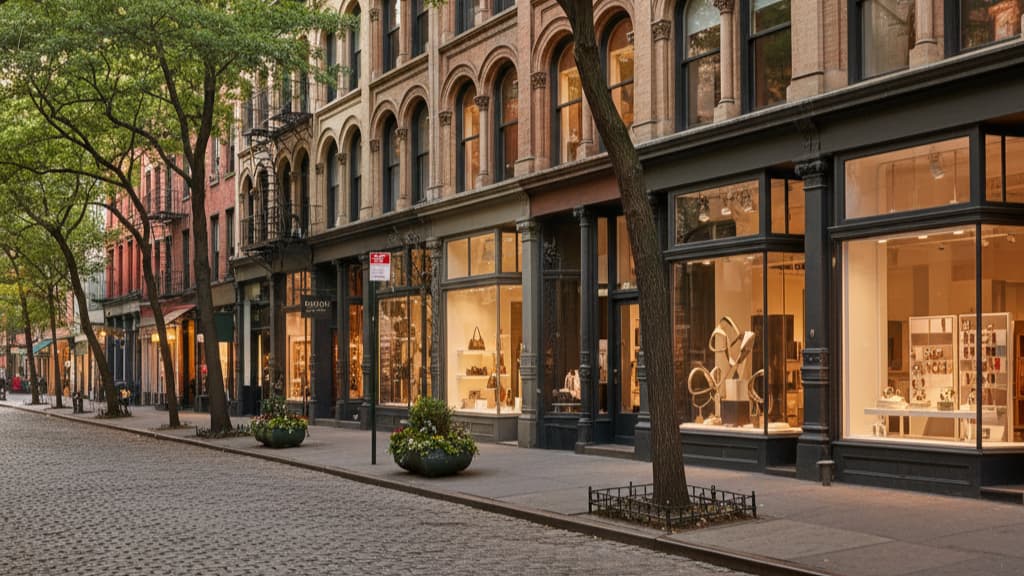
SoHo has always been more than a neighborhood. It is a brand, a lifestyle, and a cultural landmark. Known for its cast-iron architecture and cobblestone streets, SoHo’s biggest driver of demand today comes from its luxury shopping corridor. From high-end boutiques to global flagship stores, the retail scene is not only shaping how people spend their weekends, but also how they decide where to live.
For buyers and investors, understanding how retail influences the SoHo real estate market is essential. Homes in this district sell and rent at a premium, and the presence of international luxury brands is one of the major reasons why.
Few places in the world can match SoHo’s retail lineup. Chanel, Prada, Dior, and Louis Vuitton sit next to experimental concept shops and art-inspired flagships. For many New Yorkers and international visitors, SoHo is the ultimate destination for shopping and style.
That level of visibility has a direct impact on real estate values. When flagship brands commit to a neighborhood, they bring global prestige. The logic is simple: if the world’s most powerful fashion houses believe in SoHo, buyers and investors do too.
For residents, the appeal goes far beyond shopping convenience. Living near SoHo’s retail district delivers a sense of identity and lifestyle that other neighborhoods cannot replicate. Buyers are willing to pay more for:
Prestige and global recognition — Owning a home in SoHo means being associated with one of the most iconic neighborhoods in the world.
Walk-to-shop convenience — From everyday essentials to luxury purchases, everything is at your doorstep.
Neighborhood vibrancy — SoHo offers a constant energy from tourists, locals, and shoppers, which translates into a lively and in-demand environment.
Cultural crossover — Fashion, art, dining, and nightlife converge, making SoHo a complete lifestyle ecosystem.
This blend of convenience and status keeps SoHo luxury apartments at the top of buyer wish lists.
Investors are equally drawn to the relationship between retail and residential demand. High-profile stores create consistent traffic and ensure that the neighborhood remains desirable. For rental properties, this translates into:
Premium rental rates due to the lifestyle appeal for both local tenants and corporate clients.
Lower vacancy risk since demand remains strong even during slower market cycles.
International appeal with foreign buyers seeking pied-à-terres near luxury shopping.
Long-term value growth as retail anchors reinforce SoHo’s reputation as a global hub.
In short, retail acts as a stabilizing force, keeping SoHo insulated from larger market downturns.
While SoHo’s boutiques often make the headlines, the lifestyle extends far beyond retail. Residents enjoy some of Manhattan’s best restaurants, art galleries, and design showrooms. Wellness studios, cocktail lounges, and members-only clubs round out the neighborhood experience.
This balance of shopping, culture, and daily convenience gives homeowners the best of both worlds. Even if residents do not shop daily at luxury brands, the presence of these stores elevates the entire neighborhood’s value.
SoHo offers a unique mix of residential options. Buyers can expect:
Historic cast-iron lofts with oversized windows, exposed beams, and open layouts that appeal to creatives and professionals.
Boutique condominiums offering privacy and exclusivity, often tucked above storefronts or on quieter cobblestone blocks.
Luxury high-rises with modern amenities, designed for those who want SoHo’s energy with full-service living.
Penthouses with rooftop terraces that capture the skyline and the buzz of downtown Manhattan.
Each property type benefits from the same overall demand driver: the allure of living in New York’s most stylish shopping district.
SoHo’s retail landscape is not just about temporary trends. Global brands sign long-term leases and invest heavily in flagship designs. That permanence signals confidence in the neighborhood’s future. As a result, buyers and investors can be confident that the retail-driven demand for housing will remain strong for decades.
Even as e-commerce reshapes shopping habits, SoHo stands apart. The district is not just about transactions but experiences. People come for the atmosphere, the architecture, and the sense of belonging. That experiential factor cannot be replicated online, and it continues to protect SoHo’s real estate values.
If you are thinking about buying or investing in SoHo, the connection between retail and residential demand should be part of your decision-making process. Whether you are drawn to a historic loft with character, a sleek new condo, or a trophy penthouse, proximity to SoHo’s shopping district ensures long-term value.
At Archpoint Advisory, we specialize in helping buyers and investors navigate competitive markets like SoHo. Our team understands how retail anchors affect housing demand and how to position our clients for success.
Ready to explore available SoHo properties? Contact us today to find your perfect home in New York’s most stylish neighborhood.
Stay up to date on the latest real estate trends.
Neighborhood
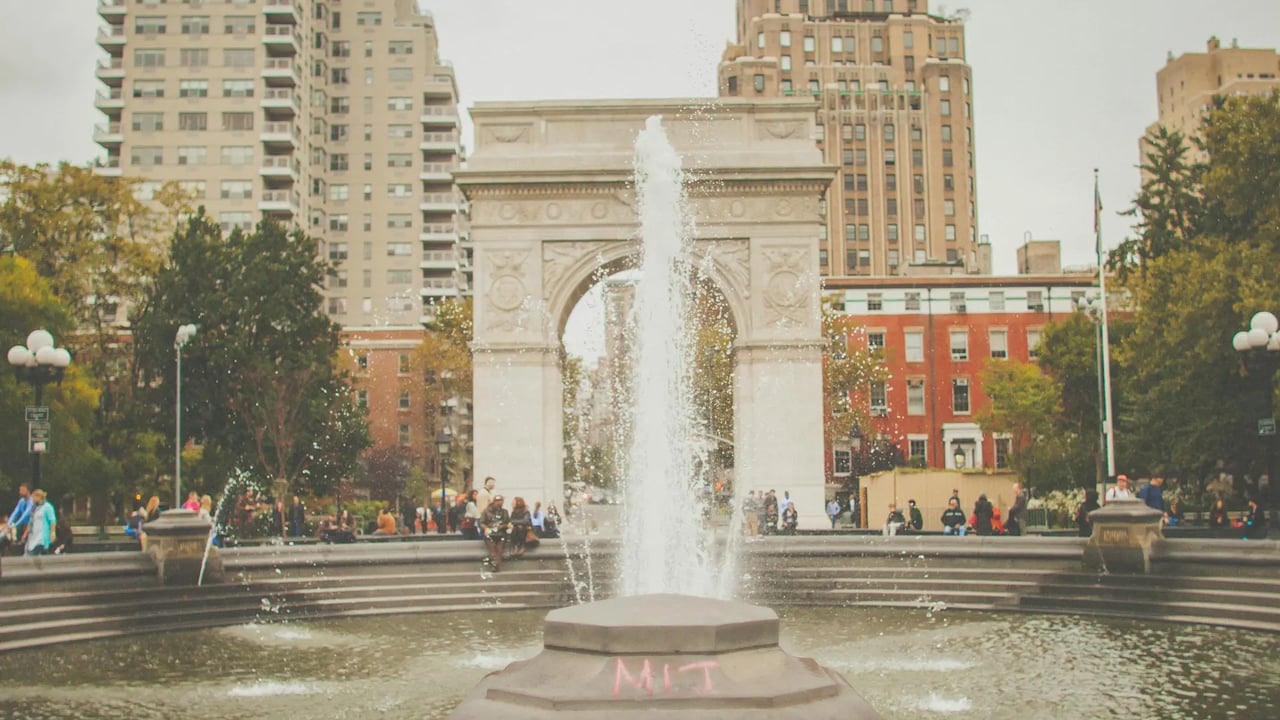
Why Green Space and Academic Influence Continue to Drive Demand in One of Manhattan's Most Desirable Neighborhoods
Neighborhood
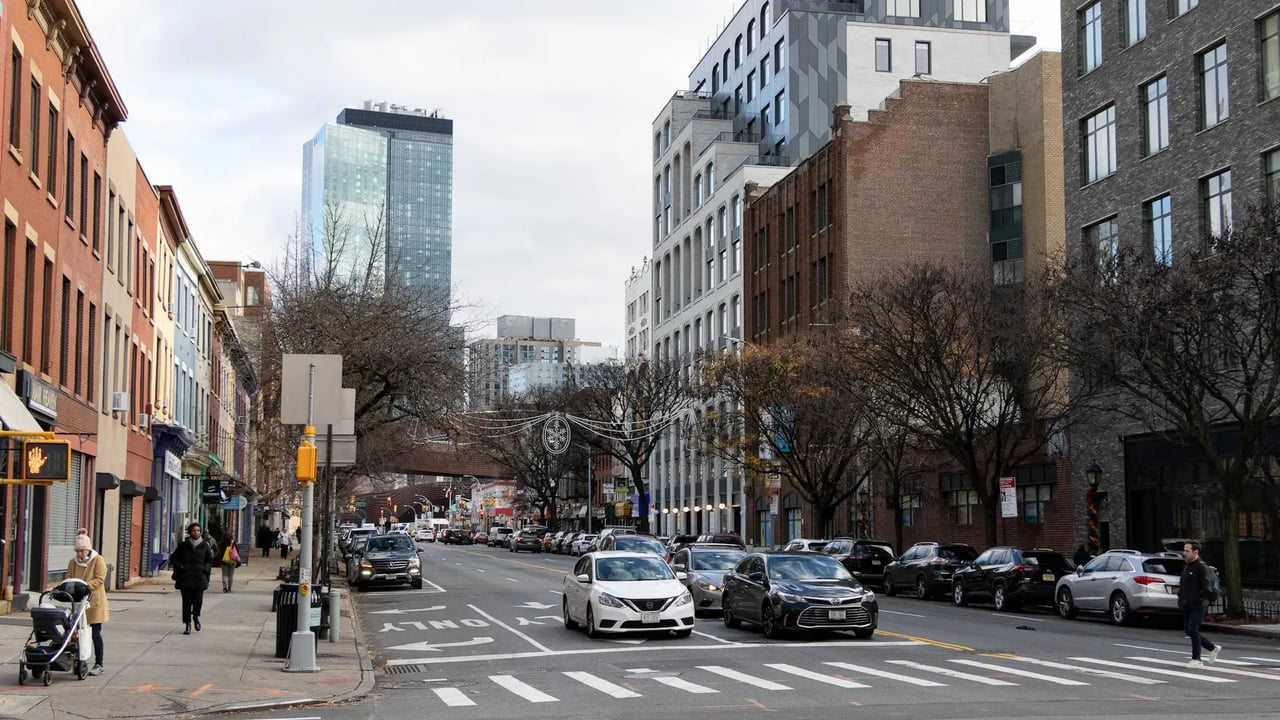
Why Retail Convenience Continues to Drive Housing Demand in One of Brooklyn's Most Desirable Neighborhoods

Neighborhood
How New Construction Is Reshaping One of Manhattan’s Most Competitive Residential Markets

Neighborhood
Why Landmark Protections Help Preserve Tribeca’s Unique Real Estate Identity
s
Why Manhattan’s Dining Culture Continues to Shape Luxury Living and Real Estate Demand

Neighborhood
Why Investors Continue Watching Manhattan’s Most Evolving Neighborhood
Neighborhood
Why Investors Continue Targeting Brooklyn’s Most Competitive Neighborhood
Neighborhood
Why Hotels, Nightlife, and Cultural Energy Continue to Drive Housing Demand in Gramercy
Neighborhood
Understanding the Buying Process Behind One of Brooklyn’s Most Competitive Housing Markets
We love nothing more than helping buyers and sellers achieve their home-buying and selling goals. If you’ve got questions, we can’t wait to answer them.