High Line Impact on Chelsea Property Values: Elevated Park Premium Analysis
Neighborhood
Neighborhood
Few neighborhoods in New York have been transformed as dramatically in the last two decades as Chelsea. At the heart of this change is the High Line, the elevated park built on a historic freight rail line that now stretches 1.5 miles above Manhattan’s West Side. Once surrounded by warehouses and meatpacking plants, the area has become one of the most desirable addresses in the city, attracting world-class architecture, luxury condos, and global investors.
The High Line is more than a park. It is a catalyst that redefined how New Yorkers experience urban space and how buyers value real estate near it. Today, properties located along or within walking distance of the High Line consistently command premiums compared to similar units elsewhere in Chelsea. But how strong is this effect, and why are buyers willing to pay so much more for elevated greenery?
Studies and market reports show that apartments near major parks in New York City generally sell for five to fifteen percent more than comparable units without easy access to green space. Along the High Line, that premium often stretches higher. Some luxury developments have recorded sales that exceed neighborhood averages by as much as twenty to thirty percent.
Why does this happen?
Unique Lifestyle Appeal: Buyers view the High Line as a daily amenity. Having a landscaped walking path, art installations, and river views at your doorstep is unlike anything else in Manhattan.
Architectural Attraction: Many of the city’s most celebrated new buildings, from Zaha Hadid’s 520 West 28th Street to Jean Nouvel’s 100 Eleventh Avenue, were deliberately designed to frame the park. These developments set pricing benchmarks for Chelsea luxury real estate.
Global Recognition: The High Line is one of New York’s most visited attractions, drawing millions of people every year. International buyers who want a recognizable and prestigious location see value in owning property along the park.
For residents, the High Line is not just about resale value. It offers a lifestyle that combines culture, recreation, and wellness. Homeowners can step outside into a world of gardens, art exhibits, and skyline views without leaving their neighborhood.
Chelsea locals often describe the High Line as an extension of their living rooms. It provides:
A car-free walking path perfect for exercise or casual strolls.
Seasonal art installations that change throughout the year.
Outdoor seating and scenic overlooks that function like social gathering spaces.
Direct connections to galleries, markets, and dining options throughout Chelsea and Hudson Yards.
This daily access to beauty and open air helps explain why buyers accept higher price tags. In a city where square footage is tight, green space acts as an additional amenity that improves quality of life.
Investors are drawn to High Line properties not only because of their prestige but also because of their performance. Units along the elevated park often show:
Stronger appreciation over time compared to other Chelsea properties.
High rental demand, particularly among international tenants and professionals who value lifestyle perks.
Resilience in downturns, since buyers continue to prioritize unique locations even during market corrections.
The High Line has effectively created a “branded corridor” where buildings can charge more simply because of their location. Just as Central Park has anchored values on the Upper West and Upper East Sides for generations, the High Line now plays that role for Chelsea.
The residential mix along the High Line is diverse, but most of it skews toward the luxury market. Buyers can find:
Converted warehouses and lofts offering character-filled spaces with soaring ceilings.
New glass-and-steel towers designed by internationally renowned architects, often with concierge services and spa-level amenities.
Boutique condo buildings with fewer units, catering to those who want exclusivity and privacy.
Trophy penthouses that trade for tens of millions, often boasting direct park views and private terraces.
This variety means the High Line appeals both to end users looking for unique homes and to investors seeking blue-chip real estate.
For many, the answer is yes. The High Line premium is not only about prestige but also about stability. Properties in this corridor tend to sell faster and hold their value better across cycles. Even buyers who do not intend to live in their units can expect strong demand from renters who prioritize lifestyle features.
From a quality-of-life perspective, the payoff is clear. Residents enjoy daily access to nature, art, and culture without leaving their block. In an urban market like New York, where lifestyle is as valuable as location, the High Line continues to prove its worth.
Chelsea offers a rare combination of cultural energy, architectural innovation, and park access that few neighborhoods can match. Whether you are searching for a modern condo overlooking the gardens or a classic loft steps away from the elevated walkways, living near the High Line offers both immediate enjoyment and long-term value.
At Archpoint Advisory, we understand how transformative the High Line has been for Chelsea real estate. Our team can guide you through the options, from well-known towers to discreet boutique residences, ensuring you find the home that fits your lifestyle and investment goals.
Thinking of making the High Line part of your daily view? Contact us today to explore the best opportunities in Chelsea.
Stay up to date on the latest real estate trends.
Neighborhood
Why Green Space and Academic Influence Continue to Drive Demand in One of Manhattan's Most Desirable Neighborhoods
Neighborhood
Why Retail Convenience Continues to Drive Housing Demand in One of Brooklyn's Most Desirable Neighborhoods
Neighborhood
How New Construction Is Reshaping One of Manhattan’s Most Competitive Residential Markets
Neighborhood
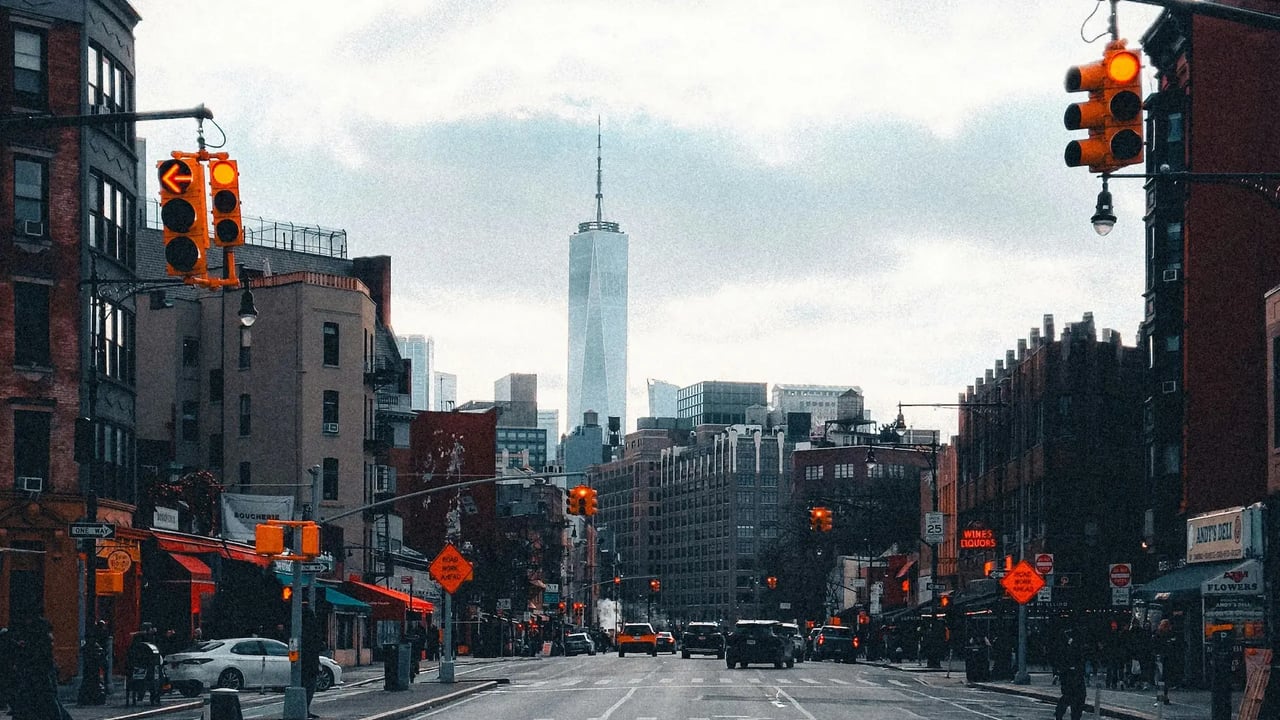
Why Landmark Protections Help Preserve Tribeca’s Unique Real Estate Identity
s
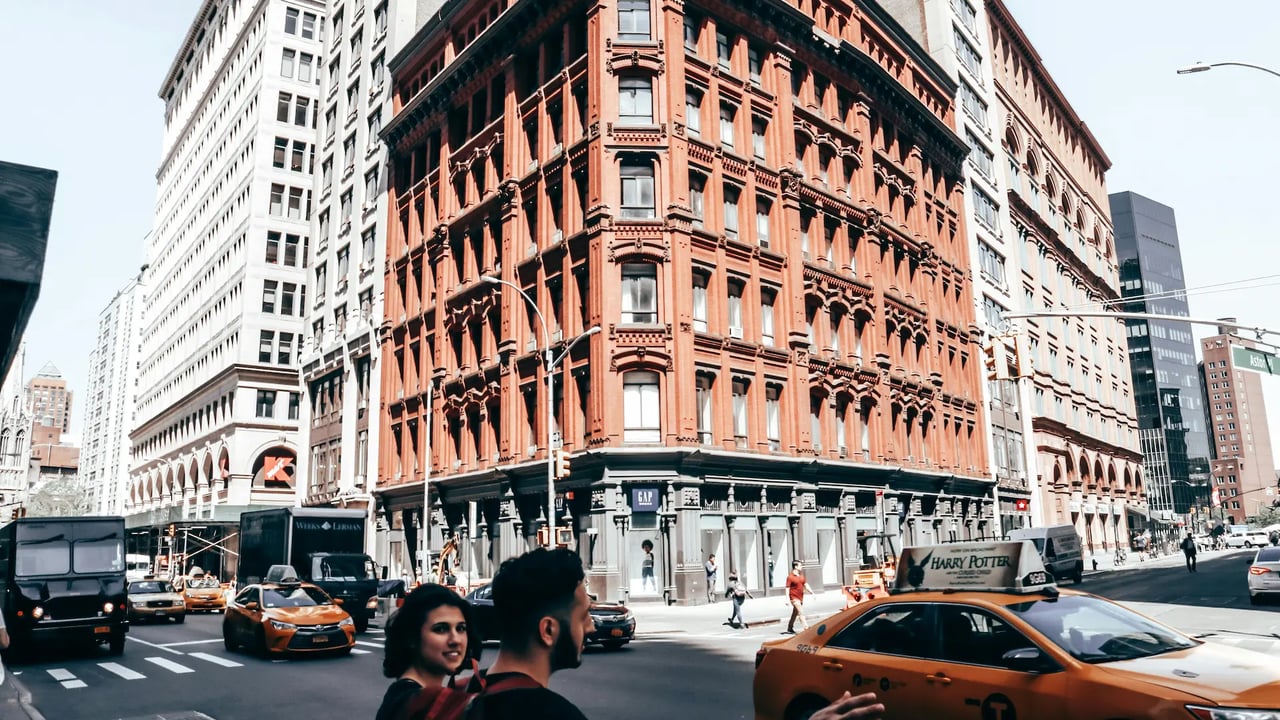
Why Manhattan’s Dining Culture Continues to Shape Luxury Living and Real Estate Demand
Neighborhood
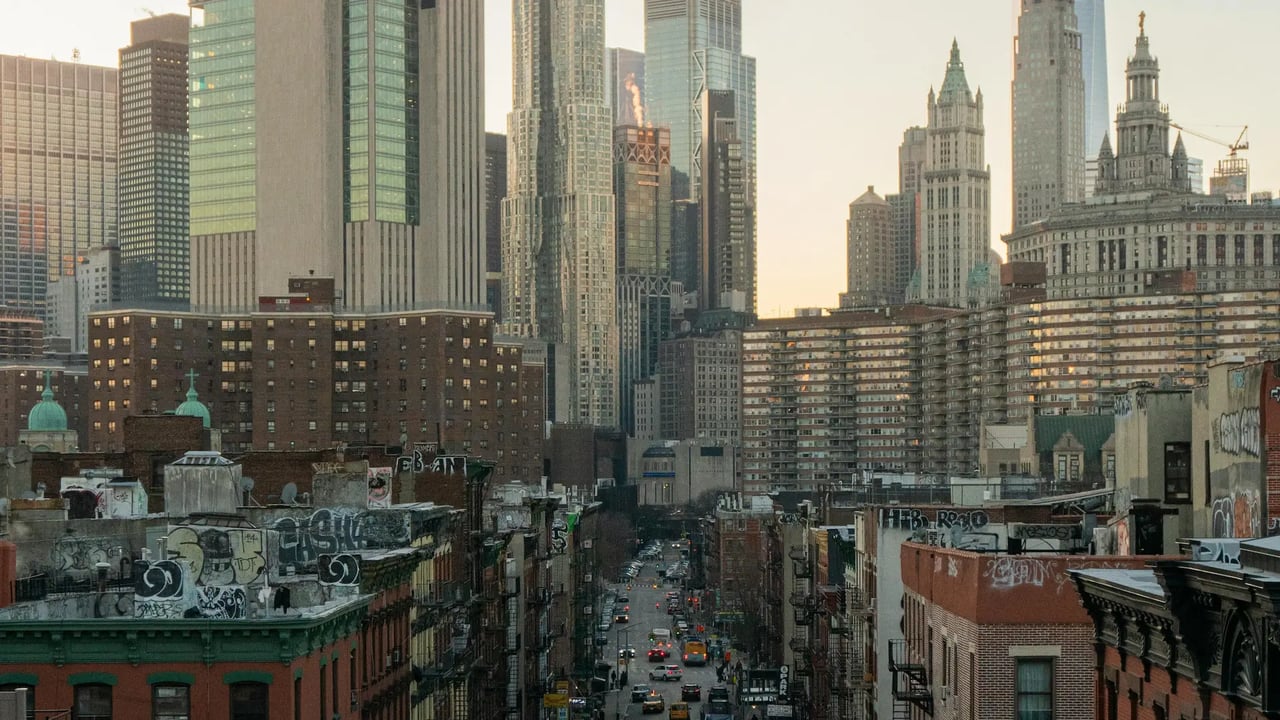
Why Investors Continue Watching Manhattan’s Most Evolving Neighborhood
Neighborhood
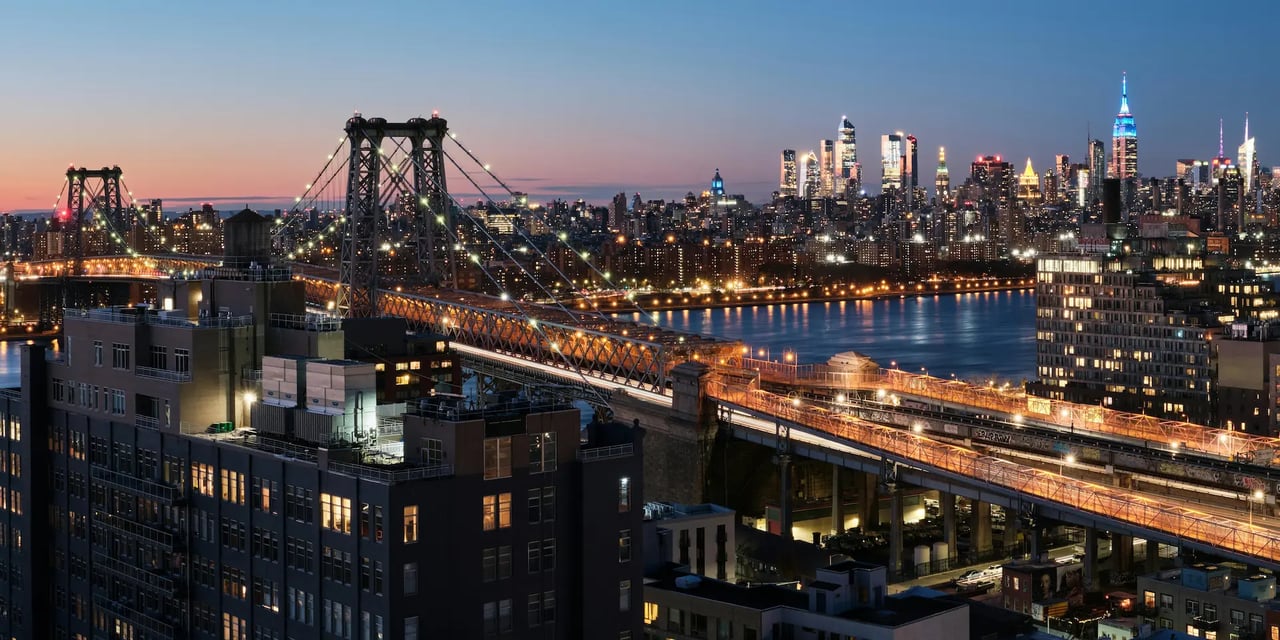
Why Investors Continue Targeting Brooklyn’s Most Competitive Neighborhood
Neighborhood
Why Hotels, Nightlife, and Cultural Energy Continue to Drive Housing Demand in Gramercy
Neighborhood
Understanding the Buying Process Behind One of Brooklyn’s Most Competitive Housing Markets
We love nothing more than helping buyers and sellers achieve their home-buying and selling goals. If you’ve got questions, we can’t wait to answer them.