East Village Transportation Guide: Multiple Subway Lines and Manhattan Connectivity
Neighborhood
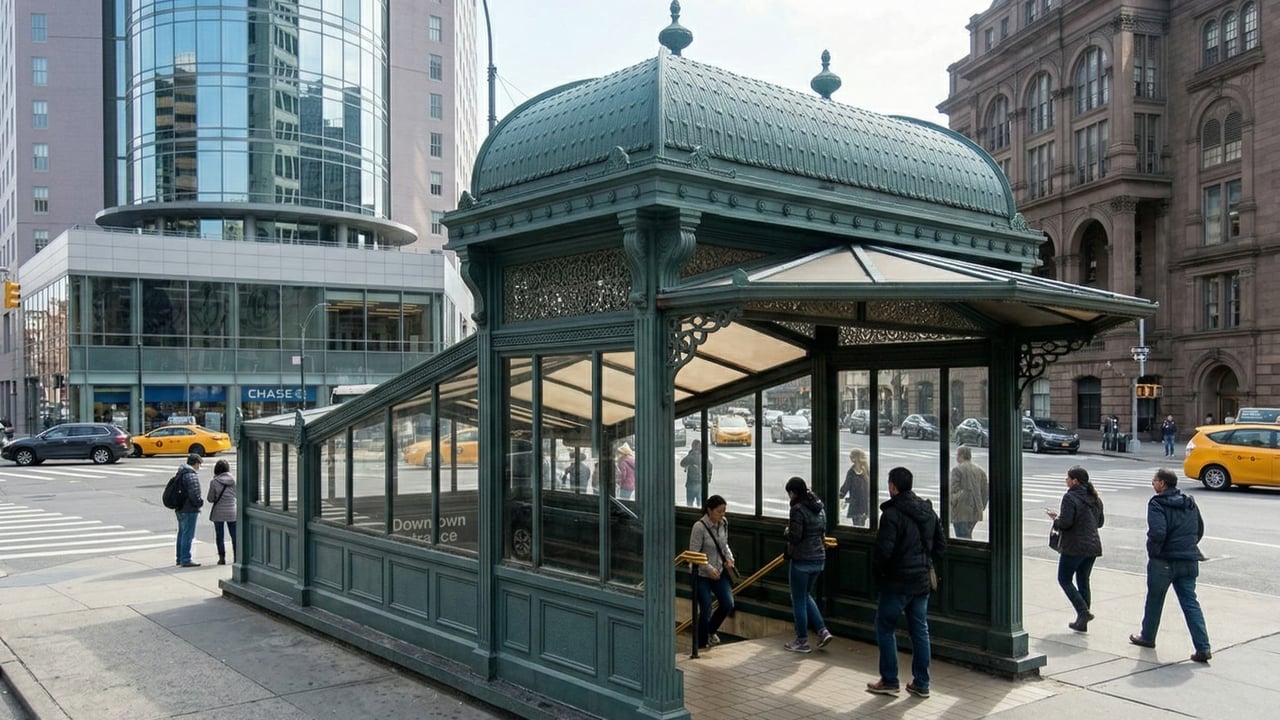
Neighborhood
The East Village has always been known for its culture, restaurants, and late-night energy. But beyond the music venues and historic walk-ups, one of the neighborhood’s strongest assets is something practical: transportation access. When it comes to Manhattan connectivity, the East Village quietly competes with some of the most transit-rich neighborhoods in the city.
For buyers and renters alike, access to multiple subway lines is not just about convenience. It directly influences property demand, resale strength, and long-term investment performance.
Let’s break down how the 4, 5, 6, N, Q, R, W, and L trains connect the East Village to the rest of New York City.
The 4, 5, and 6 lines run through the nearby Union Square station, just west of the East Village border. This hub is one of Manhattan’s most important transportation centers.
The benefits of living near the 4, 5, and 6 trains include:
Direct access to Grand Central in minutes
Quick commute to Midtown East office towers
Straight routes to the Upper East Side and Bronx
Seamless transfers to other major lines at Union Square
For professionals working in Midtown or the Financial District, proximity to these express and local lines makes the East Village highly competitive with neighborhoods traditionally considered more “corporate.”
From a real estate perspective, apartments within walking distance to Union Square tend to command higher rents and stronger resale activity due to that reliable north-south corridor.
Also accessible via Union Square and nearby stations, the N, Q, R, and W lines provide east-west flexibility and connections to Brooklyn and Queens.
These lines offer:
Direct service to Times Square and Midtown West
Easy access to Astoria in Queens
Connectivity to Downtown Brooklyn
Transfers to multiple intersecting lines across Manhattan
For buyers who commute outside of Manhattan or split time between boroughs, this multi-line access creates flexibility that fewer neighborhoods can match. Investors often prioritize properties near these stations because broader connectivity widens the tenant pool.
The L train is arguably one of the most influential lines for East Village residents. Running along 14th Street, it connects directly to Williamsburg and Bushwick in Brooklyn, as well as to major transfer points in Manhattan.
The L train provides:
Direct access to Williamsburg in under 10 minutes
Fast connections to Chelsea and the West Side
Transfer opportunities to the A, C, E, and 1, 2, 3 lines
Reliable crosstown travel across Manhattan
The L line has significantly strengthened demand among younger buyers and renters who value both Manhattan and Brooklyn access. For remote professionals and creatives working between boroughs, this line makes the East Village a strategic midpoint.
Subway access plays a measurable role in pricing. Apartments located within a five-minute walk of multiple subway lines typically experience:
Faster time on market
Stronger rental demand
More stable pricing during market shifts
Higher long-term appreciation potential
In dense Manhattan neighborhoods, transportation convenience reduces daily friction. That convenience translates into buyer willingness to pay more per square foot.
East Village real estate benefits from having redundancy. If one line experiences delays, residents often have alternative routes within walking distance. That flexibility strengthens the neighborhood’s resilience and desirability.
One of the most underrated advantages of the East Village is its central positioning. From here, residents can reach:
Midtown in under 15 minutes
Wall Street in approximately 20 minutes
Williamsburg in about 10 minutes
Long Island City within 25 minutes
For students attending NYU, professionals commuting to Midtown offices, or entrepreneurs traveling between boroughs, this level of connectivity makes daily movement efficient and predictable.
The neighborhood also benefits from extensive bus routes, Citi Bike stations, and walkability. Many residents find they rely less on rideshare services because of how accessible the subway grid is.
Transportation affects more than commute times. It shapes how people experience the city.
Living in the East Village means you can:
Work in Midtown
Have dinner in Brooklyn
Attend events downtown
Return home without complicated transfers
This fluid movement encourages a broader lifestyle radius. For homeowners, that expands daily possibilities. For investors, it ensures consistent demand from professionals who prioritize mobility.
If transportation access is high on your checklist, the East Village deserves serious consideration. Few neighborhoods offer this combination of:
Multiple intersecting subway lines
Quick access to Midtown and Downtown
Direct Brooklyn connectivity
Strong walkability and neighborhood identity
In competitive Manhattan real estate, transit access is one of the most durable value drivers. Trends may shift, but convenience remains constant.
Whether you are searching for a prewar co-op near Union Square or a boutique condo close to the L train, understanding subway proximity can give you an edge in both lifestyle and investment performance.
At Archpoint Advisory, we help clients evaluate not just the apartment itself, but the transportation grid that supports its long-term value.
If you are exploring East Village real estate and want guidance on which blocks offer the strongest connectivity and appreciation potential, reach out today. We will help you navigate both the market and the subway map with confidence.
Stay up to date on the latest real estate trends.

Neighborhood
Why Green Space and Academic Influence Continue to Drive Demand in One of Manhattan's Most Desirable Neighborhoods
Neighborhood
Why Retail Convenience Continues to Drive Housing Demand in One of Brooklyn's Most Desirable Neighborhoods

Neighborhood
How New Construction Is Reshaping One of Manhattan’s Most Competitive Residential Markets

Neighborhood
Why Landmark Protections Help Preserve Tribeca’s Unique Real Estate Identity

s
Why Manhattan’s Dining Culture Continues to Shape Luxury Living and Real Estate Demand

Neighborhood
Why Investors Continue Watching Manhattan’s Most Evolving Neighborhood
Neighborhood
Why Investors Continue Targeting Brooklyn’s Most Competitive Neighborhood
Neighborhood
Why Hotels, Nightlife, and Cultural Energy Continue to Drive Housing Demand in Gramercy
Neighborhood
Understanding the Buying Process Behind One of Brooklyn’s Most Competitive Housing Markets
We love nothing more than helping buyers and sellers achieve their home-buying and selling goals. If you’ve got questions, we can’t wait to answer them.