Flatiron Tech Hub Real Estate: Silicon Alley's Impact on Housing Demand
Neighborhood

Neighborhood
The Flatiron District has long been one of New York City’s architectural gems, known for its landmark triangular tower and central Manhattan location. Over the past decade, however, it has gained a new identity: the epicenter of Silicon Alley, home to startups, venture capital firms, and some of the country’s fastest-growing tech companies.
This transformation has reshaped not only the neighborhood’s business landscape but also its housing market. As young professionals flock to the district for work, the demand for modern apartments, co-living spaces, and investment properties has risen dramatically.
When New Yorkers hear “Silicon Alley,” they think of a thriving tech hub stretching from Union Square through Flatiron and into Chelsea. While Brooklyn and Long Island City have built their own startup reputations, Flatiron remains the symbolic heart of NYC’s tech scene.
Major names like Meta, IBM Watson, and Slack have established offices here, joined by venture-backed startups in fintech, health tech, and creative software. The neighborhood also benefits from proximity to Union Square’s transportation hub, making it highly accessible for talent living across Manhattan and Brooklyn.
With this concentration of innovation has come a wave of new residents seeking to live close to their offices and within walking distance of coworking spaces, cafés, and networking events. The Flatiron tech hub real estate market now caters heavily to this demographic.
Tech workers are changing the definition of what makes an apartment desirable in New York City. Unlike previous generations of finance or legal professionals who focused on traditional luxury, today’s startup employees prioritize flexibility, lifestyle, and community.
The most common housing preferences include:
Modern finishes with flexible layouts for remote work setups.
Proximity to public transit, particularly Union Square, 23rd Street, and PATH connections.
Shared amenities like rooftop terraces, fitness centers, and lounges that encourage networking.
Walkable access to cafés, restaurants, and wellness studios that reflect the lifestyle-driven culture of the tech industry.
This demand has fueled new condo developments and luxury rentals in and around Flatiron, with pricing that reflects both location prestige and the willingness of young professionals to pay for convenience.
As Silicon Alley has grown, so has the appetite for nearby housing. Here are the most visible impacts on Flatiron real estate:
Rising rental prices: Studio and one-bedroom units in the district consistently command premium rents because they align with the needs of single professionals and couples working in tech.
Increased condo development: Boutique condo buildings have emerged to meet the investment appetite of buyers who see long-term value in the neighborhood’s tech-driven growth.
Faster absorption rates: New listings in Flatiron, particularly those under $2 million, tend to sell faster than similar properties in surrounding neighborhoods, driven by consistent buyer demand.
Co-living popularity: Young professionals are open to co-living arrangements, further diversifying the housing stock and keeping the market competitive.
For investors, the Silicon Alley housing demand is a clear signal. Neighborhoods tied to strong employment centers tend to hold value better across market cycles. In Flatiron, this demand is not tied to just one industry but to an entire ecosystem of technology and creative firms.
That stability has translated into:
Resilient rental income from a reliable tenant pool of professionals.
Long-term appreciation as tech firms continue to expand office footprints in Manhattan.
Low vacancy rates due to the lifestyle appeal of the district.
Investors who entered the Flatiron market ten years ago have already seen significant returns, and the outlook remains strong as NYC’s tech sector continues to expand.
What makes Flatiron stand out is that it is more than an office district. It offers a complete ecosystem that aligns with what today’s young professionals are looking for. Madison Square Park provides green space for breaks and after-work runs. The food scene is among the city’s best, from high-end dining to quick-serve favorites like Shake Shack. Fitness studios, wellness centers, and cultural venues fill every block.
For residents, this means the neighborhood functions as both workplace and playground. For real estate, it means homes here command a premium that reflects lifestyle as much as square footage.
Looking ahead, the Flatiron housing market will likely remain one of the most competitive in Manhattan. The combination of historic architecture, vibrant culture, and booming tech presence creates a mix that appeals to both buyers and renters. With NYC actively supporting innovation through incubator programs and infrastructure improvements, Silicon Alley’s influence on housing demand is only set to grow.
For buyers, the appeal of Flatiron tech hub real estate is clear. For investors, the long-term growth tied to Silicon Alley makes it a strategic choice in a diverse portfolio. Whether you are a professional seeking a stylish one-bedroom or an investor searching for a condo with strong appreciation potential, this neighborhood offers both lifestyle and opportunity.
At Archpoint Advisory, we specialize in helping clients identify the right properties in Manhattan’s most dynamic markets. If Flatiron is on your radar, we can guide you to the best opportunities, including off-market options that rarely surface online.
Contact us today to explore how Silicon Alley’s energy can shape your next real estate move.
Stay up to date on the latest real estate trends.
Neighborhood
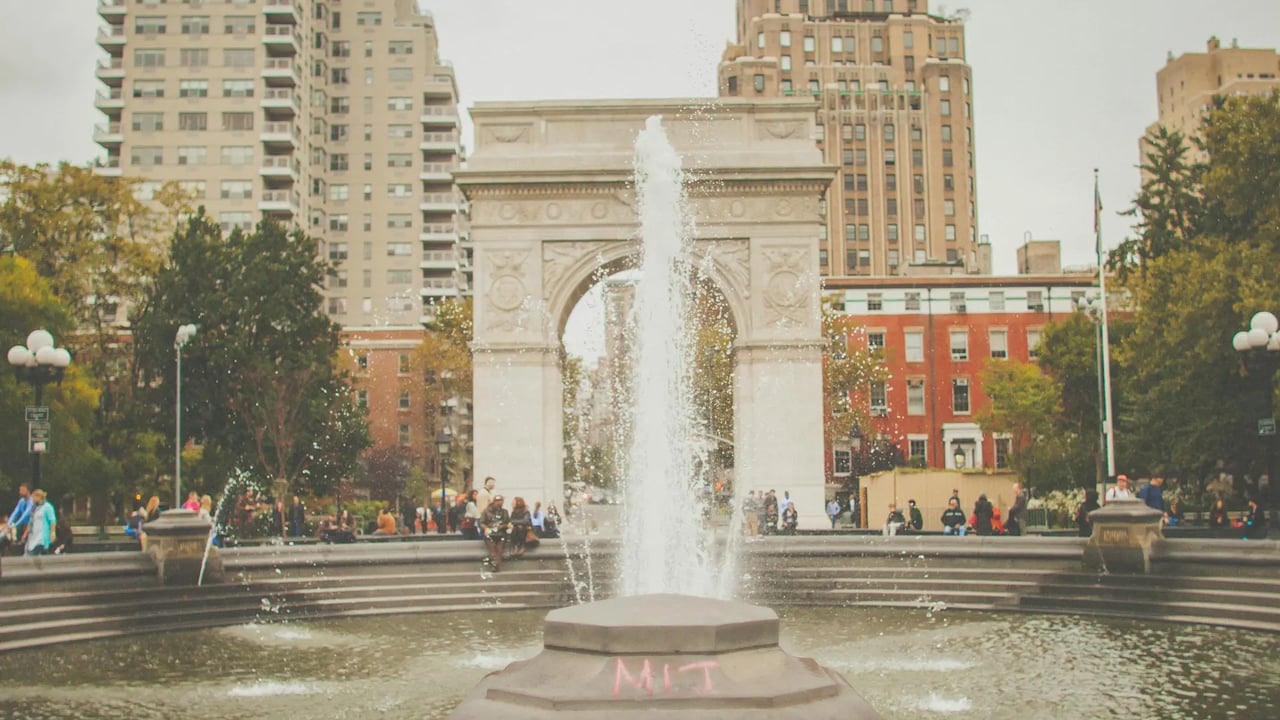
Why Green Space and Academic Influence Continue to Drive Demand in One of Manhattan's Most Desirable Neighborhoods
Neighborhood
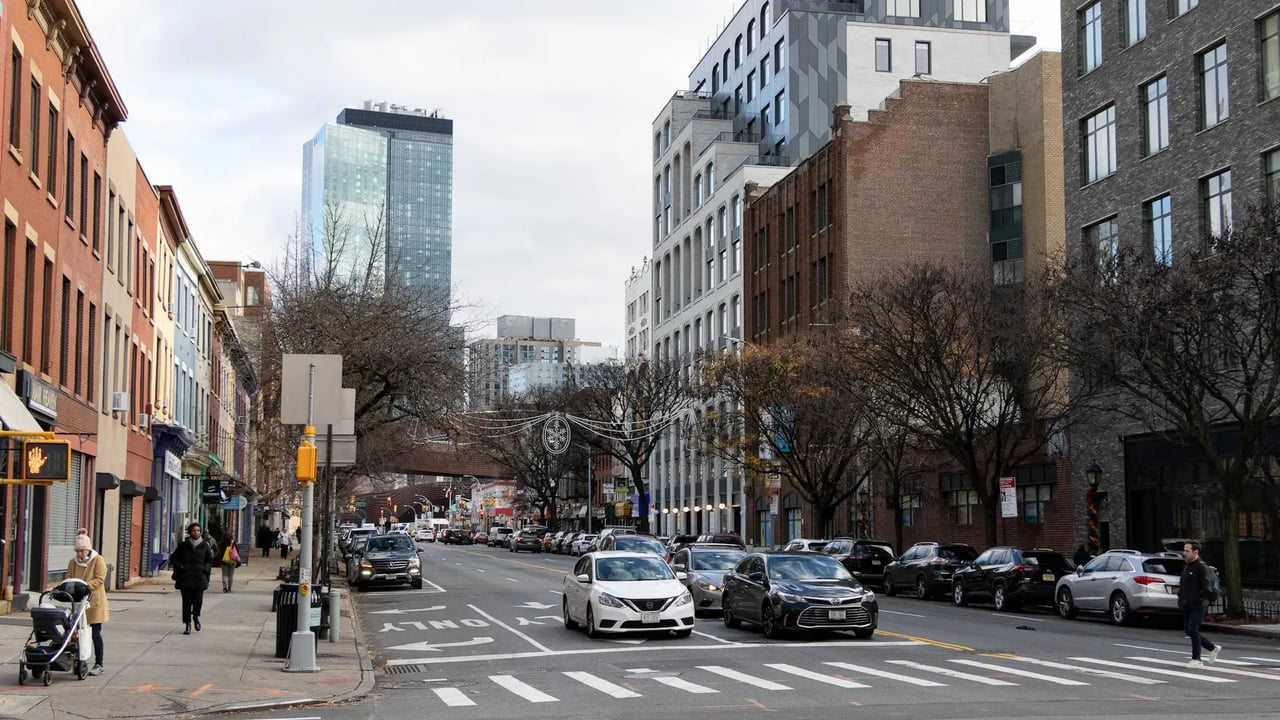
Why Retail Convenience Continues to Drive Housing Demand in One of Brooklyn's Most Desirable Neighborhoods

Neighborhood
How New Construction Is Reshaping One of Manhattan’s Most Competitive Residential Markets

Neighborhood
Why Landmark Protections Help Preserve Tribeca’s Unique Real Estate Identity

s
Why Manhattan’s Dining Culture Continues to Shape Luxury Living and Real Estate Demand

Neighborhood
Why Investors Continue Watching Manhattan’s Most Evolving Neighborhood
Neighborhood
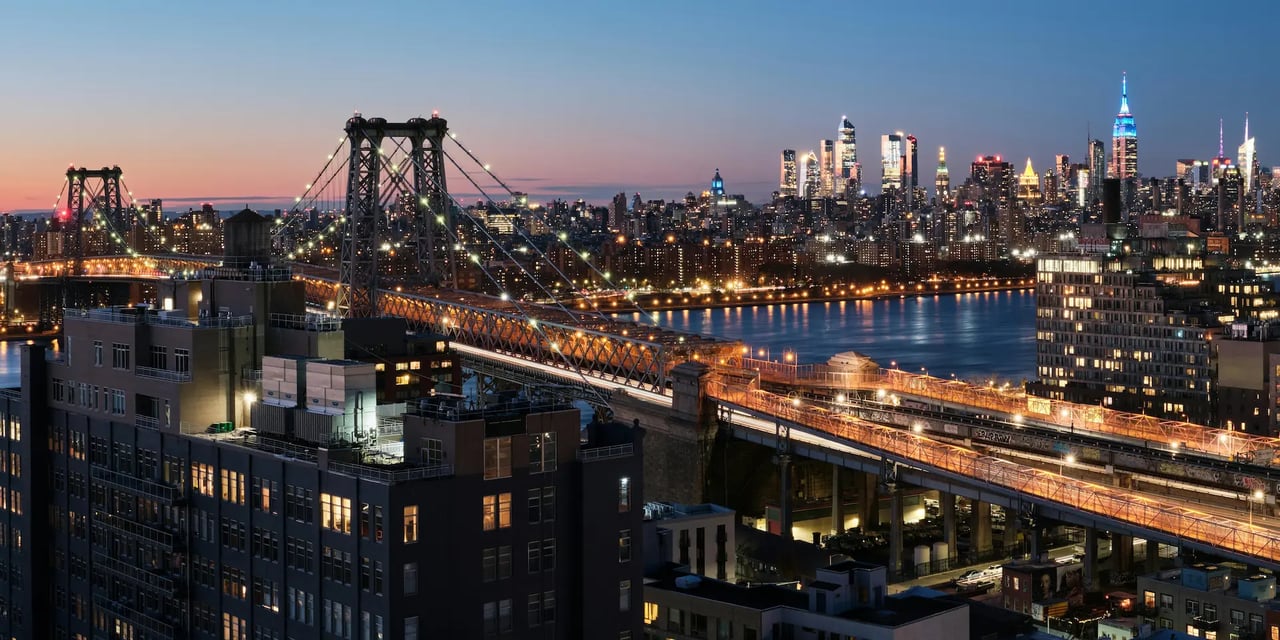
Why Investors Continue Targeting Brooklyn’s Most Competitive Neighborhood
Neighborhood
Why Hotels, Nightlife, and Cultural Energy Continue to Drive Housing Demand in Gramercy
Neighborhood
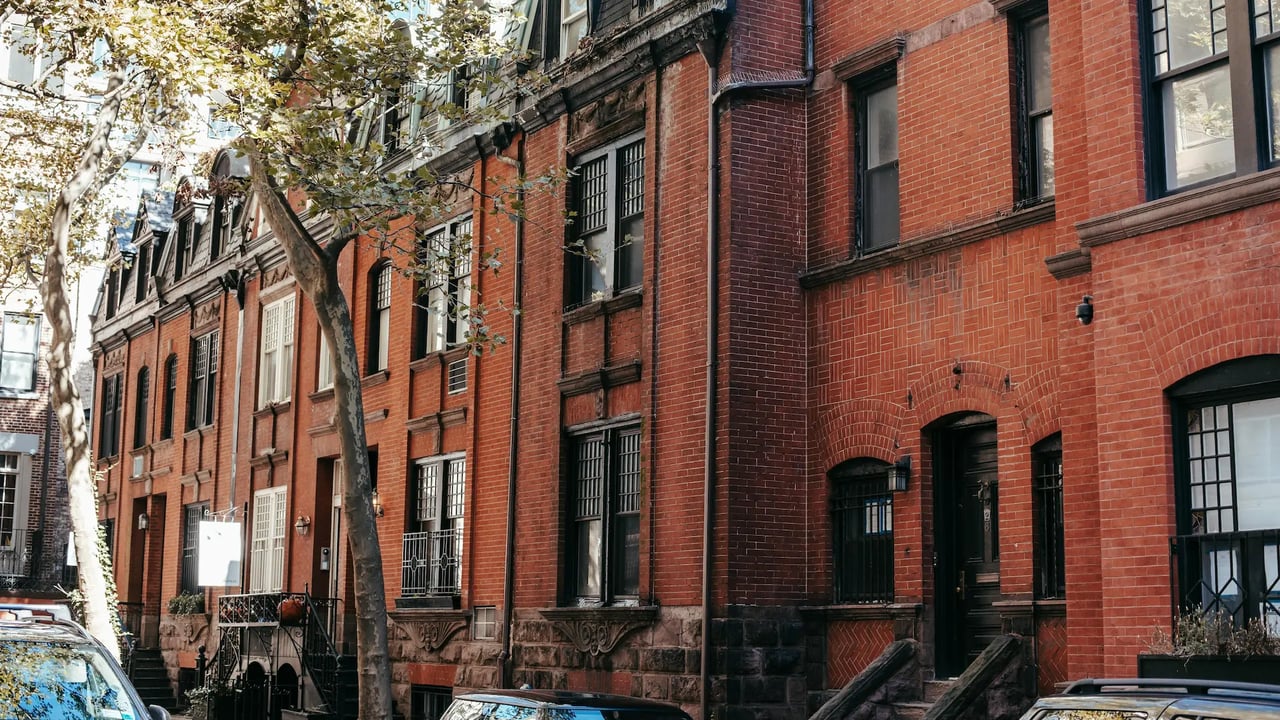
Understanding the Buying Process Behind One of Brooklyn’s Most Competitive Housing Markets
We love nothing more than helping buyers and sellers achieve their home-buying and selling goals. If you’ve got questions, we can’t wait to answer them.