SoHo Transportation Hub: Spring Street Station and Manhattan Connectivity
Neighborhood

Neighborhood
If you live in SoHo, you already know the neighborhood delivers on style, culture, and architecture. What many buyers overlook at first is how well connected it truly is. Beneath the cobblestone streets and cast iron facades sits one of downtown Manhattan’s most strategic commuter hubs.
At the center of it all is Spring Street Station, a critical transit anchor that makes daily movement across Manhattan effortless. For residents, this is not just convenience. It is a lifestyle advantage and a measurable real estate asset.
In New York City, transportation access is one of the strongest drivers of property value. In SoHo, it is one of the reasons the neighborhood remains resilient across market cycles.
Spring Street Station serves multiple subway lines, giving residents immediate access to both uptown and downtown corridors. From this single location, commuters can reach Midtown in minutes, access Lower Manhattan’s financial district quickly, or connect to Brooklyn with minimal transfers.
For buyers and renters alike, proximity to a reliable subway line is often non-negotiable. In SoHo, residents benefit from:
Direct access to major Manhattan business districts
Easy connections to Brooklyn neighborhoods like DUMBO and Williamsburg
Walkable transfers to nearby lines along Broadway and Sixth Avenue
Reduced reliance on taxis or rideshare services
Living within a few blocks of Spring Street Station can significantly shorten commute times. In a city where time is currency, that matters.
SoHo’s connectivity extends beyond a single subway entrance. Residents are also within walking distance of several major transportation corridors that intersect downtown Manhattan.
Nearby transit access includes:
The Broadway lines running north to Midtown and south toward the Financial District
Crosstown bus routes linking east and west sides of Manhattan
Close proximity to the West Side Highway for drivers
Easy access to PATH trains for commuters heading to New Jersey
This layered infrastructure makes SoHo one of the most navigable neighborhoods below 14th Street. Whether commuting daily or traveling occasionally, residents rarely feel limited by location.
Buyers consistently pay a premium for homes within a short walk of subway access. In dense Manhattan neighborhoods, a difference of two or three blocks can influence pricing and resale velocity.
Properties near Spring Street Station tend to benefit from:
Stronger rental demand from working professionals
Faster resale timelines compared to less connected areas
Higher long-term appreciation due to sustained commuter appeal
Reduced market vulnerability during slower cycles
For investors, transportation access provides a safety net. Even if broader market conditions soften, properties in highly connected neighborhoods remain attractive because they solve a practical need.
For end users, it simply makes life easier.
It is easy to talk about subway lines in numbers and routes. What truly matters is how transit access shapes daily routines.
Living near Spring Street Station means:
You can leave your apartment ten minutes before your train and still arrive on time.
Weekend plans across the city feel spontaneous rather than logistical.
Visiting friends in Brooklyn or Midtown does not require planning around traffic.
Airport connections via express trains become manageable instead of stressful.
In a fast-moving city like New York, reducing friction in your daily schedule creates measurable quality-of-life benefits.
SoHo residents often describe their neighborhood as a “central launch point.” Whether heading to a meeting in Midtown, dinner in the West Village, or a gallery opening in Chelsea, the transit network supports flexibility.
Transit convenience affects different buyers in different ways.
Young professionals value quick access to Midtown offices and coworking spaces. Being near Spring Street Station can reduce commute time by twenty to thirty minutes per day.
Families appreciate direct subway access to schools, parks, and medical facilities across Manhattan without long car rides.
International buyers and pied-à-terre owners prioritize neighborhoods where airport connections and cross-city travel are seamless.
Investors look for consistent tenant demand. Units within short walking distance of subway lines almost always rent faster than those that require longer walks.
In SoHo, the transportation infrastructure supports all four profiles at once.
Public transit works best in neighborhoods designed for pedestrians. SoHo excels here.
Residents can accomplish most daily errands on foot. Grocery stores, cafes, retail shops, gyms, and medical offices are all integrated into the streetscape. When combined with reliable subway access, this creates what many buyers describe as “true Manhattan efficiency.”
Unlike more residential neighborhoods that require a bus transfer or longer subway walk, SoHo’s grid supports fast transitions from home to train to destination.
Absolutely.
Even in the era of remote work, transit connectivity remains essential. Hybrid schedules still require commuting several days per week. Business travel has returned. Social mobility across boroughs continues to matter.
Neighborhoods with layered transit infrastructure consistently outperform less connected areas in:
Buyer pool size
Rental competitiveness
Liquidity during market shifts
Long-term stability
SoHo’s central downtown position, combined with Spring Street Station’s access, ensures the neighborhood remains strategically positioned within Manhattan’s transit map.
If you are evaluating SoHo real estate, transportation access should be part of your criteria. Not all blocks offer the same convenience. A difference of one avenue can impact your daily commute more than expected.
At Archpoint Advisory, we guide clients not only on architecture and pricing, but on connectivity. Understanding subway entrances, transfer routes, and walking distances can make a meaningful difference in both lifestyle and long-term value.
If you are considering a move to SoHo or exploring investment opportunities near Spring Street Station, we would be happy to walk you through available inventory and off-market options.
Reach out today to discuss which blocks offer the best balance of transit access, quiet living, and strong resale potential in one of Manhattan’s most iconic neighborhoods.
Stay up to date on the latest real estate trends.
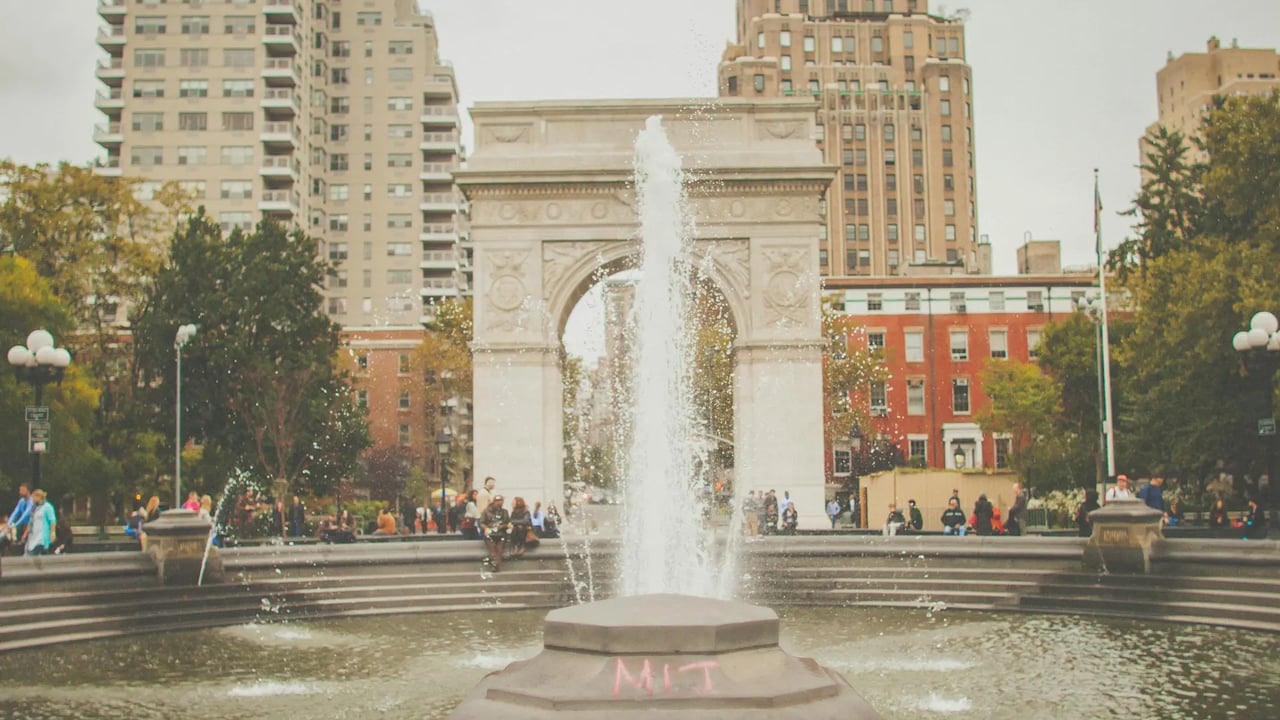
Neighborhood
Why Green Space and Academic Influence Continue to Drive Demand in One of Manhattan's Most Desirable Neighborhoods
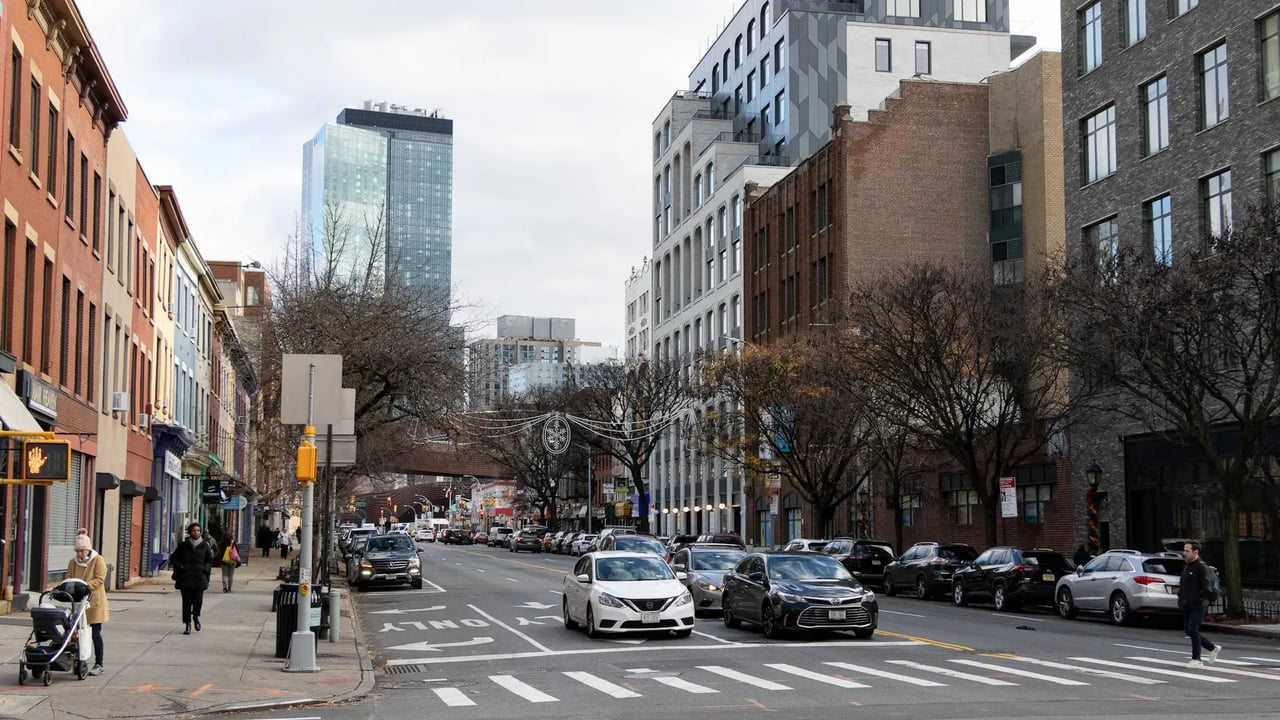
Neighborhood
Why Retail Convenience Continues to Drive Housing Demand in One of Brooklyn's Most Desirable Neighborhoods

Neighborhood
How New Construction Is Reshaping One of Manhattan’s Most Competitive Residential Markets
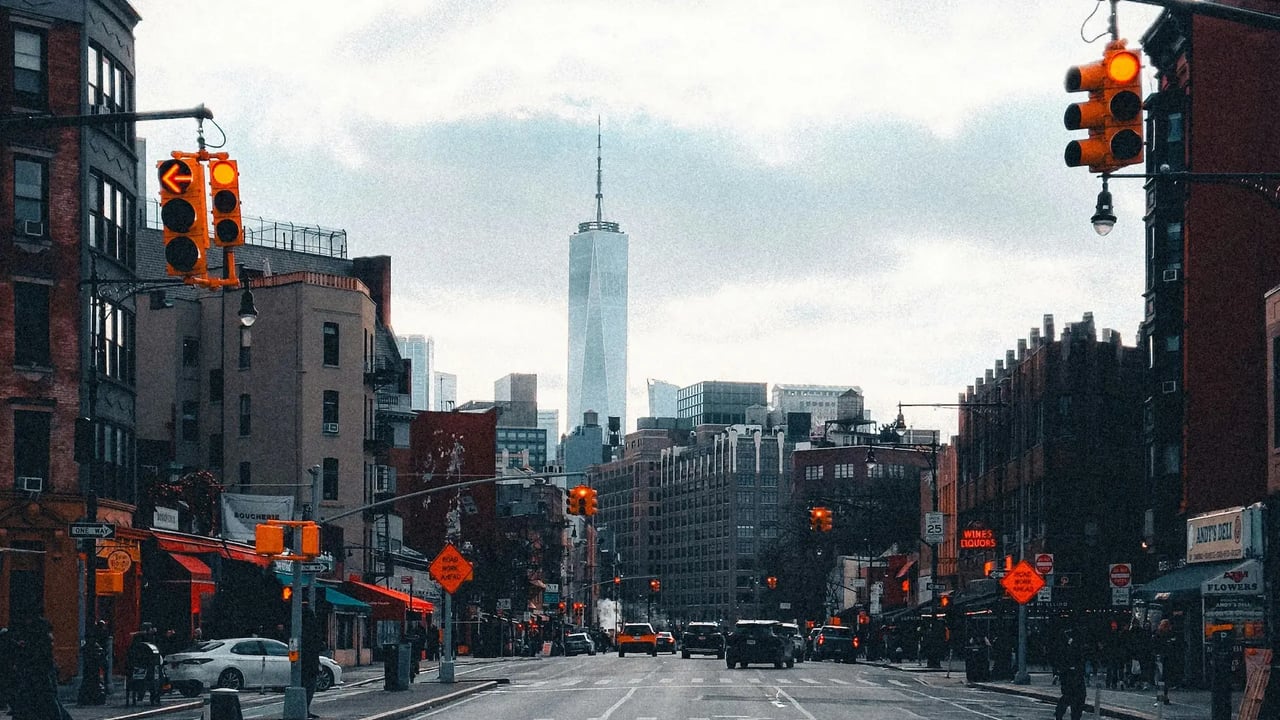
Neighborhood
Why Landmark Protections Help Preserve Tribeca’s Unique Real Estate Identity
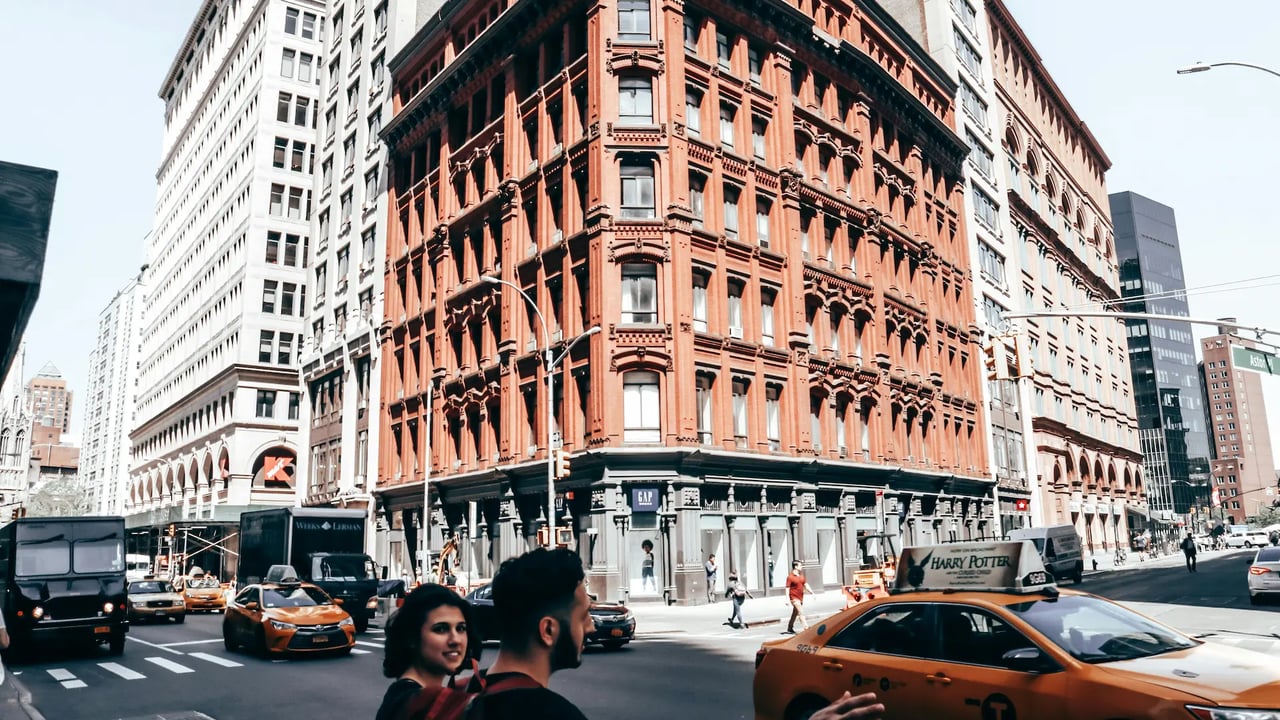
s
Why Manhattan’s Dining Culture Continues to Shape Luxury Living and Real Estate Demand

Neighborhood
Why Investors Continue Watching Manhattan’s Most Evolving Neighborhood
Neighborhood
Why Investors Continue Targeting Brooklyn’s Most Competitive Neighborhood
Neighborhood
Why Hotels, Nightlife, and Cultural Energy Continue to Drive Housing Demand in Gramercy
Neighborhood
Understanding the Buying Process Behind One of Brooklyn’s Most Competitive Housing Markets
We love nothing more than helping buyers and sellers achieve their home-buying and selling goals. If you’ve got questions, we can’t wait to answer them.