Historic Flatiron Buildings: Cast Iron Architecture and Modern Conversions
Neighborhood
Neighborhood
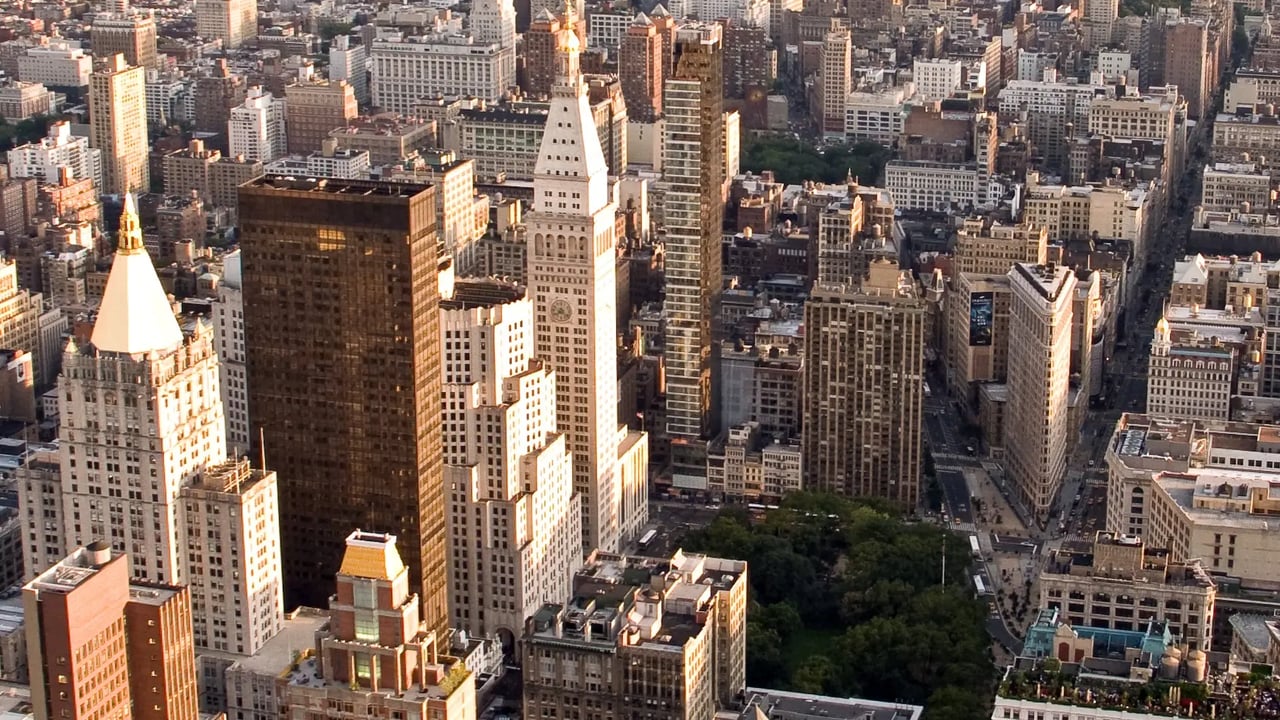
The Flatiron District is one of Manhattan’s most recognizable neighborhoods, defined not only by its iconic triangular Flatiron Building but also by rows of historic cast iron buildings that line its streets. These structures, many dating back to the late 19th century, combine architectural grandeur with the unique character that modern developers and buyers crave. For those interested in NYC real estate, understanding the history, preservation, and conversion of these buildings is essential.
Flatiron’s cast iron buildings were originally constructed to showcase decorative façades at a lower cost than stone or brick. Today, they are prized for their intricate detailing, high ceilings, and the opportunity to create loft-style residences that feel both timeless and contemporary. Owning or renting a loft in a landmarked building isn’t just about living in a home—it’s about becoming part of a neighborhood with a distinct architectural identity.
The neighborhood’s historic fabric is maintained through New York City’s landmark preservation programs, which protect the façades and character-defining features of these buildings. Some notable examples include:
The Flatiron Building – Completed in 1902, this triangular skyscraper is instantly recognizable and remains a symbol of architectural innovation.
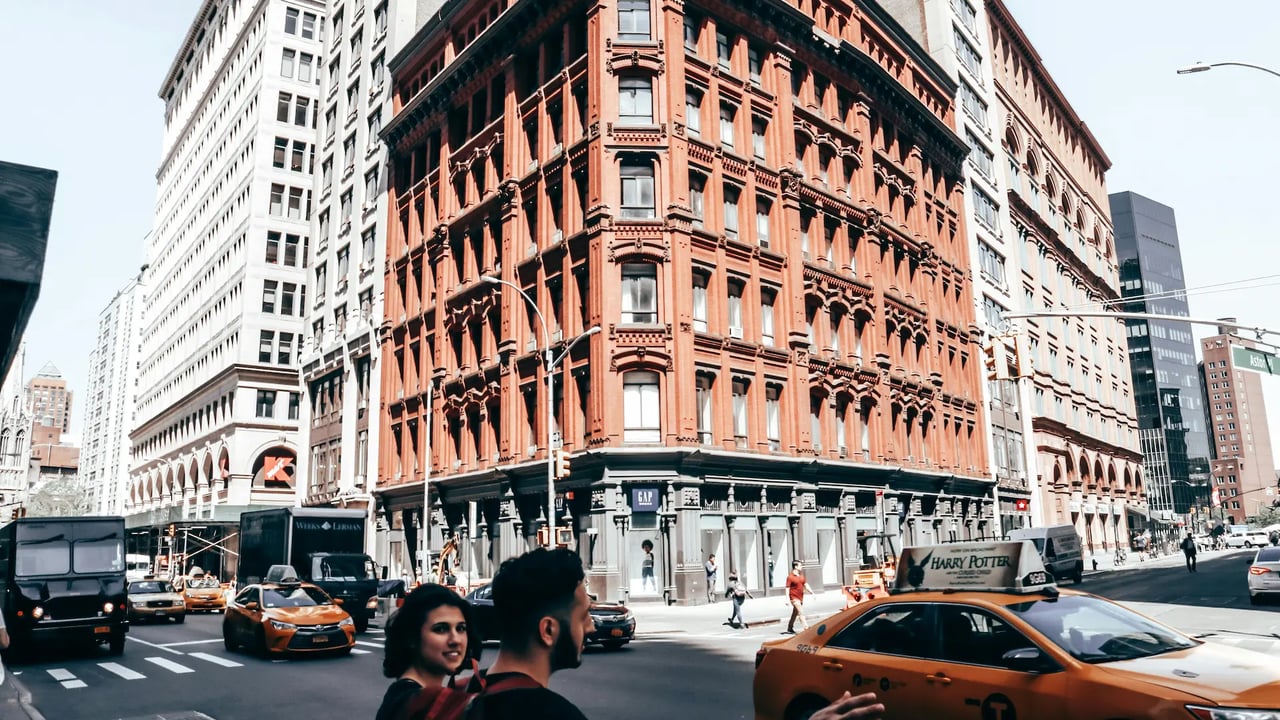
Cast Iron District Buildings on Broadway – Many five- to seven-story buildings showcase ornate cast iron columns and large windows, originally used for manufacturing and warehousing.
Madison Avenue & 23rd Street Lofts – These historic structures are prime examples of how industrial buildings can be reimagined for modern residential use.
These buildings are more than just pretty façades—they represent the industrial and commercial history of Manhattan, reflecting a period when the city was expanding upward while experimenting with new construction materials.
The charm of cast iron architecture goes beyond aesthetics. The material allowed architects to create elaborate façades quickly and at lower cost than stone. Key features that make these buildings desirable today include:
Decorative columns and pilasters – Many façades feature classical designs, intricate patterns, and ornamental cornices.
Large windows – Originally intended for factories and warehouses, the oversized windows now provide abundant natural light for loft-style living.
High ceilings and open floor plans – Industrial design elements translate perfectly to modern residential layouts, offering a sense of spaciousness uncommon in traditional NYC apartments.
Modern conversions often highlight these features, keeping exposed brick walls, original moldings, and wood beams intact while integrating modern kitchens, bathrooms, and energy-efficient systems. This careful balance of preservation and contemporary comfort is what makes Flatiron lofts stand out in the Manhattan market.
Investors and homeowners alike are drawn to loft conversions in Flatiron for several reasons:
Unique character – Each building tells its own story through architectural details that cannot be replicated in new construction.
Premium pricing potential – Lofts with historic features often command higher resale and rental values compared to generic luxury buildings.
Lifestyle appeal – Open layouts, abundant light, and central locations offer both functional living spaces and a creative, inspiring environment.
Many developers have embraced the concept of adaptive reuse, converting former industrial spaces into boutique condos, artist lofts, and office-live hybrid spaces. These properties attract professionals, creatives, and investors looking for residences with character and a prime Flatiron address.
Historic preservation in Flatiron is more than a cultural effort—it also affects real estate economics. Landmarked buildings come with restrictions on exterior changes but allow interiors to be modernized extensively. Buyers are often willing to pay a premium because they gain:
Protected architectural beauty – A façade that will remain historically intact for decades.
Status and prestige – Living in a recognized historic building enhances the cachet of an address.
Long-term value stability – Landmarked properties tend to retain value well, even during softer market periods, due to scarcity and cultural significance.
This combination of aesthetic appeal, exclusivity, and stability makes Flatiron historic buildings a sought-after segment for both homeowners and investors.
While historic cast iron buildings are the centerpiece, living in Flatiron offers more than just architectural charm. Residents enjoy:
Walkable streets – The neighborhood is full of restaurants, boutique shops, and cafes.
Proximity to parks – Madison Square Park and nearby green spaces provide outdoor recreation and scenic breaks from urban life.
Cultural hubs – Art galleries, theaters, and museums create a vibrant cultural atmosphere that attracts creative professionals.
These lifestyle benefits complement the character of historic buildings, making the Flatiron District a perfect example of how New York City neighborhoods combine past and present.
If you value design, history, and lifestyle convenience, a loft in a historic cast iron building can offer all three. Whether you are a first-time buyer, a seasoned investor, or someone seeking a boutique rental with character, Flatiron properties provide unique opportunities.
The key is working with experts who understand the neighborhood’s landmark regulations, the best conversion buildings, and off-market opportunities. At Archpoint Advisory, we specialize in helping clients navigate these historic properties, matching them with lofts that fit their lifestyle and investment goals.
Living in Flatiron is about more than owning property. It is about experiencing a piece of Manhattan’s architectural heritage while enjoying modern comfort. From cast iron façades to open loft layouts, these buildings offer a rare blend of history, design, and functionality that continues to attract discerning buyers.
If you are considering a Flatiron loft or historic building purchase, contact us today. Our team knows every landmarked property in the district and can help you secure the ideal loft with character, modern amenities, and a prime location.
Stay up to date on the latest real estate trends.
Neighborhood
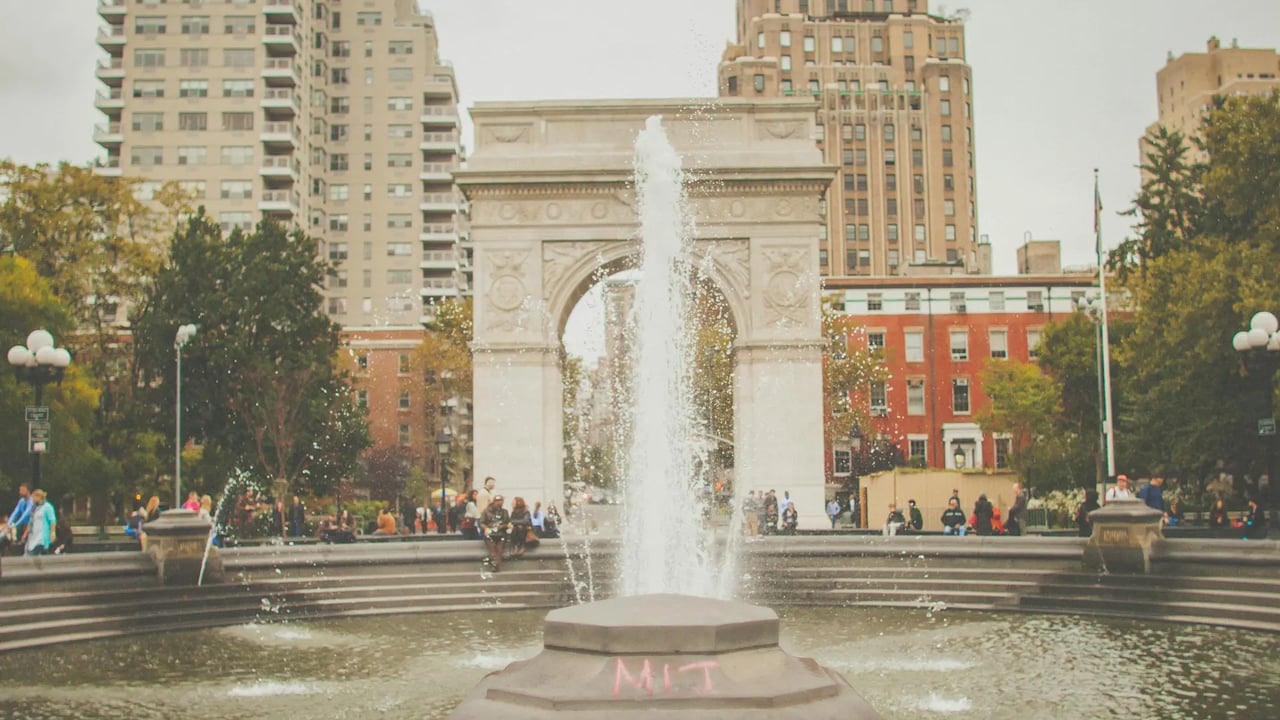
Why Green Space and Academic Influence Continue to Drive Demand in One of Manhattan's Most Desirable Neighborhoods
Neighborhood
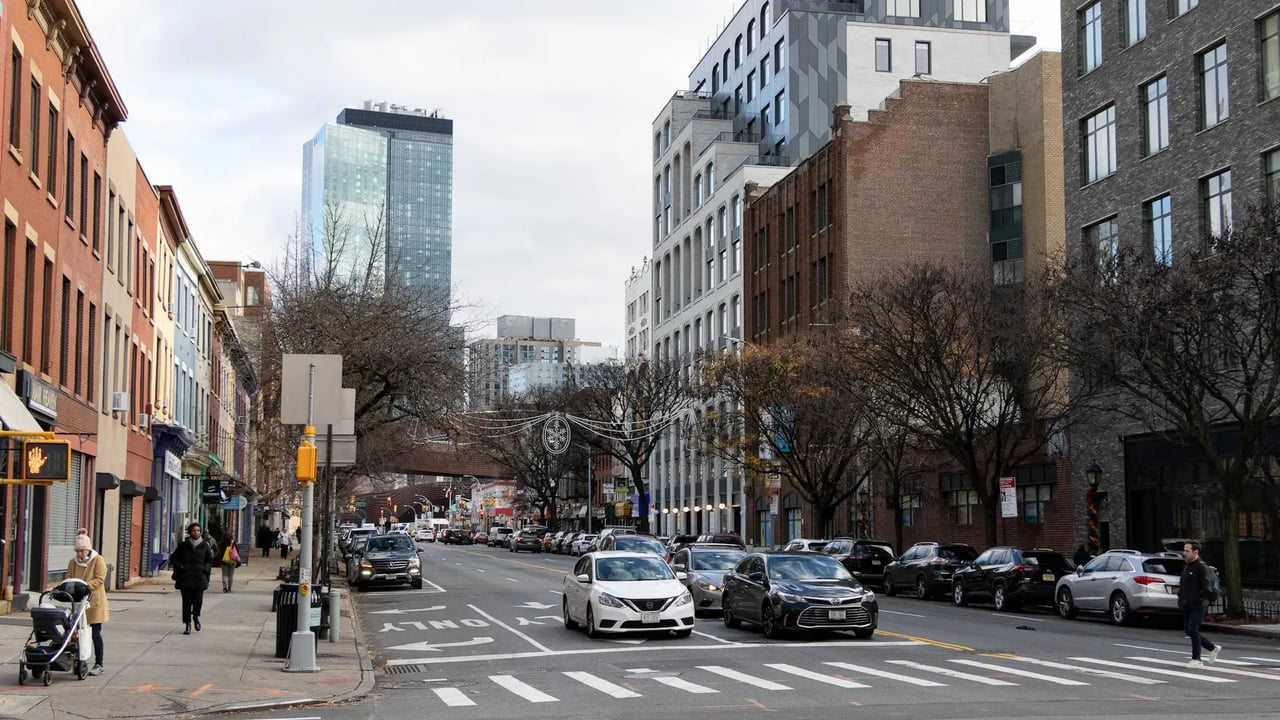
Why Retail Convenience Continues to Drive Housing Demand in One of Brooklyn's Most Desirable Neighborhoods
Neighborhood
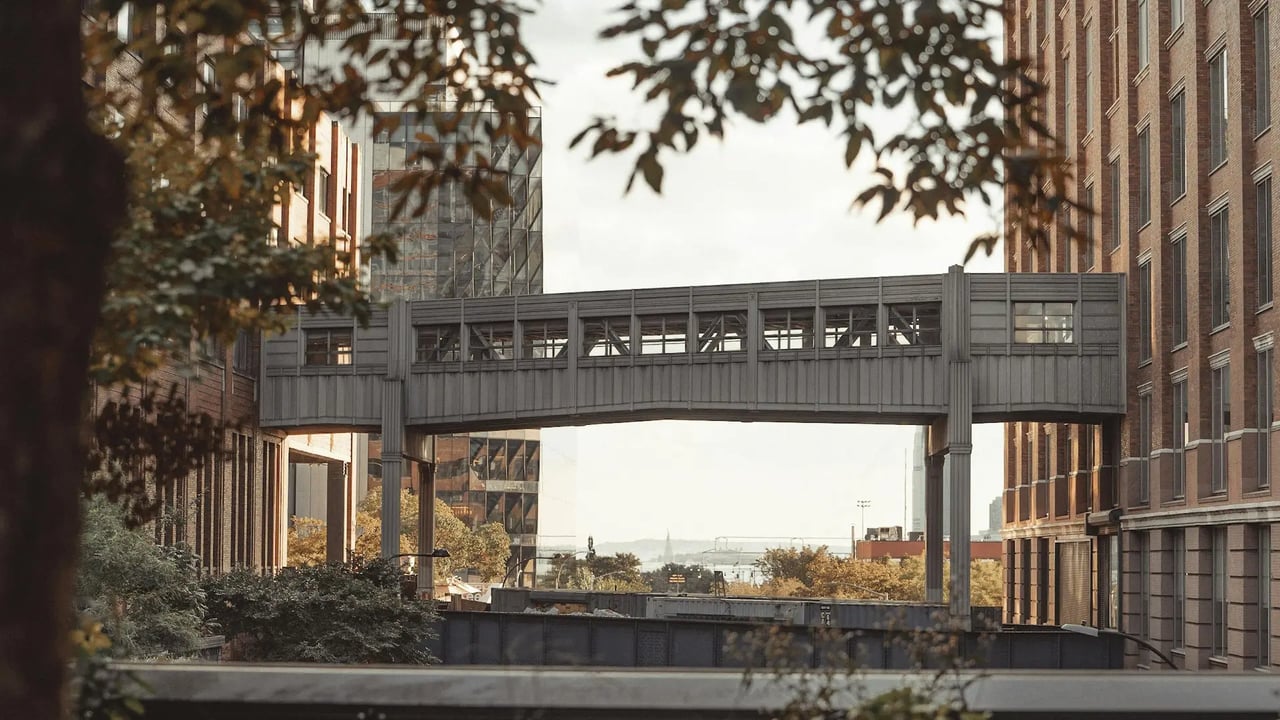
How New Construction Is Reshaping One of Manhattan’s Most Competitive Residential Markets

Neighborhood
Why Landmark Protections Help Preserve Tribeca’s Unique Real Estate Identity
s
Why Manhattan’s Dining Culture Continues to Shape Luxury Living and Real Estate Demand
Neighborhood
Why Investors Continue Watching Manhattan’s Most Evolving Neighborhood
Neighborhood
Why Investors Continue Targeting Brooklyn’s Most Competitive Neighborhood
Neighborhood
Why Hotels, Nightlife, and Cultural Energy Continue to Drive Housing Demand in Gramercy
Neighborhood
Understanding the Buying Process Behind One of Brooklyn’s Most Competitive Housing Markets
We love nothing more than helping buyers and sellers achieve their home-buying and selling goals. If you’ve got questions, we can’t wait to answer them.