Gramercy Investment Properties: Market Analysis and Appreciation Potential
Neighborhood

Neighborhood
Gramercy has always held a unique position in Manhattan real estate. It is quiet, historic, and tightly held by long-term owners who rarely sell. For investors, that combination creates both opportunity and limitation. Inventory is low, demand is steady, and pricing behavior is shaped as much by lifestyle appeal as it is by financial fundamentals.
Unlike faster-moving neighborhoods in Downtown Manhattan, Gramercy rewards a more strategic approach. Investors here are not chasing short-term flips. They are positioning for stability, rental resilience, and long-term appreciation in one of Manhattan’s most supply-constrained submarkets.
At first glance, Gramercy does not look like a high-yield rental hotspot. Rents are strong but not extreme, and building types vary widely from prewar co-ops to boutique condominiums. However, what makes the neighborhood attractive is its consistency.
Key investment drivers include:
Extremely limited housing turnover due to long-term ownership patterns
Strong demand from professionals working in Midtown and Downtown
Walkable access to Union Square, Flatiron, and East Village employment hubs
A stable residential identity with low volatility compared to trend-driven neighborhoods
Recent market data shows that Gramercy maintains steady pricing with median values in the mid-to-high seven figures depending on property type, with condos trading significantly higher than co-ops on a price-per-square-foot basis.
One of the most important decisions in Gramercy real estate investment is choosing between a co-op and a condo. This decision directly impacts rental flexibility, appreciation potential, and buyer liquidity.
Co-ops make up a large share of Gramercy’s housing stock. They often offer larger layouts at lower entry prices compared to condos. However, they come with stricter rules.
Typical co-op characteristics include:
Lower purchase price per square foot
Board approval process for buyers and tenants
Restrictions on subletting and rental duration
Lower monthly carrying costs in some cases
While co-ops can provide strong long-term value for end users, they tend to appreciate more slowly due to limited investor demand and tighter resale conditions. Studies of NYC housing trends consistently show co-ops lagging condos in appreciation over time due to structural restrictions and narrower buyer pools.
For investors, this means co-ops often function better as long-term holds rather than rental income generators.
Condos in Gramercy are more limited in supply but significantly more attractive for investors. They offer full ownership rights and fewer restrictions, which directly affects liquidity and rental potential.
Key advantages include:
Easier rental flexibility with fewer approval barriers
Broader buyer pool, including international investors
Faster resale timelines and higher liquidity
Stronger long-term appreciation trends compared to co-ops
Market data across Manhattan shows condos historically appreciating faster than co-ops, often averaging 5 to 7 percent annually in strong cycles, driven by investor demand and fewer ownership constraints.
In Gramercy specifically, condo scarcity increases this effect even further. Boutique developments and newer conversions near Irving Place and the East 20s tend to command premium pricing due to limited supply.
Gramercy is not a high-yield rental market like outer borough neighborhoods, but it is a highly stable one. Investors here typically see moderate but consistent returns supported by strong tenant demand.
Rental performance is driven by:
Professionals working in Midtown South and Union Square
Medical and academic tenants from nearby institutions
Long-term renters seeking quiet, central Manhattan living
Condos generally outperform co-ops in rental income potential due to fewer restrictions and easier leasing approvals. Co-ops often require board consent or impose minimum ownership periods before renting, which limits income flexibility.
In practice, investors in Gramercy prioritize occupancy stability and tenant quality over maximizing short-term yield.
Gramercy has one of the most stable appreciation profiles in Manhattan. It does not experience extreme spikes like Hudson Yards or volatility like emerging Brooklyn neighborhoods. Instead, it builds value gradually over time.
Key appreciation drivers include:
Historic preservation and limited new development
High percentage of owner-occupied buildings
Consistent demand from high-income professionals
Scarcity of available listings at any given time
Recent market analysis shows Gramercy condo values consistently outperform co-ops over time, primarily due to stronger resale demand and fewer transaction barriers. Co-ops still hold value well, but they typically move at a slower appreciation rate due to structural limitations in financing and resale flexibility.
Looking ahead, Gramercy remains a strong long-term hold market rather than a rapid growth play. Several trends are shaping its future:
Continued scarcity of developable land limits new inventory
Rising demand for centrally located, walkable neighborhoods
Shift toward quality-of-life driven purchasing decisions
Increased investor focus on stable rental markets rather than speculative growth
While broader Manhattan real estate cycles will always influence pricing, Gramercy’s stability acts as a buffer during downturns and a steady growth engine during expansions.
Gramercy is best suited for investors who prioritize preservation and steady appreciation over aggressive short-term gains. It works especially well for those seeking:
Long-term capital growth in a stable Manhattan submarket
Condominium assets with rental flexibility
Portfolio diversification through low-volatility real estate
Reliable tenant demand without extreme vacancy risk
Co-ops may appeal to value-focused buyers, but condos are the stronger choice for investors focused on liquidity, appreciation, and rental income.
At Archpoint Advisory, we often position Gramercy as a “quiet strength” market. It may not generate headlines, but it consistently delivers long-term value for disciplined investors who understand its structure.
Stay up to date on the latest real estate trends.
Neighborhood
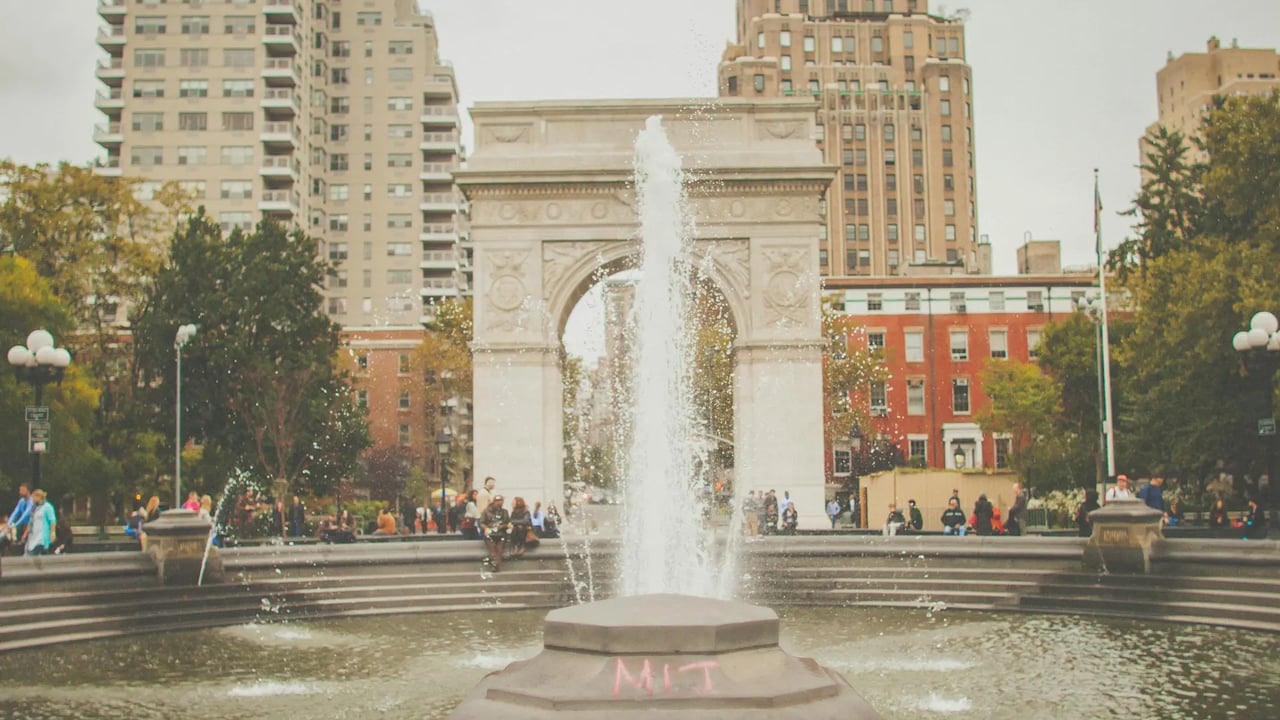
Why Green Space and Academic Influence Continue to Drive Demand in One of Manhattan's Most Desirable Neighborhoods
Neighborhood
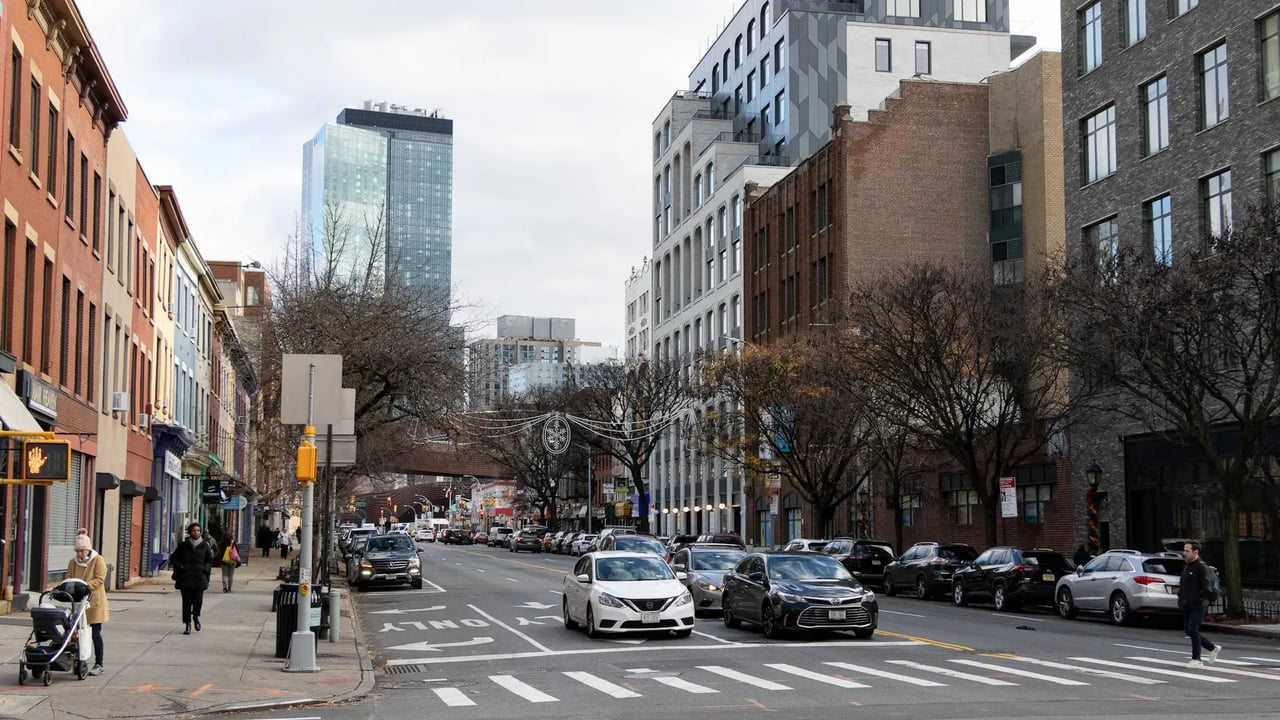
Why Retail Convenience Continues to Drive Housing Demand in One of Brooklyn's Most Desirable Neighborhoods

Neighborhood
How New Construction Is Reshaping One of Manhattan’s Most Competitive Residential Markets

Neighborhood
Why Landmark Protections Help Preserve Tribeca’s Unique Real Estate Identity
s
Why Manhattan’s Dining Culture Continues to Shape Luxury Living and Real Estate Demand
Neighborhood
Why Investors Continue Watching Manhattan’s Most Evolving Neighborhood
Neighborhood
Why Investors Continue Targeting Brooklyn’s Most Competitive Neighborhood
Neighborhood
Why Hotels, Nightlife, and Cultural Energy Continue to Drive Housing Demand in Gramercy
Neighborhood
Understanding the Buying Process Behind One of Brooklyn’s Most Competitive Housing Markets
We love nothing more than helping buyers and sellers achieve their home-buying and selling goals. If you’ve got questions, we can’t wait to answer them.