West Village Co-op Market: Historic Building Conversions and Board Requirements
Neighborhood
Neighborhood
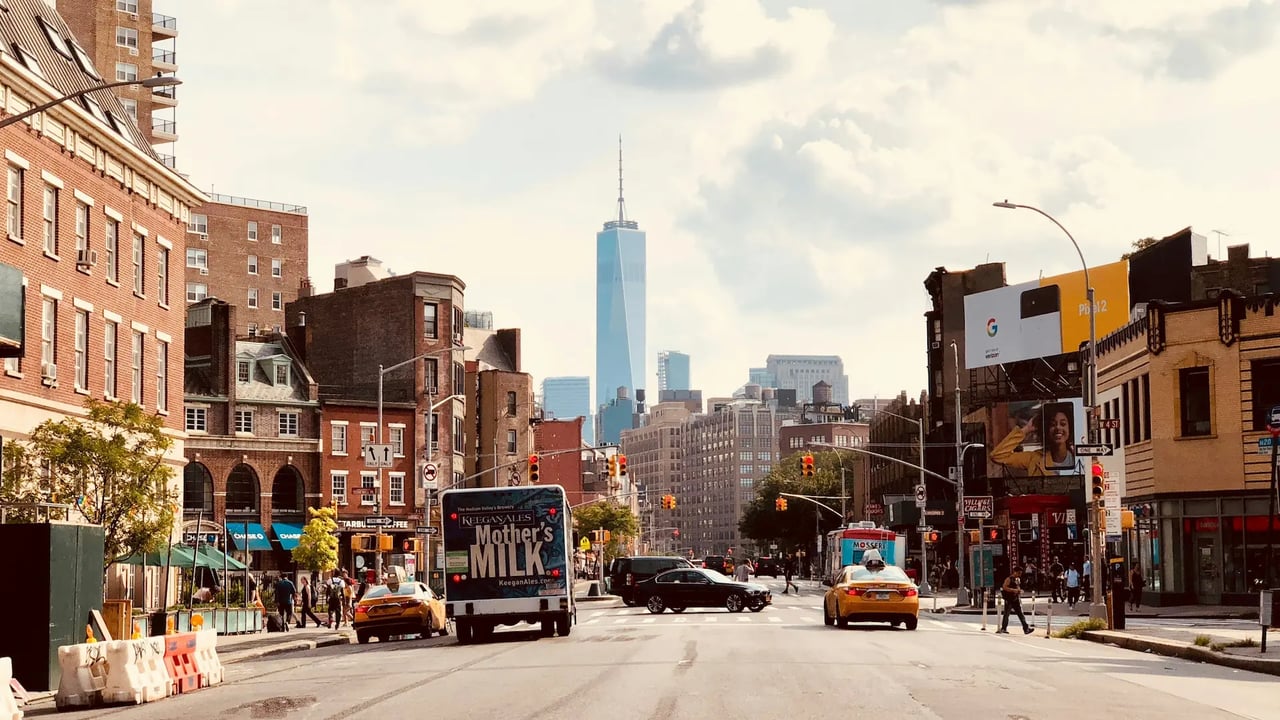
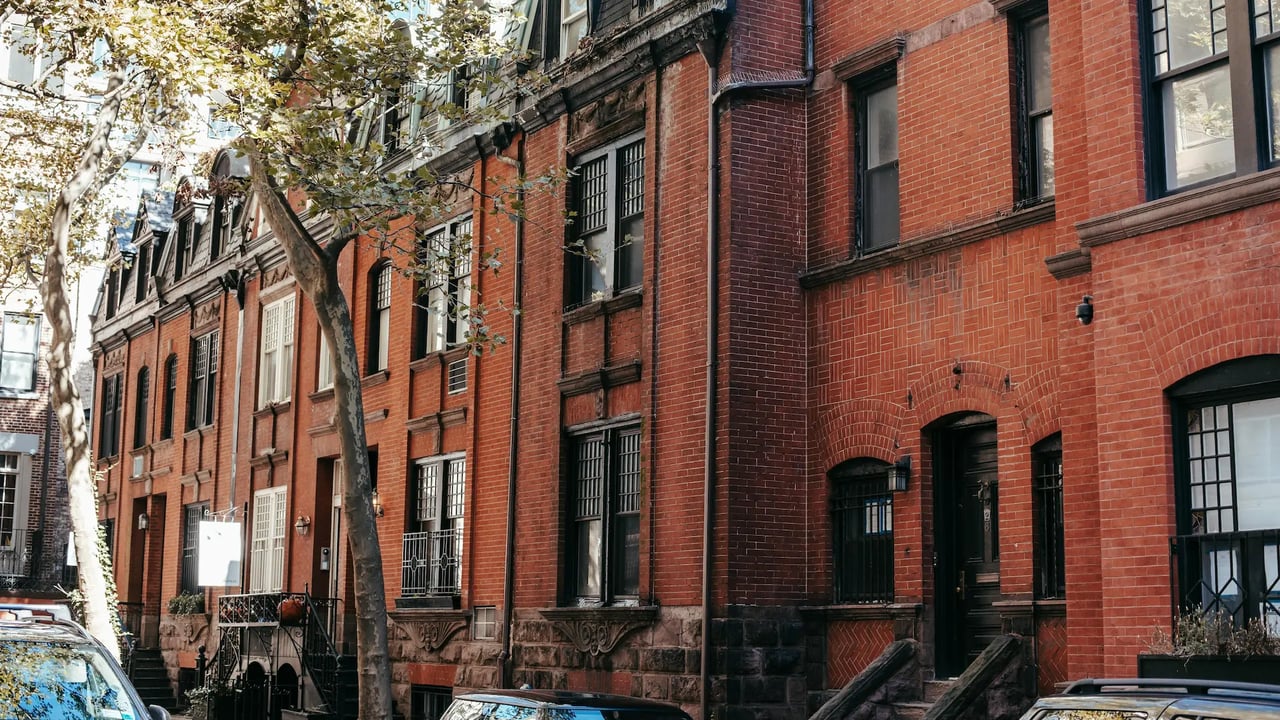
The West Village is one of Manhattan’s most sought-after neighborhoods, known for its tree-lined streets, prewar charm, and a sense of character that feels preserved in time. Unlike other parts of downtown where glass towers dominate the skyline, the West Village remains defined by low-rise buildings and historic conversions. That architectural identity plays a major role in shaping the local real estate market.
If you are looking to buy in the West Village, one reality stands out quickly. Co-ops are the dominant property type. Understanding how they work, how these buildings came to be, and what boards expect from buyers is essential before entering the market.
The majority of residential buildings in the West Village were constructed in the late 19th and early 20th centuries. Many began as rental apartment houses, townhomes, or industrial loft spaces. Over time, these properties were converted into cooperative housing, especially during the mid-20th century when co-op ownership became a popular structure across New York City.
Today, that history defines the market.
Instead of large-scale condo developments, the West Village offers:
Prewar walk-up buildings with detailed facades and smaller unit counts
Former rental properties converted into co-ops with long-standing ownership structures
Boutique elevator buildings with classic layouts and limited inventory
Historic townhouses divided into unique co-op residences
Because new development is extremely limited due to zoning and preservation rules, co-ops continue to make up the majority of available inventory. For buyers, this means adapting to a different purchasing process compared to condos.
One of the biggest reasons buyers are drawn to West Village co-ops is the character that comes with historic buildings. These homes often feature details that are difficult to replicate in modern construction.
You will often find:
Original hardwood floors and moldings
High ceilings and oversized windows
Unique layouts that reflect the building’s original use
Architectural details that add personality and warmth
Each building tells a story. A former artist loft may have wide-open living space, while a converted townhouse may offer a more intimate, multi-level layout. This variety gives the West Village a sense of individuality that stands apart from more uniform condo developments in other neighborhoods.
Buying a co-op in New York City is fundamentally different from buying a condo. Instead of owning real property, you are purchasing shares in a corporation that owns the building. Those shares are tied to a specific apartment, along with a proprietary lease that grants you the right to occupy it.
This structure creates a more community-focused ownership model, but it also introduces additional layers of review and approval.
One of the most important aspects of buying in the West Village is passing the co-op board review. Each building has its own standards, but there are common expectations across most properties.
Buyers should be prepared for:
Strong financials — Boards typically require a solid income-to-debt ratio and significant post-closing liquidity
Extensive documentation — Tax returns, bank statements, employment verification, and reference letters are standard
Purchase limits — Some buildings restrict financing and expect higher down payments, often 20 to 30 percent or more
Interview process — Many boards require an in-person or virtual interview before granting approval
The goal of the board is to protect the financial stability and culture of the building. This can make the process feel selective, but it also helps maintain long-term property values.
Purchasing a co-op in the West Village involves several stages beyond the typical real estate transaction. Understanding the flow can help reduce surprises.
Here is what buyers can expect:
Submit an offer and negotiate terms with the seller
Complete initial financial review with your agent and lender
Prepare a detailed board application package
Submit the application for review
Wait for board approval and schedule an interview if required
Receive final approval and proceed to closing
The timeline is usually longer than a condo purchase. It is common for co-op transactions to take 60 to 90 days or more from accepted offer to closing.
While the West Village co-op market offers charm and long-term value, it also comes with challenges that buyers need to plan for.
Strict financial requirements can limit flexibility
Longer timelines require patience and organization
Limited inventory means increased competition
Board decisions can be unpredictable
Working with an experienced real estate team is critical in navigating these hurdles. Preparation and strong financial positioning can make a significant difference in securing approval.
Despite the added complexity, demand for West Village co-ops remains consistently strong. Buyers are drawn to the neighborhood for reasons that go beyond the transaction process.
The area offers a rare combination of privacy and community
Streets feel quieter and more residential compared to nearby downtown hubs
Historic charm continues to attract long-term homeowners
Properties tend to hold value due to limited supply and high demand
For many buyers, the effort required to pass a co-op board is worth it. Once approved, they gain access to one of the most iconic and stable residential markets in Manhattan.
Navigating the co-op market requires more than just finding the right apartment. It requires strategy, preparation, and a clear understanding of how each building operates.
At Archpoint Advisory, we guide buyers through every step of the co-op process, from identifying the right opportunities to preparing strong board applications that stand out.
If you are considering a purchase in the West Village, we can help you move forward with confidence and clarity.
Reach out today to explore available listings and start your co-op buying journey in one of New York City’s most timeless neighborhoods.
Stay up to date on the latest real estate trends.
Neighborhood
Why Green Space and Academic Influence Continue to Drive Demand in One of Manhattan's Most Desirable Neighborhoods
Neighborhood
Why Retail Convenience Continues to Drive Housing Demand in One of Brooklyn's Most Desirable Neighborhoods
Neighborhood
How New Construction Is Reshaping One of Manhattan’s Most Competitive Residential Markets

Neighborhood
Why Landmark Protections Help Preserve Tribeca’s Unique Real Estate Identity
s
Why Manhattan’s Dining Culture Continues to Shape Luxury Living and Real Estate Demand
Neighborhood
Why Investors Continue Watching Manhattan’s Most Evolving Neighborhood
Neighborhood
Why Investors Continue Targeting Brooklyn’s Most Competitive Neighborhood
Neighborhood
Why Hotels, Nightlife, and Cultural Energy Continue to Drive Housing Demand in Gramercy
Neighborhood
Understanding the Buying Process Behind One of Brooklyn’s Most Competitive Housing Markets
We love nothing more than helping buyers and sellers achieve their home-buying and selling goals. If you’ve got questions, we can’t wait to answer them.