East Village Investment Properties: Emerging Market and Gentrification Trends
Neighborhood

Neighborhood
URL structure: https://archpointadvisory.com/blog/east-village-investment-properties-gentrification-trends
Meta-title: East Village Investment Trends | Archpoint Advisory
Meta-description: Explore East Village investment opportunities, rising property values, and how gentrification continues shaping this high-demand Manhattan market.
For years, the East Village was viewed as downtown Manhattan’s creative, rebellious corner. It was known for dive bars, music venues, student apartments, and an energy that felt completely different from the polished luxury of Uptown. Today, while the neighborhood still holds onto much of that personality, the real estate market tells a very different story.
The East Village has quietly become one of Manhattan’s most interesting long-term investment plays. Investors looking for appreciation potential, strong rental demand, and neighborhood transformation are increasingly focusing on this part of downtown. Rising retail quality, new development activity, and lifestyle-driven demand are reshaping the market block by block.
Unlike already-mature luxury neighborhoods where pricing has largely stabilized, the East Village still offers what many investors want most: room for future growth.
One of the biggest advantages of investing in the East Village is that the neighborhood remains in transition. While prices have climbed significantly over the past decade, many areas continue evolving, especially along Avenue D and portions closer to Alphabet City.
Investors are drawn to neighborhoods where lifestyle improvements arrive before prices fully catch up. The East Village continues checking many of those boxes.
Several factors are driving appreciation:
Renovated retail corridors and stronger restaurant activity
Increasing demand from remote professionals and younger buyers
Limited new inventory compared to neighborhoods like Long Island City
Continued migration from higher-priced downtown areas like SoHo and Tribeca
Strong rental demand from NYU students, medical professionals, and tech workers
As buyers become priced out of nearby prime neighborhoods, the East Village continues benefiting from what agents often call the “downtown spillover effect.”
The East Village has experienced one of Manhattan’s most visible transformations over the past twenty years. Formerly overlooked blocks now feature boutique cafés, wellness studios, cocktail bars, and modern condominium developments.
That transition has created a layered market where older walk-up buildings sit beside luxury residences with rooftop lounges and concierge service.
Areas once considered secondary are now attracting serious investor attention because of:
Streetscape improvements
Increased safety perception
Expanding retail diversity
Better tenant demographics
Rising average household income
At the same time, the neighborhood still feels authentic compared to parts of Manhattan that have become overly polished. That balance is part of the appeal. Investors recognize that people still want character and culture, especially younger renters who prioritize experience-driven neighborhoods over purely luxury environments.
One reason investors continue targeting the East Village is simple: vacancy risk remains relatively low compared to many other Manhattan submarkets.
The neighborhood attracts a wide mix of renters, including:
NYU and Cooper Union students
Young finance and tech professionals
Medical workers connected to NYU Langone
Creative industry employees
International renters seeking downtown lifestyle access
Because of that broad tenant pool, apartments often lease quickly, particularly renovated one-bedroom and two-bedroom units.
Smaller apartments in walk-up buildings continue performing well because many renters prioritize location over square footage. Being able to walk to restaurants, nightlife, parks, and subway lines remains a major selling point.
Investors also benefit from consistent year-round rental activity rather than highly seasonal leasing cycles.
The East Village offers a diverse mix of investment opportunities depending on budget and risk tolerance.
Many first-time investors focus on:
Prewar walk-up condos and co-ops
Smaller one-bedroom units with renovation potential
Flexible pied-à-terre properties
Mixed-use buildings with retail income
Higher-end investors are increasingly targeting boutique condominium developments, particularly buildings with outdoor space and modern amenities.
There has also been growing interest in value-add opportunities. Some investors purchase older apartments that need cosmetic upgrades, then reposition them for higher-end renters or future resale.
Unlike newer luxury-heavy neighborhoods, the East Village still offers opportunities where strategic renovations can meaningfully increase property value.
The modern Manhattan buyer is no longer focused only on prestige addresses. Walkability, neighborhood personality, and lifestyle convenience have become major drivers of value.
The East Village performs especially well in those categories.
Residents have immediate access to:
Tompkins Square Park
Independent coffee shops and restaurants
Downtown fitness studios
Music venues and nightlife
Multiple subway connections
Lower East Side and Union Square access within minutes
That lifestyle appeal continues attracting buyers who want an active neighborhood environment rather than a purely residential atmosphere.
For investors, this matters because emotional demand often supports pricing power even during slower market cycles.
Like any transitioning market, the East Village comes with considerations investors should evaluate carefully.
Older buildings may require more maintenance, especially prewar walk-ups. Some co-op boards maintain stricter financial requirements. Investors should also understand zoning limitations and rent stabilization regulations before purchasing multi-unit assets.
However, many experienced NYC investors view these complexities as part of the opportunity. Markets with friction often create pricing inefficiencies that can benefit informed buyers.
The key is working with advisors who understand the micro-neighborhood differences between blocks, building types, and long-term growth patterns.
The East Village sits in a unique position within Manhattan real estate. It combines downtown energy, cultural identity, strong rental fundamentals, and ongoing neighborhood evolution. Few areas still offer that combination at scale.
For investors focused on long-term appreciation, the neighborhood represents something increasingly rare in Manhattan: a market that still feels like it has another chapter ahead.
As demand for lifestyle-driven living continues growing, properties in the East Village are well positioned to benefit from both emotional buyer appeal and strong financial fundamentals.
At Archpoint Advisory, we help investors identify opportunities across Manhattan’s evolving neighborhoods, including off-market and value-add properties throughout the East Village.
If you are exploring investment opportunities with appreciation potential, now is an excellent time to take a closer look at one of downtown Manhattan’s most dynamic real estate markets.
Stay up to date on the latest real estate trends.
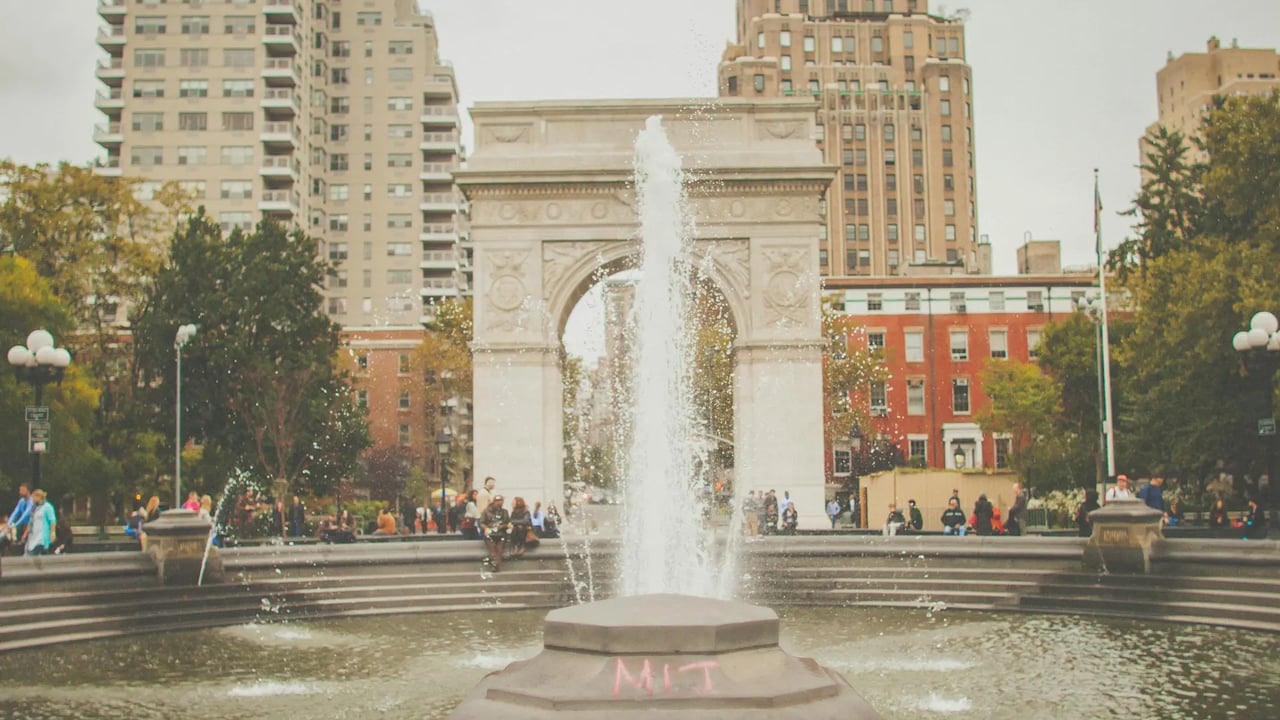
Neighborhood
Why Green Space and Academic Influence Continue to Drive Demand in One of Manhattan's Most Desirable Neighborhoods
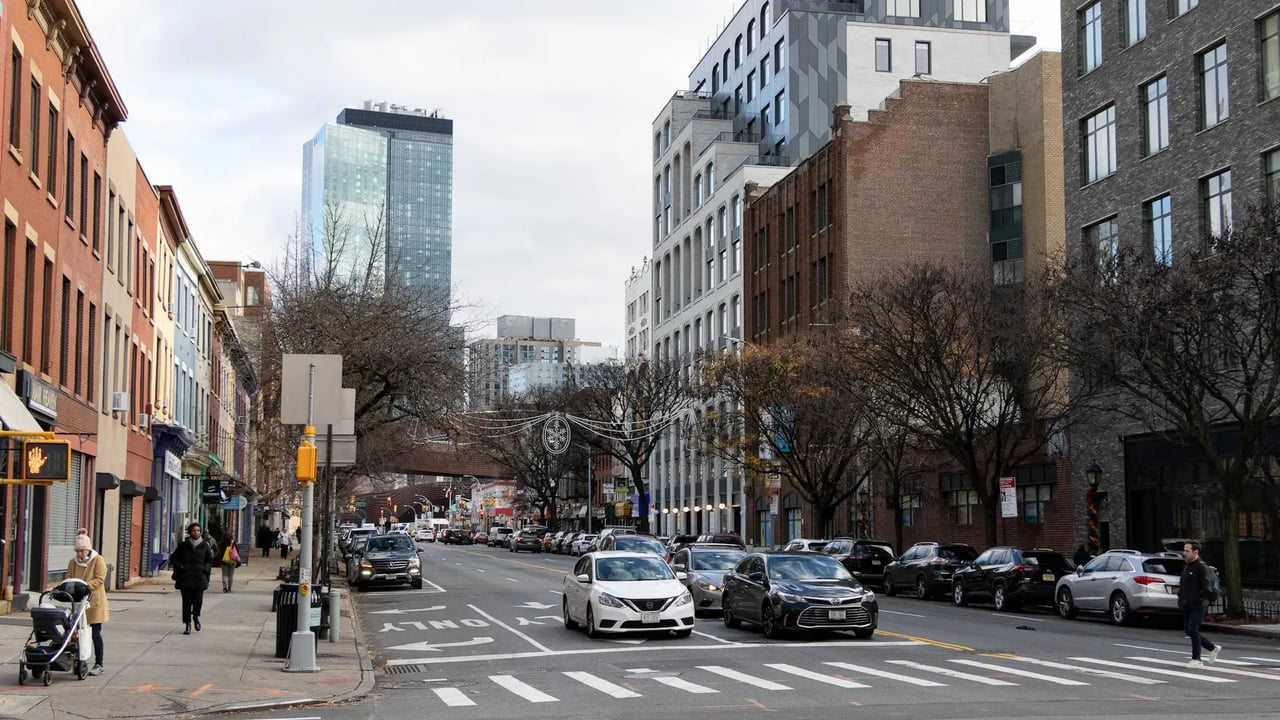
Neighborhood
Why Retail Convenience Continues to Drive Housing Demand in One of Brooklyn's Most Desirable Neighborhoods

Neighborhood
How New Construction Is Reshaping One of Manhattan’s Most Competitive Residential Markets

Neighborhood
Why Landmark Protections Help Preserve Tribeca’s Unique Real Estate Identity

s
Why Manhattan’s Dining Culture Continues to Shape Luxury Living and Real Estate Demand
Neighborhood
Why Investors Continue Watching Manhattan’s Most Evolving Neighborhood
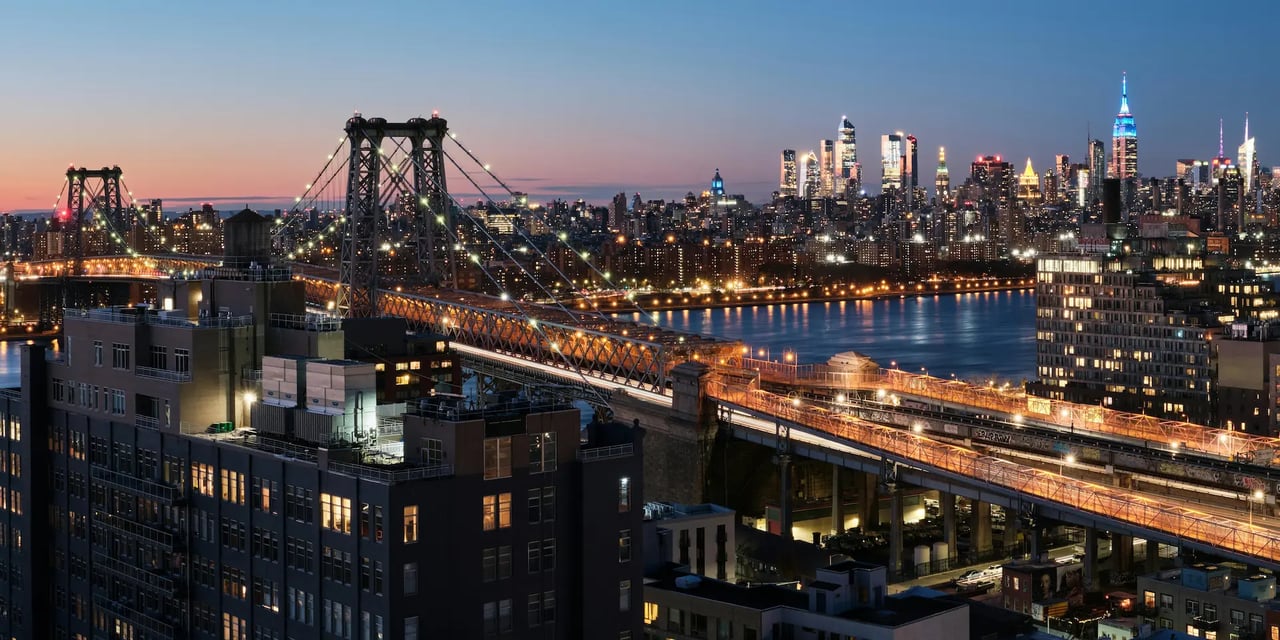
Neighborhood
Why Investors Continue Targeting Brooklyn’s Most Competitive Neighborhood
Neighborhood
Why Hotels, Nightlife, and Cultural Energy Continue to Drive Housing Demand in Gramercy
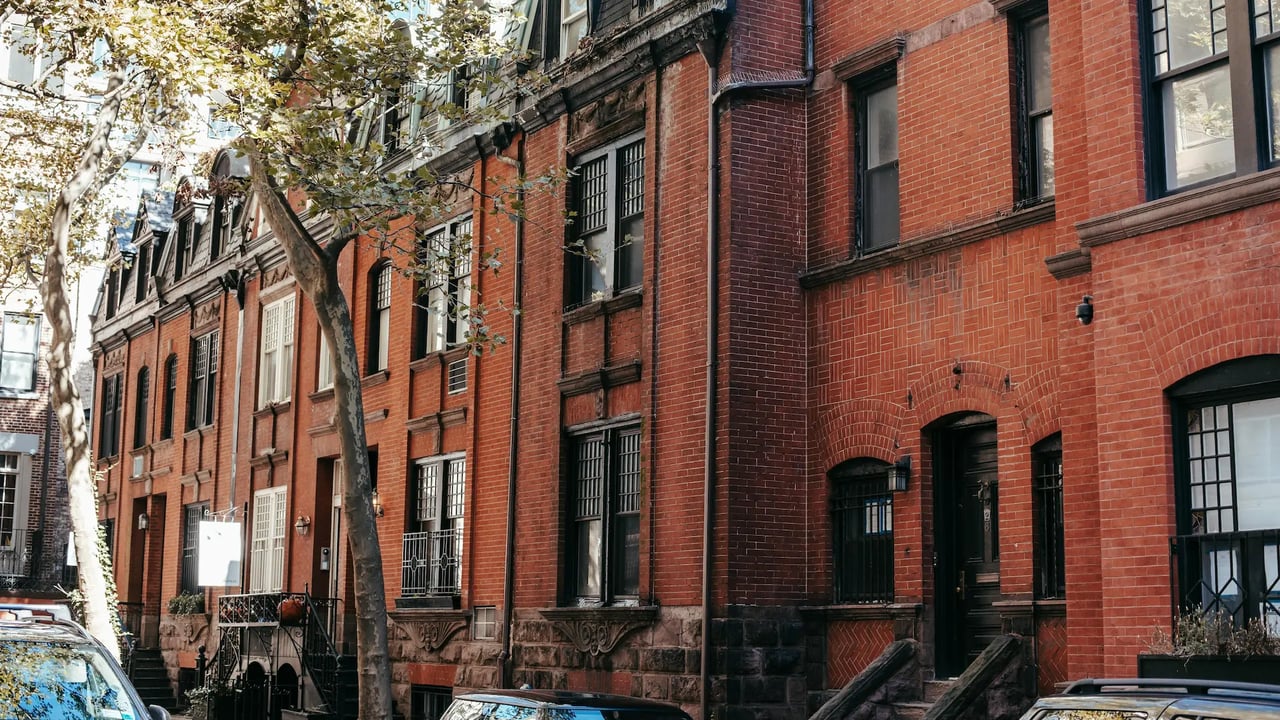
Neighborhood
Understanding the Buying Process Behind One of Brooklyn’s Most Competitive Housing Markets
We love nothing more than helping buyers and sellers achieve their home-buying and selling goals. If you’ve got questions, we can’t wait to answer them.