Tribeca Historic District Living: Preservation Rules and Architectural Character
Neighborhood
Neighborhood
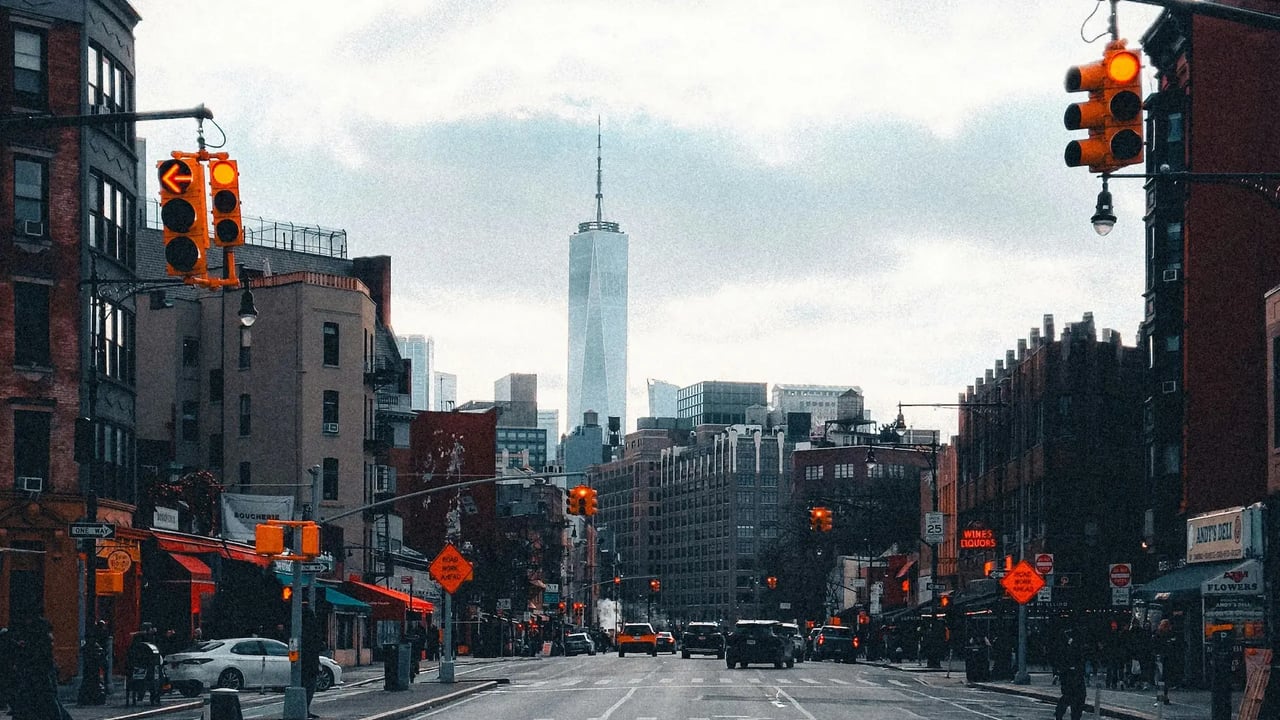
Tribeca has always stood apart from the rest of Manhattan. While many neighborhoods evolved through waves of demolition and glass tower development, Tribeca managed to preserve much of its industrial past. Walking through its cobblestone streets today still feels distinctly New York. Cast-iron warehouses, oversized loft windows, and historic brick facades continue to define the neighborhood’s identity.
A major reason for that preservation is the creation of the Tribeca Historic District, which protects many of the area’s most architecturally significant buildings. For buyers, investors, and homeowners, those landmark protections shape not only the look of the neighborhood, but also property values, renovation possibilities, and long-term investment appeal.
Living in a historic district comes with benefits and responsibilities. Understanding both is essential before purchasing property in Tribeca.
The Tribeca Historic District was designated by the New York City Landmarks Preservation Commission to protect the neighborhood’s historic industrial architecture and streetscape. Large portions of Tribeca were originally built in the late 19th and early 20th centuries as warehouse and manufacturing buildings. Over time, many of those properties were converted into luxury residential lofts while still maintaining their original structural character.
Today, the district protects hundreds of buildings throughout the neighborhood. The goal is to ensure that future development respects the architectural integrity that made Tribeca one of Manhattan’s most desirable residential markets.
That preservation has helped Tribeca maintain something increasingly rare in New York City: authenticity.
Tribeca buyers are often looking for something very different from a modern condo tower. They want texture, history, and individuality. Historic buildings provide architectural details that are difficult to replicate in new construction.
Some of the most sought-after features include:
Original cast-iron columns
Exposed brick walls
Massive wood beams
Oversized factory-style windows
High ceilings with open loft layouts
Cobblestone street frontage
These details create homes that feel personal rather than standardized. In a city filled with polished glass developments, Tribeca’s historic lofts offer warmth and character that continue to attract high-end buyers.
Many residents also appreciate the quieter atmosphere. Despite being one of Manhattan’s premier luxury neighborhoods, Tribeca still feels residential and low-key compared to Midtown or Hudson Yards.
One of the most important things buyers should understand is that landmark designation comes with renovation restrictions. Exterior changes to buildings within the historic district usually require approval from the Landmarks Preservation Commission, often referred to as the LPC.
That means homeowners generally cannot make major exterior modifications without review.
Examples of changes that may require approval include:
Replacing windows
Altering facades
Installing rooftop additions
Changing exterior doors
Adding terraces or visible structures
Modifying storefronts
Interior renovations, however, are usually far less restricted unless the building also has designated interior landmark status, which is less common in residential properties.
For many buyers, these rules may initially sound limiting. In practice, they often help preserve property value across the neighborhood. Landmark protections prevent neighboring buildings from making drastic architectural changes that could negatively impact the historic streetscape.
In other words, buyers are investing in consistency and long-term neighborhood character.
Historic districts tend to perform well over time because architectural consistency creates scarcity. In Tribeca, there is only a limited supply of authentic loft buildings with protected historic character.
That scarcity drives demand.
Many luxury buyers specifically target landmark properties because they know the surrounding environment is less likely to change dramatically. A preserved cobblestone block is more attractive than a street facing unpredictable future development.
Historic district designation can also contribute to:
Stronger long-term appreciation
Stable buyer demand
Higher resale appeal
Reduced risk of incompatible neighboring construction
Strong neighborhood identity
For investors, that stability is particularly valuable in Manhattan’s competitive luxury market.
One reason Tribeca has remained so successful is its ability to blend old architecture with modern living. Behind many preserved facades are highly upgraded interiors with luxury finishes, smart-home technology, and private amenities.
Today’s buyers can enjoy:
Chef-grade kitchens
Spa-style bathrooms
Private keyed elevators
Modern climate systems
Luxury concierge services
Rooftop terraces and fitness centers
The result is a combination that feels uniquely New York. Residents get historic architecture without sacrificing modern comfort.
Some of the neighborhood’s most successful residential conversions have found ways to preserve original industrial details while introducing contemporary design in a subtle, respectful way.
Historic district ownership is not without challenges. Renovation timelines can sometimes take longer due to approval requirements. Restoring older materials may also cost more than standard replacements.
Buyers should prepare for:
Longer renovation approval processes
Higher restoration costs for historic materials
Additional architectural review requirements
Strict facade preservation guidelines
However, many Tribeca homeowners view these restrictions as worthwhile because they protect the neighborhood from overdevelopment and architectural inconsistency.
For buyers who value authenticity, the tradeoff is often well worth it.
As Manhattan continues evolving, Tribeca’s preserved architecture becomes even more valuable. Buyers increasingly seek neighborhoods that feel established, walkable, and visually distinctive. Historic districts provide a sense of permanence that newer developments often struggle to replicate.
Tribeca offers exactly that balance. It combines luxury living with genuine architectural history, creating an environment that feels timeless rather than trend-driven.
For homeowners, that means more than beautiful buildings. It means living in one of the few Manhattan neighborhoods where the original character of New York City still defines everyday life.
At Archpoint Advisory, we help buyers navigate the unique opportunities and considerations that come with purchasing historic district real estate. Whether you are searching for a classic loft conversion, an architecturally significant property, or a long-term investment in Tribeca, our team can help you identify the right fit while understanding the rules that shape the neighborhood.
If you are considering buying or investing in Tribeca, reach out today to explore available listings and off-market opportunities throughout the Historic District.
Stay up to date on the latest real estate trends.
Neighborhood
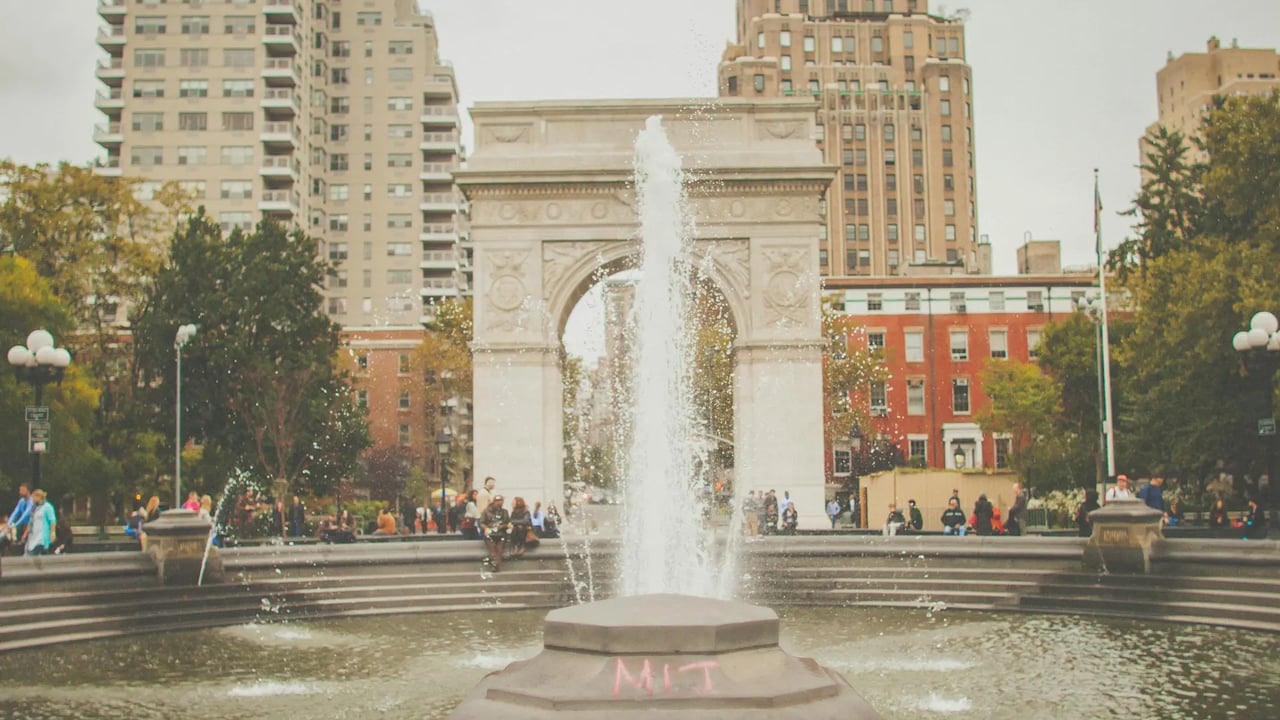
Why Green Space and Academic Influence Continue to Drive Demand in One of Manhattan's Most Desirable Neighborhoods
Neighborhood
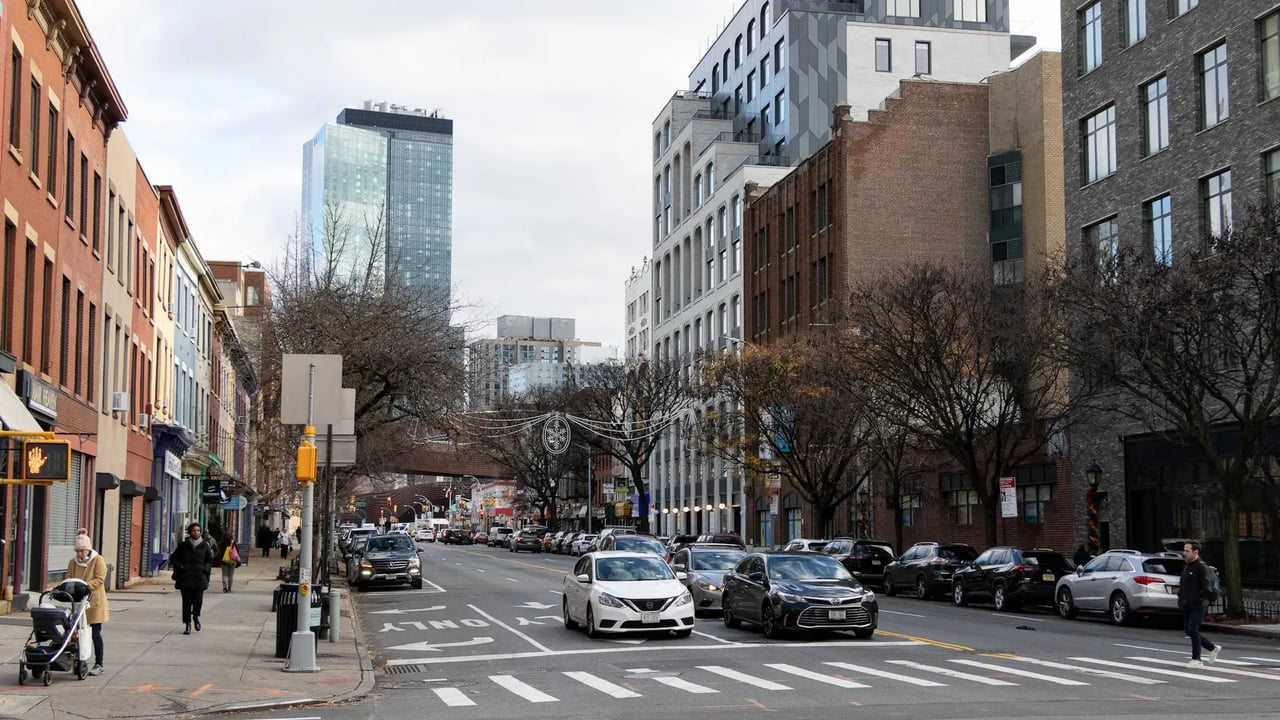
Why Retail Convenience Continues to Drive Housing Demand in One of Brooklyn's Most Desirable Neighborhoods
Neighborhood
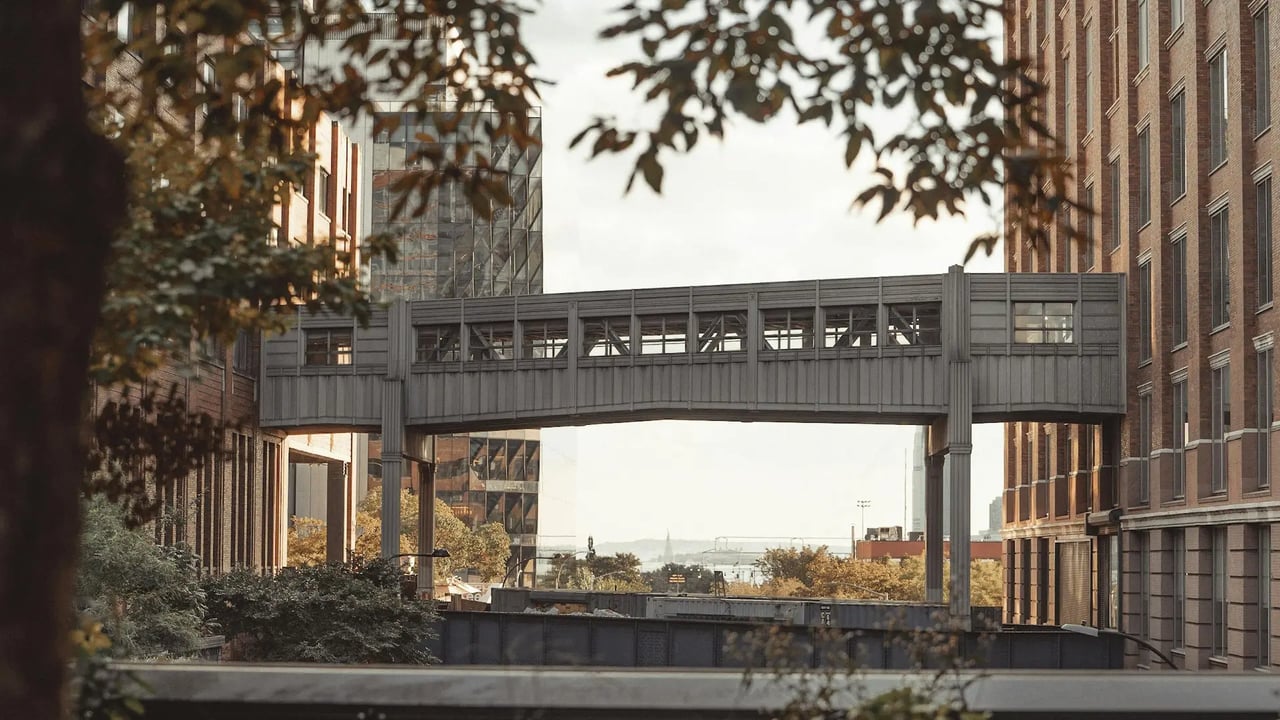
How New Construction Is Reshaping One of Manhattan’s Most Competitive Residential Markets
Neighborhood
Why Landmark Protections Help Preserve Tribeca’s Unique Real Estate Identity
s
Why Manhattan’s Dining Culture Continues to Shape Luxury Living and Real Estate Demand
Neighborhood
Why Investors Continue Watching Manhattan’s Most Evolving Neighborhood
Neighborhood
Why Investors Continue Targeting Brooklyn’s Most Competitive Neighborhood
Neighborhood
Why Hotels, Nightlife, and Cultural Energy Continue to Drive Housing Demand in Gramercy
Neighborhood
Understanding the Buying Process Behind One of Brooklyn’s Most Competitive Housing Markets
We love nothing more than helping buyers and sellers achieve their home-buying and selling goals. If you’ve got questions, we can’t wait to answer them.