Washington Square Park Proximity: How NYU and Park Access Affect West Village Property Values
Neighborhood
Neighborhood
Few Manhattan neighborhoods balance historic charm, cultural energy, and long-term real estate value as effectively as the West Village. While tree-lined streets, landmark townhouses, and boutique shopping have always attracted buyers, two factors continue to play an outsized role in shaping local property values: Washington Square Park and New York University.
Together, these neighborhood anchors create a unique ecosystem that supports both residential demand and investment performance. Washington Square Park provides one of Manhattan's most beloved public spaces, while NYU brings a steady stream of students, faculty, researchers, and professionals to the area year after year.
For buyers, sellers, and investors alike, understanding how these influences interact can provide valuable insight into why West Village real estate remains among the most sought-after in New York City.
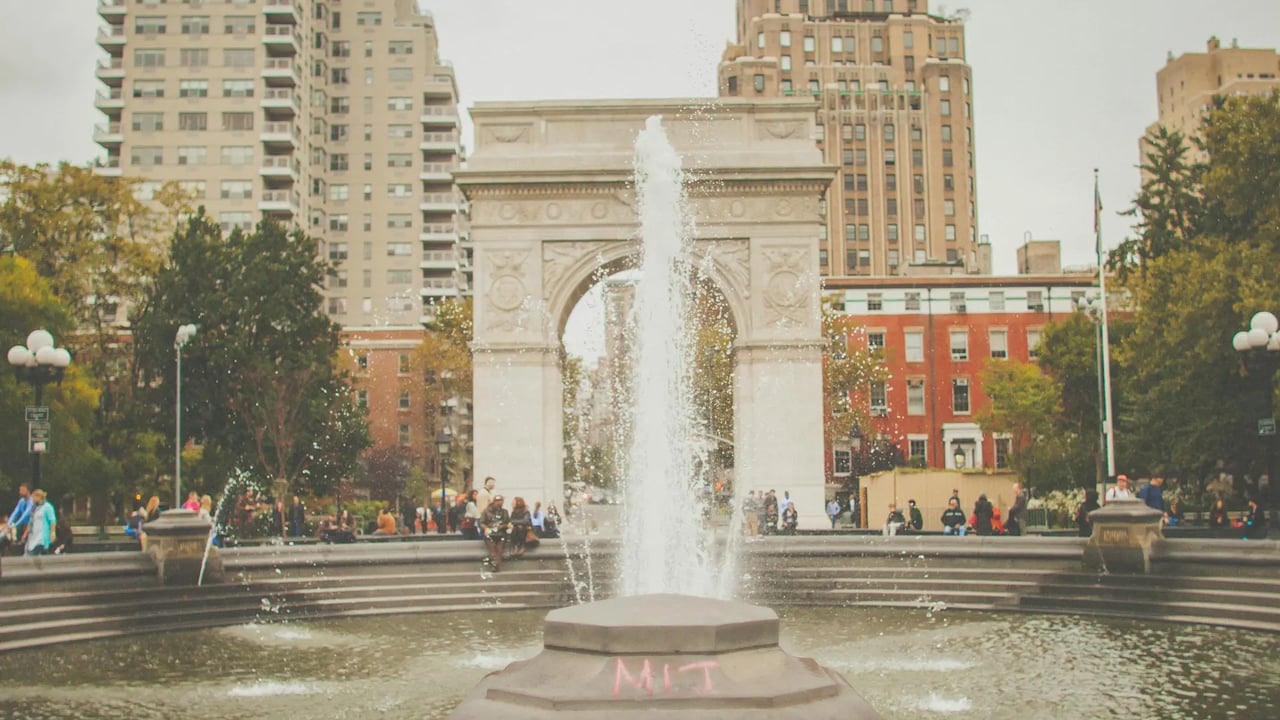
In New York City, access to quality green space is often viewed as a luxury. Washington Square Park offers nearly ten acres of landscaped grounds, walking paths, gathering areas, and cultural programming right in the heart of Lower Manhattan.
The park serves as a daily destination for residents who want a break from city life without leaving their neighborhood. Whether it is morning exercise, afternoon reading, dog walking, or meeting friends beneath the iconic arch, the park functions as an extension of residents' living space.
This lifestyle benefit translates directly into real estate demand.
Buyers consistently place a premium on properties located within easy walking distance of major parks because they provide:
Convenient access to outdoor recreation
Enhanced neighborhood character
Better opportunities for social interaction
Improved quality of life
Attractive views and open space
In a dense urban environment, these advantages are difficult to replicate. As a result, homes located near Washington Square Park often attract greater interest than comparable properties farther away.
While parks contribute significantly to lifestyle appeal, NYU creates a different type of value driver.
As one of the largest private universities in the United States, NYU has a substantial presence throughout Greenwich Village and surrounding neighborhoods. The institution attracts tens of thousands of students, faculty members, researchers, and staff from around the world each year.
This ongoing influx of residents helps create consistent housing demand across multiple market segments.
The university's influence can be seen through:
Strong rental demand throughout the year
Increased interest from faculty and graduate students seeking nearby housing
Demand from parents purchasing apartments for children attending NYU
Long-term neighborhood investment and development
A steady flow of highly educated professionals who remain in the area after graduation
Unlike neighborhoods that rely heavily on a single industry or employment sector, the presence of a major university helps diversify housing demand and create stability during market fluctuations.
For property owners, this can contribute to stronger occupancy rates and a larger pool of potential tenants and buyers.
What makes the West Village particularly unique is the combination of these two powerful demand drivers.
Many neighborhoods benefit from green space. Others benefit from proximity to educational institutions. Few enjoy both at the same level as the area surrounding Washington Square Park.
A graduate student may choose the neighborhood because of its proximity to campus. A family may choose it because of the park and highly walkable streets. A professional working in Midtown or Downtown may be drawn to both.
This overlap creates broad buyer appeal that extends beyond any single demographic group.
The result is a neighborhood that consistently attracts:
Students and academics
Young professionals
Families
International buyers
Empty nesters
Long-term investors
Because demand comes from multiple sources, the market tends to remain resilient even when one buyer segment slows.
One of the reasons the area continues to attract buyers is the variety of housing options available.
The neighborhood includes:
Historic Townhouses
These iconic brownstones and townhomes are among the most desirable residential properties in Manhattan. Many feature original architectural details, private outdoor space, and limited inventory that supports long-term value.
Prewar Co-ops
Buyers looking for classic New York charm often gravitate toward prewar co-op buildings. High ceilings, spacious layouts, and established communities make these properties especially appealing.
Luxury Condominiums
Newer condominium developments offer modern amenities, concierge services, fitness centers, and updated interiors. These properties often attract international buyers and investors.
Boutique Residences
Smaller buildings throughout the West Village provide unique ownership opportunities for buyers seeking character and exclusivity.
Regardless of property type, location remains one of the most important factors affecting pricing. Homes closer to both Washington Square Park and NYU generally enjoy stronger demand than comparable properties farther away.
Real estate trends come and go, but certain neighborhood fundamentals tend to endure. Access to green space and proximity to respected educational institutions consistently rank among the strongest contributors to long-term property performance.
The West Village benefits from both.
Investors often view the neighborhood favorably because of:
Limited housing inventory
Strong historical appreciation
Consistent rental demand
International recognition
Walkability and transit accessibility
High barriers to new development
These factors help support property values over time and contribute to the neighborhood's reputation as a stable long-term investment.
While market conditions may change, the appeal of the West Village remains remarkably consistent.
Residents enjoy a neighborhood that feels distinctly residential while remaining connected to the energy of Manhattan. Washington Square Park provides daily access to open space and community gathering areas. NYU contributes intellectual vitality, cultural programming, and steady economic activity.
Together, these influences create a neighborhood that offers both lifestyle benefits and investment potential.
For buyers considering Manhattan real estate, few locations combine historic charm, green space, academic prestige, and enduring demand as successfully as the area surrounding Washington Square Park.
At Archpoint Advisory, we help clients navigate New York City's most competitive neighborhoods with local expertise and market insight. Whether you are searching for a West Village residence, an investment property, or an off-market opportunity, understanding the impact of location drivers like Washington Square Park and NYU can help you make a more informed real estate decision.
Stay up to date on the latest real estate trends.
Neighborhood
Why Green Space and Academic Influence Continue to Drive Demand in One of Manhattan's Most Desirable Neighborhoods
Neighborhood
Why Retail Convenience Continues to Drive Housing Demand in One of Brooklyn's Most Desirable Neighborhoods

Neighborhood
How New Construction Is Reshaping One of Manhattan’s Most Competitive Residential Markets
Neighborhood
Why Landmark Protections Help Preserve Tribeca’s Unique Real Estate Identity
s
Why Manhattan’s Dining Culture Continues to Shape Luxury Living and Real Estate Demand
Neighborhood
Why Investors Continue Watching Manhattan’s Most Evolving Neighborhood
Neighborhood
Why Investors Continue Targeting Brooklyn’s Most Competitive Neighborhood
Neighborhood
Why Hotels, Nightlife, and Cultural Energy Continue to Drive Housing Demand in Gramercy
Neighborhood
Understanding the Buying Process Behind One of Brooklyn’s Most Competitive Housing Markets
We love nothing more than helping buyers and sellers achieve their home-buying and selling goals. If you’ve got questions, we can’t wait to answer them.