Chelsea New Development Pipeline: Luxury Buildings and Market Transformation
Neighborhood
Neighborhood
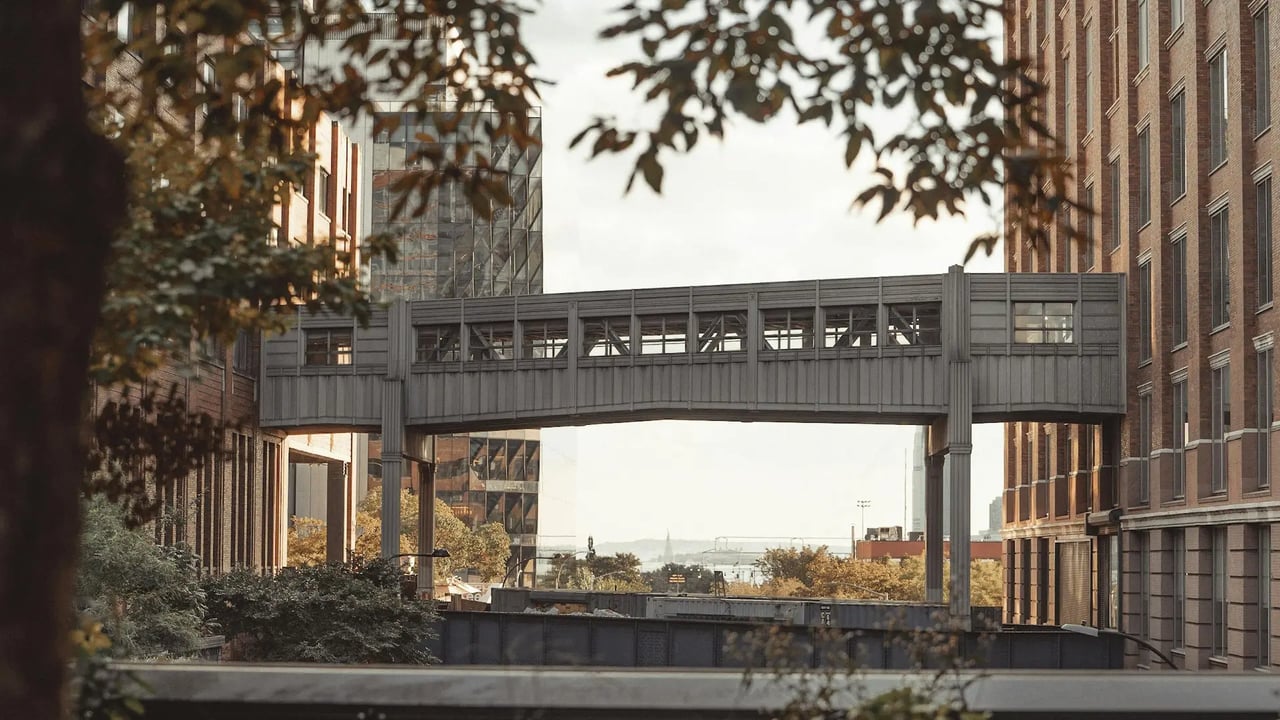
Chelsea has always evolved faster than most Manhattan neighborhoods. Former industrial blocks became art galleries. Warehouses transformed into luxury lofts. The High Line changed how buyers viewed the West Side entirely. Now, another major transformation is underway as a new wave of luxury development projects continues to reshape the neighborhood.
From boutique condominiums to waterfront luxury towers, Chelsea’s development pipeline is redefining both the skyline and the local real estate market. Buyers, investors, and developers are all paying close attention because the neighborhood is entering a new stage of growth that blends residential luxury, lifestyle convenience, and long-term investment potential.
The question is no longer whether Chelsea is established. It is how much further the neighborhood can grow as new inventory enters the market.
Chelsea sits in a unique position within Manhattan. It connects Hudson Yards, the Meatpacking District, Flatiron, and the West Village while maintaining its own distinct identity. That location alone keeps development demand extremely strong.
Developers continue targeting the area because buyers consistently pay premium prices for:
Walkability
Access to the High Line
Art and cultural institutions
Waterfront proximity
Modern luxury amenities
New construction inventory
According to recent Manhattan new development reports, West Chelsea and the Hudson Yards corridor remain among the city’s most active luxury construction zones. New inventory continues concentrating around the High Line and waterfront areas where demand from domestic and international buyers remains strong.
One noticeable shift in Chelsea’s development pipeline is the growing focus on boutique luxury condominiums rather than massive supertowers.
Today’s buyers increasingly want privacy, lower-density living, and carefully designed residences instead of oversized towers with hundreds of units. Developers are responding directly to that demand.
Projects like the upcoming development at 246 West 18th Street reflect this trend. The building is designed as an intimate luxury condominium with a limited number of residences, retail space, and modern architecture tailored toward lifestyle-focused buyers.
Similarly, projects like 550 West 21st Street are pushing luxury further west toward the waterfront. Positioned between Hudson River Park and the High Line, the development highlights how buyers increasingly value outdoor access alongside luxury finishes and amenities.
This newer generation of Chelsea buildings focuses heavily on:
Floor-to-ceiling windows
Private outdoor space
Wellness amenities
Concierge-level services
Flexible work-from-home layouts
Smaller resident populations
In many ways, luxury buildings are now competing on lifestyle rather than simply square footage.
With development growth comes visible construction activity across Chelsea. Residents have already seen years of scaffolding, street closures, and redevelopment tied to Hudson Yards and the High Line corridor. That trend is continuing into 2026 and beyond.
For current property owners, construction can create short-term inconvenience. Noise, blocked sidewalks, and temporary traffic disruptions remain part of the reality when neighborhoods expand rapidly.
At the same time, long-term market effects tend to outweigh those temporary frustrations.
Historically, neighborhoods receiving sustained luxury development investment experience:
Rising property values
Improved retail and dining options
Better streetscape infrastructure
Increased buyer demand
Stronger long-term resale performance
Chelsea is following that same pattern.
The neighborhood is also benefiting from broader Manhattan trends, including office-to-residential conversions and mixed-use redevelopment projects. Developers continue adapting older commercial buildings into residential inventory as housing demand remains elevated across the city.
One reason Chelsea’s development pipeline continues attracting attention is because buyers are no longer evaluating buildings alone. They are evaluating entire lifestyle ecosystems.
Luxury buyers today want:
Fitness facilities
Co-working lounges
Outdoor terraces
Wellness programming
Restaurant access
Transit convenience
Green space nearby
Chelsea delivers all of those within a relatively compact area.
The combination of Hudson River Park, the High Line, Chelsea Market, gallery spaces, and luxury retail creates a neighborhood experience difficult to replicate elsewhere in Manhattan.
This is especially important for younger high-income professionals and international buyers who prioritize convenience and experience over suburban-style space.
Chelsea’s development cycle also presents opportunities for investors who understand timing.
Historically, early-stage buyers in successful luxury developments benefit from:
Lower pre-construction pricing
Stronger appreciation after completion
Increased resale demand
Rental premium potential
Market analysts continue noting that Manhattan’s new development inventory remains relatively constrained compared to long-term demand. Limited land availability and rising construction costs prevent oversupply from becoming excessive.
That supply limitation supports pricing power, particularly in established luxury neighborhoods like Chelsea.
There is also growing demand for newer inventory because many buyers want modern systems, energy efficiency, and amenities that older co-op buildings often cannot provide.
At the same time, investors should remain selective. Not every new development performs equally. Factors such as developer reputation, layout quality, building scale, and exact location still matter significantly.
Some buyers have also raised concerns online regarding construction quality across certain newer luxury projects, emphasizing the importance of researching sponsors carefully before purchasing.
What makes Chelsea different from trend-driven neighborhoods is that its growth has remained remarkably durable over time.
The neighborhood has successfully balanced:
Residential demand
Commercial growth
Cultural relevance
Luxury development
Public space investment
That combination creates stability that many emerging neighborhoods lack.
Even as pricing rises, buyer demand remains strong because Chelsea offers something increasingly rare in Manhattan: modern luxury living within a neighborhood that still feels connected, walkable, and authentic.
As new projects continue entering the pipeline over the next several years, Chelsea is likely to remain one of Manhattan’s most competitive luxury markets for both end users and investors.
Whether you are considering a pre-construction investment, searching for a boutique luxury condominium, or evaluating long-term appreciation potential, understanding Chelsea’s evolving development landscape is essential.
At Archpoint Advisory, we closely track upcoming projects, off-market opportunities, and market trends shaping Manhattan’s luxury real estate sector.
If you are interested in Chelsea’s newest developments or want guidance on identifying strong investment opportunities, our team is here to help.
Stay up to date on the latest real estate trends.
Neighborhood
Why Green Space and Academic Influence Continue to Drive Demand in One of Manhattan's Most Desirable Neighborhoods
Neighborhood
Why Retail Convenience Continues to Drive Housing Demand in One of Brooklyn's Most Desirable Neighborhoods
Neighborhood
How New Construction Is Reshaping One of Manhattan’s Most Competitive Residential Markets
Neighborhood
Why Landmark Protections Help Preserve Tribeca’s Unique Real Estate Identity
s
Why Manhattan’s Dining Culture Continues to Shape Luxury Living and Real Estate Demand
Neighborhood
Why Investors Continue Watching Manhattan’s Most Evolving Neighborhood
Neighborhood
Why Investors Continue Targeting Brooklyn’s Most Competitive Neighborhood
Neighborhood
Why Hotels, Nightlife, and Cultural Energy Continue to Drive Housing Demand in Gramercy
Neighborhood
Understanding the Buying Process Behind One of Brooklyn’s Most Competitive Housing Markets
We love nothing more than helping buyers and sellers achieve their home-buying and selling goals. If you’ve got questions, we can’t wait to answer them.