SoHo Restaurant Scene: How Culinary Hotspots Drive Neighborhood Desirability
s
s
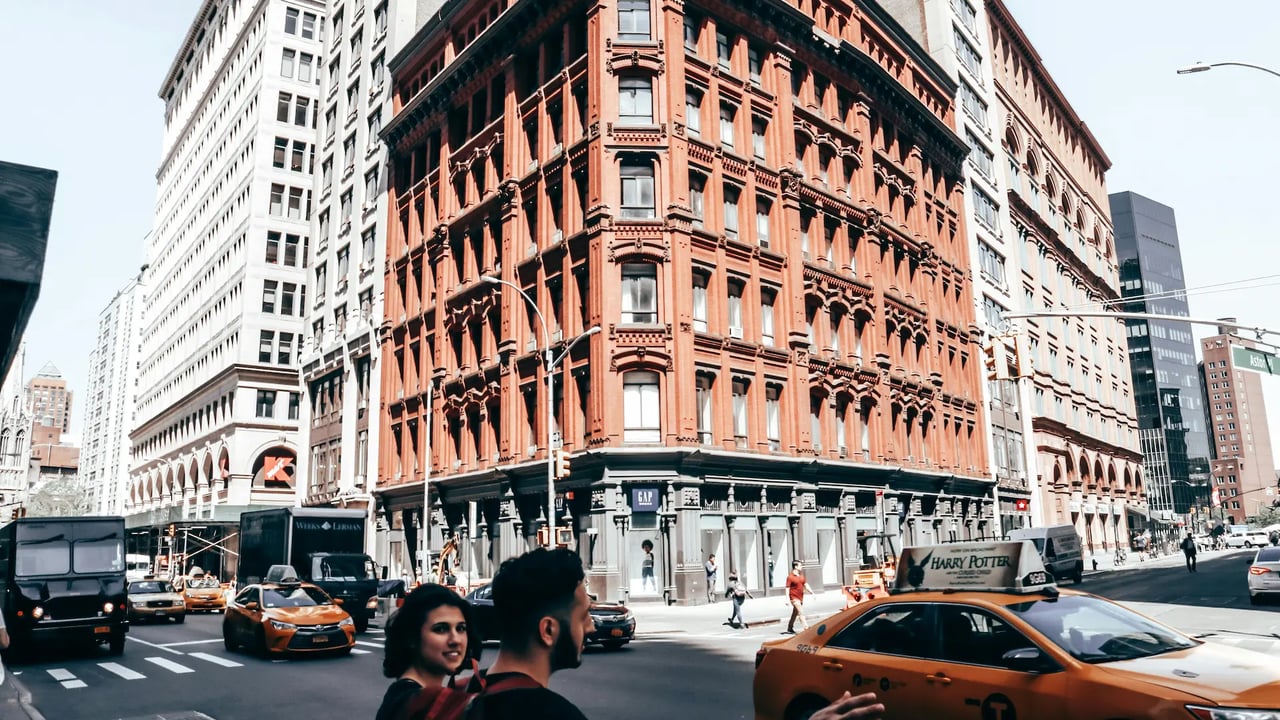
There was a time when SoHo was defined almost entirely by its artist lofts and cast-iron architecture. Today, while the historic charm remains intact, the neighborhood has evolved into one of Manhattan’s most lifestyle-driven residential markets. One of the biggest reasons is food.
The SoHo restaurant scene has become far more than a collection of trendy reservations and celebrity sightings. It now plays a direct role in shaping property values, buyer demand, and long-term investment performance. In Manhattan, people are not only choosing neighborhoods based on square footage or commute times anymore. They are choosing places that feel alive, walkable, social, and culturally connected. SoHo checks every box.
From all-day cafés to Michelin-recognized dining rooms, SoHo’s culinary landscape has helped transform the neighborhood into one of the most desirable residential destinations in downtown Manhattan.
In New York City, restaurants are part of neighborhood identity. They influence foot traffic, retail growth, tourism, and daily routines. A strong dining scene signals something important to buyers and investors: people want to spend time there.
That demand creates a ripple effect across the local housing market.
When high-quality restaurants consistently open in a neighborhood, several things typically follow:
Increased buyer interest
Higher pedestrian activity
Luxury retail expansion
Rising commercial lease values
Stronger residential resale demand
SoHo has experienced all of these trends over the past decade. Streets once known primarily for shopping are now filled with destination dining concepts, boutique wine bars, and upscale cafés that attract both locals and international visitors.
For residential buyers, this creates something highly valuable in Manhattan: convenience paired with experience.
People moving into SoHo are not simply purchasing apartments. They are buying access to a certain lifestyle.
Residents can step outside and walk to a morning espresso, lunch meeting, late-night dinner reservation, or weekend brunch without ever needing transportation. That level of convenience has become one of the defining luxuries of downtown living.
For many buyers, especially younger professionals and international clients, neighborhood energy matters just as much as the apartment itself.
The appeal includes:
Walkable dining and nightlife
Access to chef-driven restaurants
Vibrant street activity throughout the day
Social atmosphere without Midtown congestion
A strong blend of culture, fashion, and hospitality
This environment creates emotional attachment, which often translates into stronger pricing power for nearby residential properties.
Luxury buyers are increasingly prioritizing neighborhoods with established dining ecosystems. In SoHo, restaurants contribute to the perception of exclusivity and cultural relevance.
Popular hospitality brands choose SoHo because the customer base already exists. Wealthy residents, creative professionals, tourists, and executives naturally support high-end dining concepts. As more successful restaurants enter the market, the neighborhood becomes even more attractive to future buyers.
This cycle strengthens residential demand over time.
Buyers relocating from Tribeca, the West Village, or Brooklyn often compare neighborhoods based on lifestyle accessibility. SoHo consistently ranks highly because residents can combine dining, shopping, entertainment, and work within a compact walkable area.
That combination is difficult to replicate elsewhere in Manhattan.
Properties located near highly desirable restaurant corridors often see measurable benefits in value retention and resale performance.
In SoHo, homes near streets like West Broadway, Prince Street, Spring Street, and Greene Street tend to attract premium pricing because buyers associate those areas with convenience and neighborhood prestige.
Restaurant density also contributes to stronger rental demand. Tenants searching for downtown Manhattan apartments frequently prioritize locations near active dining and café districts because it enhances day-to-day living.
For investors, this translates into several advantages:
Higher long-term appreciation potential
Faster leasing activity
Strong tenant retention
Increased international buyer interest
Better resilience during slower market cycles
Even during periods of market uncertainty, neighborhoods with strong hospitality and retail ecosystems tend to recover faster than purely residential areas.
One of the biggest real estate trends influencing SoHo is the concept of “15-minute living.” Buyers increasingly want neighborhoods where essential lifestyle needs can be reached within a short walk.
SoHo performs exceptionally well in this category.
Residents can access:
Grocery stores and specialty markets
Fitness studios and wellness spaces
Coffee shops and restaurants
Luxury shopping
Public transportation
Art galleries and entertainment venues
The restaurant scene plays a major role in making that lifestyle feel complete. Dining options help create rhythm and personality within the neighborhood. Without them, even luxury districts can feel transactional or temporary.
SoHo feels lived in. That authenticity adds real value.
From an investment perspective, SoHo remains one of Manhattan’s strongest long-term plays because the neighborhood appeals to both lifestyle buyers and global investors.
Restaurant culture supports tourism, maintains street activity, and helps preserve SoHo’s reputation as a premier downtown destination. This visibility keeps demand elevated for both residential and mixed-use properties.
Condos and lofts near established dining corridors often benefit from stronger resale positioning because buyers already recognize the surrounding amenities.
In Manhattan real estate, perception matters. SoHo’s dining scene reinforces the perception that the neighborhood remains current, desirable, and culturally influential.
That matters more than ever in today’s market.
Whether you are searching for a classic cast-iron loft, a modern luxury condo, or an investment property with strong long-term upside, understanding the neighborhood beyond the apartment itself is essential.
At Archpoint Advisory, we help clients identify the lifestyle drivers that influence future value, including restaurant growth, walkability, and neighborhood demand patterns.
SoHo continues to prove that great real estate is not only about what is inside the building. It is also about what surrounds it.
If you are considering buying, selling, or investing in SoHo, our team can help you navigate one of Manhattan’s most competitive and rewarding markets.
Stay up to date on the latest real estate trends.
Neighborhood
Why Green Space and Academic Influence Continue to Drive Demand in One of Manhattan's Most Desirable Neighborhoods
Neighborhood
Why Retail Convenience Continues to Drive Housing Demand in One of Brooklyn's Most Desirable Neighborhoods
Neighborhood
How New Construction Is Reshaping One of Manhattan’s Most Competitive Residential Markets
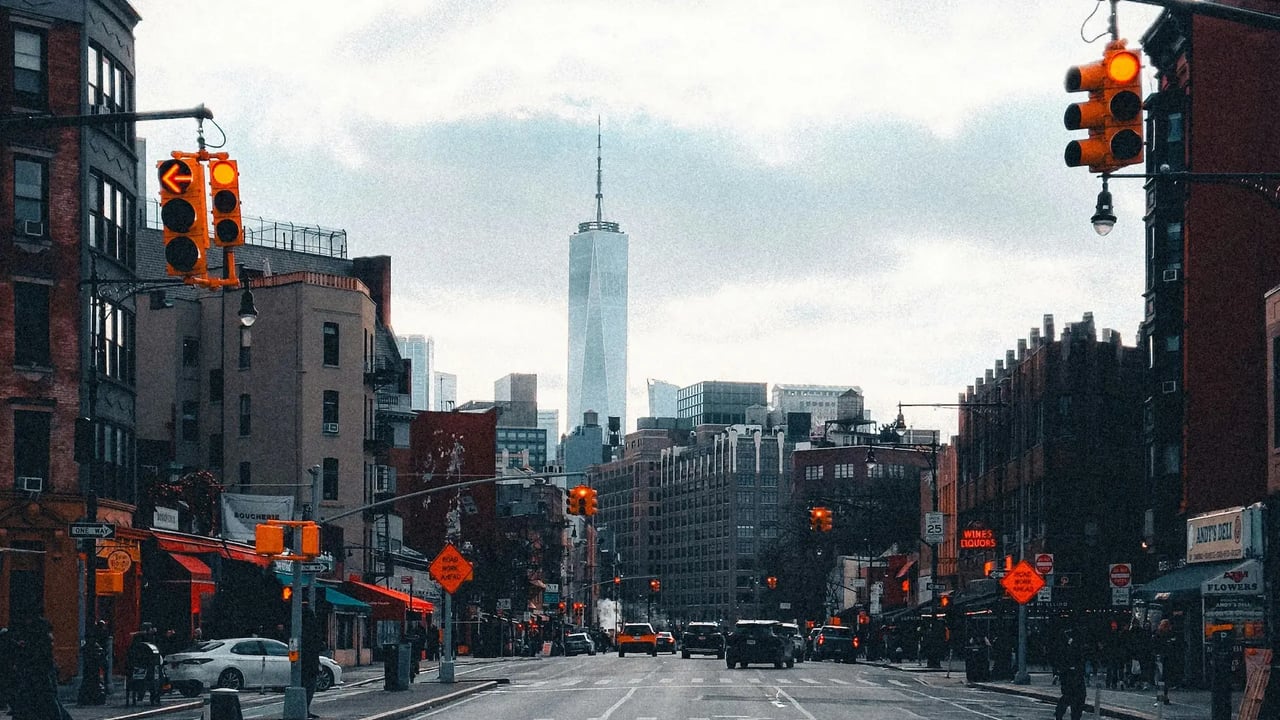
Neighborhood
Why Landmark Protections Help Preserve Tribeca’s Unique Real Estate Identity
s
Why Manhattan’s Dining Culture Continues to Shape Luxury Living and Real Estate Demand
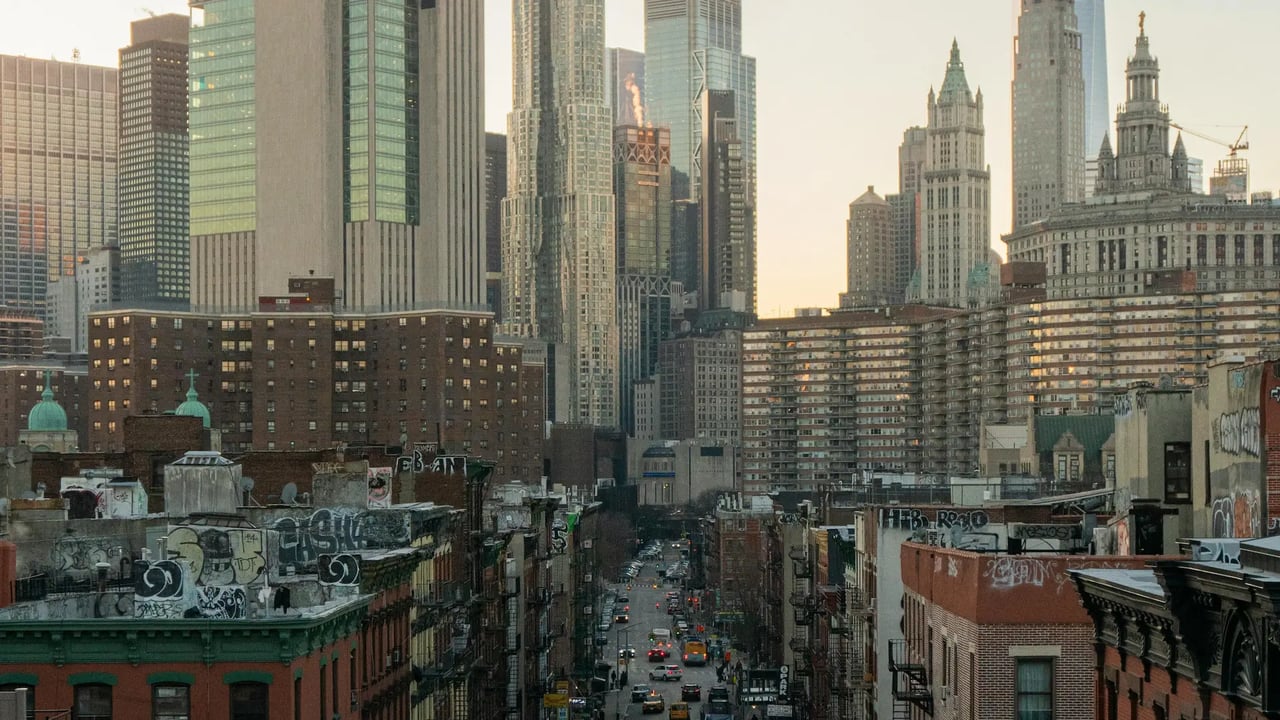
Neighborhood
Why Investors Continue Watching Manhattan’s Most Evolving Neighborhood
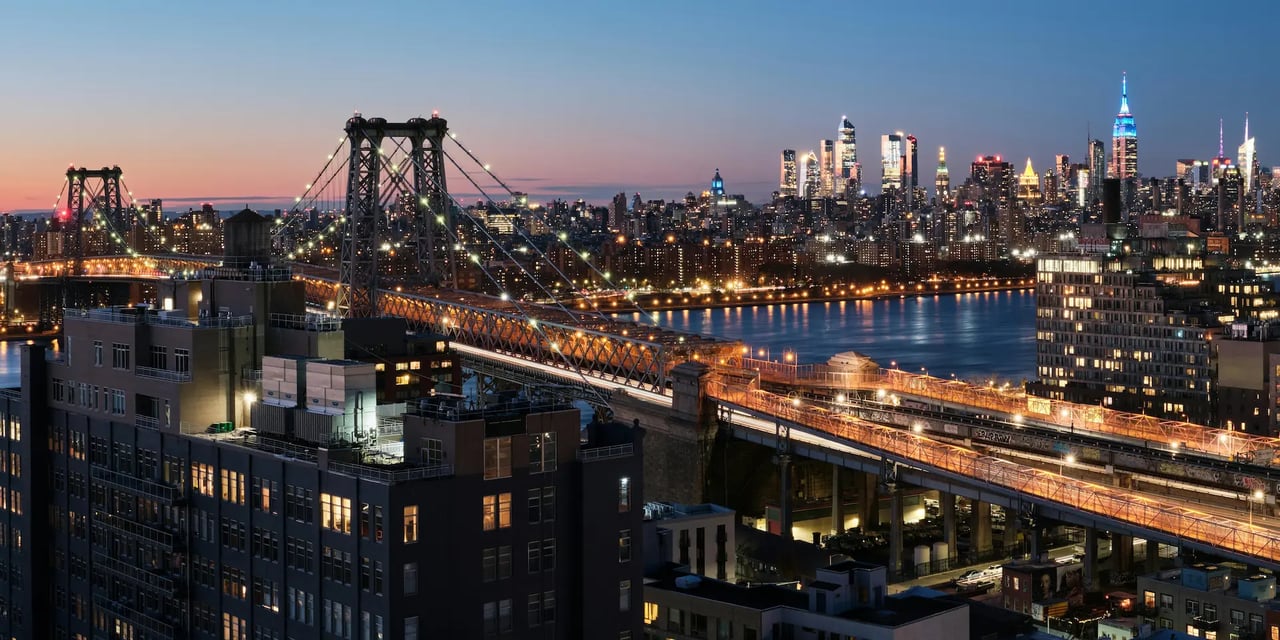
Neighborhood
Why Investors Continue Targeting Brooklyn’s Most Competitive Neighborhood
Neighborhood
Why Hotels, Nightlife, and Cultural Energy Continue to Drive Housing Demand in Gramercy
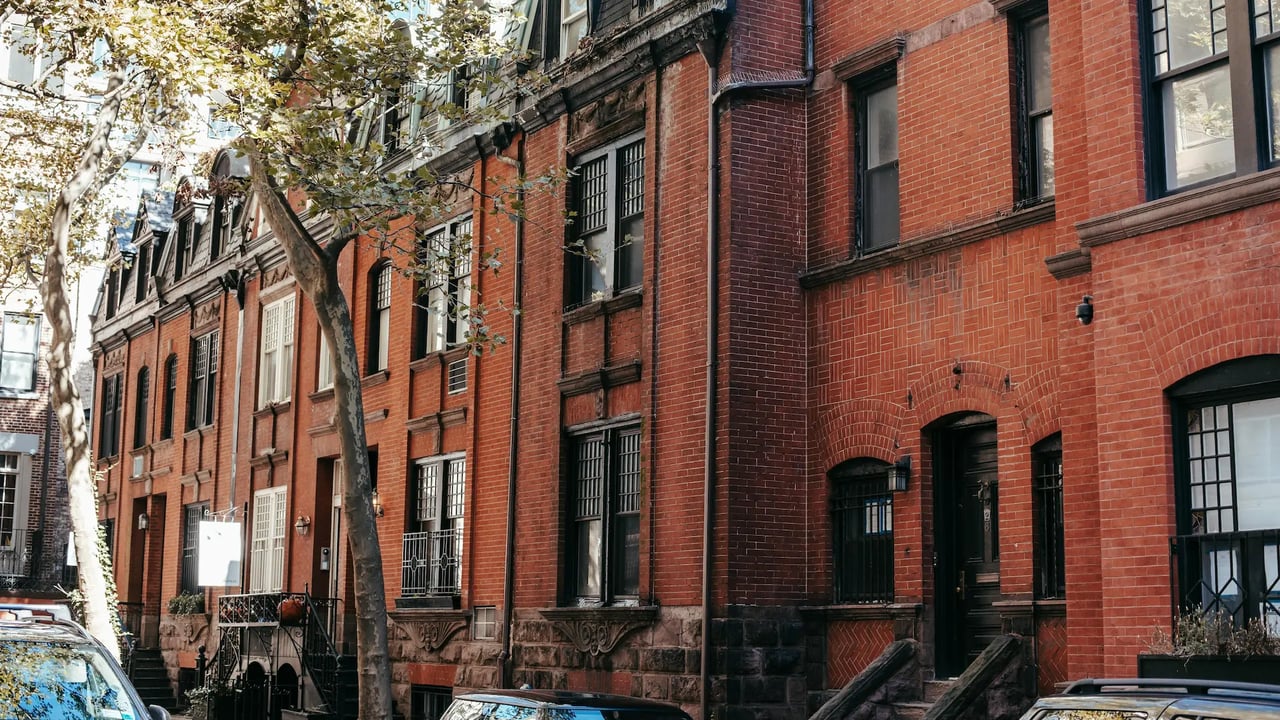
Neighborhood
Understanding the Buying Process Behind One of Brooklyn’s Most Competitive Housing Markets
We love nothing more than helping buyers and sellers achieve their home-buying and selling goals. If you’ve got questions, we can’t wait to answer them.