Williamsburg Investment Opportunities: Rental Market and Appreciation Potential
Neighborhood
Neighborhood
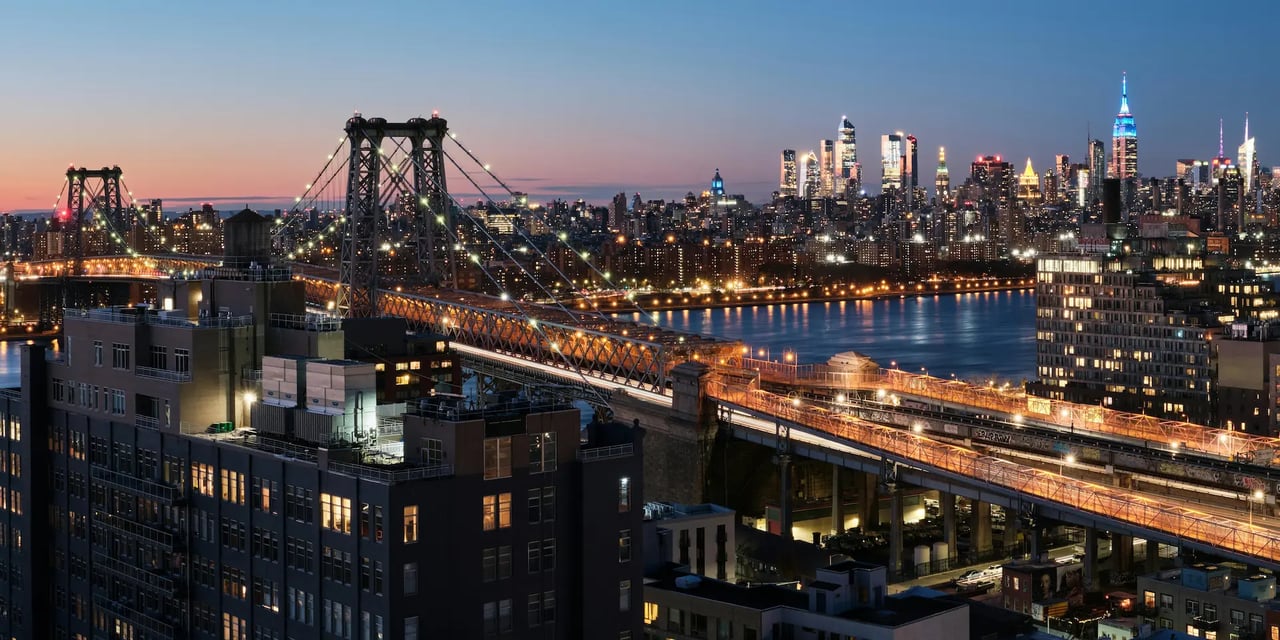
Williamsburg has officially evolved from an emerging Brooklyn neighborhood into one of New York City’s most established investment markets. What began as a creative enclave filled with converted warehouses and independent cafés has transformed into a global real estate destination attracting investors, developers, and high-income renters from around the world.
Despite rising prices, Williamsburg continues to outperform many NYC neighborhoods when it comes to rental demand, long-term appreciation, and overall investor confidence. Buyers are not just purchasing apartments here for today’s returns. They are investing in a neighborhood that continues to strengthen its identity, infrastructure, and pricing power year after year.
For investors looking at Brooklyn real estate in 2026, Williamsburg remains one of the borough’s strongest long-term plays.
Property values in Williamsburg have climbed steadily over the last several years, even as the broader market experienced periods of volatility. Zillow reports that the average Williamsburg home value now sits above $1.35 million, with prices increasing approximately 5.5% year over year.
Meanwhile, Realtor.com data shows median listing prices approaching $1.85 million, reflecting continued buyer demand and limited inventory throughout the neighborhood.
One reason appreciation remains strong is simple: there is still limited prime inventory near the waterfront and Bedford Avenue corridor. Buyers continue competing for:
Modern condos with skyline views
Boutique loft conversions
Tax-abated luxury buildings
Smaller multifamily properties with rental upside
Unlike neighborhoods that experienced short bursts of growth, Williamsburg has matured into a stable luxury market with broader appeal. Today’s buyer pool includes finance professionals, tech founders, international investors, and Manhattan residents relocating for more space and lifestyle flexibility.
Even with rising rents across New York City, Williamsburg continues to attract tenants at nearly every price point. The neighborhood benefits from a rare combination of factors that keep occupancy high:
Quick Manhattan access through the L train
A strong restaurant and nightlife scene
Waterfront parks and open space
Luxury new developments with premium amenities
A large remote and hybrid work population
Current rental data reflects that demand clearly. Realtor.com reports median rents in Williamsburg ranging between approximately $4,700 and $4,850 per month.
Brooklyn-wide rental reports also show that rents continue rising year over year, especially for one-bedroom and two-bedroom apartments.
For investors, this creates several advantages:
Consistent tenant demand
Lower vacancy exposure
Strong renewal potential
Premium pricing for updated units and amenities
In many cases, renters who once viewed Williamsburg as an alternative to Manhattan now see it as the preferred destination.
A major reason Williamsburg continues appreciating is because the neighborhood has become more than a trend. It now functions as a fully developed lifestyle market.
Residents can work remotely from coffee shops during the day, walk along Domino Park in the evening, and still reach Union Square within minutes. That convenience has fundamentally changed how buyers evaluate value.
The neighborhood also continues benefiting from:
Expanding luxury retail presence
Continued waterfront development
New residential towers
Improved public spaces
Ongoing restaurant and hospitality investment
Unlike purely residential neighborhoods, Williamsburg generates economic activity throughout the day and night, which supports local business growth and strengthens housing demand.
Different property types in Williamsburg appeal to different investor strategies.
New development condos near the waterfront continue attracting high-income renters willing to pay premiums for amenities, views, and convenience. These properties often deliver lower cap rates but stronger appreciation potential.
Smaller rental buildings remain attractive for investors seeking stable long-term cash flow. Renovated units with updated finishes can command significant rent premiums.
Authentic loft spaces continue performing well due to limited supply. Many tenants and buyers still value original brick, high ceilings, and industrial character over generic luxury finishes.
Studios and one-bedroom apartments continue seeing strong demand from younger professionals and remote workers entering the Brooklyn market for the first time.
Compared to lower-priced markets outside New York, Williamsburg is not necessarily a high cash-flow market on paper. Investors are often prioritizing appreciation and long-term equity growth rather than immediate yield alone.
However, strong rent levels help offset higher acquisition costs. Investors who purchased properties several years ago are now benefiting from both:
Significant appreciation gains
Higher stabilized rental income
The combination has made Williamsburg one of Brooklyn’s most resilient investment neighborhoods.
Community discussions online also continue highlighting how Williamsburg rents have dramatically outpaced income growth over the past decade, reinforcing the neighborhood’s pricing strength and demand imbalance.
Like any NYC market, Williamsburg is not without challenges.
Investors should evaluate:
Rising insurance and maintenance costs
Financing restrictions in certain condo buildings
Future rental regulation changes
Increased luxury supply in nearby Brooklyn neighborhoods
Some local discussions also point out that extremely high-end inventory above the five-million-dollar range can move slower than mid-market units.
Still, demand for well-positioned properties remains extremely healthy overall.
Brooklyn has no shortage of growing neighborhoods, but Williamsburg continues separating itself because it combines lifestyle demand with long-term financial stability.
The neighborhood offers something many investors look for but rarely find together:
Strong rental demand
Consistent appreciation
International buyer appeal
Limited prime inventory
Established luxury identity
Transit accessibility
Lifestyle-driven pricing power
For investors seeking a balance between income potential and long-term value growth, Williamsburg remains one of New York City’s strongest opportunities.
At Archpoint Advisory, we help clients identify investment properties positioned for both appreciation and rental performance across Brooklyn’s most competitive neighborhoods.
Whether you are purchasing your first Williamsburg condo or expanding a multifamily portfolio, understanding the micro-trends within the neighborhood can make a major difference in long-term returns.
Stay up to date on the latest real estate trends.
Neighborhood
Why Green Space and Academic Influence Continue to Drive Demand in One of Manhattan's Most Desirable Neighborhoods
Neighborhood
Why Retail Convenience Continues to Drive Housing Demand in One of Brooklyn's Most Desirable Neighborhoods
Neighborhood
How New Construction Is Reshaping One of Manhattan’s Most Competitive Residential Markets
Neighborhood
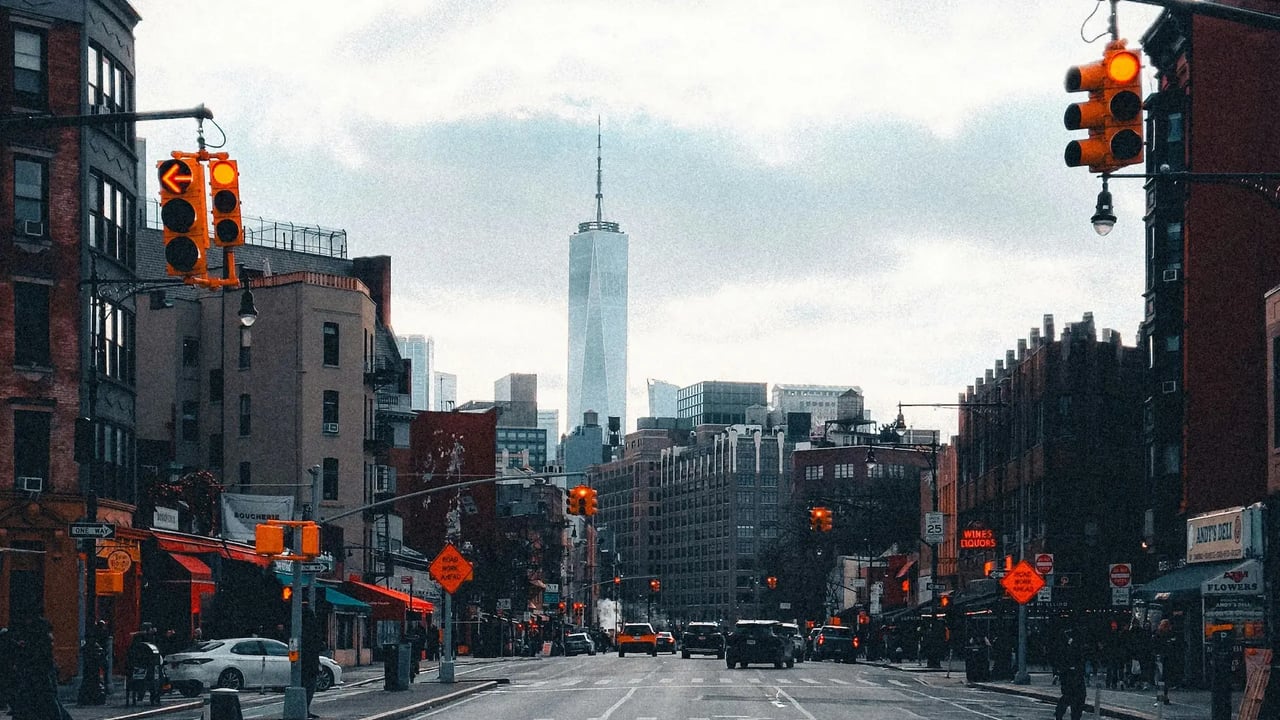
Why Landmark Protections Help Preserve Tribeca’s Unique Real Estate Identity
s
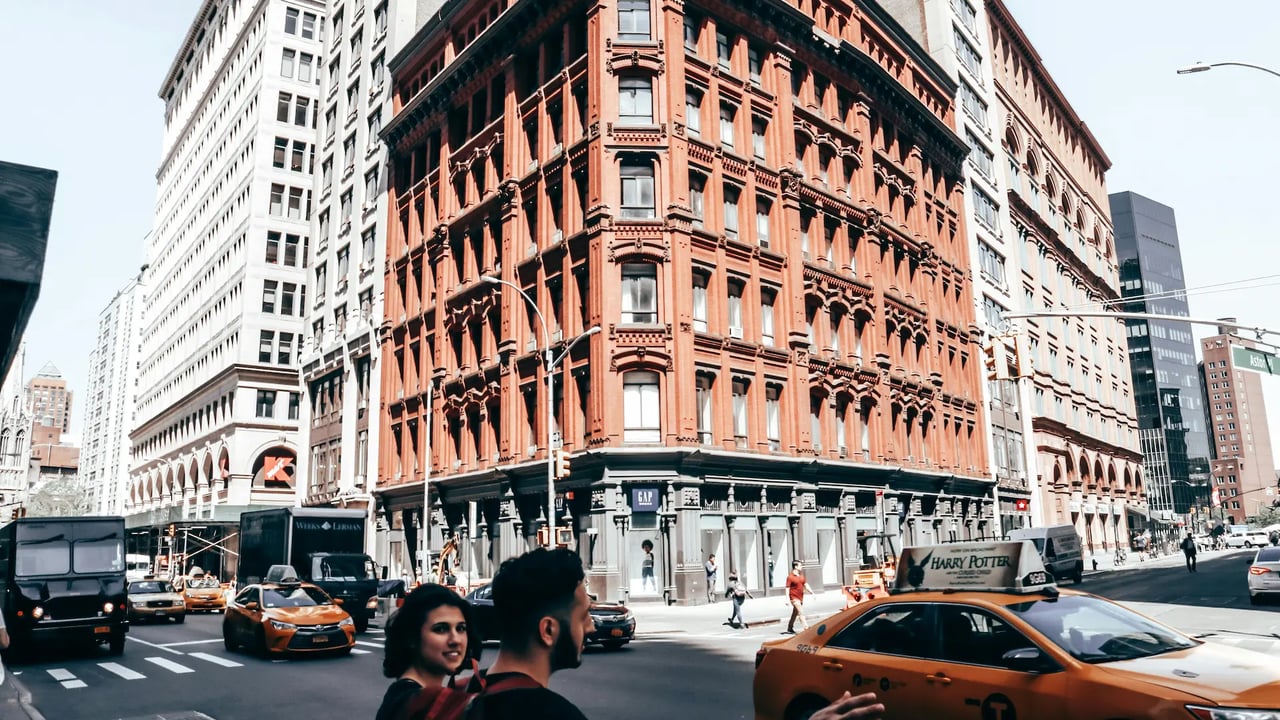
Why Manhattan’s Dining Culture Continues to Shape Luxury Living and Real Estate Demand
Neighborhood
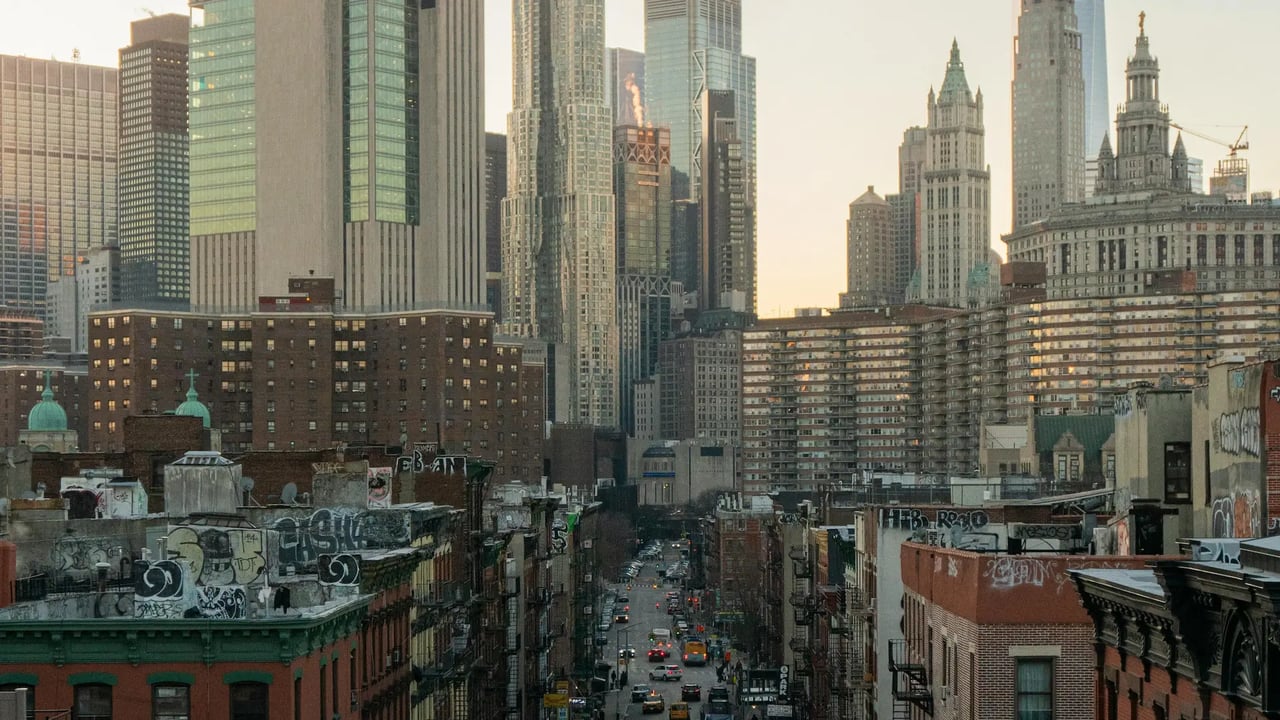
Why Investors Continue Watching Manhattan’s Most Evolving Neighborhood
Neighborhood
Why Investors Continue Targeting Brooklyn’s Most Competitive Neighborhood
Neighborhood
Why Hotels, Nightlife, and Cultural Energy Continue to Drive Housing Demand in Gramercy
Neighborhood
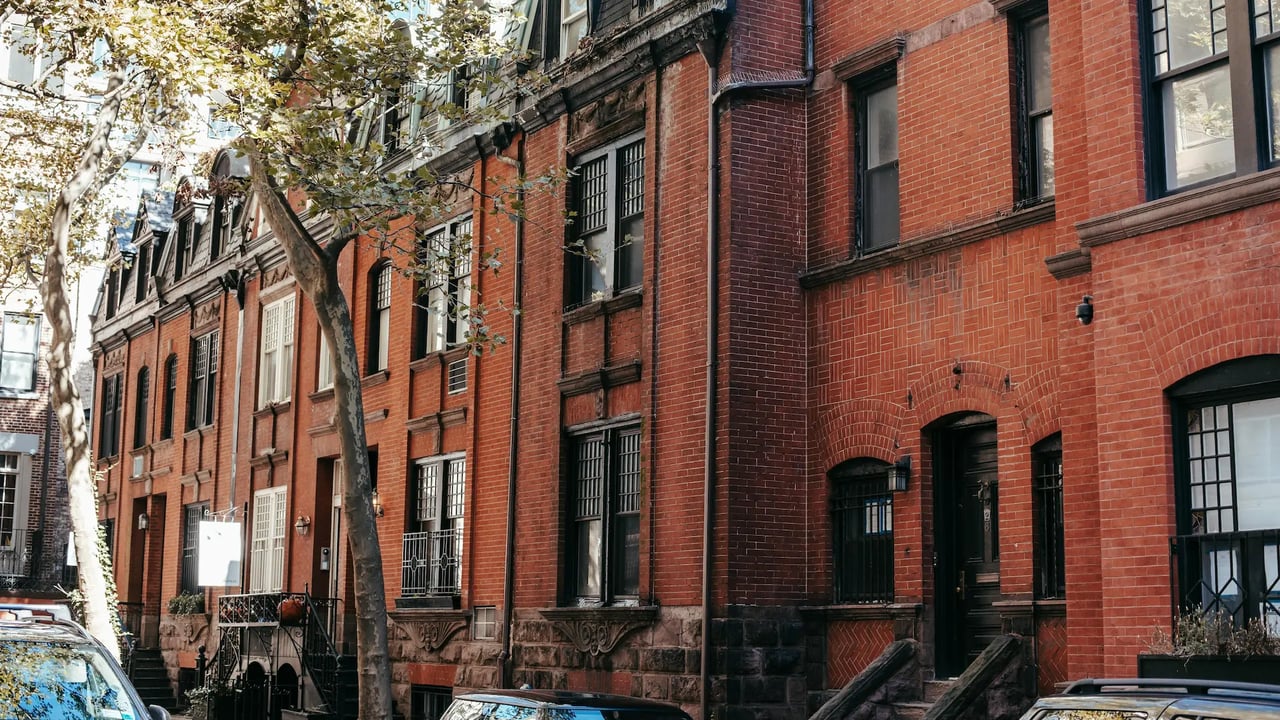
Understanding the Buying Process Behind One of Brooklyn’s Most Competitive Housing Markets
We love nothing more than helping buyers and sellers achieve their home-buying and selling goals. If you’ve got questions, we can’t wait to answer them.