Gramercy Park has always occupied a unique place in Manhattan real estate. It offers the elegance and quiet charm of a residential enclave while sitting just minutes from some of Downtown Manhattan’s busiest dining, hotel, and nightlife corridors. That balance is exactly what continues to make the neighborhood so desirable among buyers, renters, and investors.
Unlike purely residential sections of Manhattan that quiet down after business hours, Gramercy maintains a steady cultural rhythm throughout the day and evening. Boutique hotels, historic restaurants, cocktail lounges, live music venues, and private clubs all contribute to an atmosphere that feels sophisticated without becoming overwhelming. Over time, this hospitality ecosystem has become one of the strongest drivers behind local property demand.
For many buyers today, choosing a neighborhood is no longer only about square footage or commute times. It is about access to experiences, walkability, and lifestyle convenience. Gramercy Park delivers all three.
The Hospitality Effect on Real Estate Values
In Manhattan, neighborhoods with strong hospitality infrastructure often outperform comparable areas in both pricing and demand. Gramercy is a prime example. The presence of well-known hotels and cultural venues creates constant foot traffic, elevated neighborhood visibility, and a reputation for exclusivity.
This matters in real estate because perception directly affects value.
When buyers tour Gramercy properties, they are not only evaluating apartments. They are evaluating the entire surrounding experience. A buyer who can walk downstairs to a respected hotel lounge, an acclaimed restaurant, or a nearby jazz venue often sees greater long-term value in that location.
Hospitality presence also contributes to:
-
Stronger rental demand from professionals and international tenants
-
Higher resale appeal for pied-à-terre buyers
-
Increased neighborhood prestige
-
More stable property values during slower market cycles
Luxury buyers increasingly prioritize neighborhoods that feel active and connected rather than isolated. Gramercy’s hotel district helps create that energy without sacrificing the neighborhood’s residential identity.
How Boutique Hotels Shape Neighborhood Identity
The Gramercy Park Hotel historically played a major role in defining the area’s image. Even beyond its real estate impact, the property helped establish Gramercy as a creative and culturally sophisticated destination. The surrounding streets benefited from the increased attention brought by visitors, artists, executives, and nightlife crowds.
Today, even as the hospitality landscape evolves, that reputation continues to influence buyer psychology.
Boutique hotels contribute to neighborhoods differently than large commercial towers. They often attract upscale restaurants, cocktail bars, wellness concepts, and design-focused retail. These businesses improve the everyday experience for residents while also increasing neighborhood desirability for future buyers.
In Gramercy, this creates an atmosphere that feels polished yet approachable. Residents enjoy access to amenities typically associated with luxury travel while still living in a quiet residential setting.
Nightlife and Dining Continue to Attract Buyers
One reason Gramercy remains consistently attractive to younger professionals and high-income renters is its balance between nightlife and livability.
Residents can enjoy dinner at some of Manhattan’s most respected restaurants, walk to cocktail lounges or rooftop bars, and still return home to relatively peaceful tree-lined streets. That combination is difficult to find elsewhere in Manhattan.
The neighborhood particularly appeals to:
-
Finance and tech professionals working in Midtown or Downtown
-
International buyers seeking centrally located pied-à-terres
-
Empty nesters downsizing from larger Uptown homes
-
Creative professionals drawn to the area’s cultural identity
Unlike neighborhoods that rely heavily on club scenes or tourism, Gramercy’s nightlife feels more refined and neighborhood-oriented. That distinction helps preserve long-term residential appeal.
Cultural Venues Increase Long-Term Demand
Beyond restaurants and hotels, Gramercy benefits from proximity to cultural institutions and entertainment venues throughout Flatiron, Union Square, and the East Village. Residents have easy access to theaters, comedy clubs, art galleries, bookstores, and live music spaces.
This cultural accessibility adds another layer of value to the housing market.
Modern buyers increasingly seek neighborhoods where entertainment and community interaction happen naturally within walking distance. Gramercy offers exactly that environment. It feels connected to the city’s cultural core while remaining more intimate than neighborhoods like SoHo or Chelsea.
Over time, this strengthens demand because lifestyle-driven neighborhoods tend to attract repeat buyer interest across multiple generations.
The Residential Inventory Around Gramercy Park
The housing stock surrounding Gramercy Park remains one of the neighborhood’s biggest advantages. Buyers can choose from a wide range of architectural styles and property types.
Some of the most sought-after options include:
-
Classic prewar co-ops with high ceilings and original details
-
Luxury condominiums with hotel-style amenities
-
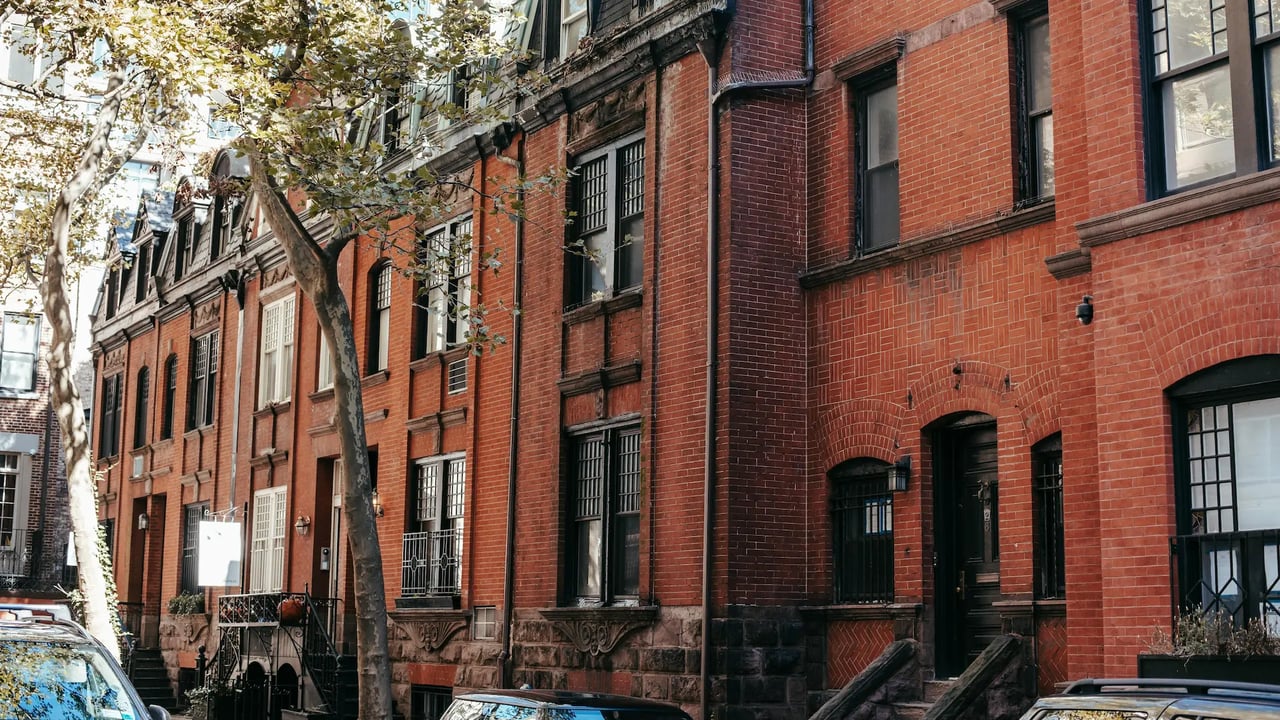
Historic townhouses on quiet side streets
-
Boutique loft conversions near Irving Place and Park Avenue South
Properties closest to hospitality corridors often command stronger prices because buyers value immediate access to dining and entertainment. At the same time, quieter blocks surrounding Gramercy Park itself continue to attract residents seeking privacy and exclusivity.
This diversity keeps the neighborhood competitive across different market segments.
Why Gramercy Continues to Perform Well
Neighborhoods that successfully combine residential comfort with hospitality and culture tend to remain resilient during changing market conditions. Gramercy has consistently demonstrated that strength.
The area benefits from:
-
Strong walkability
-
Diverse housing inventory
-
Established luxury reputation
-
Consistent rental demand
-
Limited new development supply
-
Access to dining, hotels, and entertainment
These factors help support both long-term appreciation and buyer confidence.
As Manhattan buyers continue prioritizing experience-driven living, neighborhoods like Gramercy are likely to remain highly competitive. People want homes that feel connected to the city’s energy while still offering a sense of retreat. Gramercy achieves that balance better than almost anywhere else in Downtown Manhattan.
Exploring Gramercy Real Estate Opportunities
Whether you are searching for a historic co-op near Gramercy Park or a modern condo close to Park Avenue South’s hotel corridor, understanding the neighborhood’s hospitality influence is essential when evaluating long-term value.
At Archpoint Advisory, we help buyers and investors identify properties positioned to benefit from both residential demand and lifestyle-driven market trends.
If you are considering buying, selling, or investing in Gramercy, our team can guide you through the buildings, blocks, and opportunities shaping one of Manhattan’s most consistently desirable neighborhoods.