Brooklyn Heights Co-op Market: Board Requirements and Building Culture
Neighborhood
Neighborhood
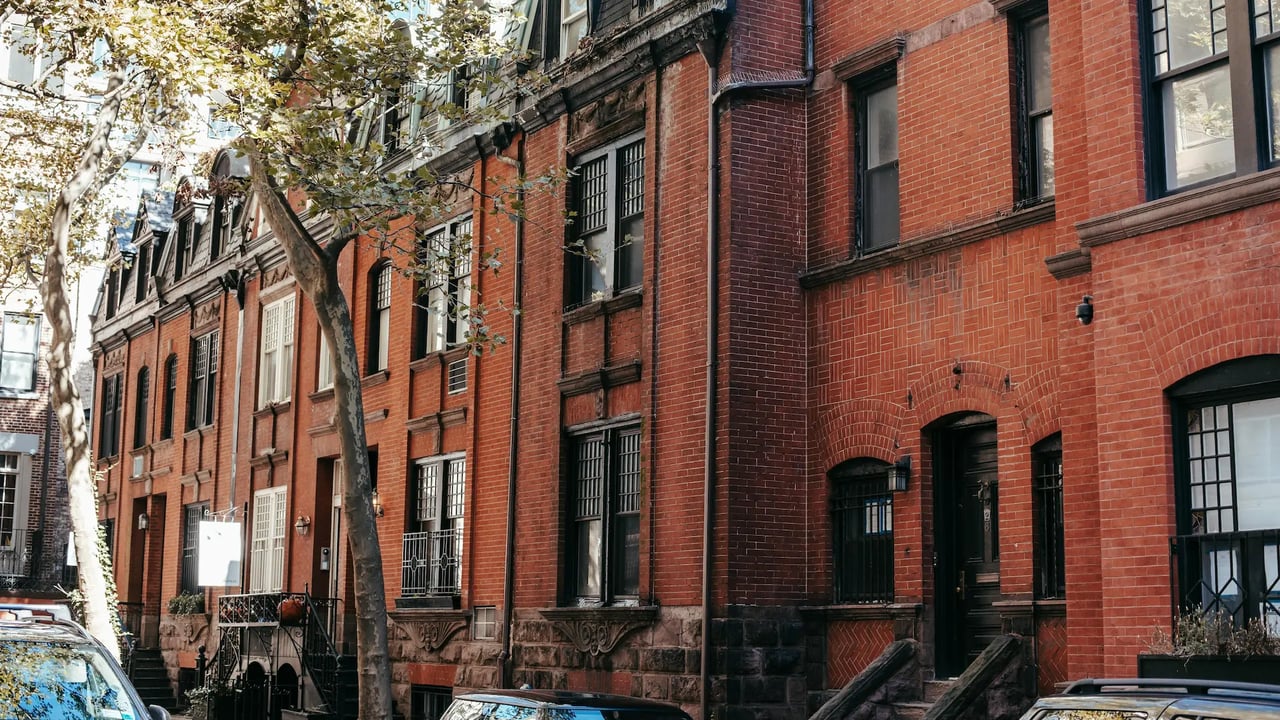
Brooklyn Heights has long been one of New York City’s most desirable residential neighborhoods. Tree-lined streets, historic brownstones, waterfront access, and a quieter pace than Manhattan continue to attract buyers looking for classic New York charm with long-term value. What many first-time buyers quickly discover, however, is that purchasing property here often means entering the world of co-ops.
Unlike many newer neighborhoods dominated by condominiums, Brooklyn Heights remains heavily shaped by cooperative housing. In fact, many of the area’s most beautiful prewar buildings are co-ops with deeply established communities, detailed approval processes, and unique building cultures that can influence both the buying experience and long-term ownership.
For buyers entering the Brooklyn Heights co-op market, understanding how these buildings operate is just as important as understanding pricing or square footage.
Brooklyn Heights developed long before the modern condo boom transformed neighborhoods like Long Island City or Downtown Brooklyn. Many residential buildings were established as cooperatives decades ago, particularly throughout the mid-century conversion era when rental buildings transitioned into resident-owned housing corporations.
Today, co-ops still represent a significant portion of the neighborhood’s housing inventory because they offer something many buyers specifically want:
Financially stable buildings
Long-term residents who protect property values
Lower purchase prices compared to nearby condos
A stronger sense of community and neighborhood continuity
For many residents, Brooklyn Heights co-ops feel less transactional than condo towers. Buyers are not simply purchasing an apartment. They are joining a building community with shared expectations and long-standing traditions.
One of the biggest differences between buying a co-op and buying a condo is the board approval process. In Brooklyn Heights, this process can be particularly detailed because many buildings are financially conservative and highly selective about incoming shareholders.
While every building operates differently, most buyers should expect the following:
Brooklyn Heights co-op boards typically prefer buyers with substantial post-closing liquidity. Many buildings require:
Two years of mortgage and maintenance payments in reserve
Conservative debt-to-income ratios
Stable employment history
High credit scores
Some buildings also limit financing entirely or require larger down payments. Twenty percent down is often considered the minimum, while certain luxury co-ops may expect thirty to fifty percent.
This financial scrutiny helps explain why many Brooklyn Heights co-ops remain financially stable even during slower housing markets.
In competitive co-op buildings, the board package functions almost like a professional presentation. It includes financial documents, employment verification, tax returns, bank statements, reference letters, and personal disclosures.
Buyers are often surprised by how detailed the process becomes. Some boards may request:
Employer recommendation letters
Personal references from neighbors or colleagues
Explanations for large bank deposits
Renovation plans before approval
A poorly organized package can delay approval or create unnecessary concerns. Experienced NYC agents and real estate attorneys play an important role in helping buyers prepare a complete and polished submission.
One aspect of co-op buying that many outsiders underestimate is building culture. Every co-op develops its own personality over time.
Some Brooklyn Heights buildings are known for being family-oriented and quiet. Others attract professionals seeking classic prewar architecture and long-term ownership. Certain buildings are more flexible with pied-à-terres or gifting, while others maintain stricter residency expectations.
That culture can directly impact buyer approval.
For example, a board may favor buyers who intend to occupy the apartment full-time over investors looking for occasional use. Buildings with many long-term residents may also prioritize buyers who appear committed to remaining in the community for years rather than treating the property as a short-term investment.
This is one reason local expertise matters. Understanding a building’s personality can help buyers avoid mismatches before they spend time and money pursuing an apartment.
The approval process can feel intimidating at first, especially for buyers coming from markets where transactions move quickly and privately. Yet many Brooklyn Heights residents believe the additional screening benefits the overall ownership experience.
Co-op buildings often maintain:
Lower resident turnover
Better financial reserves
Stronger maintenance standards
More consistent building policies
Stable long-term property values
As a result, buyers are often willing to accept stricter requirements in exchange for a more predictable ownership environment.
In many ways, co-op living reflects the broader character of Brooklyn Heights itself. The neighborhood values preservation, community identity, and long-term investment over rapid turnover or speculative development.
Before entering the Brooklyn Heights co-op market, buyers should prepare for a slower and more documentation-heavy process compared to condo purchases.
Some important early steps include:
Getting fully pre-approved by a lender familiar with NYC co-ops
Reviewing building financial statements carefully
Understanding sublet and renovation rules
Working with an agent experienced in co-op transactions
Keeping financial records organized and accessible
Preparation matters because highly desirable apartments often move quickly despite the board process.
Even as luxury condo developments continue expanding across Brooklyn, co-ops remain the backbone of Brooklyn Heights real estate. Buyers are drawn to their architectural character, established communities, and long-term stability.
For many residents, living in a Brooklyn Heights co-op offers something increasingly difficult to find in New York City: a genuine neighborhood atmosphere combined with historic charm and lasting value.
The process may require patience, organization, and flexibility, but buyers who successfully navigate the co-op market often gain access to some of the most desirable homes in Brooklyn.
At Archpoint Advisory, we help clients understand not only the numbers behind a purchase, but also the personalities and policies that shape each building. In Brooklyn Heights, that insider knowledge can make all the difference.
Stay up to date on the latest real estate trends.
Neighborhood
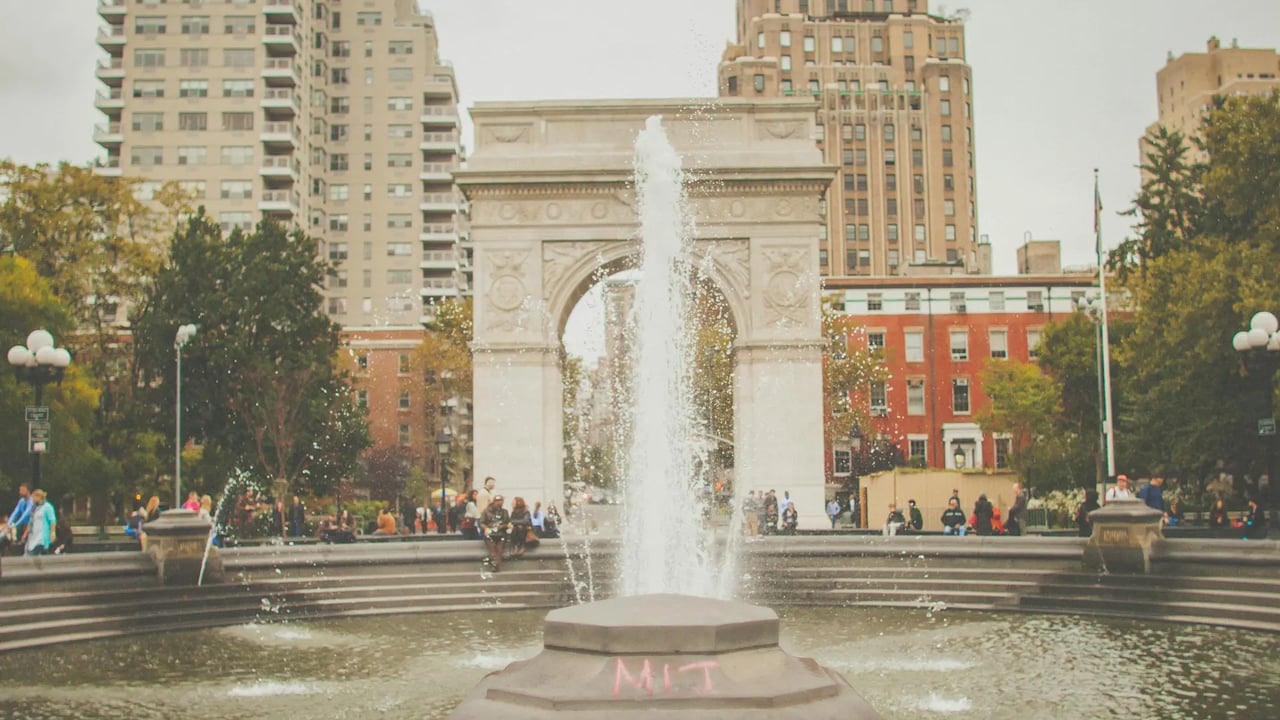
Why Green Space and Academic Influence Continue to Drive Demand in One of Manhattan's Most Desirable Neighborhoods
Neighborhood
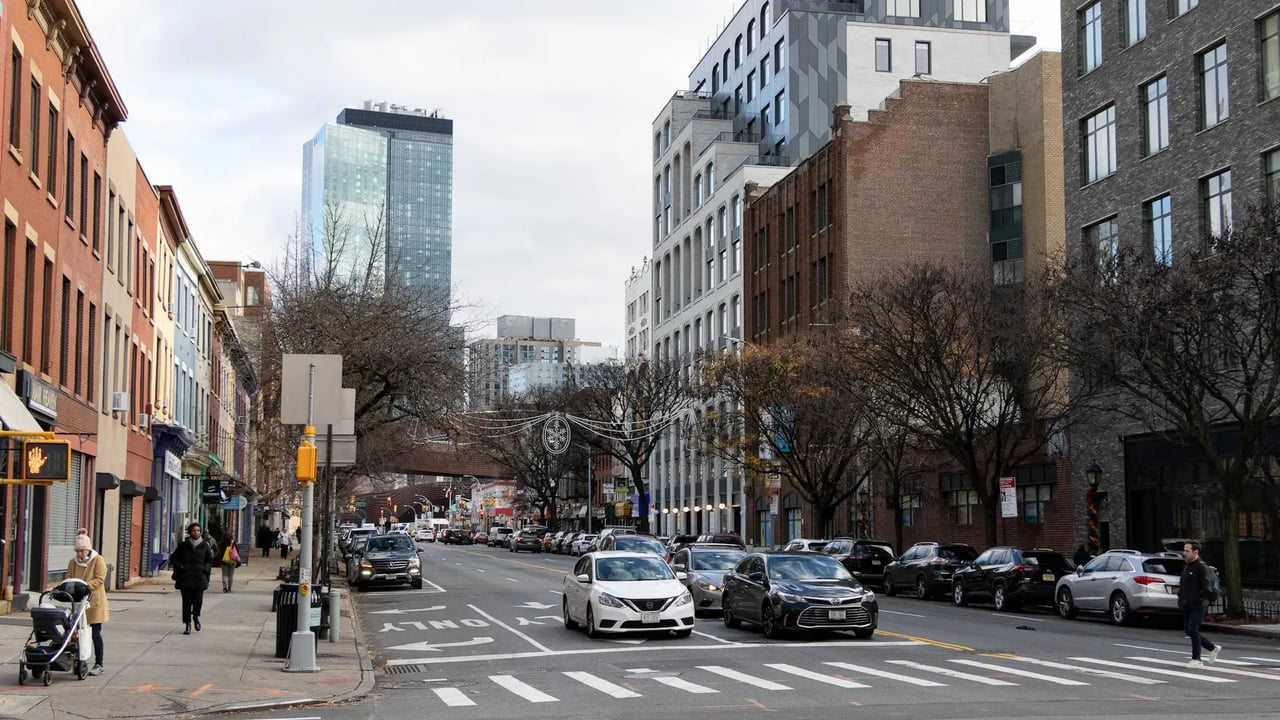
Why Retail Convenience Continues to Drive Housing Demand in One of Brooklyn's Most Desirable Neighborhoods

Neighborhood
How New Construction Is Reshaping One of Manhattan’s Most Competitive Residential Markets

Neighborhood
Why Landmark Protections Help Preserve Tribeca’s Unique Real Estate Identity

s
Why Manhattan’s Dining Culture Continues to Shape Luxury Living and Real Estate Demand

Neighborhood
Why Investors Continue Watching Manhattan’s Most Evolving Neighborhood

Neighborhood
Why Investors Continue Targeting Brooklyn’s Most Competitive Neighborhood
Neighborhood
Why Hotels, Nightlife, and Cultural Energy Continue to Drive Housing Demand in Gramercy
Neighborhood
Understanding the Buying Process Behind One of Brooklyn’s Most Competitive Housing Markets
We love nothing more than helping buyers and sellers achieve their home-buying and selling goals. If you’ve got questions, we can’t wait to answer them.