Flatiron District Investment Guide: Market Analysis and Growth Potential
Neighborhood
Neighborhood
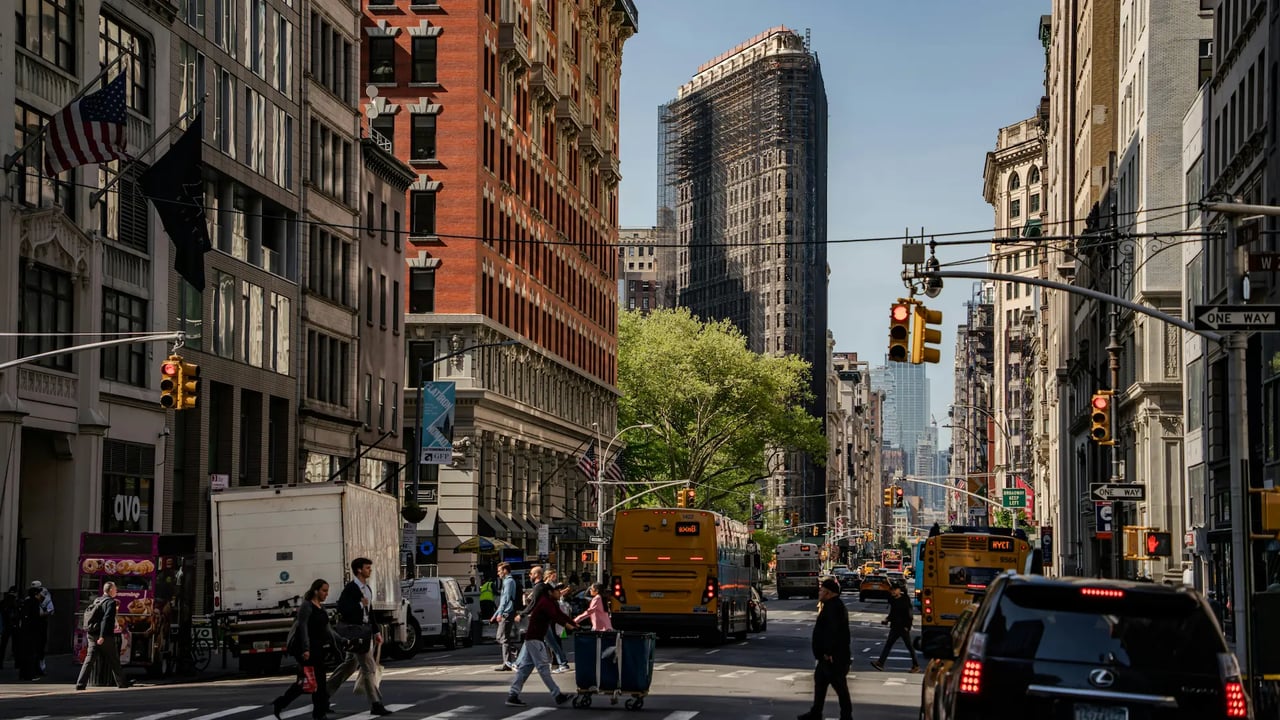
The Flatiron District has quietly evolved into one of Manhattan’s strongest long-term investment neighborhoods. While areas like Tribeca and the West Village often dominate headlines, Flatiron continues attracting serious buyers, institutional investors, and high-income renters looking for a balance of location, lifestyle, and financial stability.
Positioned between Midtown, Chelsea, Union Square, and NoMad, Flatiron benefits from something many Manhattan neighborhoods struggle to maintain: consistent demand from both residents and businesses. The neighborhood combines luxury residential living, major office presence, dining destinations, and access to Madison Square Park in a way that supports property values across multiple market cycles.
For investors looking beyond short-term market fluctuations, Flatiron remains one of the most dependable neighborhoods in Manhattan real estate.
Over the past decade, Flatiron property values have remained among the highest in Manhattan. According to recent market data, median listing prices in the neighborhood continue hovering around the multi-million-dollar range, while price-per-square-foot figures remain highly competitive compared to surrounding downtown markets.
Although Manhattan experienced periods of price normalization after the pandemic boom, Flatiron has held its position as a premium market because of limited inventory and sustained demand from affluent buyers.
Several factors continue supporting appreciation potential:
Limited residential supply
High concentration of luxury condos and loft conversions
Strong walkability and transportation access
Continued office and tech-sector activity
Ongoing luxury redevelopment projects
The neighborhood’s small geographic footprint also plays a major role. Flatiron is compact compared to larger Manhattan districts, meaning new inventory enters the market slowly. Scarcity continues helping maintain pricing power even during slower sales periods.
Recent data from Zillow showed Flatiron home values rising year-over-year, reinforcing the area’s long-term stability despite broader market adjustments.
One of the biggest reasons investors continue targeting Flatiron is rental performance.
The neighborhood attracts a high-income tenant base that includes finance professionals, tech employees, startup founders, consultants, and international renters. Many tenants specifically choose Flatiron because it sits within walking distance of Midtown South offices while still offering a residential atmosphere.
Recent rental market reports show:
Average one-bedroom rents around $6,100 per month
Vacancy rates below 2%
Rental price growth approaching 6% year-over-year
Median neighborhood rents exceeding $8,000 monthly in some luxury segments
Low vacancy is especially important for investors. In Manhattan, consistent occupancy often matters more than chasing maximum rent increases. Flatiron properties tend to lease quickly because supply remains tight while demand continues growing.
The neighborhood’s rental market also benefits from changing workplace patterns. As more professionals adopt hybrid schedules, tenants increasingly prioritize neighborhoods that offer convenience, dining, wellness amenities, and outdoor access within walking distance. Flatiron checks all of those boxes.
Flatiron’s identity as part of “Silicon Alley” continues driving residential demand. Major tech firms, digital agencies, media companies, and startups maintain offices throughout Midtown South and neighboring districts.
That corporate presence supports both condo purchases and luxury rentals.
Unlike purely residential neighborhoods, Flatiron benefits from daytime economic activity that keeps restaurants, retail, and services thriving throughout the week. Investors often overlook how important commercial stability can be when evaluating residential real estate performance.
The result is a neighborhood that feels active year-round rather than seasonal.
This mixed-use dynamic helps protect property values because demand comes from multiple buyer groups:
Primary residents
Investors
Corporate renters
International buyers
Pied-à-terre purchasers
Short-term executive housing demand
Flatiron is also seeing continued investment through luxury redevelopment projects and high-end residential conversions.
One of the biggest recent examples is the historic conversion of the iconic Flatiron Building into luxury residences. The project has generated major attention within the Manhattan luxury market and reinforces investor confidence in the neighborhood’s future positioning.
Developments like these matter because they reset buyer expectations and pricing benchmarks. Every new luxury project raises visibility for surrounding inventory and increases neighborhood prestige.
Investors are also paying attention to:
Boutique condo developments
Wellness-focused residential amenities
Historic loft conversions
Modernized prewar buildings
Premium retail expansion around Fifth Avenue and Broadway
As luxury inventory improves, Flatiron continues competing more directly with Tribeca, NoMad, and parts of Chelsea for high-net-worth buyers.
Short-term speculation is difficult in Manhattan real estate. The strongest returns often come from neighborhoods with consistent long-term fundamentals, and Flatiron continues checking those boxes.
Investors are drawn to the area because it offers:
Strong rental demand
High-income tenant profiles
Stable appreciation trends
Limited future supply
Prime central Manhattan location
Excellent transportation access
Lifestyle-driven buyer demand
The neighborhood also benefits from emotional appeal. Buyers are not just purchasing square footage. They are buying proximity to Madison Square Park, Fifth Avenue retail, celebrated restaurants, and one of Manhattan’s most walkable districts.
That emotional connection helps support pricing even during slower economic periods.
For investors seeking stable long-term Manhattan exposure, Flatiron remains one of the safest premium-market plays available today.
While entry prices are undeniably high, the neighborhood continues showing resilience through rental growth, redevelopment activity, and strong buyer demand. Manhattan inventory constraints and ongoing demand for centrally located luxury housing are likely to continue supporting property values over time.
Flatiron may not deliver the rapid speculative growth of emerging outer-borough markets, but it offers something many investors prioritize more: consistency.
For buyers focused on long-term appreciation, strong rental fundamentals, and enduring neighborhood prestige, Flatiron continues standing out as one of Manhattan’s most reliable real estate investments.
Stay up to date on the latest real estate trends.

Neighborhood
Why Green Space and Academic Influence Continue to Drive Demand in One of Manhattan's Most Desirable Neighborhoods
Neighborhood
Why Retail Convenience Continues to Drive Housing Demand in One of Brooklyn's Most Desirable Neighborhoods

Neighborhood
How New Construction Is Reshaping One of Manhattan’s Most Competitive Residential Markets

Neighborhood
Why Landmark Protections Help Preserve Tribeca’s Unique Real Estate Identity

s
Why Manhattan’s Dining Culture Continues to Shape Luxury Living and Real Estate Demand
Neighborhood
Why Investors Continue Watching Manhattan’s Most Evolving Neighborhood
Neighborhood
Why Investors Continue Targeting Brooklyn’s Most Competitive Neighborhood
Neighborhood
Why Hotels, Nightlife, and Cultural Energy Continue to Drive Housing Demand in Gramercy
Neighborhood
Understanding the Buying Process Behind One of Brooklyn’s Most Competitive Housing Markets
We love nothing more than helping buyers and sellers achieve their home-buying and selling goals. If you’ve got questions, we can’t wait to answer them.