St. Marks Place Culture: How Counterculture Heritage Affects East Village Real Estate
Neighborhood
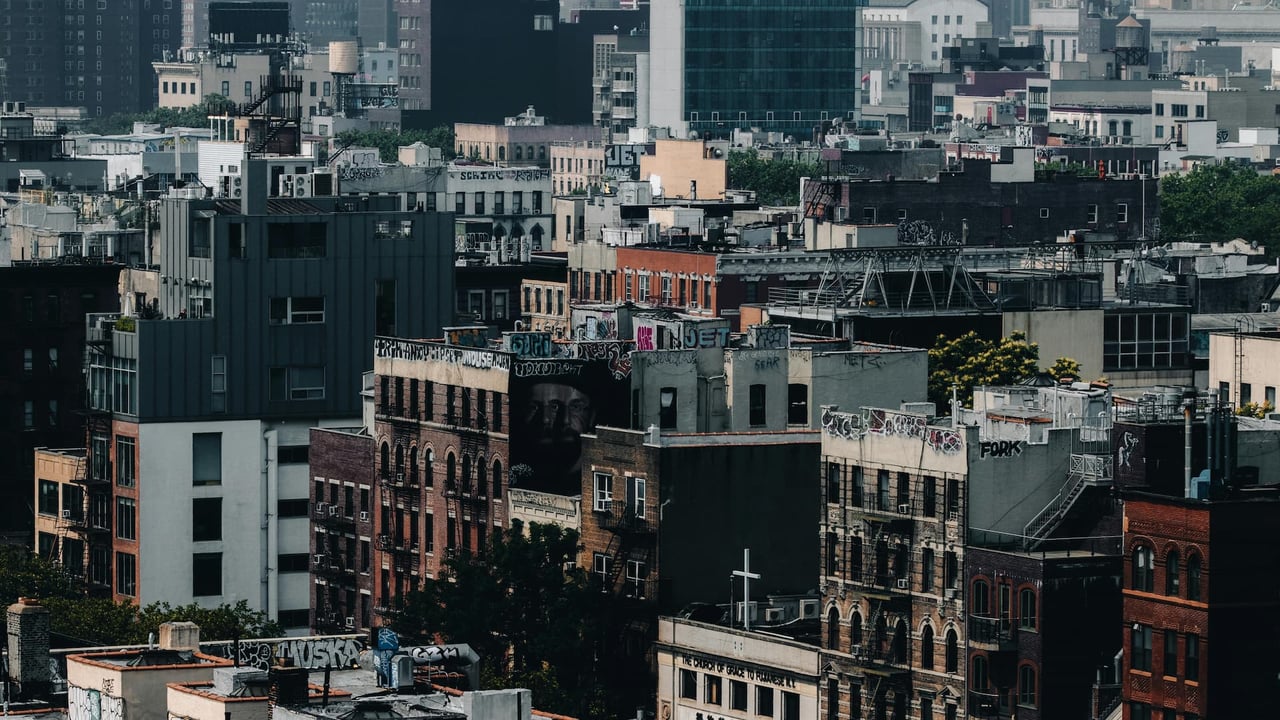
Neighborhood
In New York City, real estate value is never just about location on a map. It is about identity, history, and the feeling a neighborhood gives you when you walk through it. Few streets capture that idea better than St. Marks Place.
Running through the heart of the East Village, St. Marks Place has long been a symbol of counterculture, creative energy, and independent thinking. From punk music and poetry to underground art scenes and immigrant history, the street has shaped how people see the East Village today.
That identity still matters in real estate. In fact, it is one of the key reasons the East Village continues to attract buyers, renters, and long-term investors despite constant change across Manhattan.
St. Marks Place is not just another Manhattan block. It has been a cultural anchor for decades.
In the 1960s and 1970s, the street became a magnet for artists, writers, and musicians who could not afford or did not want mainstream neighborhoods. It later evolved into a hub for punk rock, DIY fashion, experimental theater, and independent bookstores.
Even today, the street carries that energy. Vintage shops sit next to Japanese restaurants, tattoo studios, and record stores. The mix feels intentional, even if it is constantly evolving.
This cultural layering matters. In real estate, identity creates demand. Buyers are not just purchasing apartments. They are buying into a neighborhood story.
At first glance, it may not seem obvious how counterculture history affects property pricing. But in Manhattan, perception plays a major role in demand.
The East Village benefits from three major cultural drivers:
Strong neighborhood identity: Buyers know what the East Village represents. It feels different from SoHo or the Upper East Side. That distinction creates emotional attachment.
High lifestyle appeal for younger buyers: The area continues to attract creatives, professionals, and international renters who want walkability, nightlife, and authenticity.
Limited land and tight housing stock: Much of the East Village is low-rise or preserved, which limits large-scale development and supports long-term pricing stability.
The result is a neighborhood where history and scarcity work together to support property values.
Despite rising prices across downtown Manhattan, demand in the East Village remains steady. Buyers are often drawn to a combination of lifestyle and authenticity that is hard to replicate elsewhere.
Common reasons include:
Walkable access to restaurants, cafés, and nightlife
A strong sense of neighborhood character rather than uniform luxury
Proximity to NYU, downtown offices, and subway lines
A balance between historic buildings and modern condo conversions
A more relaxed feel compared to Midtown or FiDi
For many buyers, the East Village is not about perfection. It is about personality.
Even as the neighborhood evolves, St. Marks Place continues to act as a cultural reference point. It is one of the few streets in Manhattan that people recognize immediately by name, even if they do not live in New York.
That recognition adds value in subtle but important ways:
Brand identity for the neighborhood: St. Marks reinforces the East Village as a cultural destination, not just a residential area.
Tourism and foot traffic support local business stability: Constant activity keeps retail corridors alive, which strengthens overall street appeal.
Long-term desirability for renters and buyers: People want to live near places with history and energy, not just new construction.
In real estate terms, this creates a “lifestyle premium” that supports pricing even when market conditions fluctuate.
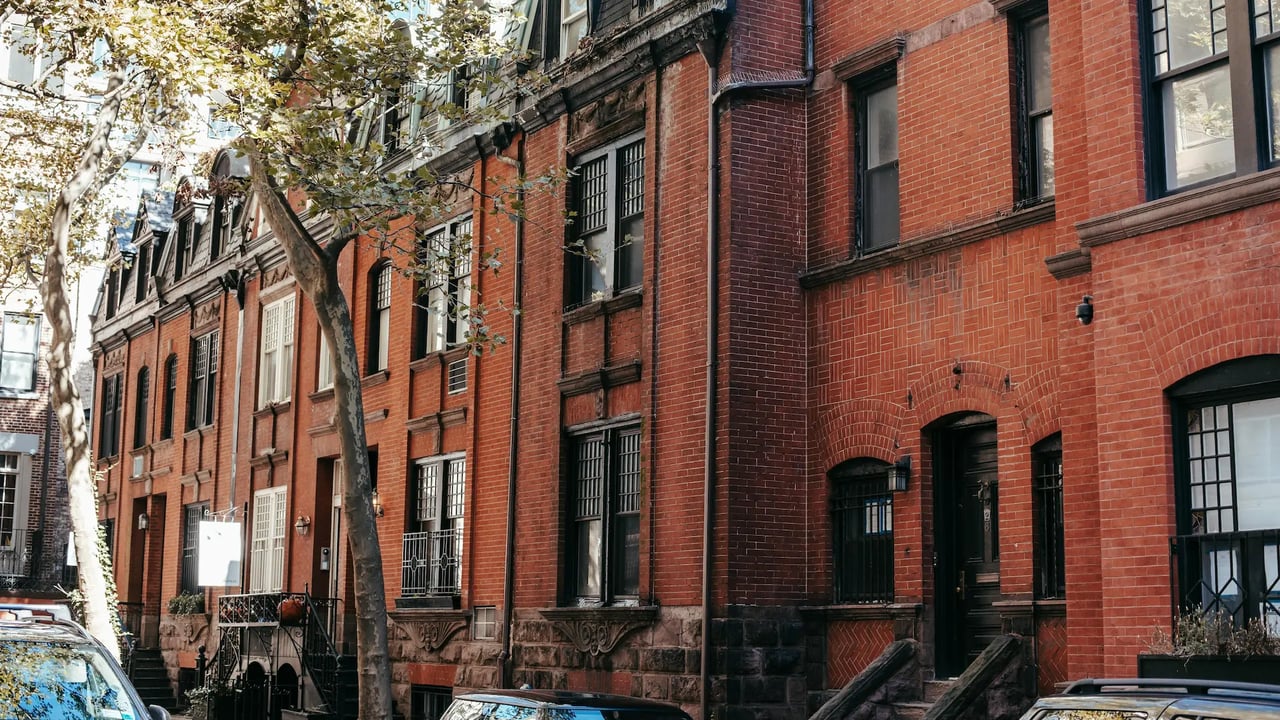
The East Village offers a mix of housing styles that reflect its layered history. Instead of uniform towers, the area is defined by variety.
Typical property types include:
Pre-war walk-ups and co-ops: Often found on quieter side streets, these buildings attract long-term residents who value charm over amenities.
Small luxury condo conversions: These properties combine historic structures with modern interiors, appealing to buyers who want both character and convenience.
New boutique developments: Limited in scale, but often designed to blend into the neighborhood fabric rather than dominate it.
Investor-friendly rental buildings: These continue to attract steady tenant demand due to proximity to transit and nightlife.
Each property type reflects a different part of the East Village identity, but all benefit from the same underlying demand drivers.
Yes, but in a more refined way than in past decades.
The East Village is no longer purely an underground scene. It has matured into a globally recognized neighborhood that balances history with modern living. However, its counterculture roots still shape how people perceive it.
That perception creates a unique market position:
It is more authentic than newly developed luxury districts
It is more established than emerging outer-borough neighborhoods
It offers a balance of culture, convenience, and long-term stability
In real estate, that middle ground is powerful. It attracts both emotional buyers and strategic investors.
St. Marks Place proves that real estate is not only about buildings. It is about stories, identity, and the way a neighborhood makes people feel.
The East Village continues to hold its value because it offers something rare in Manhattan: a true sense of place. From historic counterculture roots to today’s modern lifestyle demand, the neighborhood has managed to preserve its personality while still evolving with the city.
For buyers and investors, that combination is difficult to find anywhere else in New York.
Stay up to date on the latest real estate trends.
Neighborhood
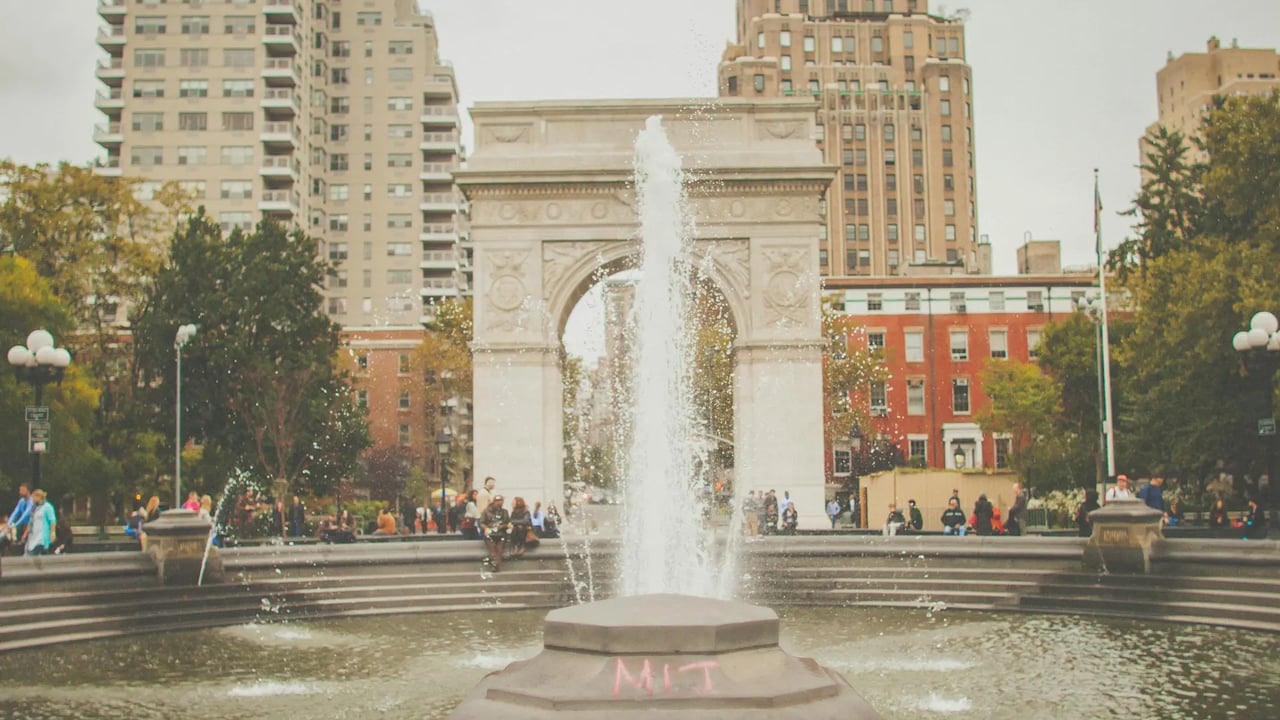
Why Green Space and Academic Influence Continue to Drive Demand in One of Manhattan's Most Desirable Neighborhoods
Neighborhood
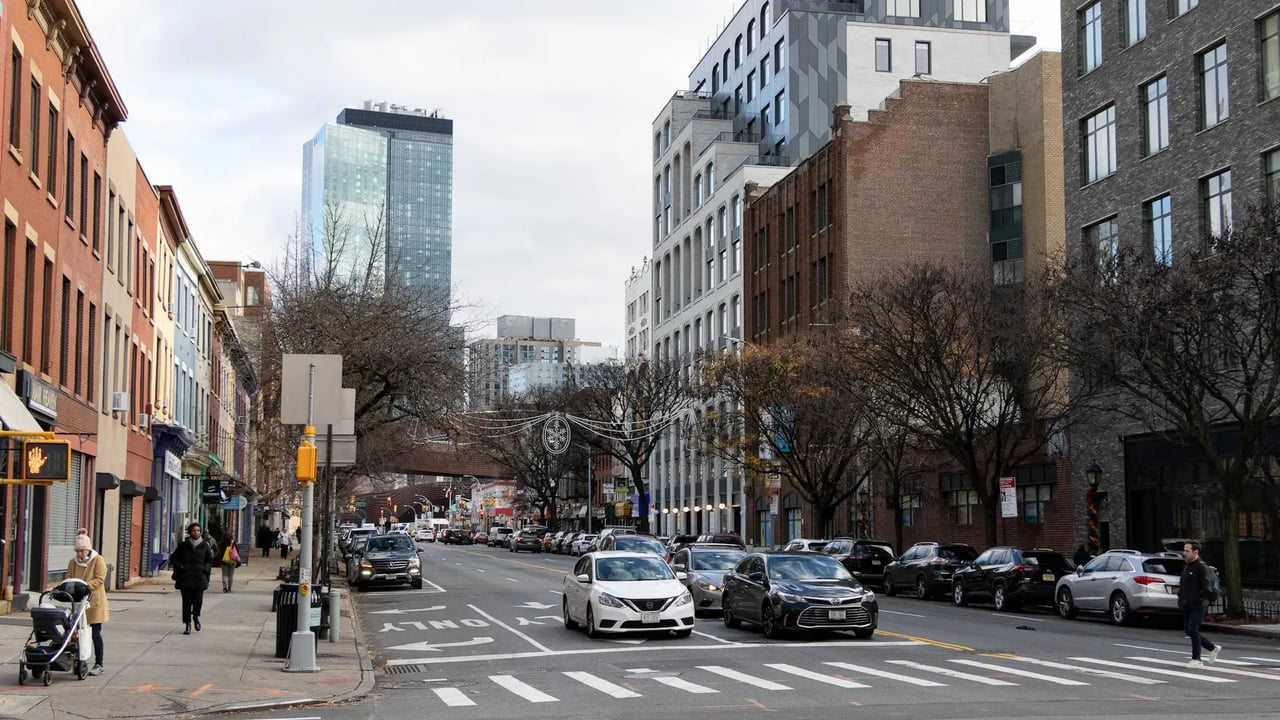
Why Retail Convenience Continues to Drive Housing Demand in One of Brooklyn's Most Desirable Neighborhoods
Neighborhood
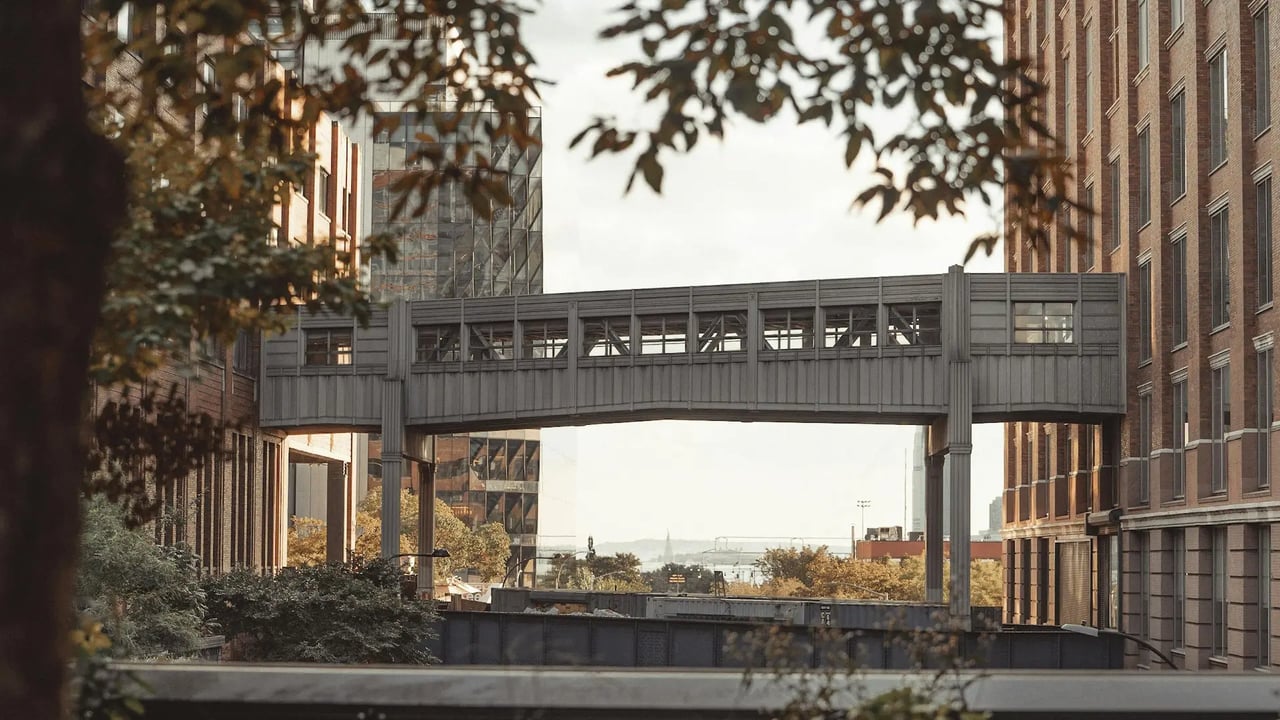
How New Construction Is Reshaping One of Manhattan’s Most Competitive Residential Markets
Neighborhood
Why Landmark Protections Help Preserve Tribeca’s Unique Real Estate Identity
s
Why Manhattan’s Dining Culture Continues to Shape Luxury Living and Real Estate Demand
Neighborhood
Why Investors Continue Watching Manhattan’s Most Evolving Neighborhood
Neighborhood
Why Investors Continue Targeting Brooklyn’s Most Competitive Neighborhood
Neighborhood
Why Hotels, Nightlife, and Cultural Energy Continue to Drive Housing Demand in Gramercy
Neighborhood
Understanding the Buying Process Behind One of Brooklyn’s Most Competitive Housing Markets
We love nothing more than helping buyers and sellers achieve their home-buying and selling goals. If you’ve got questions, we can’t wait to answer them.