Investing in Tribeca Real Estate: Market Trends, ROI, and Portfolio Strategy
Neighborhood
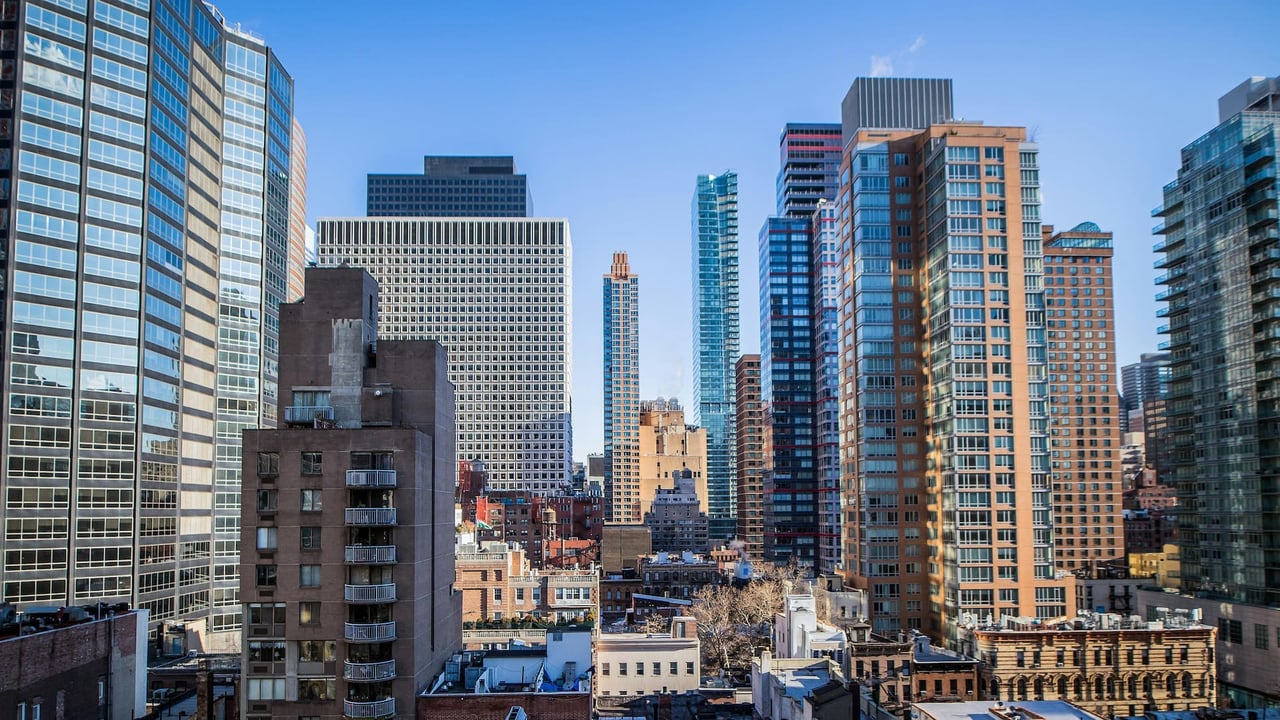
Neighborhood
Tribeca has long held a unique position in New York City real estate. It is not just one of the most expensive neighborhoods in Manhattan, it is also one of the most consistent performers from an investment standpoint. For serious investors, Tribeca represents a rare combination of capital preservation, steady appreciation, and strong long-term demand.
Unlike trend-driven neighborhoods that rise and fall with cycles, Tribeca operates more like a blue-chip asset. The fundamentals are clear. Limited inventory, high-income buyers, and architectural scarcity continue to support pricing even during uncertain market conditions.
Tribeca’s current market data reinforces its position as a top-tier investment location. As of early 2026, average home values sit around $3.7 million, reflecting annual growth between 6.7% and 7.5%.
Recent sales data shows even stronger movement in the luxury segment. Median sale prices reached approximately $3.67 million, marking an 11.4% year-over-year increase. Meanwhile, some reports show median prices climbing as high as $4.4 million with over 26% annual growth in certain segments of the market.
This level of price resilience is not accidental. It is driven by several structural advantages:
Tight inventory supply due to historic zoning and limited new development
High concentration of cash buyers, reducing dependency on financing cycles
Consistent global demand from investors seeking stable U.S. assets
Preference for large, high-quality residences, especially post-2020
Even when transaction volume slows, pricing tends to hold. That is a key signal for investors focused on long-term value rather than short-term flips.
Investing in Tribeca is less about chasing aggressive yields and more about building a durable, appreciating portfolio. Returns typically come from three primary sources:
Tribeca has demonstrated steady appreciation over time, with annual growth commonly ranging between 5% and 10%, depending on the asset and timing. Recent data showing double-digit gains reinforces the strength of the current cycle.
This appreciation is supported by scarcity. Unlike emerging neighborhoods, Tribeca cannot easily add supply. That constraint protects long-term pricing power.
While Tribeca is not known for high cap rates, it offers reliable rental performance. Median rents are currently around $7,495 per month, with continued year-over-year growth.
Tenants in this market tend to be:
Corporate executives
International professionals
High-income renters between purchases
This results in lower vacancy risk and more predictable income streams compared to other NYC submarkets.
For many investors, Tribeca functions as a hedge rather than a speculative play. During market slowdowns, prime neighborhoods tend to retain value better than mid-tier locations.
The combination of high entry price points and a global buyer pool creates a floor under pricing. Even in softer conditions, well-located properties remain liquid.
Not all Tribeca properties perform equally. Strategic investors focus on asset selection, not just location.
The most desirable property types include:
Authentic loft conversions with high ceilings and original architectural details
Boutique luxury condominiums with limited units and strong design identity
Full-floor residences that offer privacy and exclusivity
Waterfront or park-adjacent properties with long-term lifestyle appeal
Buyers consistently prioritize space, light, and quality over sheer square footage. Properties that check these boxes tend to outperform during both strong and slow markets.
Serious investors rarely treat Tribeca as a standalone purchase. Instead, it is often used as a core holding within a broader real estate portfolio.
Here are three common strategies:
Investors acquire a high-quality Tribeca property and hold it long term. The goal is steady appreciation and capital preservation, similar to owning a blue-chip stock.
Some investors balance lower rental yields with long-term upside. They lease the property for several years while benefiting from appreciation, then exit during a strong market cycle.
Ultra-high-net-worth buyers often allocate capital into premium Tribeca properties as part of a global real estate portfolio. These assets are less about income and more about wealth storage and legacy ownership.
Even in a strong market, disciplined investors account for potential risks:
Longer selling timelines, with average days on market increasing to around 90 days
Higher entry costs, which limit short-term flexibility
Market sensitivity at the ultra-luxury level, especially above $10 million
However, these risks are typically offset by the neighborhood’s long-term stability and buyer depth.
Tribeca continues to rank among the most expensive neighborhoods in New York City, often competing directly with Hudson Yards and Central Park-adjacent areas.
What separates Tribeca is its balance. It offers:
Historic charm combined with modern luxury
Low-density living within Manhattan
Strong community appeal for families and professionals
Consistent international demand
For investors, these factors create a rare environment where both emotional and financial value align.
Investing in Tribeca real estate is not about timing the market perfectly. It is about entering a market that has proven its resilience across cycles.
With average values exceeding $3.7 million and consistent year-over-year growth, Tribeca remains one of the most reliable locations for long-term real estate investment in New York City.
For those building a serious property portfolio, it represents a strategic anchor. One that delivers stability, prestige, and measurable returns over time.
Looking to invest in Tribeca? At Archpoint Advisory, we help clients identify high-performing assets, including off-market opportunities that align with long-term investment goals.
Reach out to explore current opportunities and build a smarter NYC real estate portfolio.
Stay up to date on the latest real estate trends.
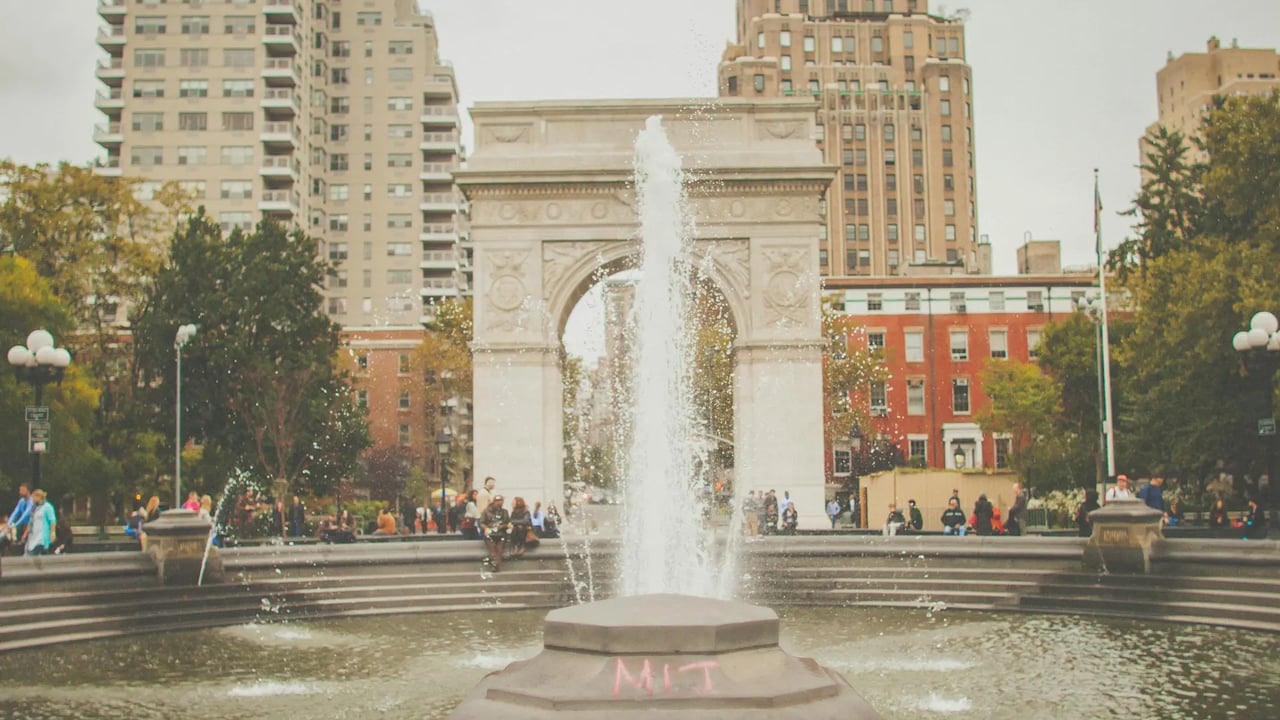
Neighborhood
Why Green Space and Academic Influence Continue to Drive Demand in One of Manhattan's Most Desirable Neighborhoods
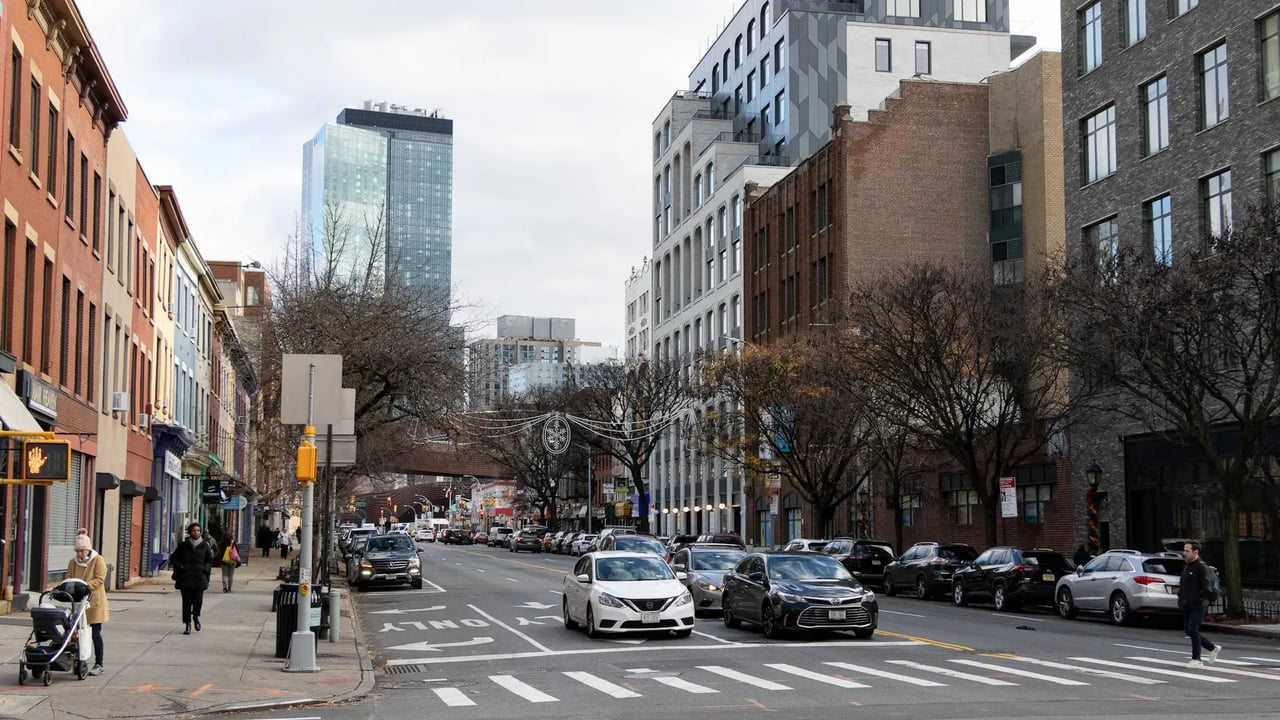
Neighborhood
Why Retail Convenience Continues to Drive Housing Demand in One of Brooklyn's Most Desirable Neighborhoods
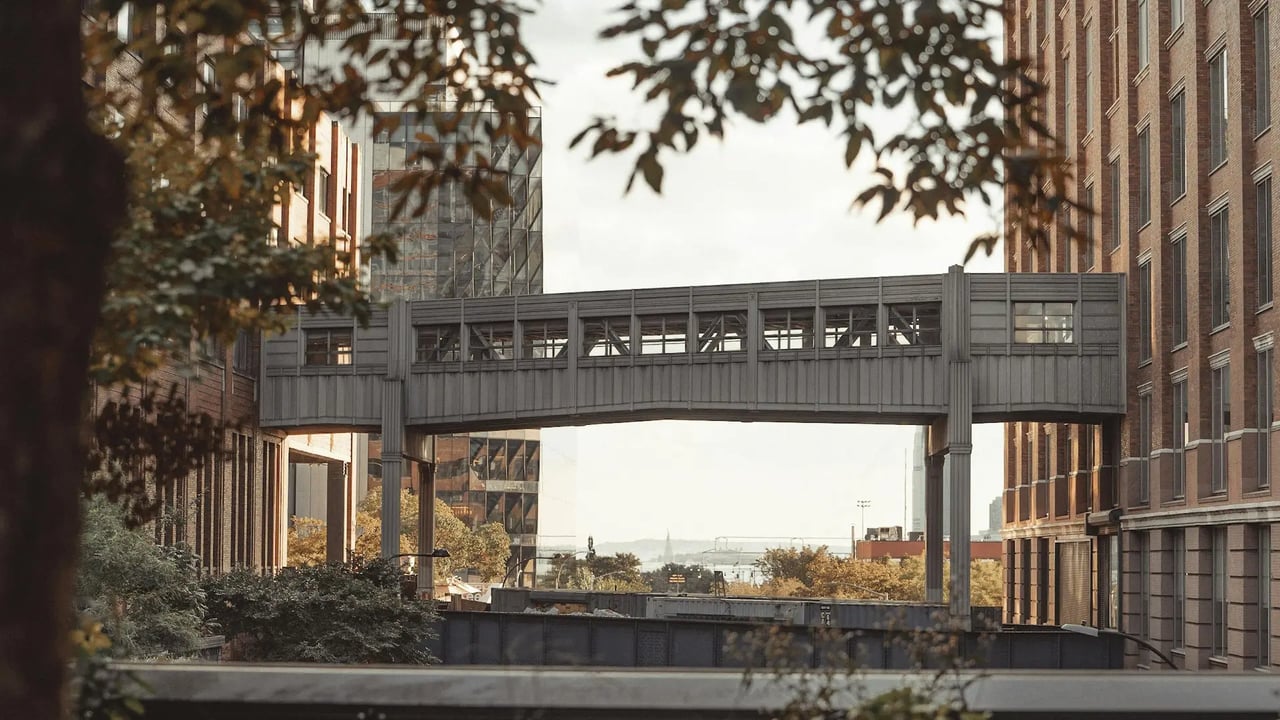
Neighborhood
How New Construction Is Reshaping One of Manhattan’s Most Competitive Residential Markets
Neighborhood
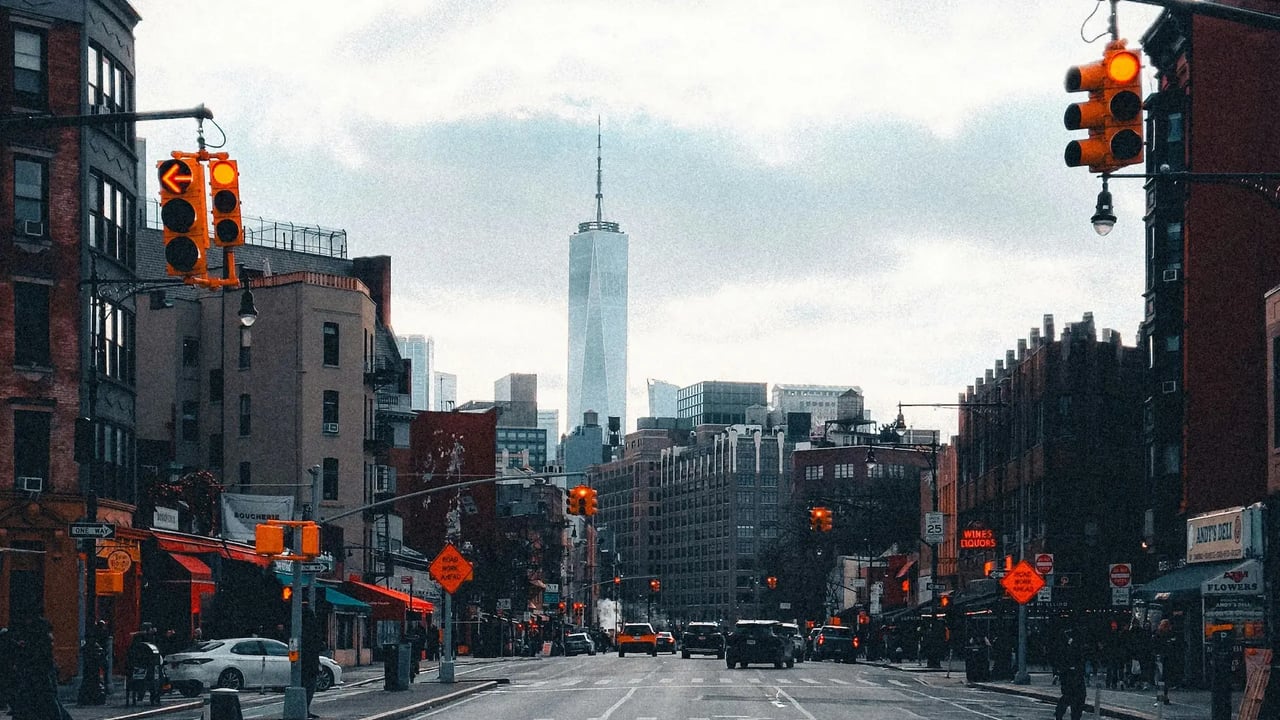
Why Landmark Protections Help Preserve Tribeca’s Unique Real Estate Identity
s
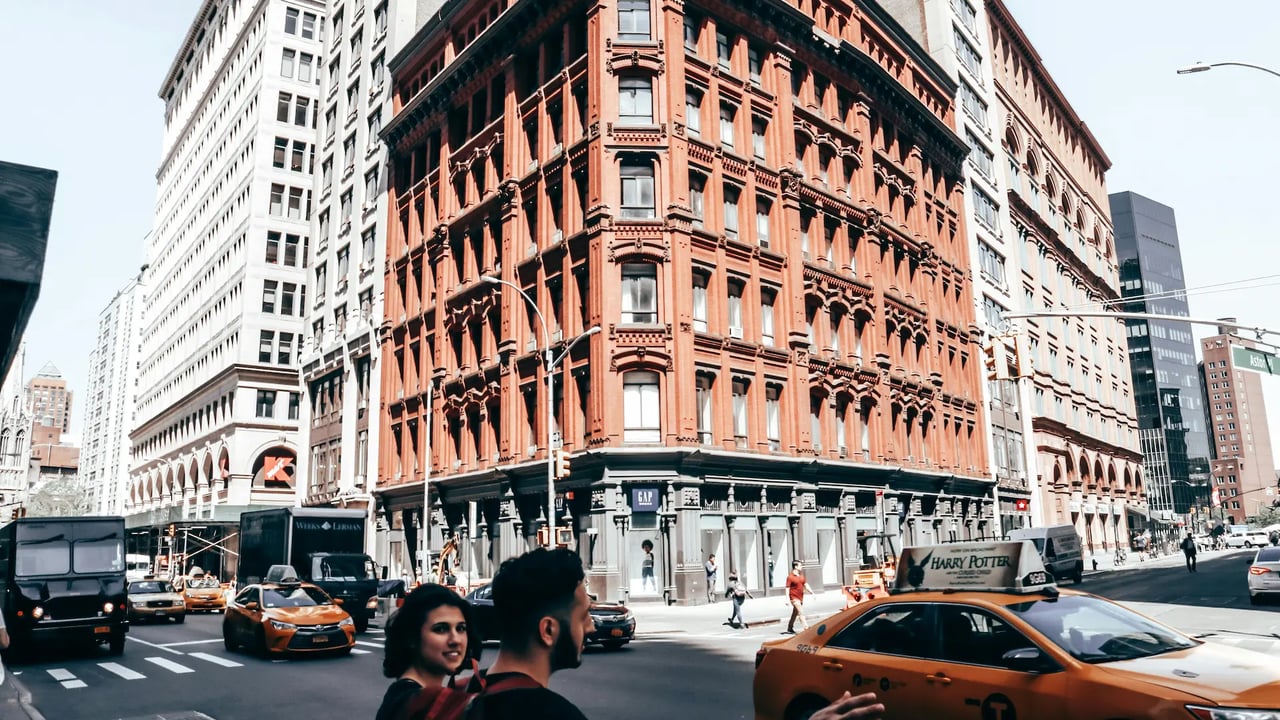
Why Manhattan’s Dining Culture Continues to Shape Luxury Living and Real Estate Demand
Neighborhood
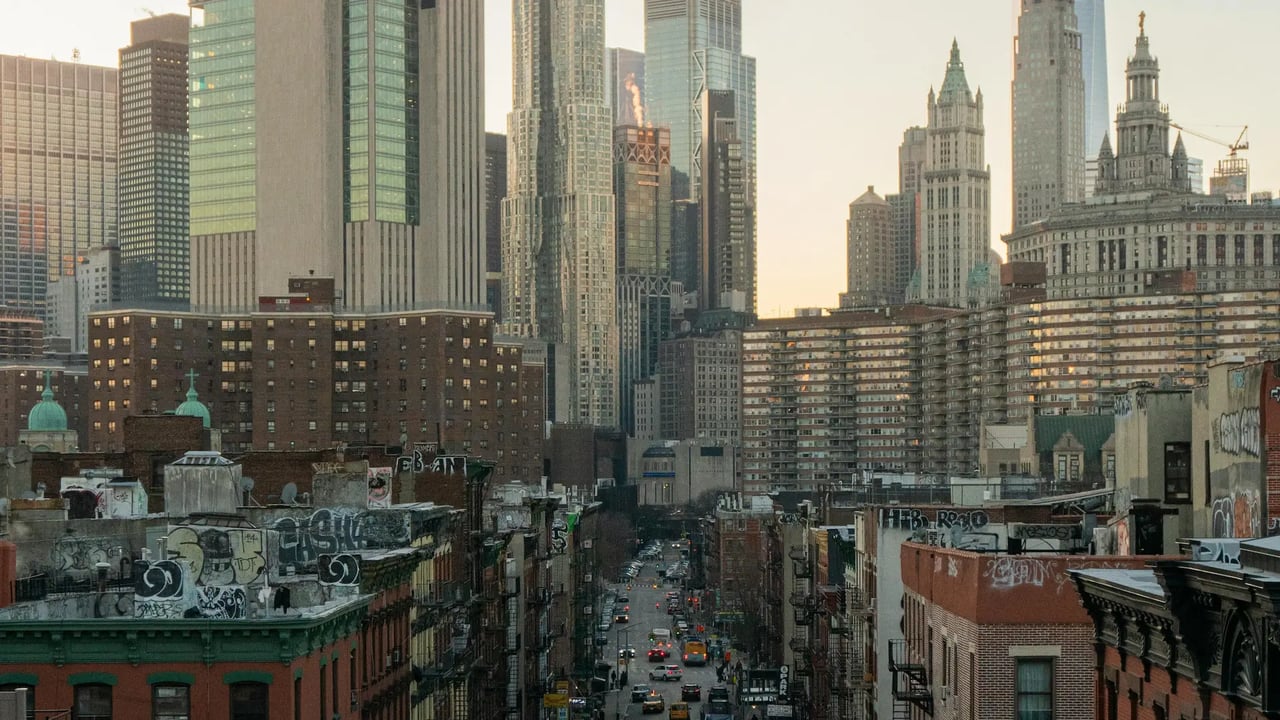
Why Investors Continue Watching Manhattan’s Most Evolving Neighborhood
Neighborhood
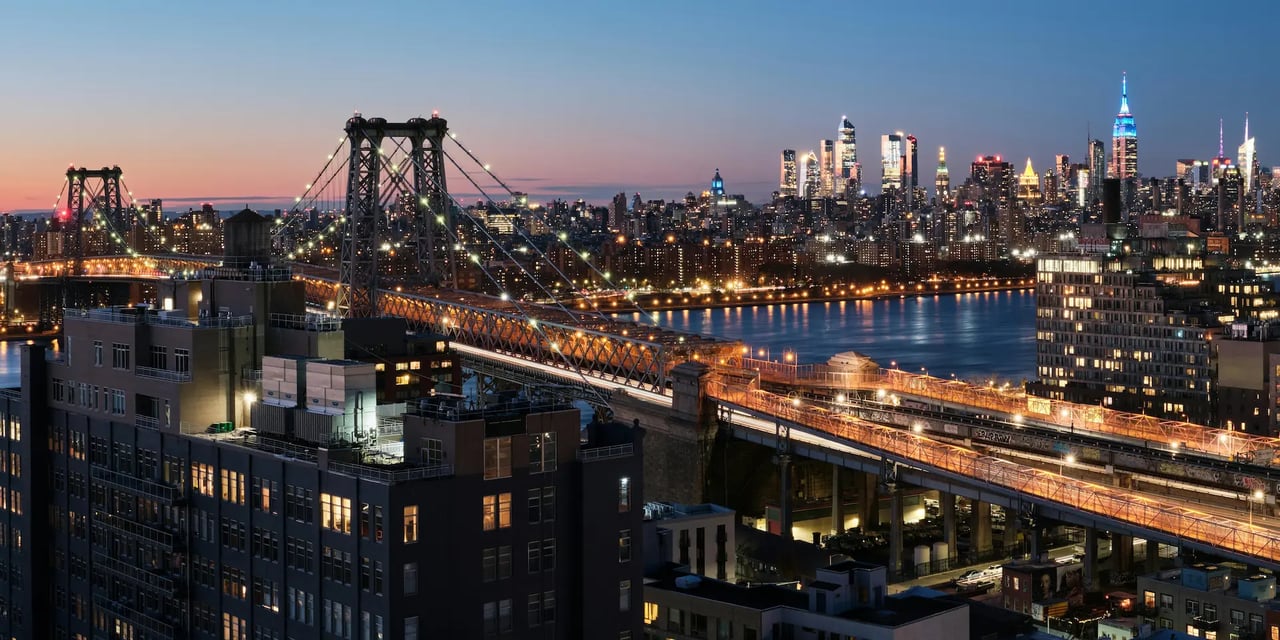
Why Investors Continue Targeting Brooklyn’s Most Competitive Neighborhood
Neighborhood
Why Hotels, Nightlife, and Cultural Energy Continue to Drive Housing Demand in Gramercy
Neighborhood
Understanding the Buying Process Behind One of Brooklyn’s Most Competitive Housing Markets
We love nothing more than helping buyers and sellers achieve their home-buying and selling goals. If you’ve got questions, we can’t wait to answer them.