SoHo Zoning Laws and Co-op Regulations: What Buyers Need to Know
Neighborhood
Neighborhood
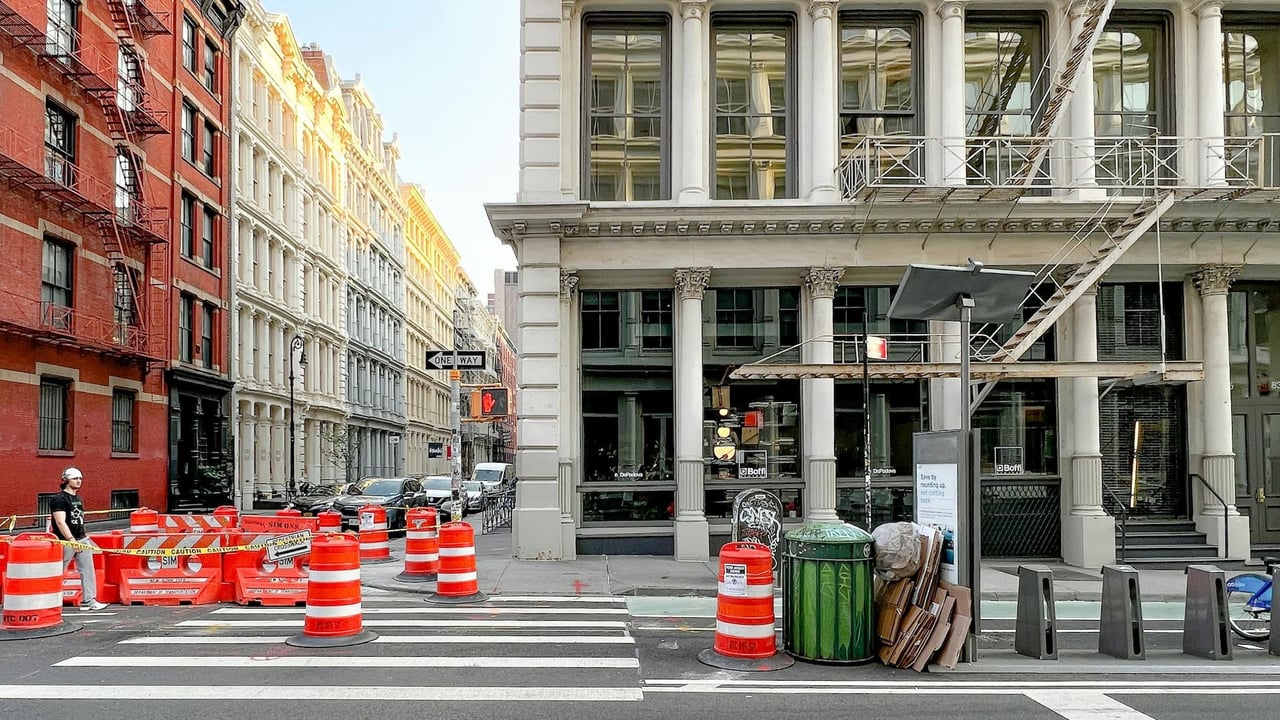
Buying property in SoHo is not like buying anywhere else in New York City. The neighborhood’s historic character, cast-iron architecture, and loft-style living come with a unique layer of legal and regulatory complexity. For serious buyers and investors, understanding zoning laws and co-op regulations is not optional. It is a critical part of making a smart and secure purchase.
SoHo is one of the few areas in Manhattan where zoning, building use, and ownership structure intersect in ways that can directly impact how you live in or use your property. Before signing a contract, it is important to understand how these rules work and how they can affect everything from residency to renovation plans.
SoHo, short for South of Houston Street, was originally a manufacturing district. In the mid-20th century, artists began occupying industrial lofts illegally, drawn by the large open spaces and natural light. Over time, the city formalized this trend by creating specific zoning rules that allowed artists to legally live and work in these buildings.
Today, much of SoHo falls under what is known as Joint Living-Work Quarters for Artists (JLWQA) zoning. While the neighborhood has evolved into a luxury residential market, many of these legacy rules still exist.
This creates a situation where a property may look like a standard residential apartment, but legally, it may carry restrictions on who can occupy it and how it can be used.
JLWQA zoning was designed to support certified artists who needed space to both live and work. Under traditional rules, at least one occupant of the unit was required to be a certified artist approved by the city.
While enforcement has softened over time and regulations have been updated in recent years, the underlying zoning framework still exists in many buildings. This matters for buyers because:
Some units may technically require artist certification for legal occupancy
Financing and insurance can be more complex for non-traditional use properties
Future resale may depend on how strictly these rules are interpreted
Recent zoning changes have expanded legal residential use in parts of SoHo, but not every building or unit is affected equally. Buyers should always verify the exact zoning designation of the property they are considering.
A large portion of SoHo’s residential inventory is made up of co-op buildings rather than condos. This adds another layer of oversight beyond city zoning laws.
When you purchase a co-op, you are buying shares in a corporation rather than owning real property outright. The co-op board has significant control over who can buy, how units are used, and what changes can be made.
In SoHo, co-op boards are often especially strict due to the neighborhood’s history and building structures.
Key co-op considerations include:
Board approval process
Buyers must submit detailed financial documents, references, and pass an interview. Approval is not guaranteed.
Financial requirements
Many co-ops require strong liquidity and post-closing reserves. This can be stricter than in other Manhattan neighborhoods.
Subletting policies
Some buildings limit or completely restrict renting out your unit, which is critical for investors to understand.
Renovation restrictions
Alterations may require board approval, and older loft buildings often have structural limitations that affect what is possible.
One of the biggest misconceptions buyers have is assuming they can freely renovate a SoHo loft. In reality, zoning laws and co-op rules often work together to limit changes.
For example, combining units, adding bedrooms, or changing layout configurations may trigger compliance issues if the building’s certificate of occupancy does not support those changes.
Buyers should pay close attention to:
Whether the current layout is legally recognized
If additional bedrooms comply with zoning and building codes
Landmark preservation rules that may restrict exterior or structural modifications
SoHo is also part of a historic district, which means certain buildings fall under the oversight of the Landmarks Preservation Commission. This can impact window replacements, façade work, and even signage.
Condos are generally more flexible than co-ops, but they are also less common in SoHo. When available, they tend to command higher prices due to fewer restrictions.
Condos typically allow:
Easier purchasing process without board interviews
Greater flexibility for renting or investment use
More predictable renovation approvals
Co-ops, on the other hand, often offer larger spaces and more character, but require patience and compliance with stricter rules.
For many buyers, the decision comes down to lifestyle versus flexibility. End users may prioritize space and authenticity, while investors often prefer the ease of condo ownership.
Zoning laws and co-op regulations do more than shape the buying process. They directly influence long-term property value.
Properties that are fully compliant with modern residential use tend to attract a broader buyer pool. This often results in stronger resale demand and more stable pricing.
On the other hand, units with unclear zoning status or restrictive co-op policies may take longer to sell and appeal to a narrower audience.
That said, experienced buyers sometimes find opportunity in complexity. Properties with regulatory hurdles can occasionally be priced below market, offering upside for those who understand how to navigate the system.
Due diligence is everything when buying in SoHo. Before moving forward, buyers should:
Review the building’s certificate of occupancy
Confirm zoning designation and any use restrictions
Examine co-op board rules and financial requirements
Understand renovation limitations and approval processes
Work with a real estate attorney familiar with SoHo transactions
Skipping any of these steps can lead to costly surprises after closing.
SoHo remains one of the most iconic and desirable neighborhoods in New York City. Its combination of historic architecture, open loft living, and cultural significance continues to attract buyers from around the world.
At the same time, it is a market where knowledge truly matters. Zoning laws and co-op regulations are not obstacles, but they do require careful navigation.
For buyers who take the time to understand these factors, SoHo offers not just a home, but a long-term investment grounded in scarcity and character.
Stay up to date on the latest real estate trends.

Neighborhood
Why Green Space and Academic Influence Continue to Drive Demand in One of Manhattan's Most Desirable Neighborhoods
Neighborhood
Why Retail Convenience Continues to Drive Housing Demand in One of Brooklyn's Most Desirable Neighborhoods

Neighborhood
How New Construction Is Reshaping One of Manhattan’s Most Competitive Residential Markets

Neighborhood
Why Landmark Protections Help Preserve Tribeca’s Unique Real Estate Identity
s
Why Manhattan’s Dining Culture Continues to Shape Luxury Living and Real Estate Demand

Neighborhood
Why Investors Continue Watching Manhattan’s Most Evolving Neighborhood
Neighborhood
Why Investors Continue Targeting Brooklyn’s Most Competitive Neighborhood
Neighborhood
Why Hotels, Nightlife, and Cultural Energy Continue to Drive Housing Demand in Gramercy
Neighborhood
Understanding the Buying Process Behind One of Brooklyn’s Most Competitive Housing Markets
We love nothing more than helping buyers and sellers achieve their home-buying and selling goals. If you’ve got questions, we can’t wait to answer them.