Flatiron Transportation Hub: Multiple Subway Lines and Commuter Convenience
Neighborhood
Neighborhood
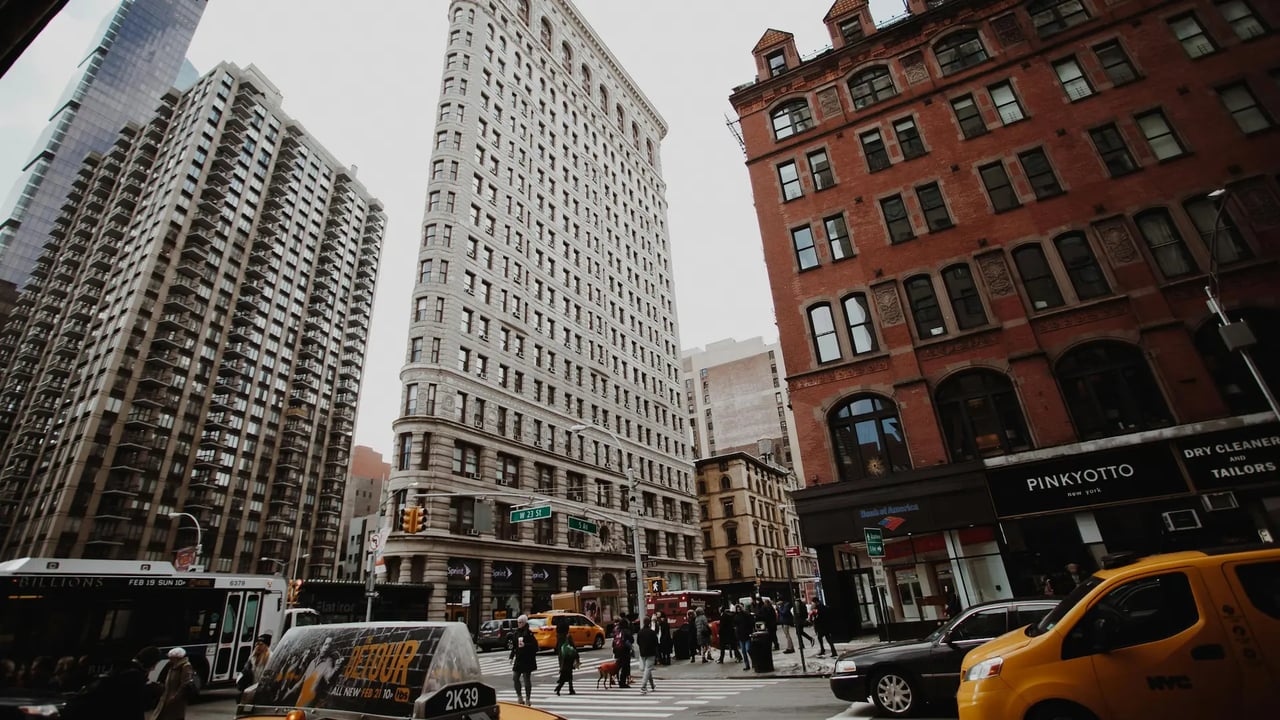
The Flatiron District has a reputation for architecture, dining, and lifestyle, but one of its strongest advantages is often overlooked. It is one of the most connected neighborhoods in Manhattan. At the center of that connectivity is the massive subway interchange at Union Square and 14th Street, which functions as a true transportation hub for the entire city.
For residents, this is not just about convenience. It directly impacts property values, rental demand, and the overall appeal of living in the neighborhood. In New York City, access is everything, and Flatiron sits at one of the most powerful intersections in the entire transit system.
The core of Flatiron’s transportation strength comes from the 14th Street–Union Square station. This station complex is one of the busiest and most important subway hubs in Manhattan, connecting multiple subway lines across uptown, downtown, Brooklyn, and Queens.
The station serves several major lines, including the 4, 5, 6, L, N, Q, R, and W trains depending on station sections. This level of access is rare, even by New York standards. What it means in practice is simple: from Union Square, residents can reach nearly every major business district in the city without complicated transfers.
For Flatiron residents, this translates into:
Direct access to Midtown in minutes
Fast routes to Downtown Manhattan and Wall Street
Easy commutes to Williamsburg and Long Island City
Reliable weekend travel across boroughs
Reduced dependence on taxis or rideshares
This kind of connectivity is one of the reasons Flatiron continues to outperform many other central Manhattan neighborhoods.
In New York real estate, location is not just about prestige. It is about efficiency. Buyers are willing to pay a premium for homes that reduce friction in their daily lives.
In Flatiron, proximity to Union Square and the 14th Street transit corridor creates several measurable advantages:
Shorter commute times increase demand: Professionals working in Midtown, Hudson Yards, or Downtown prioritize neighborhoods with multiple transit options.
Multi-line access reduces travel risk: When one subway line experiences delays, residents have alternative routes within walking distance.
Stronger rental performance: Tenants consistently rank transit access as one of the top deciding factors when choosing Manhattan apartments.
Higher resale liquidity: Homes near major transit hubs tend to sell faster because the buyer pool is significantly larger.
In simple terms, convenience becomes capital value.
Union Square is not just a subway stop. It is a full transportation interchange and one of the most active public spaces in Manhattan. The surrounding area connects multiple neighborhoods in every direction, including Greenwich Village, Gramercy, Chelsea, and the East Village.
At street level, Union Square adds another layer of convenience. It is home to one of the largest farmers markets in New York City, along with restaurants, retail, and daily services that support residential life in Flatiron.
This combination of transit and lifestyle is rare. Few neighborhoods offer both immediate subway access and a strong neighborhood identity within a five-minute walk.
Living near the Flatiron transit hub changes how people experience the city. It simplifies routines and expands opportunities.
Residents benefit from:
Faster weekday commutes without multiple transfers
Easy access to nightlife and dining in multiple neighborhoods
Weekend flexibility for travel across Brooklyn and Queens
Walkable access to shopping, fitness, and grocery options
Reduced reliance on car services during peak hours
For many buyers, this is what ultimately defines quality of life in Manhattan. Time saved in transit becomes time regained for everything else.
Flatiron’s transportation strength appeals to several buyer profiles:
Young professionals working in finance, tech, or media who need fast Midtown and Downtown access
Remote and hybrid workers who still travel a few days a week and want flexible transit options
International buyers who prioritize easy airport and borough connectivity
Investors looking for properties with consistent tenant demand
Long-term residents who value walkability and lifestyle convenience
This broad appeal keeps demand steady across different market cycles.
Strong transportation access directly influences pricing stability in Flatiron. Even during market slowdowns, well-located buildings near Union Square tend to retain stronger buyer interest.
Key reasons include:
Consistent inbound demand from commuters
Lower perceived “distance cost” to major job centers
Strong appeal for both end-users and investors
High walkability score combined with transit redundancy
In many cases, buyers will stretch their budget slightly higher to secure a home within a few blocks of the station network. That premium often pays off in both lifestyle value and long-term appreciation.
What makes Flatiron unique is not just one subway line or one station. It is the combination of multiple intersecting lines at a central Manhattan point. Very few neighborhoods offer this level of redundancy and reach.
From a real estate perspective, this creates a structural advantage. Even as city conditions shift, transit-connected neighborhoods tend to remain resilient. They are always relevant because they are always usable.
Flatiron’s proximity to the 14th Street–Union Square station is more than a convenience feature. It is a long-term value driver that shapes how people live, commute, and invest in the neighborhood.
In a city where time is one of the most valuable assets, being at the center of multiple subway lines is not just practical. It is powerful.
For buyers and investors, this connectivity reinforces why Flatiron remains one of Manhattan’s most desirable residential markets. It is not only about where you live, but how easily you can get everywhere else.
Stay up to date on the latest real estate trends.

Neighborhood
Why Green Space and Academic Influence Continue to Drive Demand in One of Manhattan's Most Desirable Neighborhoods
Neighborhood
Why Retail Convenience Continues to Drive Housing Demand in One of Brooklyn's Most Desirable Neighborhoods

Neighborhood
How New Construction Is Reshaping One of Manhattan’s Most Competitive Residential Markets

Neighborhood
Why Landmark Protections Help Preserve Tribeca’s Unique Real Estate Identity
s
Why Manhattan’s Dining Culture Continues to Shape Luxury Living and Real Estate Demand

Neighborhood
Why Investors Continue Watching Manhattan’s Most Evolving Neighborhood
Neighborhood
Why Investors Continue Targeting Brooklyn’s Most Competitive Neighborhood
Neighborhood
Why Hotels, Nightlife, and Cultural Energy Continue to Drive Housing Demand in Gramercy
Neighborhood
Understanding the Buying Process Behind One of Brooklyn’s Most Competitive Housing Markets
We love nothing more than helping buyers and sellers achieve their home-buying and selling goals. If you’ve got questions, we can’t wait to answer them.