Tribeca Transportation Guide: Subway Access and Commute Times for Residents
Neighborhood
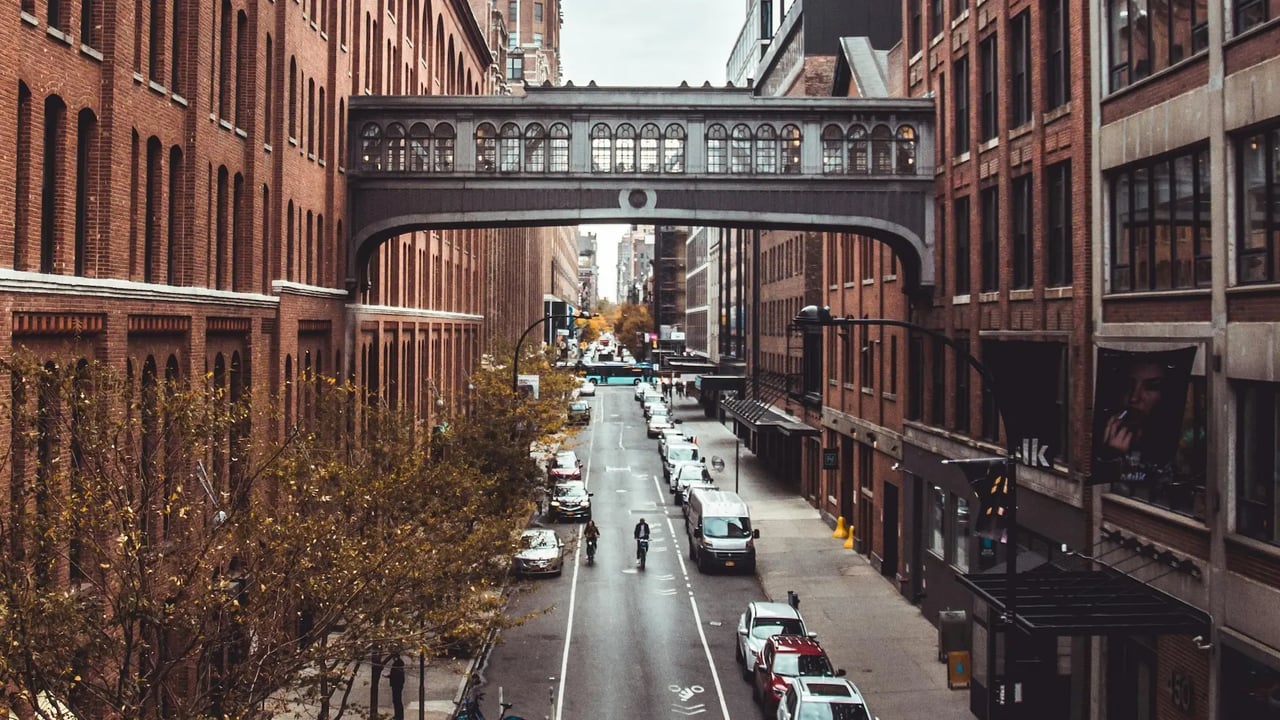
Neighborhood
Tribeca has built a reputation as one of Manhattan’s most desirable residential neighborhoods, known for its loft-style homes, quiet streets, and upscale dining scene. What often goes underappreciated, however, is how well-connected the neighborhood is. For buyers and renters who prioritize convenience, Tribeca offers one of the most efficient commuting setups in downtown Manhattan.
Whether you work in the Financial District, Midtown, or even commute to Brooklyn, Tribeca’s transportation network plays a major role in both daily quality of life and long-term property value. Easy subway access, short commute times, and multiple transit options make this neighborhood especially attractive to professionals who want a balance between calm living and quick mobility.
Tribeca may feel tucked away, but it is surrounded by some of the most important subway lines in New York City. Residents benefit from access to multiple train routes within a short walking distance, which reduces reliance on any single line and provides flexibility during service changes.
Key subway lines serving Tribeca include:
1, 2, 3 trains at Chambers Street
Ideal for direct access to Midtown West and the Upper West Side
A, C, E trains at Canal Street and Chambers Street
Fast connections to Midtown, Penn Station, and Brooklyn
N, Q, R, W trains just east of Tribeca
Convenient for reaching Union Square and Midtown East
4, 5, 6 trains at nearby Fulton Street
A strong option for Financial District workers and East Side commuters
This level of access is rare for a neighborhood that maintains a low-key residential feel. Most residents can reach at least two major subway lines within a five to seven minute walk.
One of Tribeca’s biggest advantages is how quickly residents can get to major business hubs. For many buyers, especially those working in finance or tech, commute time is a deciding factor when choosing where to live.
Here is what typical commute times look like:
Financial District
5 to 10 minutes by subway or even walking distance from some parts of Tribeca
Midtown Manhattan (Times Square, Bryant Park)
15 to 20 minutes via the 1, 2, 3 or A, C, E lines
Hudson Yards and Chelsea
Around 15 minutes using the 1 train or a short combination of subway and walking
Brooklyn (DUMBO, Downtown Brooklyn)
10 to 20 minutes via A, C, or nearby connections
Upper East Side or Upper West Side
Typically 20 to 30 minutes depending on the line and transfer
For Financial District professionals, Tribeca stands out as one of the few neighborhoods where commuting stress is almost eliminated. Some residents choose to walk to work entirely, which adds a level of lifestyle convenience that is difficult to replicate elsewhere in Manhattan.
While subway access is the backbone of commuting in Tribeca, it is far from the only option. The neighborhood offers several alternative ways to get around the city efficiently.
PATH trains at World Trade Center
Ideal for those commuting to New Jersey, including Jersey City and Hoboken
Ferry service from nearby piers
A scenic and reliable option for reaching Brooklyn, Queens, and parts of Midtown
Citi Bike stations throughout the neighborhood
Popular for short commutes or quick trips to Soho, Battery Park, or the West Village
Easy access to the West Side Highway
Convenient for drivers heading uptown or out of Manhattan
This range of options makes Tribeca particularly appealing to buyers who want flexibility in how they move through the city.
Transit accessibility is one of the most important factors in real estate pricing across New York City. In Tribeca, strong connectivity directly contributes to higher demand and long-term value stability.
Here is how transportation influences property performance:
Faster resale cycles
Well-connected properties attract a broader pool of buyers, which helps listings move more quickly
Higher rental demand
Professionals prioritize neighborhoods with easy commutes, especially those working in finance, law, or tech
Long-term appreciation
Areas with multiple transit options tend to hold value better during market shifts
Lifestyle appeal
Buyers are willing to pay more for neighborhoods that reduce commute stress and increase daily convenience
Tribeca checks all of these boxes. It offers a rare mix of residential calm and transportation efficiency, which keeps demand strong even during slower market periods.
For buyers deciding between downtown neighborhoods, Tribeca often stands out for its balance. It is quieter than the Financial District, more residential than Soho, and more accessible than many parts of the West Village.
If your daily routine involves commuting to Lower Manhattan or Midtown, living in Tribeca can significantly improve your day-to-day experience. Shorter travel times mean more flexibility, less stress, and more time spent enjoying your home and neighborhood.
Tribeca’s appeal goes beyond its architecture and dining scene. Its transportation network is a major reason why so many professionals choose to live here long term. With multiple subway lines, quick commute times, and alternative transit options, the neighborhood offers one of the most efficient living experiences in Manhattan.
For buyers and investors alike, this level of connectivity is not just a convenience. It is a value driver that continues to support strong pricing and consistent demand.
Looking to find a home in Tribeca with the best subway access and commute convenience?
At Archpoint Advisory, we help clients identify properties that align with both lifestyle and long-term investment goals.
Reach out today to explore available listings and off-market opportunities in Tribeca.
Stay up to date on the latest real estate trends.
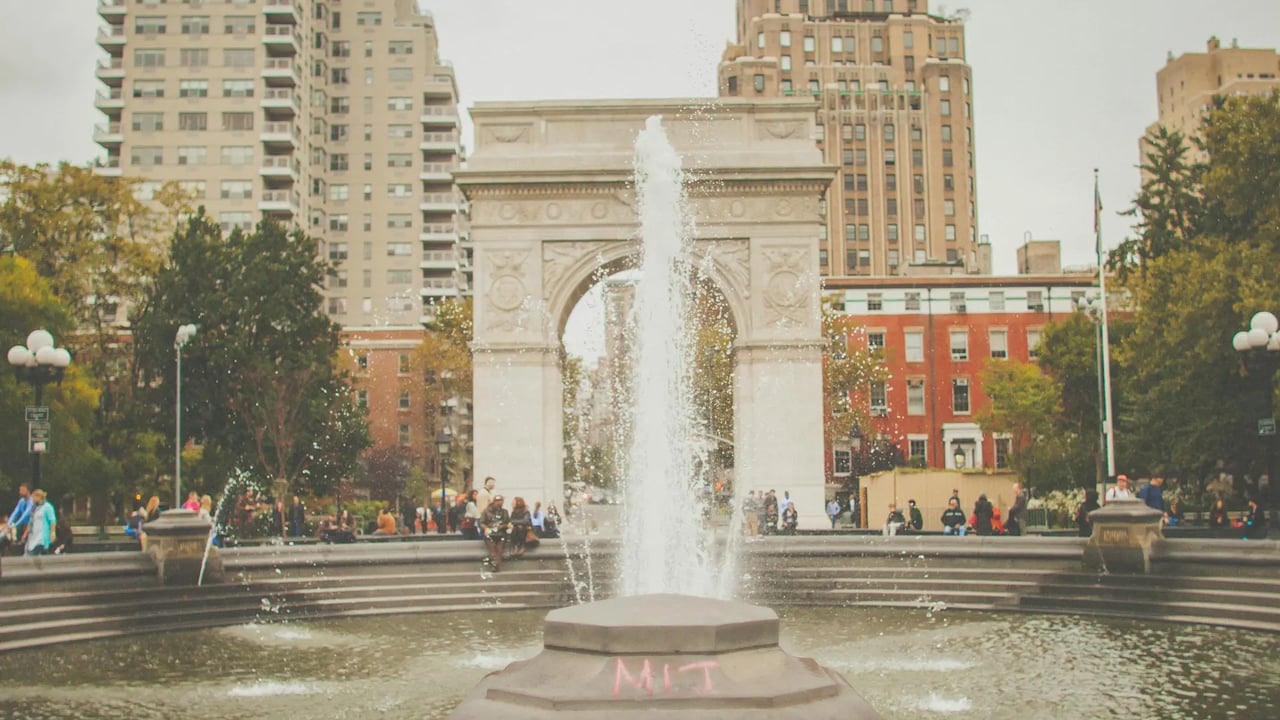
Neighborhood
Why Green Space and Academic Influence Continue to Drive Demand in One of Manhattan's Most Desirable Neighborhoods
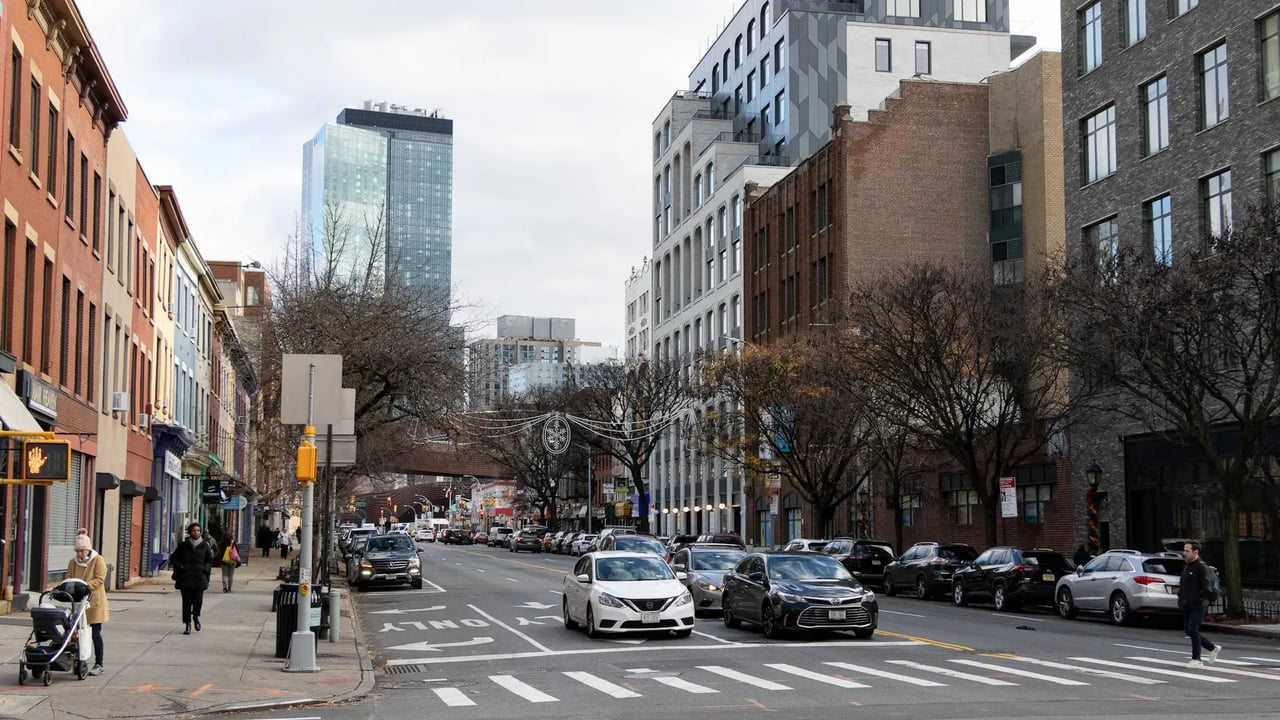
Neighborhood
Why Retail Convenience Continues to Drive Housing Demand in One of Brooklyn's Most Desirable Neighborhoods
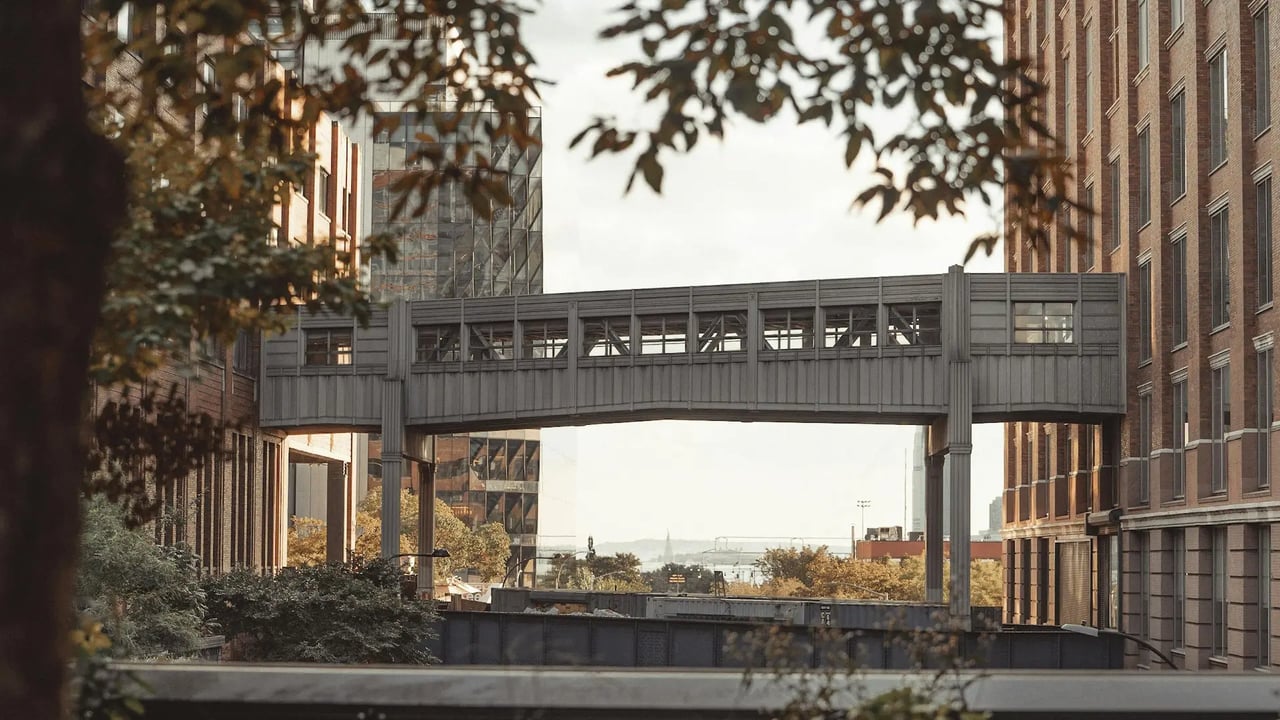
Neighborhood
How New Construction Is Reshaping One of Manhattan’s Most Competitive Residential Markets
Neighborhood
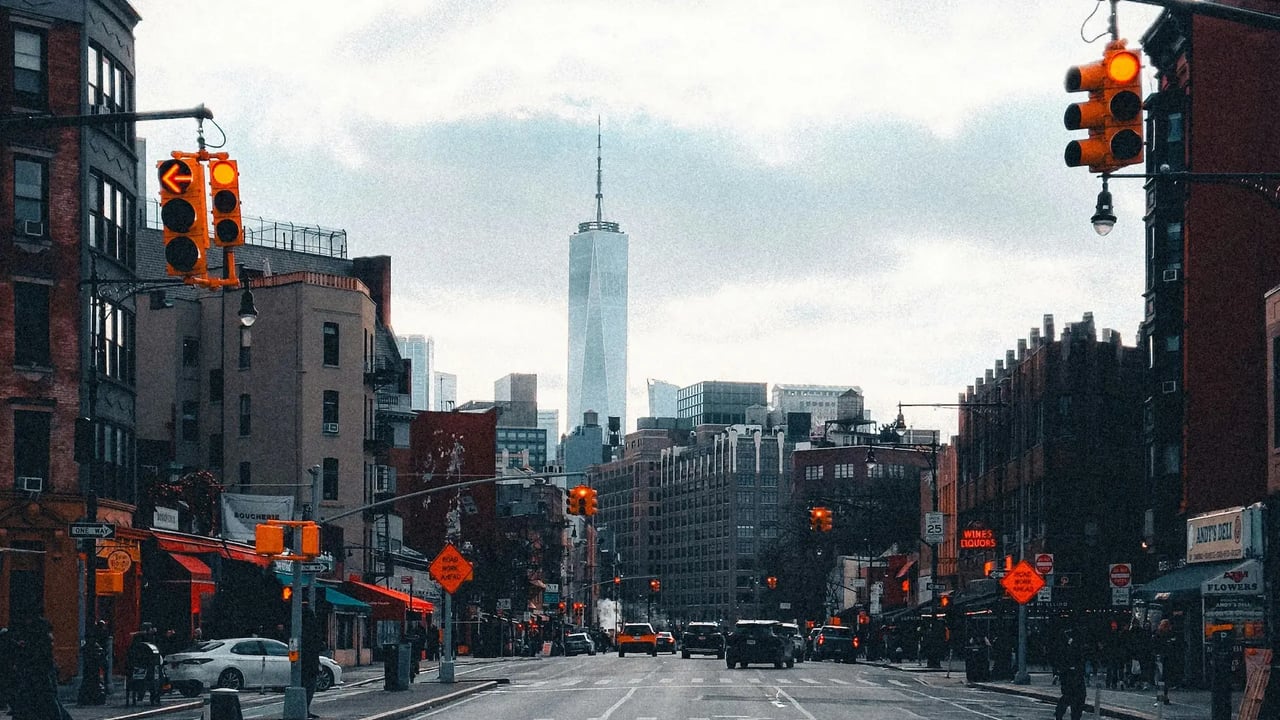
Why Landmark Protections Help Preserve Tribeca’s Unique Real Estate Identity
s
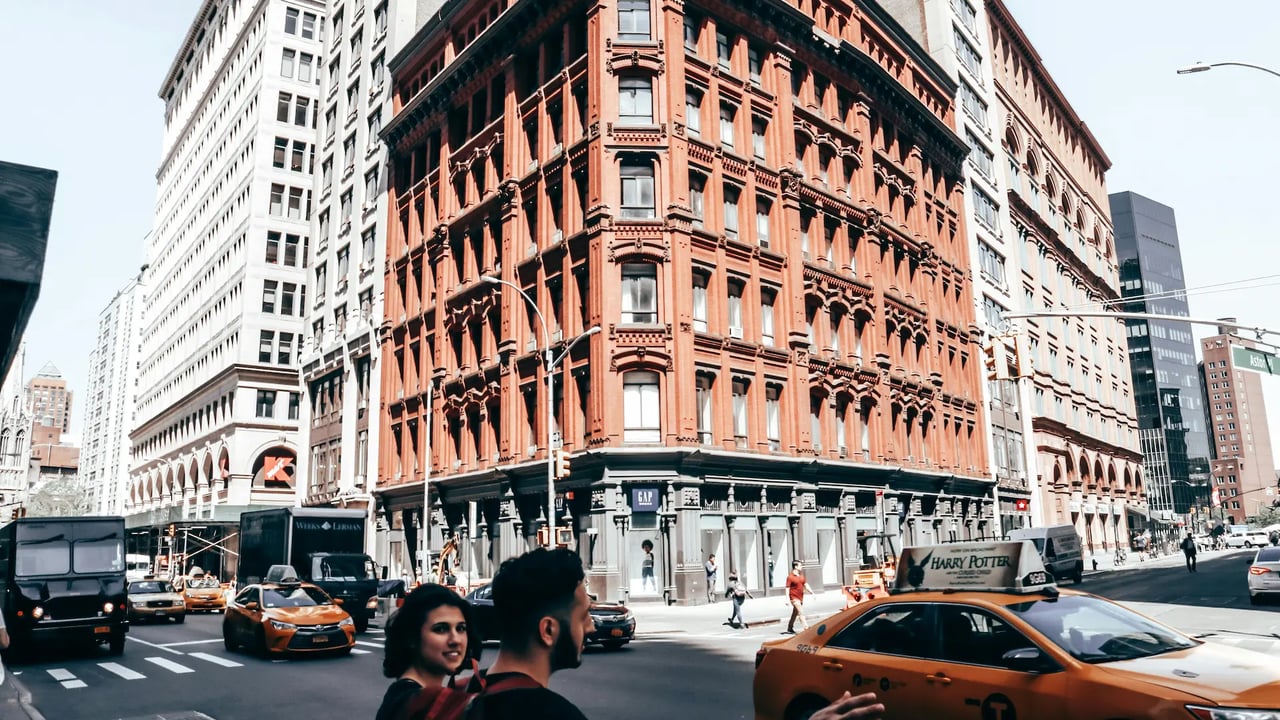
Why Manhattan’s Dining Culture Continues to Shape Luxury Living and Real Estate Demand
Neighborhood
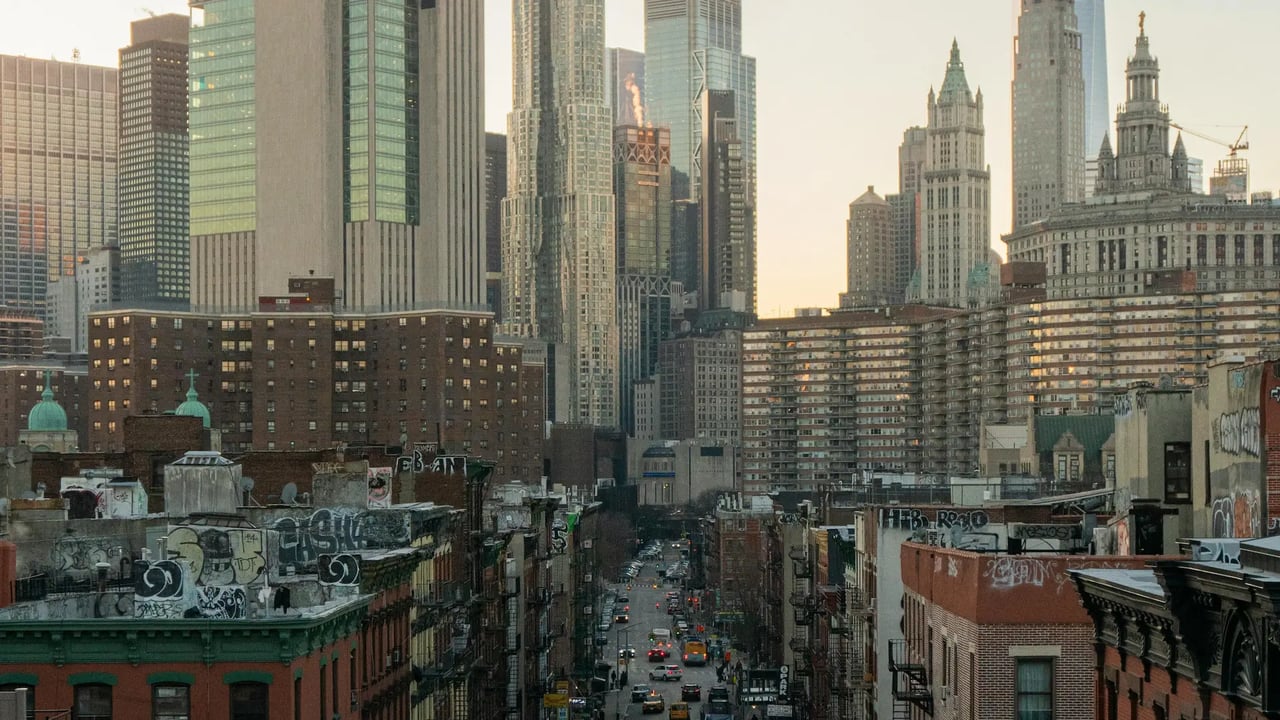
Why Investors Continue Watching Manhattan’s Most Evolving Neighborhood
Neighborhood
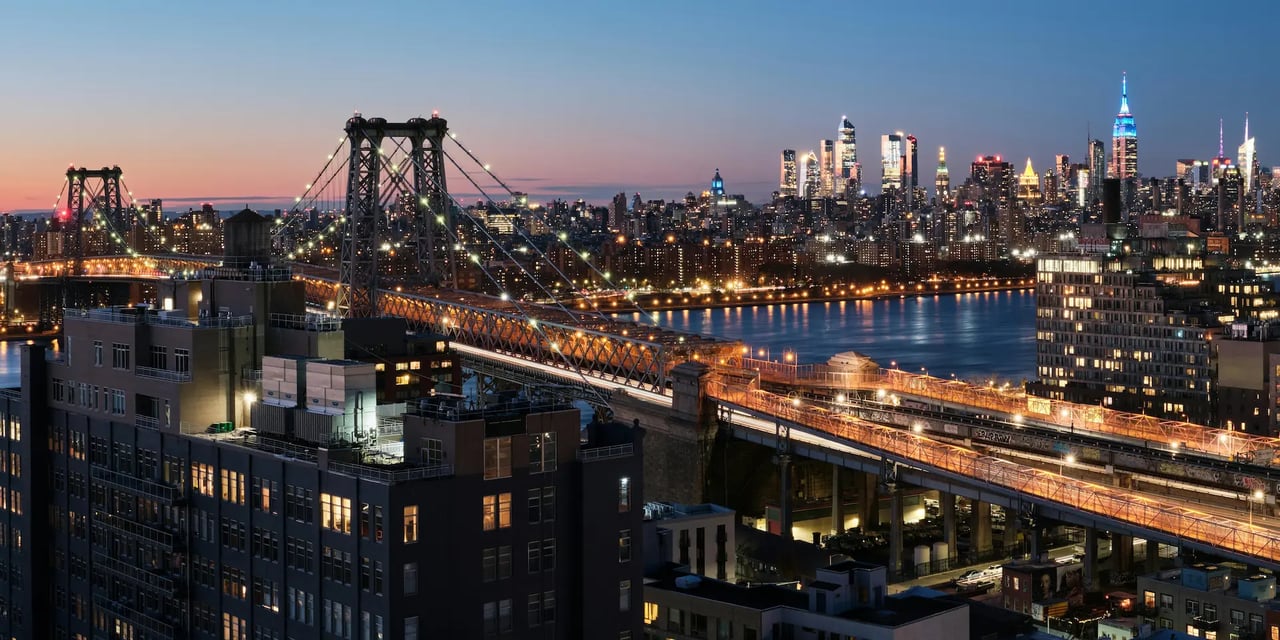
Why Investors Continue Targeting Brooklyn’s Most Competitive Neighborhood
Neighborhood
Why Hotels, Nightlife, and Cultural Energy Continue to Drive Housing Demand in Gramercy
Neighborhood
Understanding the Buying Process Behind One of Brooklyn’s Most Competitive Housing Markets
We love nothing more than helping buyers and sellers achieve their home-buying and selling goals. If you’ve got questions, we can’t wait to answer them.