East Village Co-op and Rental Market: Affordable Manhattan Living Options
Neighborhood
Neighborhood
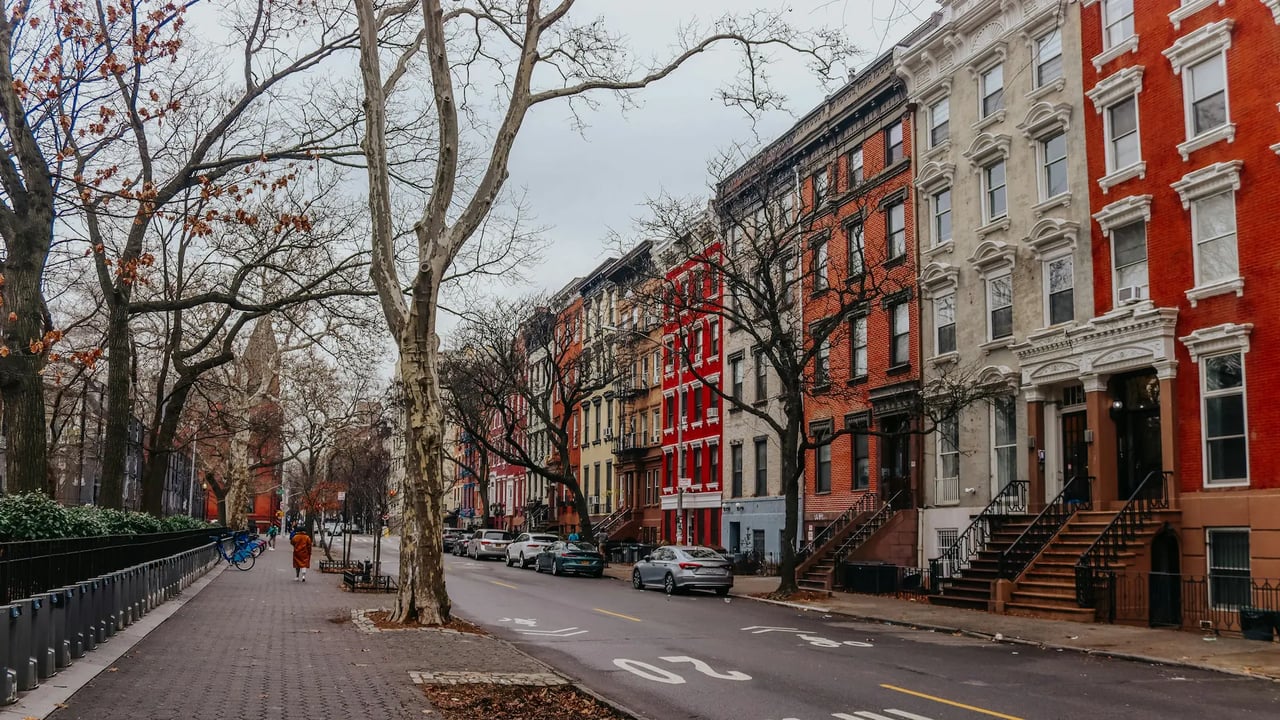
Finding affordable housing in Manhattan often feels unrealistic, especially for first-time buyers or renters trying to balance budget with lifestyle. Yet the East Village continues to stand out as one of the few neighborhoods where character, convenience, and relative affordability still intersect.
This is not about bargain pricing by national standards. It is about value within Manhattan. The East Village offers a rare opportunity to live downtown, surrounded by culture, dining, and transit, without paying the premium seen in neighborhoods like SoHo, NoHo, or the West Village.
The East Village has long been known for its creative energy and independent spirit. That identity still shapes its housing market today. While luxury development has expanded across Manhattan, much of the East Village remains anchored by walk-up buildings, co-ops, and smaller rental properties. This keeps pricing more accessible compared to newer, amenity-heavy neighborhoods.
Several factors continue to drive demand:
Lower entry price points for buyers compared to nearby downtown neighborhoods
Diverse housing stock, from prewar co-ops to renovated rentals
Strong rental demand, making it attractive for investors
Walkability and lifestyle appeal, with everything within a few blocks
For buyers priced out of Greenwich Village or the Lower East Side, the East Village often becomes the next logical step.
Co-ops dominate a large portion of the East Village housing landscape. For buyers, this can be both an opportunity and a learning curve.
In general, co-ops in the East Village offer lower purchase prices than condos. This makes them one of the most accessible entry points into Manhattan ownership. Studios and one-bedroom units are often priced significantly below similar-sized condos elsewhere downtown.
However, co-ops come with stricter requirements. Buyers should be prepared for:
Board approval processes, which can take several weeks
Financial scrutiny, including income, assets, and debt-to-income ratios
Primary residence expectations, as many co-ops limit subletting
Despite these hurdles, co-ops remain a strong choice for long-term residents. Monthly maintenance fees often include property taxes, which simplifies budgeting. For buyers planning to live in the apartment for several years, co-ops can deliver solid value.
For renters, the East Village offers a wide range of options that balance cost and location. While Manhattan rents have increased overall, the neighborhood still provides more attainable pricing compared to trend-driven areas nearby.
What renters can expect:
Walk-up apartments with character, including exposed brick and original details
Smaller layouts, often optimized for efficient living
Competitive pricing relative to downtown location
High turnover and availability, especially during peak leasing seasons
The East Village is particularly appealing to young professionals, students, and creatives who prioritize location over space. Living here means stepping outside into one of the most vibrant neighborhoods in the city.
Affordability in Manhattan is always relative. In the East Village, it typically translates to:
Studios and one-bedrooms at lower price-per-square-foot than prime downtown areas
Rental units priced below West Village or SoHo equivalents
Opportunities to buy under typical Manhattan median pricing
Buyers and renters should approach the market with realistic expectations. You may sacrifice amenities like elevators, doormen, or in-unit laundry. In return, you gain location, personality, and long-term value.
Beyond affordability, the East Village remains a strong long-term investment play. Its consistent demand and cultural relevance help support property values over time.
Key investment advantages include:
Reliable rental demand, driven by students, professionals, and international tenants
Limited new development, which helps preserve pricing stability
Ongoing neighborhood appeal, with restaurants, nightlife, and local businesses
Even in shifting market conditions, well-located East Village properties tend to maintain liquidity. This is especially true for units near major transit lines or popular corridors like Avenue A, St. Marks Place, and Second Avenue.
Choosing the East Village comes down to priorities. If you are looking for space, luxury amenities, and quiet streets, other neighborhoods may be a better fit. But if your goal is to live in a neighborhood with energy, history, and accessibility, the East Village delivers.
This is a place where:
You can walk to restaurants, parks, and nightlife within minutes
Every block has a distinct personality
Housing options still exist for buyers and renters working within a defined budget
For many, that combination is exactly what makes Manhattan living worthwhile.
Whether you are considering buying your first co-op or searching for a well-located rental, navigating the East Village market requires a clear strategy. The best opportunities often move quickly, and understanding building types, pricing trends, and approval processes can make a significant difference.
At Archpoint Advisory, we help clients identify value in competitive neighborhoods like the East Village. From co-op guidance to rental sourcing, our goal is to position you in the right property without overextending your budget.
If you are ready to explore affordable Manhattan living, reach out today and let us help you find the right fit in the East Village.
Stay up to date on the latest real estate trends.

Neighborhood
Why Green Space and Academic Influence Continue to Drive Demand in One of Manhattan's Most Desirable Neighborhoods
Neighborhood
Why Retail Convenience Continues to Drive Housing Demand in One of Brooklyn's Most Desirable Neighborhoods

Neighborhood
How New Construction Is Reshaping One of Manhattan’s Most Competitive Residential Markets

Neighborhood
Why Landmark Protections Help Preserve Tribeca’s Unique Real Estate Identity

s
Why Manhattan’s Dining Culture Continues to Shape Luxury Living and Real Estate Demand

Neighborhood
Why Investors Continue Watching Manhattan’s Most Evolving Neighborhood

Neighborhood
Why Investors Continue Targeting Brooklyn’s Most Competitive Neighborhood
Neighborhood
Why Hotels, Nightlife, and Cultural Energy Continue to Drive Housing Demand in Gramercy
Neighborhood
Understanding the Buying Process Behind One of Brooklyn’s Most Competitive Housing Markets
We love nothing more than helping buyers and sellers achieve their home-buying and selling goals. If you’ve got questions, we can’t wait to answer them.