Historic Boerum Hill Architecture: Preserving Brooklyn's 19th Century Character
Neighborhood
Neighborhood
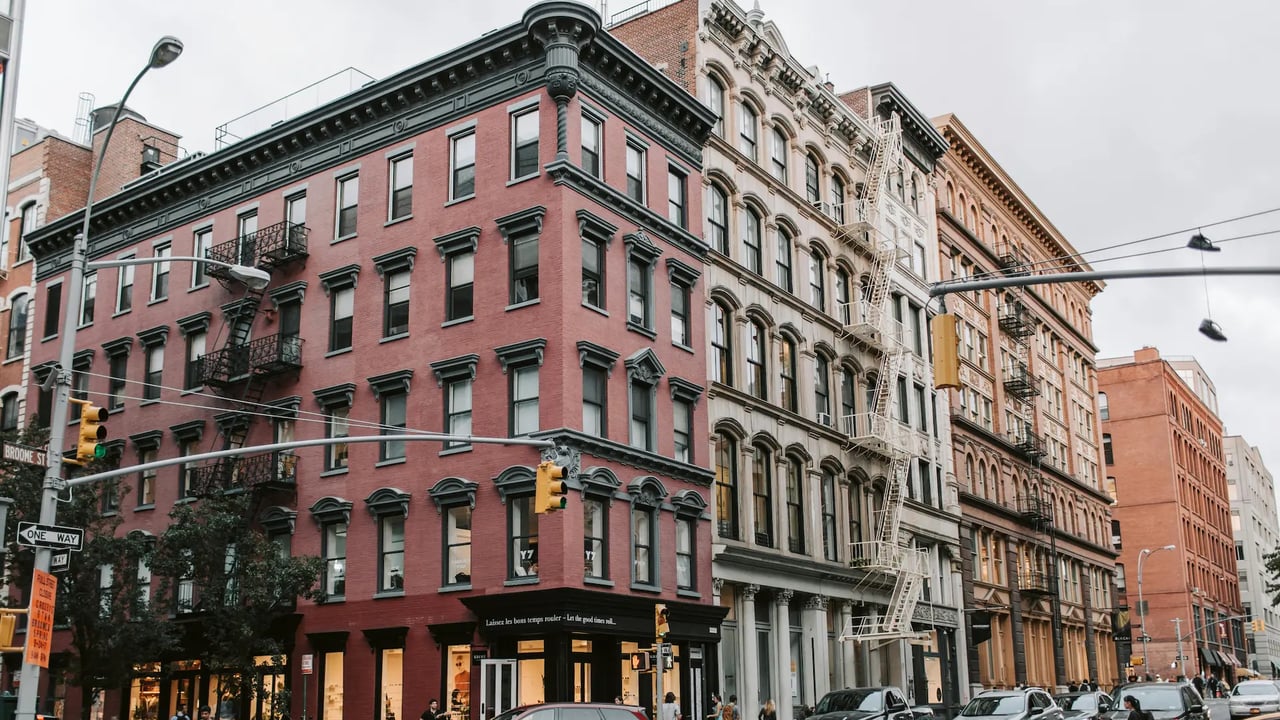
Boerum Hill is one of those rare Brooklyn neighborhoods where history is not just preserved, it is actively lived in. Tree-lined streets are framed by rows of 19th-century brownstones, many of which have been carefully restored rather than replaced. The result is a neighborhood that feels cohesive, human-scaled, and deeply rooted in New York’s architectural past.
For buyers, investors, and longtime residents, Boerum Hill offers something increasingly hard to find in New York City. It delivers authenticity. That authenticity is not accidental. It is the product of strict landmark protections, community advocacy, and a shared understanding that architectural heritage directly impacts property value.
Boerum Hill’s visual character is defined by its consistent rowhouse design. Most homes were built between the 1840s and 1870s, a period when Brooklyn was rapidly expanding but still prioritizing craftsmanship and proportion.
Typical architectural features you will see throughout the neighborhood include:
Classic brownstone facades with stoops leading to parlor-level entrances
Tall, narrow windows that maximize natural light while maintaining symmetry
Decorative cornices and lintels that reflect Italianate and Greek Revival influences
High ceilings and original moldings inside many preserved homes
Unlike neighborhoods that saw heavy redevelopment, Boerum Hill maintained a relatively uniform streetscape. This consistency is a major reason why the area feels so visually calm compared to busier parts of Brooklyn.
A large portion of Boerum Hill falls within a designated historic district. This status is regulated by the New York City Landmarks Preservation Commission, which oversees any exterior changes to buildings within the district.
For homeowners, this means:
Renovations must follow strict guidelines to preserve original design elements
Facade alterations, window replacements, and additions require approval
Demolition of historic structures is heavily restricted
While some buyers initially view these rules as limitations, they often become one of the neighborhood’s biggest selling points. Landmark protections ensure that the block you buy into today will look largely the same decades from now.
This level of preservation creates stability in the housing market. Buyers know that their investment is protected not just by location, but by regulation.
In a market like New York, where new developments appear constantly, preserved neighborhoods stand out. Boerum Hill’s historic architecture gives it a competitive edge that is difficult to replicate.
Here is why these homes continue to command strong prices:
Limited supply: There are only so many original brownstones available. Unlike new construction, this inventory cannot be expanded.
Timeless appeal: Buyers consistently gravitate toward homes with character. Original details such as fireplaces, moldings, and staircases add emotional and aesthetic value.
Neighborhood consistency: A cohesive streetscape creates a stronger sense of place. This translates into higher demand and better long-term appreciation.
End-user demand: Many buyers in Boerum Hill plan to live in their homes for years. This reduces turnover and helps maintain pricing stability.
Even during market fluctuations, historic properties in well-preserved districts tend to hold their value better than generic condo inventory.
One of the most interesting aspects of Boerum Hill real estate is how homeowners balance modern living with historic integrity. While exteriors are tightly regulated, interiors often tell a different story.
Many properties have been updated to include:
Open-concept kitchens and dining spaces
Modern HVAC and smart home systems
Finished basements and private outdoor gardens
High-end appliances blended into historic layouts
The goal is not to erase history, but to enhance it. Buyers are drawn to homes that maintain original details while offering the comfort expected in today’s market.
This blend of old and new is a major driver of value. It allows properties to compete with new developments while offering something those buildings cannot replicate.
Boerum Hill’s appeal goes beyond its buildings. The neighborhood offers a lifestyle that complements its historic setting. Smith Street and Court Street are lined with independent cafés, boutiques, and restaurants that reinforce a sense of local identity.
Residents benefit from:
Walkable streets with minimal high-rise congestion
Close proximity to Downtown Brooklyn and multiple subway lines
A quieter, residential atmosphere compared to nearby neighborhoods like DUMBO
Strong community engagement and neighborhood pride
For many buyers, Boerum Hill represents a middle ground. It offers the charm of brownstone Brooklyn with convenient access to Manhattan.
From a real estate perspective, Boerum Hill checks several key boxes. It has limited supply, strong demand, and a protected architectural identity. These factors create a stable and attractive environment for long-term investment.
Properties in historic districts tend to benefit from:
Predictable neighborhood aesthetics
Lower risk of disruptive new development
Strong resale appeal to both local and international buyers
While entry prices can be high, the long-term outlook remains positive. Buyers are not just purchasing a home. They are buying into a piece of New York City history that is unlikely to lose relevance.
Whether you are searching for a fully restored brownstone or a property with renovation potential, navigating Boerum Hill requires a clear understanding of landmark regulations and market trends.
At Archpoint Advisory, we help clients identify opportunities that align with both lifestyle goals and long-term value. From off-market brownstones to carefully vetted listings, our approach is tailored to one of Brooklyn’s most distinctive neighborhoods.
If you are considering making a move into Boerum Hill, now is the time to explore what this historic district has to offer.
Reach out today to learn more about available properties and how to secure a home in one of Brooklyn’s most architecturally significant communities.
Stay up to date on the latest real estate trends.
Neighborhood
Why Green Space and Academic Influence Continue to Drive Demand in One of Manhattan's Most Desirable Neighborhoods
Neighborhood
Why Retail Convenience Continues to Drive Housing Demand in One of Brooklyn's Most Desirable Neighborhoods

Neighborhood
How New Construction Is Reshaping One of Manhattan’s Most Competitive Residential Markets

Neighborhood
Why Landmark Protections Help Preserve Tribeca’s Unique Real Estate Identity
s
Why Manhattan’s Dining Culture Continues to Shape Luxury Living and Real Estate Demand
Neighborhood
Why Investors Continue Watching Manhattan’s Most Evolving Neighborhood
Neighborhood
Why Investors Continue Targeting Brooklyn’s Most Competitive Neighborhood
Neighborhood
Why Hotels, Nightlife, and Cultural Energy Continue to Drive Housing Demand in Gramercy
Neighborhood
Understanding the Buying Process Behind One of Brooklyn’s Most Competitive Housing Markets
We love nothing more than helping buyers and sellers achieve their home-buying and selling goals. If you’ve got questions, we can’t wait to answer them.