Brooklyn Heights Historic District: Landmark Protections and Architectural Preservation
Neighborhood
Neighborhood
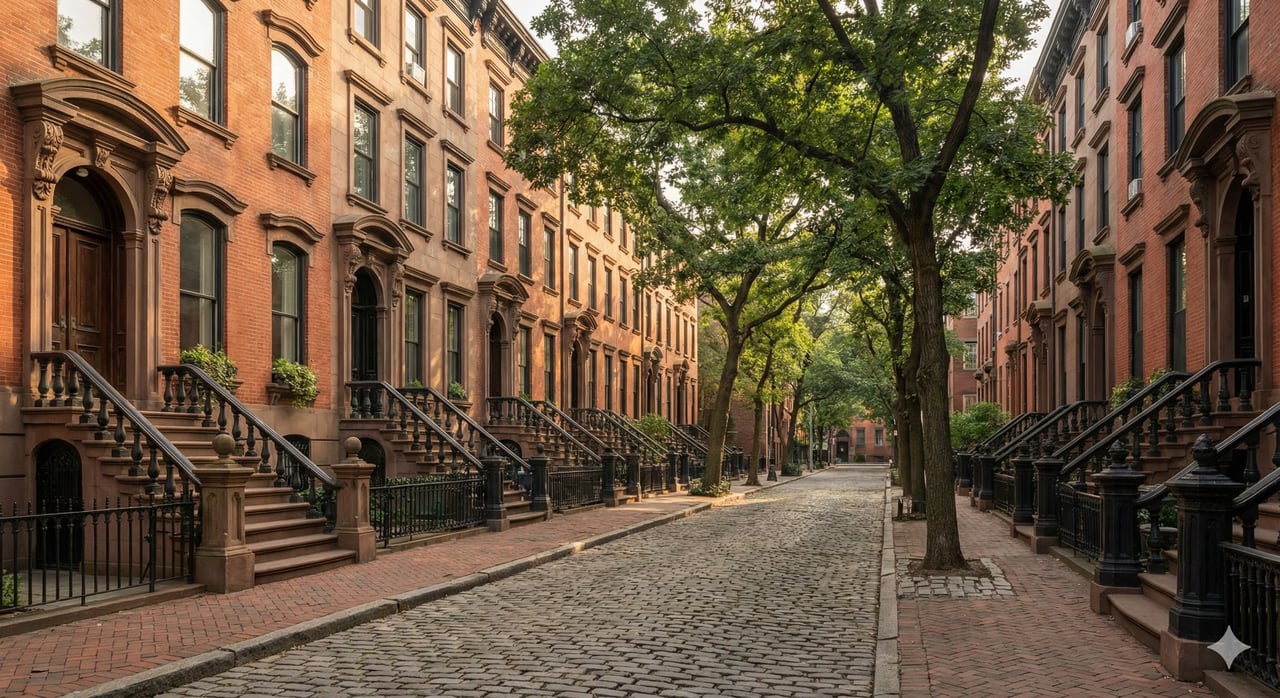
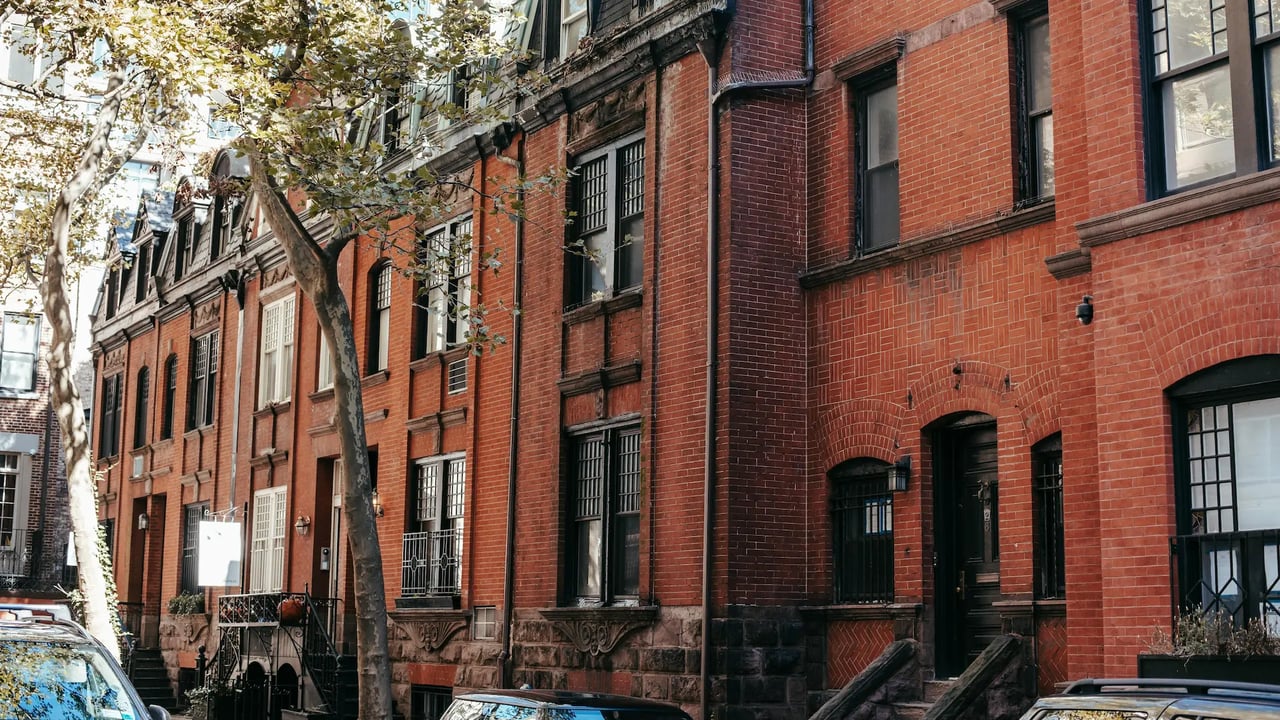
Brooklyn Heights is more than one of New York City’s most beautiful neighborhoods. It is a living record of architectural history, defined by tree-lined streets, brownstones, and prewar townhouses that have remained largely unchanged for generations. At the heart of this preservation is the Brooklyn Heights Historic District, the first historic district officially designated by New York City in 1965.
For buyers, homeowners, and investors, historic designation brings both advantages and responsibilities. While landmark protections help stabilize property values and preserve neighborhood character, they also place clear limits on renovations and exterior changes. Understanding this balance is essential for anyone considering real estate in Brooklyn Heights.
The Brooklyn Heights Historic District covers a significant portion of the neighborhood, stretching from the Brooklyn Heights Promenade down toward Atlantic Avenue and the East River waterfront. The district includes hundreds of buildings, many dating back to the mid-19th century.
These properties are protected by the New York City Landmarks Preservation Commission (LPC), which oversees changes to building exteriors, visible alterations, and architectural details. The goal is simple but powerful: preserve the historic character that makes Brooklyn Heights one of the most desirable residential neighborhoods in New York.
One of the most common questions buyers ask is whether landmark designation helps or hurts property values. In Brooklyn Heights, the data and long-term trends strongly suggest that preservation supports pricing stability and appreciation.
Landmark status contributes to value in several key ways:
Architectural consistency ensures that neighboring buildings retain their historic charm rather than being replaced by out-of-scale developments.
Limited new supply restricts overdevelopment, which helps protect demand for existing homes.
Neighborhood prestige attracts since Brooklyn Heights is recognized citywide as a preserved and protected community.
Homes within the historic district often trade at a premium compared to similar properties outside protected zones. Buyers are not just purchasing a home, they are buying into a carefully maintained environment that is unlikely to change dramatically over time.
Historic designation creates a level of predictability that is rare in New York City real estate. When buyers invest in Brooklyn Heights, they can feel confident that a neighboring brownstone will not suddenly be replaced by a glass tower or oversized addition.
This confidence plays a major role in long-term ownership decisions. Families, international buyers, and legacy investors are particularly drawn to landmarked neighborhoods because the risk of disruptive development is minimized. As a result, turnover tends to be lower, and resale demand remains strong even during slower market cycles.
While landmark protections add value, they also come with clear renovation guidelines. Any exterior work visible from a public way typically requires approval from the Landmarks Preservation Commission.
Common projects that require review include:
Window replacements
Facade restoration or repainting
Roof additions or mechanical installations
Stoop, railing, or fence modifications
Rear yard extensions that impact sightlines
Interior renovations, on the other hand, are generally unrestricted unless the building has interior landmark status, which is rare in Brooklyn Heights.
For homeowners planning updates, the process requires patience and experienced professionals. Architects and contractors familiar with landmark regulations can make a significant difference in approval timelines and overall cost.
A common misconception is that landmarked homes cannot be modernized. In reality, many Brooklyn Heights residences combine historic exteriors with fully contemporary interiors. Buyers frequently renovate kitchens, bathrooms, mechanical systems, and layouts while preserving exterior details.
Successful renovations respect the building’s original character while improving functionality. Think restored moldings paired with modern lighting, or classic facades hiding state-of-the-art systems behind the walls. The best projects enhance livability without compromising architectural integrity.
Brooklyn Heights landmark properties tend to appeal to specific buyer profiles:
End users seeking long-term ownership who value stability and neighborhood charm
Buyers prioritizing architectural character over new construction finishes
Investors focused on preservation-driven appreciation rather than short-term redevelopment
Families and professionals looking for a quiet, established residential environment close to Manhattan
While renovation restrictions may deter speculative developers, they often attract buyers who see value in preservation and long-term ownership.
Brooklyn Heights proves that historic preservation and real estate performance are not at odds. In fact, they often work together. Landmark protections help maintain the neighborhood’s identity, which in turn fuels demand and supports pricing.
In a city that is constantly reinventing itself, Brooklyn Heights stands out because it does not need to. Its appeal lies in continuity, craftsmanship, and careful stewardship of the past.
Buying within the Brooklyn Heights Historic District requires a clear understanding of both the benefits and the responsibilities. From navigating renovation approvals to evaluating long-term resale potential, local expertise is essential.
At Archpoint Advisory, we guide clients through landmarked purchases with clarity and confidence. We understand which buildings offer renovation flexibility, how historic status affects valuation, and where opportunities exist within this tightly held neighborhood.
If you are considering buying or investing in Brooklyn Heights, we are here to help you make informed decisions in one of Brooklyn’s most protected and prestigious districts.
Contact Archpoint Advisory today to explore current listings and historic opportunities in Brooklyn Heights.
Stay up to date on the latest real estate trends.
Neighborhood
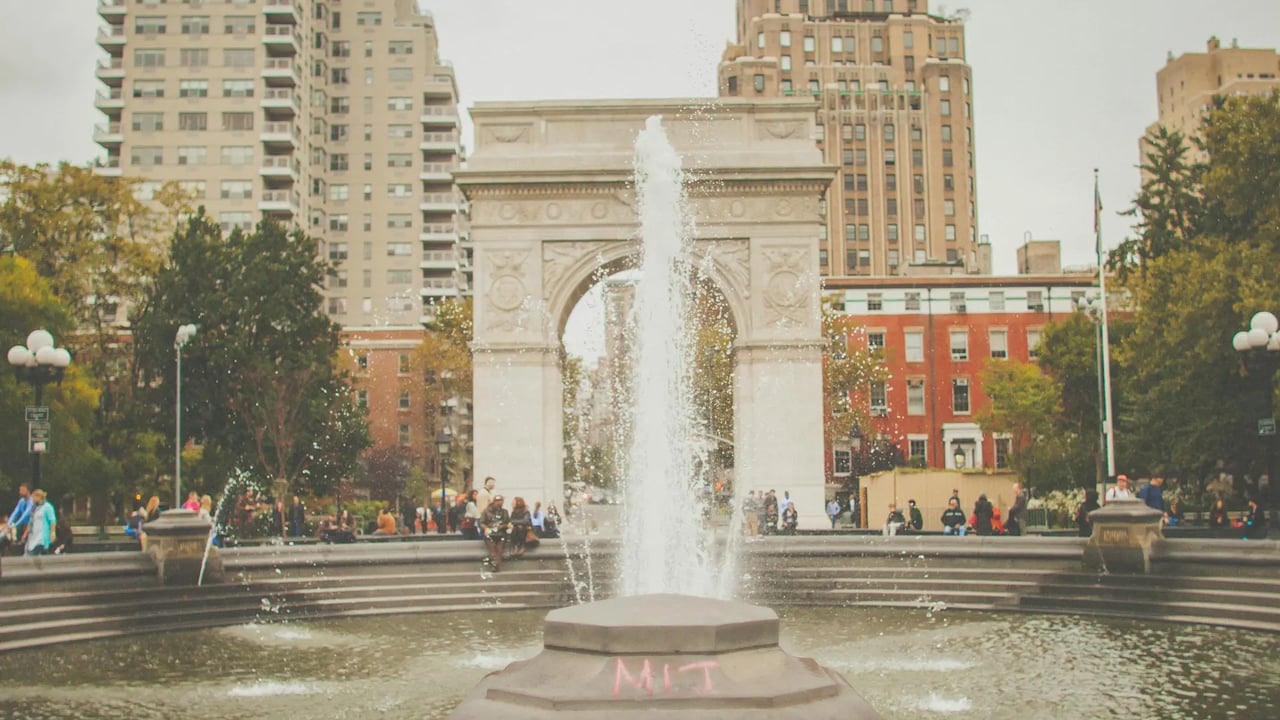
Why Green Space and Academic Influence Continue to Drive Demand in One of Manhattan's Most Desirable Neighborhoods
Neighborhood
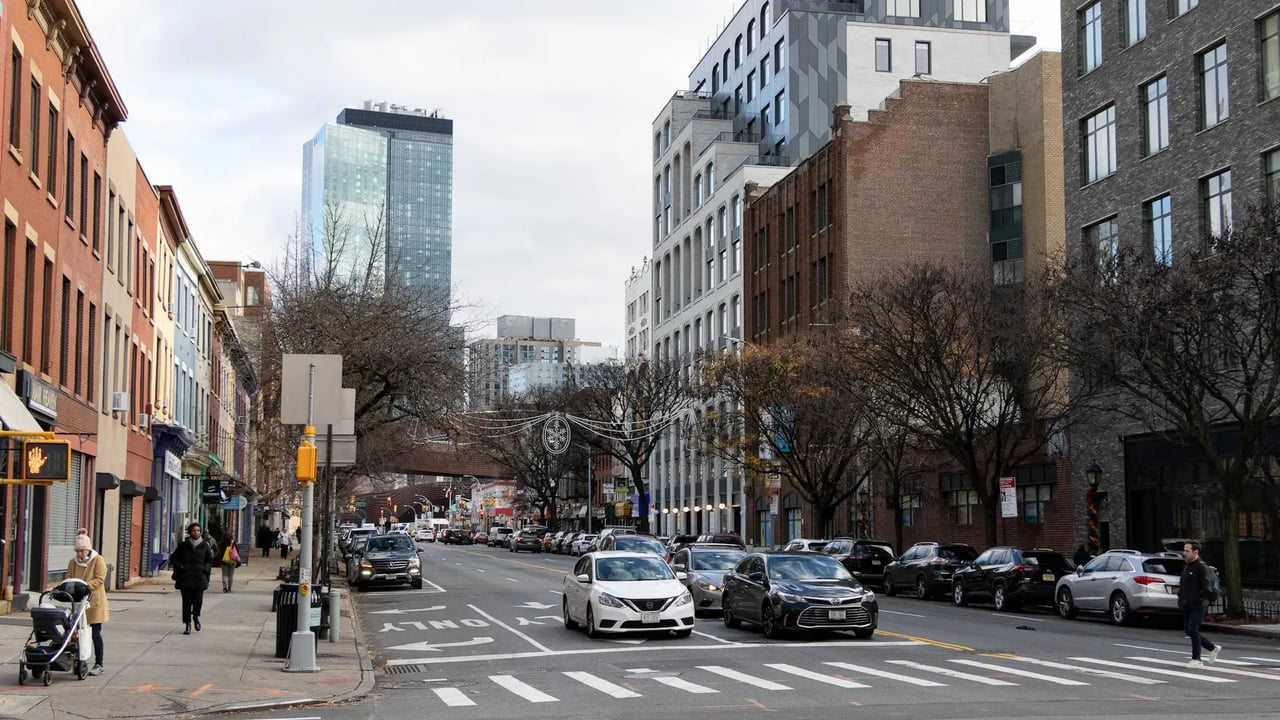
Why Retail Convenience Continues to Drive Housing Demand in One of Brooklyn's Most Desirable Neighborhoods
Neighborhood
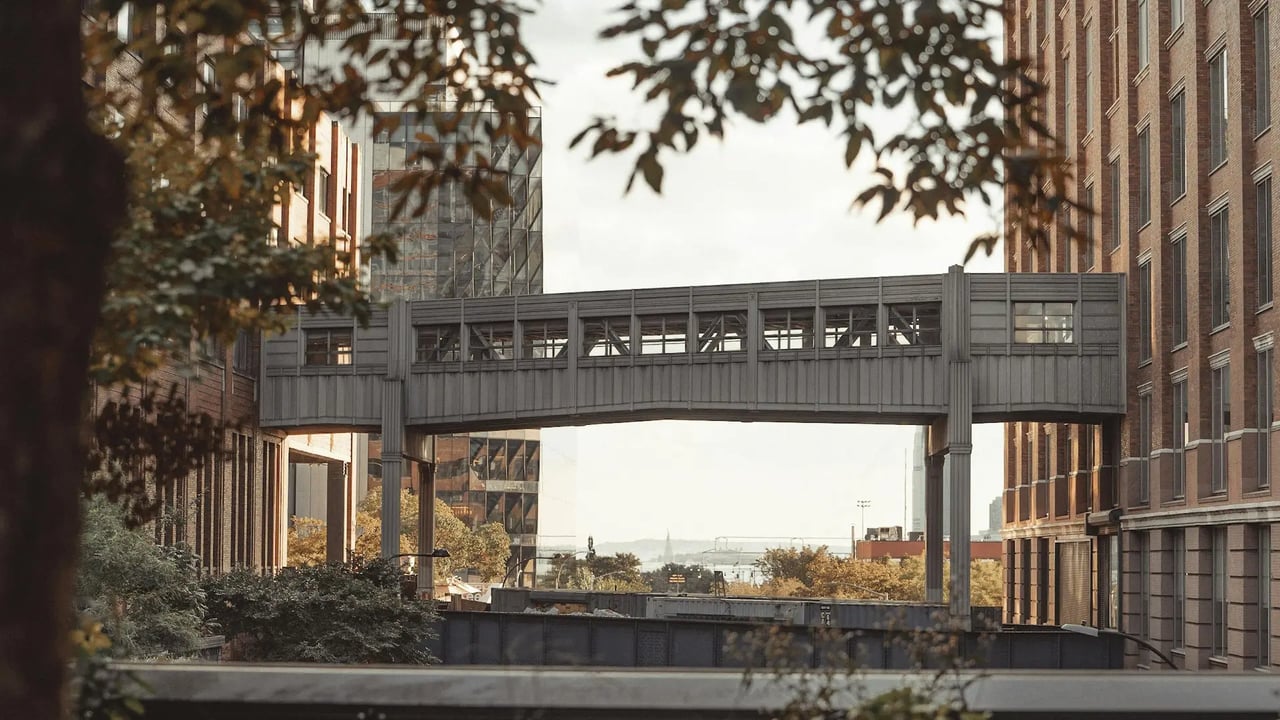
How New Construction Is Reshaping One of Manhattan’s Most Competitive Residential Markets
Neighborhood
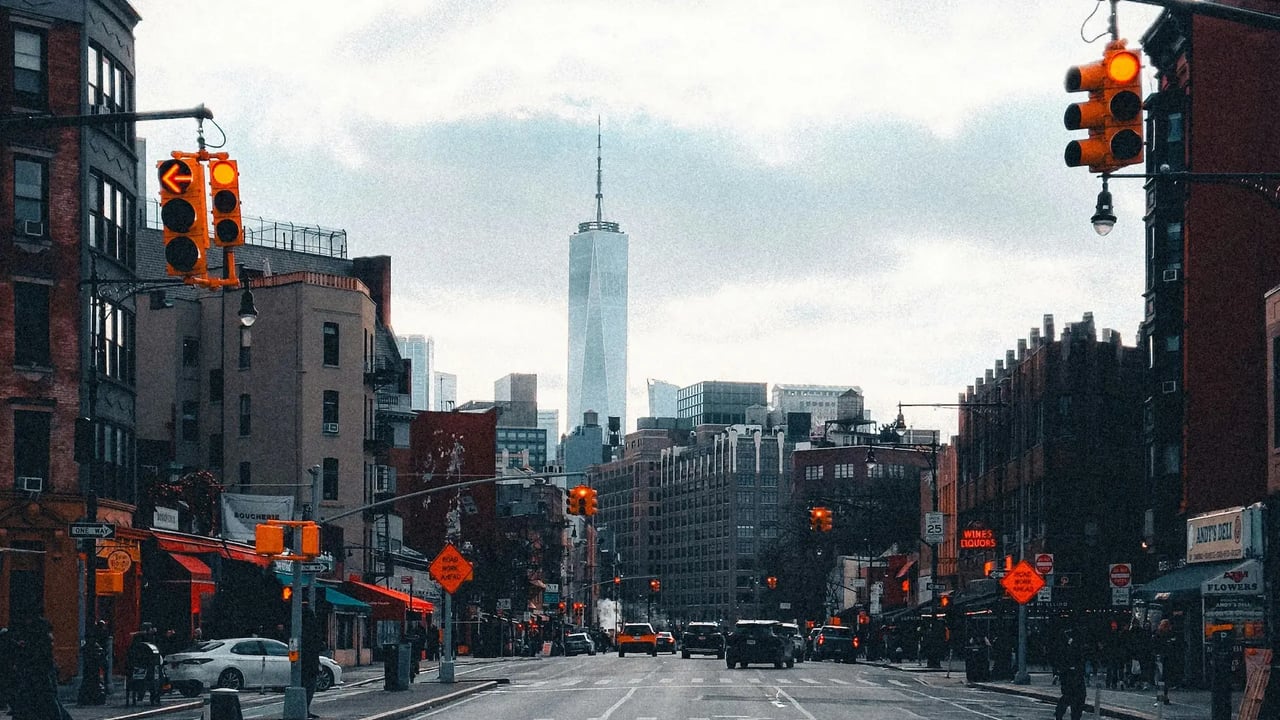
Why Landmark Protections Help Preserve Tribeca’s Unique Real Estate Identity
s
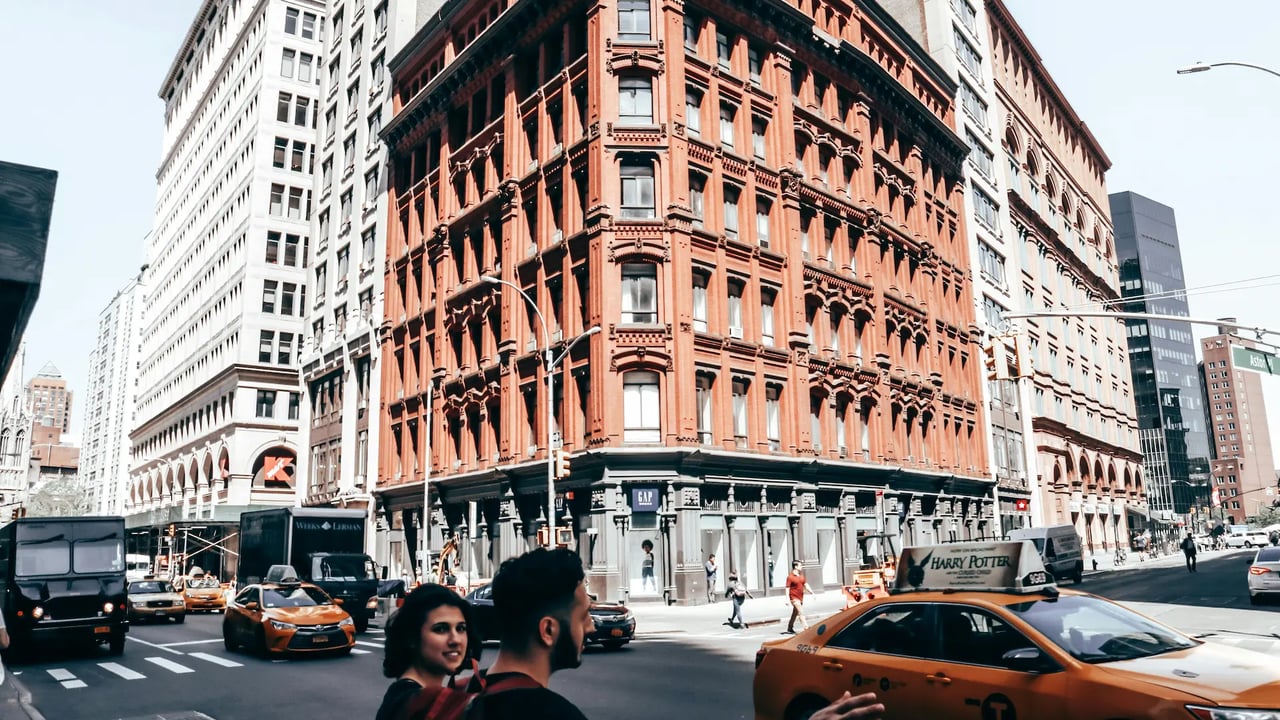
Why Manhattan’s Dining Culture Continues to Shape Luxury Living and Real Estate Demand
Neighborhood
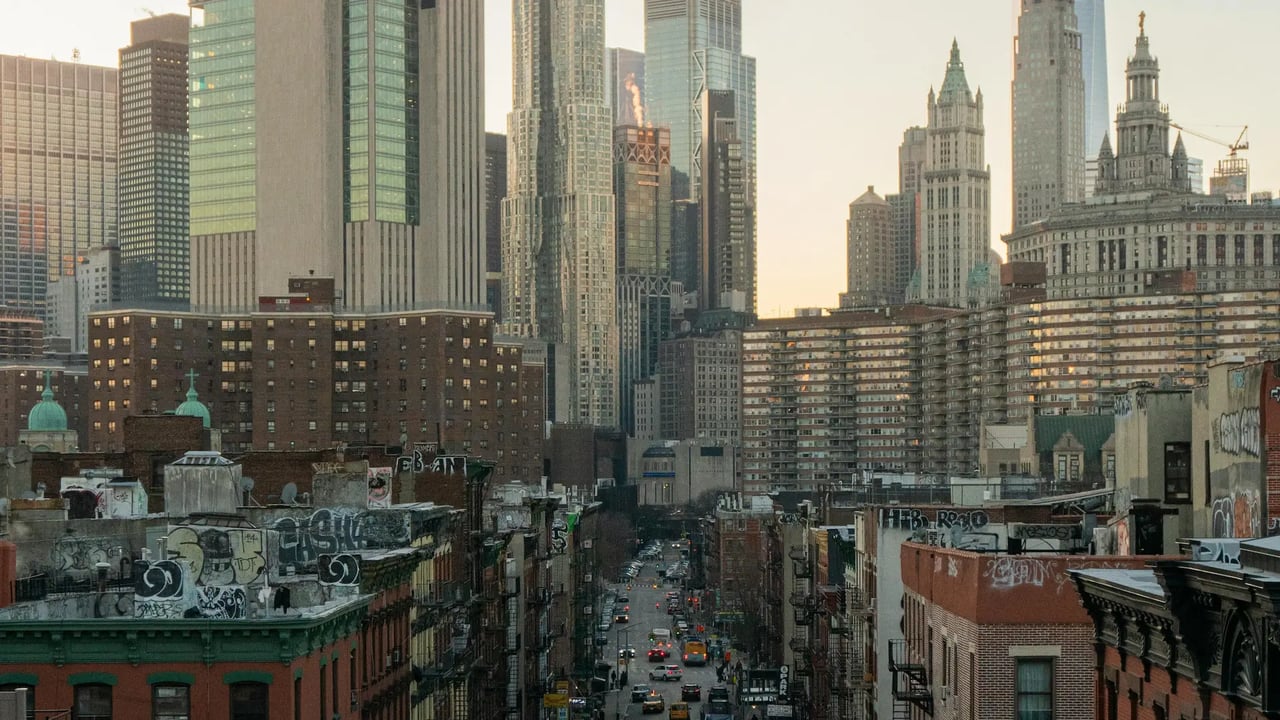
Why Investors Continue Watching Manhattan’s Most Evolving Neighborhood
Neighborhood
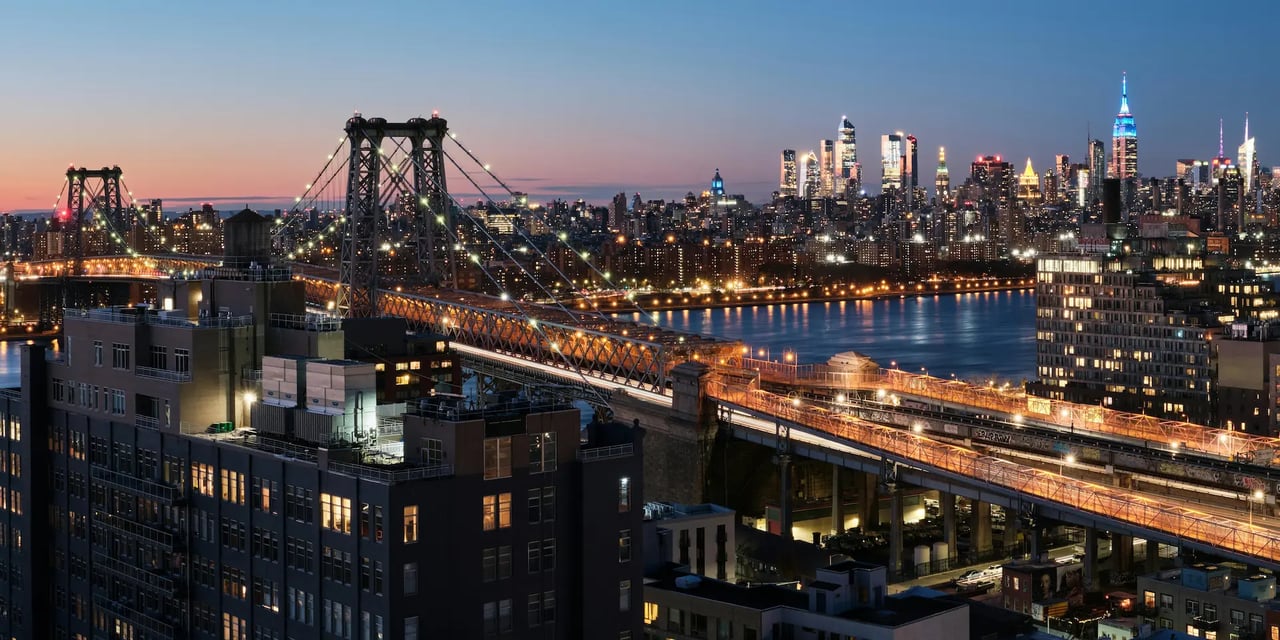
Why Investors Continue Targeting Brooklyn’s Most Competitive Neighborhood
Neighborhood
Why Hotels, Nightlife, and Cultural Energy Continue to Drive Housing Demand in Gramercy
Neighborhood
Understanding the Buying Process Behind One of Brooklyn’s Most Competitive Housing Markets
We love nothing more than helping buyers and sellers achieve their home-buying and selling goals. If you’ve got questions, we can’t wait to answer them.