DUMBO Transportation Guide: Subway, Ferry, and Commute Times to Manhattan
Neighborhood
Neighborhood
DUMBO has become one of Brooklyn’s most desirable neighborhoods, but for many buyers, one question comes first. How easy is the commute to Manhattan?
The good news is that DUMBO is one of the most transit-connected waterfront neighborhoods in New York City. Whether you prefer subway reliability, scenic ferry rides, or a quick bike commute over the bridge, accessibility is one of the area’s strongest selling points.
If you are considering buying or renting in DUMBO, here is exactly what you need to know.
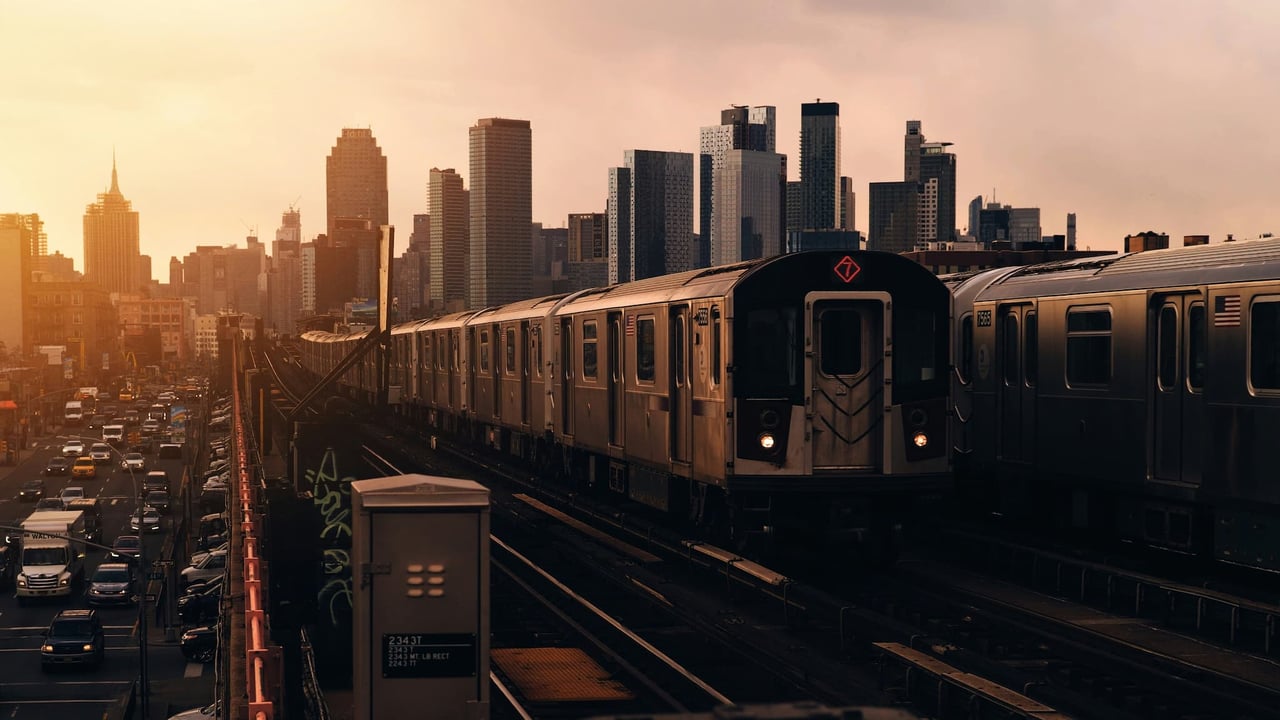
DUMBO is served primarily by three major subway lines that connect directly into Manhattan within minutes.
The High Street station sits at the northern edge of DUMBO and provides access to the A and C lines.
Commute times:
To Fulton Street in Lower Manhattan: about 5 minutes
To World Trade Center: about 7 minutes
To Midtown via express A train: 20 to 25 minutes
For professionals working in the Financial District, this is one of the fastest Brooklyn-to-Manhattan commutes available.
Located in the heart of DUMBO, the York Street station connects riders directly to the F line.
Commute times:
To West 4th Street: 10 to 12 minutes
To Bryant Park: about 18 minutes
To Rockefeller Center area: roughly 20 minutes
The F train is ideal for commuters heading to Midtown West or the Flatiron and Chelsea areas.
One of DUMBO’s most unique transportation advantages is direct access to the East River Ferry at Fulton Ferry Landing.
The NYC Ferry connects DUMBO to:
Wall Street Pier 11 in about 10 minutes
Midtown East in about 35 minutes
Williamsburg and Long Island City with direct waterfront stops
While the ferry may not replace the subway for daily commuters, it offers a scenic and predictable alternative, especially during peak summer months. Many residents use the ferry for flexible work schedules or hybrid office days.
For buyers coming from out of state, ferry access often becomes a lifestyle bonus that differentiates DUMBO from other Brooklyn neighborhoods.
DUMBO residents enjoy something most New Yorkers do not. The ability to walk into Manhattan.
The Manhattan Bridge pedestrian path begins directly in DUMBO. A brisk walk across the bridge takes approximately 20 to 25 minutes to reach Chinatown. The Brooklyn Bridge pedestrian entrance is also nearby, offering a similar commute into Lower Manhattan.
For cyclists, commute times are even faster:
To FiDi: 10 to 15 minutes
To SoHo: around 15 minutes
To Midtown via protected lanes: 25 to 30 minutes
With dedicated bike lanes improving across the city, many residents now consider DUMBO one of the most commuter-friendly Brooklyn neighborhoods.
Transit access is not just a convenience. It is a major factor in property values.
Here is why strong transportation infrastructure directly impacts DUMBO real estate:
Short commute times attract Manhattan professionals who want more space without sacrificing accessibility.
Multiple transit options reduce reliance on a single line, which lowers perceived commute risk.
Ferry and bridge access create lifestyle appeal beyond standard subway proximity.
Corporate tenants prioritize areas with direct access to Midtown and the Financial District.
As a result, condos near York Street, High Street, or Fulton Ferry Landing often command premium pricing compared to deeper Brooklyn neighborhoods with fewer transit options.
To put it in perspective, here are typical rush-hour commute times from DUMBO:
To Wall Street: 5 to 10 minutes
To Midtown Manhattan: 18 to 25 minutes
To Union Square: 15 to 20 minutes
To Brooklyn Navy Yard or Williamsburg: 10 to 15 minutes
Compared to neighborhoods further into Brooklyn, DUMBO offers one of the shortest average commutes into Manhattan while maintaining waterfront views and historic charm.
If your job is in Lower Manhattan or Midtown, DUMBO offers one of the best location-to-commute ratios in Brooklyn.
You get:
Direct subway access
Express train options
Ferry alternatives
Walkable bridge connections
Quick rideshare access to the Brooklyn-Queens Expressway
The neighborhood was once considered primarily industrial loft space. Today, it functions as a fully integrated residential community with some of the most efficient commute times outside Manhattan itself.
When buyers research Brooklyn real estate, commute time is often the deciding factor. DUMBO consistently ranks high because it combines waterfront living with genuine transportation convenience.
For professionals working in Manhattan, the ability to reach the office in under 20 minutes while living in a quieter, scenic environment is a compelling tradeoff. That balance keeps demand strong and resale values resilient.
If you are evaluating Brooklyn neighborhoods based on accessibility, DUMBO should be at the top of your list.
At Archpoint Advisory, we help buyers understand not just property features but daily lifestyle logistics. If commute time matters to you, we can guide you toward the buildings and blocks that align with your schedule and long-term goals.
Ready to explore available listings in DUMBO?
Reach out today and let’s find a home that works for both your commute and your investment strategy.
Stay up to date on the latest real estate trends.
Neighborhood
Why Green Space and Academic Influence Continue to Drive Demand in One of Manhattan's Most Desirable Neighborhoods
Neighborhood
Why Retail Convenience Continues to Drive Housing Demand in One of Brooklyn's Most Desirable Neighborhoods
Neighborhood
How New Construction Is Reshaping One of Manhattan’s Most Competitive Residential Markets
Neighborhood
Why Landmark Protections Help Preserve Tribeca’s Unique Real Estate Identity
s
Why Manhattan’s Dining Culture Continues to Shape Luxury Living and Real Estate Demand
Neighborhood
Why Investors Continue Watching Manhattan’s Most Evolving Neighborhood
Neighborhood
Why Investors Continue Targeting Brooklyn’s Most Competitive Neighborhood
Neighborhood
Why Hotels, Nightlife, and Cultural Energy Continue to Drive Housing Demand in Gramercy
Neighborhood
Understanding the Buying Process Behind One of Brooklyn’s Most Competitive Housing Markets
We love nothing more than helping buyers and sellers achieve their home-buying and selling goals. If you’ve got questions, we can’t wait to answer them.