Chelsea Industrial Conversions: Historic Warehouses Turned Luxury Condos
Neighborhood
Neighborhood
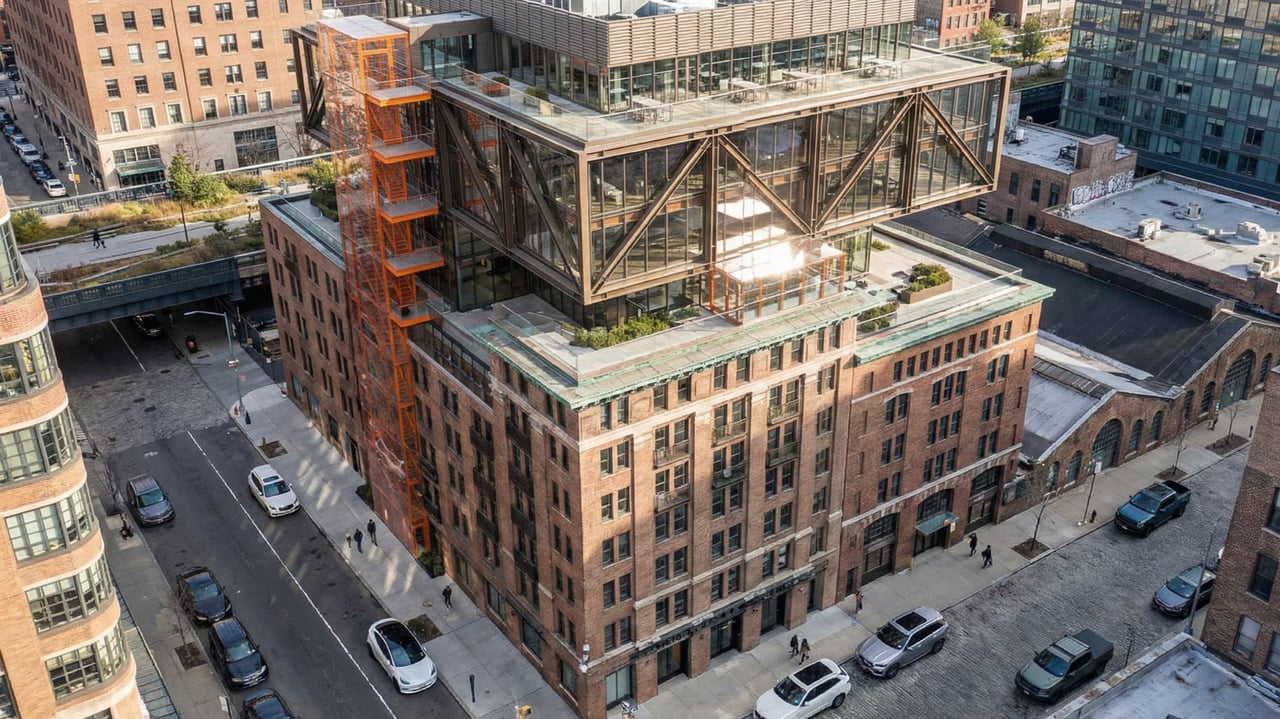
Chelsea’s real estate story is deeply tied to its industrial past. Long before the neighborhood became a global center for contemporary art and high-end residential living, its streets were lined with warehouses, factories, and manufacturing buildings that powered New York’s economy. Today, many of those same structures have been transformed into some of Manhattan’s most desirable luxury condos and loft residences.
What makes Chelsea industrial conversions so appealing is not just their history, but how seamlessly they blend original architectural character with modern living standards. Buyers are no longer choosing between charm and comfort. In Chelsea, they get both.
Chelsea’s location made it ideal for industrial use in the late 19th and early 20th centuries. Proximity to the Hudson River, rail lines, and shipping routes allowed warehouses and factories to flourish along the West Side. As manufacturing gradually moved out of Manhattan, these buildings became candidates for adaptive reuse rather than demolition.
Several factors accelerated Chelsea’s transformation:
Zoning changes that allowed residential use in former manufacturing zones
The rise of the art gallery district, which brought cultural prestige and global attention
Demand for large-format living, especially among creatives, executives, and international buyers
Instead of replacing the past, Chelsea reimagined it. The result is a neighborhood where historic brick and steel coexist with glass balconies and rooftop amenities.
Not all lofts are created equal. Authentic industrial conversions retain the elements that made these buildings special in the first place. Buyers who specifically seek Chelsea warehouse condo conversions are usually drawn to features such as:
Exposed brick walls with original textures and imperfections
Oversized steel or wood-framed windows that flood interiors with light
High ceilings, often ranging from 11 to 15 feet
Open floor plans that allow flexible use of space
Visible columns, beams, or original freight elevator details
These elements create a sense of scale that is difficult to replicate in ground-up new construction. Even luxury condos designed to mimic loft aesthetics rarely achieve the same authenticity.
What separates Chelsea conversions from earlier generations of loft living is the level of finish and service. Today’s buyers expect high-end kitchens, spa-quality bathrooms, and full-service buildings, even within historic shells.
Modern upgrades often include:
Custom chef’s kitchens with integrated appliances
Climate control systems designed for large open spaces
Soundproofing that respects the building’s original structure
Private storage, bike rooms, and attended lobbies
Rooftop terraces with skyline or Hudson River views
Buildings like these appeal to buyers who value design integrity but also want turnkey convenience.
Chelsea loft buyers tend to fall into a few consistent categories:
Design-driven end users who prioritize architectural character over traditional layouts
Art collectors and creatives who need wall space, light, and volume
Executives and entrepreneurs seeking a home that feels distinct from standard condos
International buyers drawn to authentic New York living with long-term value
These buyers are often less price-sensitive than average condo purchasers. They are investing in uniqueness, not just square footage.
From an investment standpoint, Chelsea industrial conversions perform exceptionally well. Their limited supply makes them resistant to oversaturation, especially compared to new development corridors.
Key advantages include:
Stronger resale demand due to architectural scarcity
Better value retention during market slowdowns
Higher rental appeal for furnished and corporate leases
Consistent interest from global buyers, regardless of local market cycles
Unlike generic luxury towers, converted warehouses cannot be easily replicated. Once they are gone, they are gone for good.
The same buildings that once stored goods now house galleries, residences, and cultural institutions. This continuity is part of Chelsea’s charm. Living in a converted warehouse connects residents to the neighborhood’s working-class roots while enjoying one of Manhattan’s most dynamic modern lifestyles.
Residents step outside their lofts and find:
World-renowned art galleries
The High Line just blocks away
Michelin-starred dining and neighborhood cafés
Easy access to Hudson Yards, Flatiron, and downtown
Chelsea’s industrial conversions are not isolated relics. They are integrated into a thriving urban ecosystem.
If you value originality, scale, and architectural integrity, few options in Manhattan compare to Chelsea loft living. These homes offer a sense of permanence and individuality that new construction often lacks.
For buyers and investors alike, historic warehouse conversions represent a rare combination of emotional appeal and financial stability. They tell a story, and in New York real estate, stories matter.
At Archpoint Advisory, we specialize in identifying Chelsea’s most compelling industrial conversions, including off-market opportunities that never appear online. Our team understands the nuances between true loft buildings and modern imitations, helping clients make informed, confident decisions.
If you are considering a Chelsea warehouse condo, or simply want to understand how these properties fit into your long-term strategy, we are here to guide you.
Stay up to date on the latest real estate trends.
Neighborhood
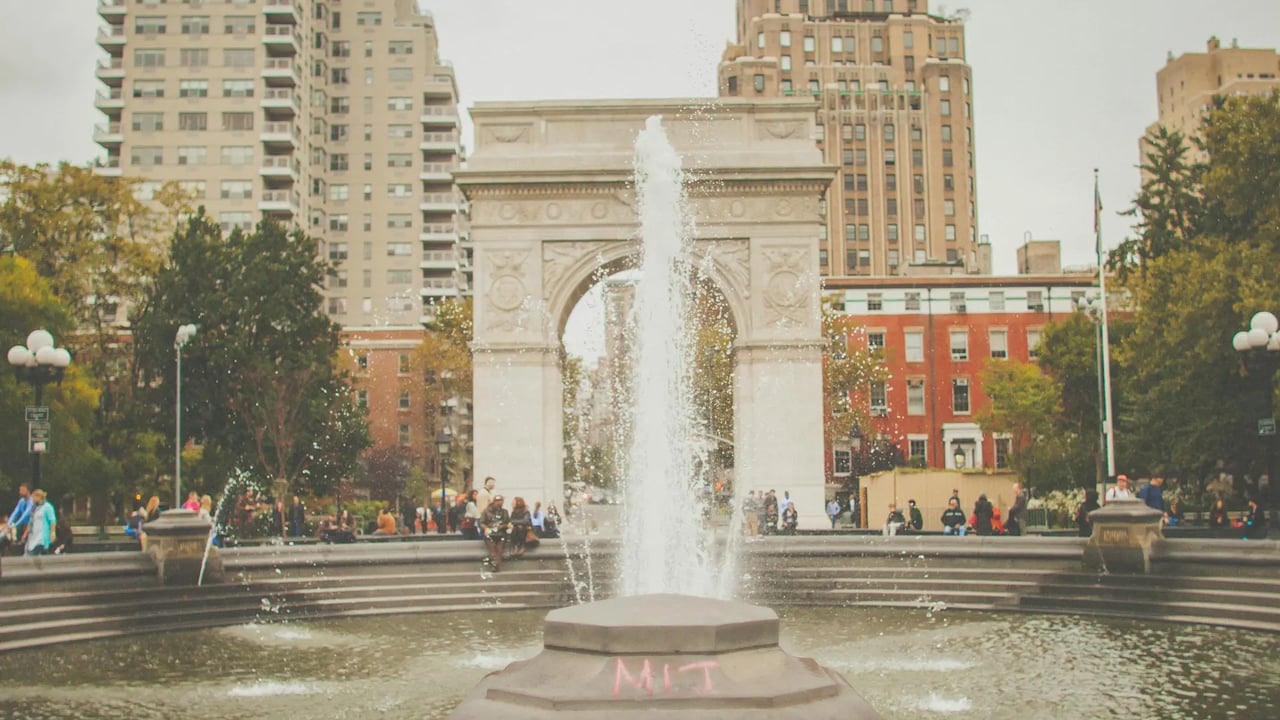
Why Green Space and Academic Influence Continue to Drive Demand in One of Manhattan's Most Desirable Neighborhoods
Neighborhood
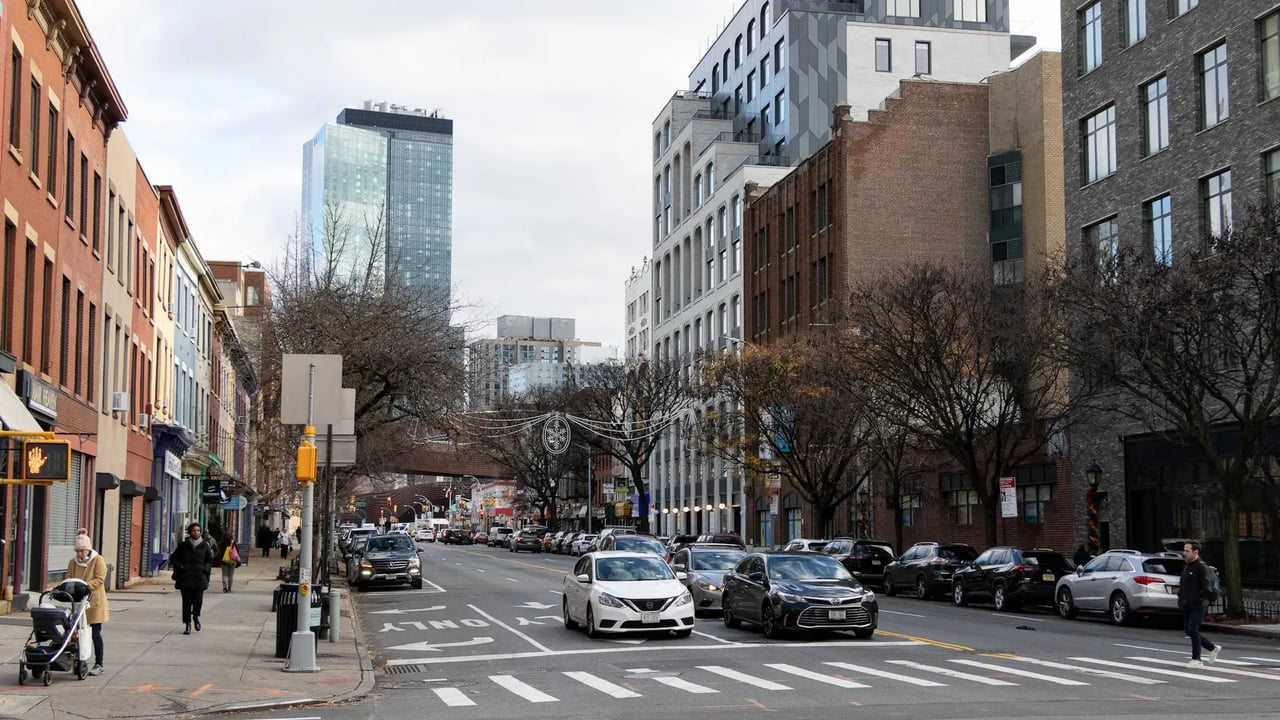
Why Retail Convenience Continues to Drive Housing Demand in One of Brooklyn's Most Desirable Neighborhoods
Neighborhood
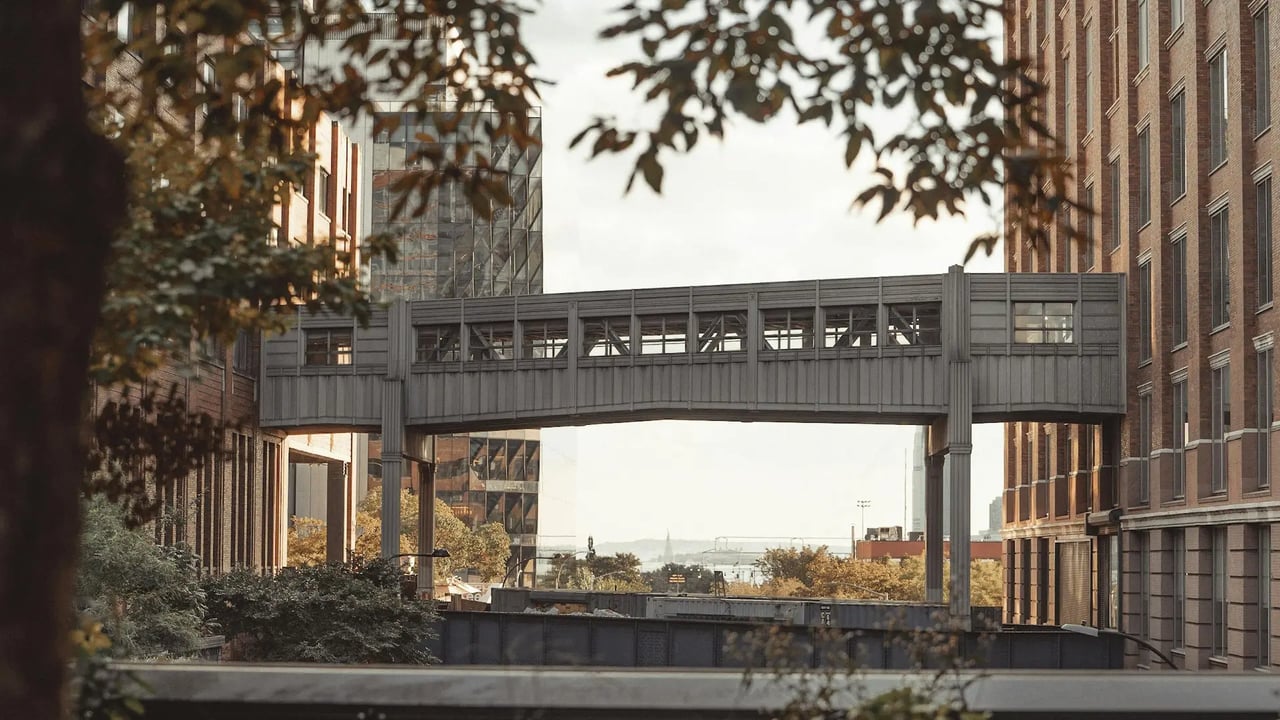
How New Construction Is Reshaping One of Manhattan’s Most Competitive Residential Markets

Neighborhood
Why Landmark Protections Help Preserve Tribeca’s Unique Real Estate Identity
s
Why Manhattan’s Dining Culture Continues to Shape Luxury Living and Real Estate Demand
Neighborhood
Why Investors Continue Watching Manhattan’s Most Evolving Neighborhood
Neighborhood
Why Investors Continue Targeting Brooklyn’s Most Competitive Neighborhood
Neighborhood
Why Hotels, Nightlife, and Cultural Energy Continue to Drive Housing Demand in Gramercy
Neighborhood
Understanding the Buying Process Behind One of Brooklyn’s Most Competitive Housing Markets
We love nothing more than helping buyers and sellers achieve their home-buying and selling goals. If you’ve got questions, we can’t wait to answer them.