DUMBO's Historic Warehouse Conversions: Industrial Lofts and Modern Living
Neighborhood
Neighborhood
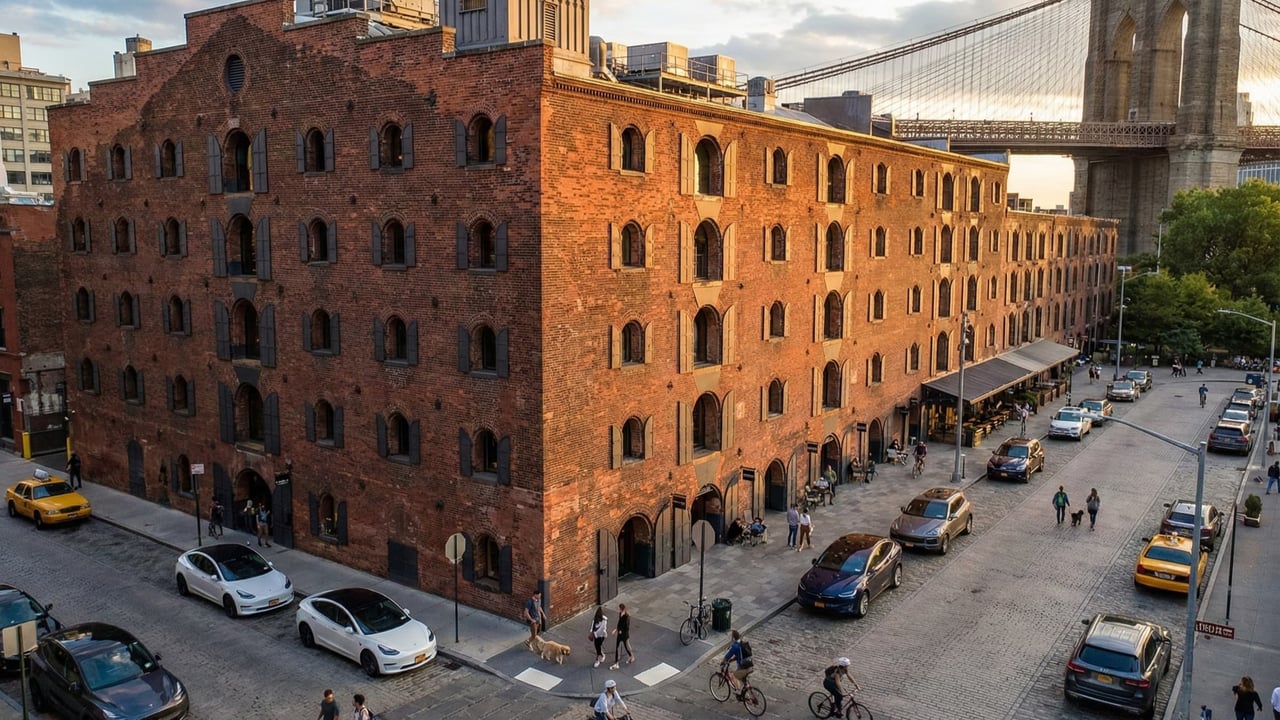
DUMBO has one of the most recognizable streetscapes in New York City. Cobblestone blocks, steel bridges overhead, and massive brick buildings lining the waterfront all tell the story of a neighborhood built for industry, not luxury. Yet today, those same warehouses have become some of Brooklyn’s most sought-after residential addresses.
What makes DUMBO special is not just its location between the Brooklyn and Manhattan Bridges. It is the way historic warehouse architecture has been carefully adapted for modern living. Converted lofts here offer a rare blend of raw industrial character and refined design, attracting buyers who value authenticity just as much as comfort.
DUMBO, short for “Down Under the Manhattan Bridge Overpass,” was once a gritty manufacturing district filled with paper factories, coffee warehouses, and shipping terminals. For decades, these buildings served as backbones of Brooklyn’s industrial economy.
When industry declined in the mid-20th century, many of these structures sat vacant. Their thick masonry walls, heavy timber beams, and oversized windows were no longer needed for manufacturing. However, those same features would later become the defining elements of DUMBO loft living.
As zoning laws evolved and developers recognized the architectural value of these warehouses, conversions began. Instead of demolishing the past, DUMBO leaned into it. The result is a neighborhood where history is preserved, not erased.
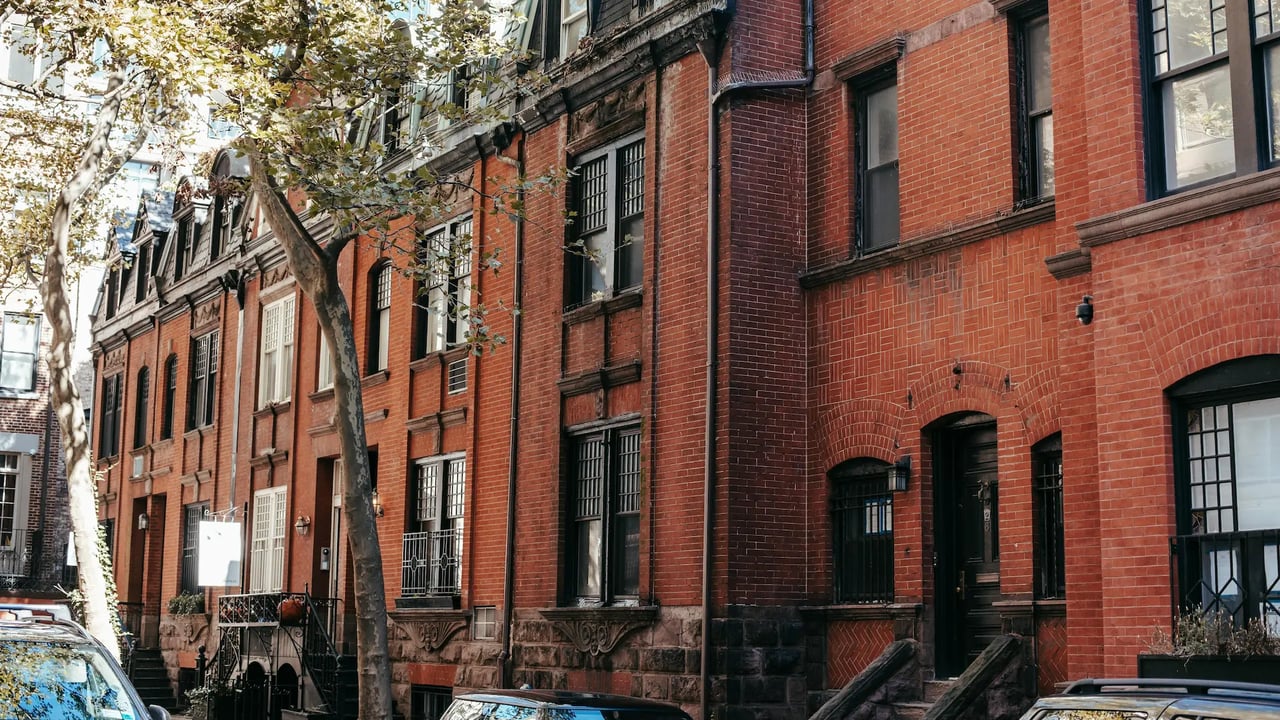
Warehouse conversions in DUMBO are instantly recognizable. Buyers are drawn to features that are nearly impossible to replicate in new construction.
Common architectural highlights include:
Exposed brick walls that showcase the original structure
Ceilings reaching 10 to 14 feet, creating dramatic volume
Oversized industrial windows that flood units with natural light
Original timber beams and columns restored rather than replaced
Open floor plans designed around the building’s original layout
These elements create homes that feel grounded and substantial. There is a sense of permanence in a converted warehouse that many modern buildings simply do not offer.
Several buildings have become synonymous with DUMBO’s residential identity.
The Clocktower Building is one of the most recognizable examples. Originally a warehouse, it now offers expansive loft residences with sweeping Manhattan Bridge views. The building retains its industrial shell while featuring high-end interiors and modern amenities.
One Main Street, formerly part of the Arbuckle Brothers sugar refinery complex, blends historic charm with waterfront living. Residents enjoy loft-style interiors paired with outdoor green space that feels uniquely DUMBO.
The Sweeney Building and nearby warehouse conversions along Washington and Front Streets highlight how adaptive reuse can preserve neighborhood character while supporting residential demand.
These buildings set the tone for DUMBO’s real estate market and continue to influence pricing across the neighborhood.
Living in a converted warehouse offers a different experience than a traditional apartment. Buyers are not just purchasing a home. They are buying into a story and a lifestyle.
Key reasons buyers gravitate toward DUMBO lofts include:
Authenticity that cannot be duplicated in ground-up developments
Flexible layouts ideal for creative professionals and remote work
Visual separation from cookie-cutter condos
A strong sense of place within Brooklyn’s architectural history
Many residents describe their lofts as feeling more like private studios than apartments. That distinction matters in a city where uniqueness carries real value.
While the exterior architecture remains industrial, interiors are fully modernized. Developers have carefully balanced preservation with contemporary expectations.
Most converted buildings now feature:
Central air conditioning and modern mechanical systems
Updated kitchens with premium appliances
Soundproofed windows for comfort despite tourist traffic
Full-service amenities including doormen, gyms, and rooftop decks
This combination allows residents to enjoy historic character without sacrificing convenience.
DUMBO’s limited inventory plays a major role in its pricing strength. There are only so many warehouses that can be converted, and zoning restrictions limit new development. That scarcity supports long-term value.
Converted lofts often command higher prices per square foot than new construction because they offer something truly irreplaceable. Buyers are willing to pay a premium for authenticity, scale, and architectural integrity.
During slower market cycles, DUMBO lofts also tend to retain demand due to their uniqueness and strong rental appeal.
Warehouse conversions are ideal for buyers who prioritize design, history, and openness over traditional layouts. They appeal to creatives, entrepreneurs, and buyers looking for a long-term home with character.
They may not suit buyers seeking compact spaces or ultra-modern finishes, but for those drawn to industrial charm, DUMBO delivers unmatched options.
Many of the best lofts in DUMBO trade quietly, often through private networks rather than public listings. Understanding building history, layout nuances, and pricing trends requires local expertise.
At Archpoint Advisory, we specialize in Brooklyn’s most architecturally significant properties, including historic warehouse conversions in DUMBO. Whether you are searching for a full-floor loft or a waterfront conversion with bridge views, we can guide you through the market with clarity and confidence.
If you are considering industrial loft living in DUMBO, now is the time to explore what these iconic buildings have to offer.
Contact Archpoint Advisory today to discover Brooklyn living shaped by history, design, and enduring value.
Stay up to date on the latest real estate trends.
Neighborhood
Why Green Space and Academic Influence Continue to Drive Demand in One of Manhattan's Most Desirable Neighborhoods
Neighborhood
Why Retail Convenience Continues to Drive Housing Demand in One of Brooklyn's Most Desirable Neighborhoods
Neighborhood
How New Construction Is Reshaping One of Manhattan’s Most Competitive Residential Markets
Neighborhood
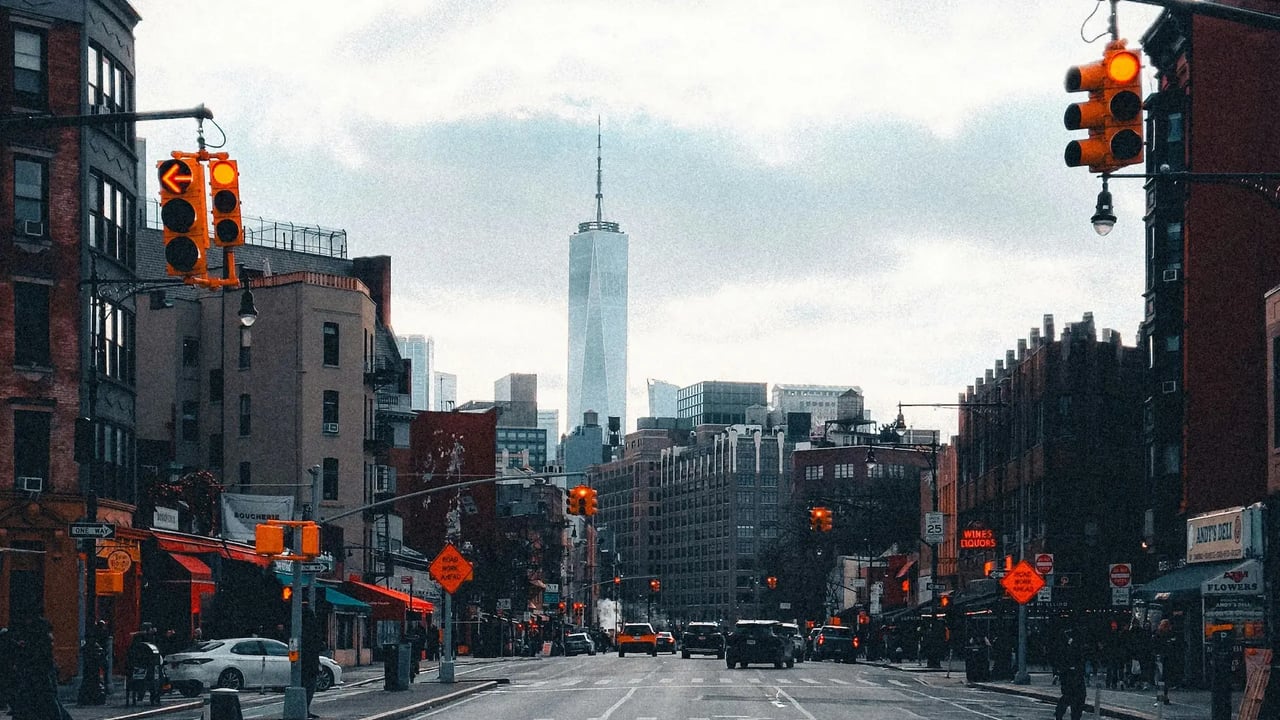
Why Landmark Protections Help Preserve Tribeca’s Unique Real Estate Identity
s
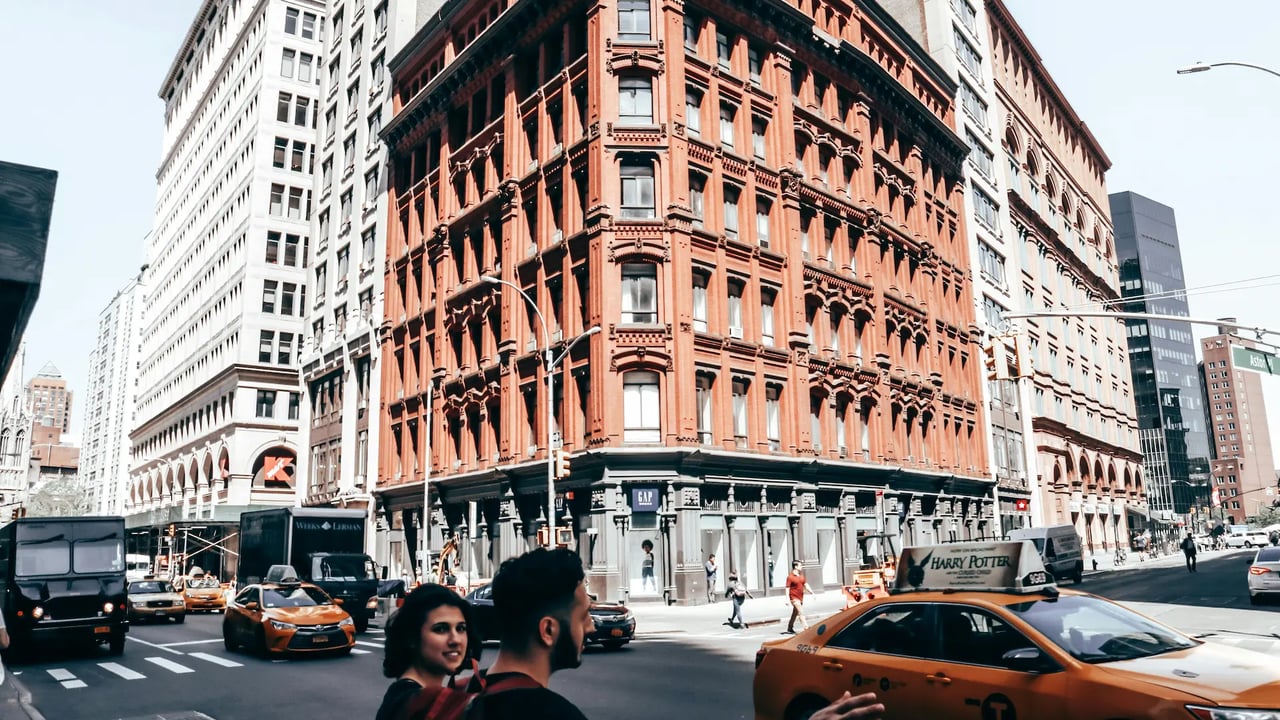
Why Manhattan’s Dining Culture Continues to Shape Luxury Living and Real Estate Demand
Neighborhood
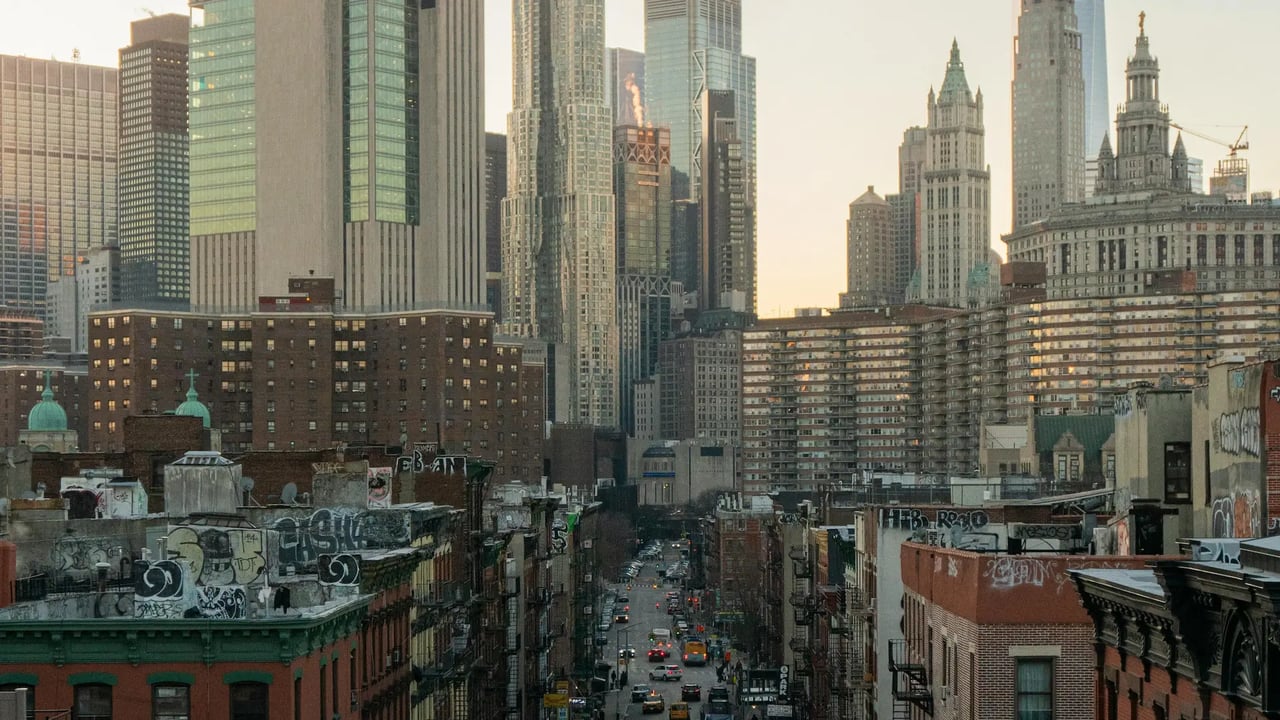
Why Investors Continue Watching Manhattan’s Most Evolving Neighborhood
Neighborhood
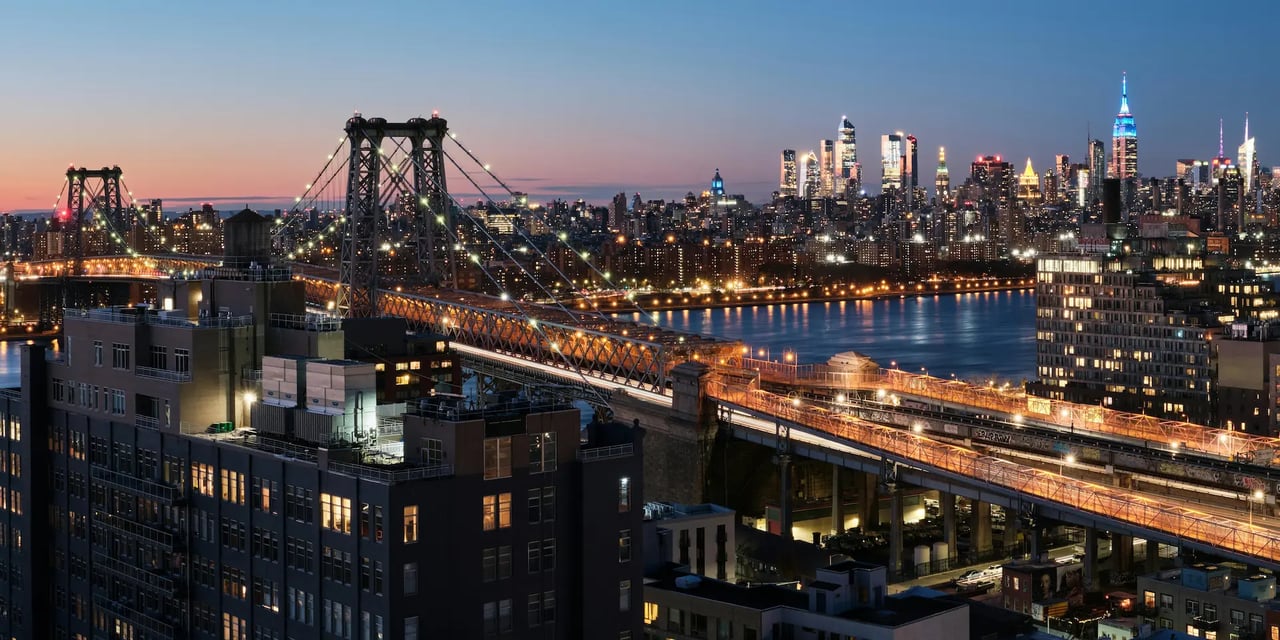
Why Investors Continue Targeting Brooklyn’s Most Competitive Neighborhood
Neighborhood
Why Hotels, Nightlife, and Cultural Energy Continue to Drive Housing Demand in Gramercy
Neighborhood
Understanding the Buying Process Behind One of Brooklyn’s Most Competitive Housing Markets
We love nothing more than helping buyers and sellers achieve their home-buying and selling goals. If you’ve got questions, we can’t wait to answer them.