East Village New Construction vs. Pre-War Buildings: Character vs. Modern Amenities Guide
Neighborhood
Neighborhood
The East Village has always defied labels. Once known for its artistic roots and bohemian charm, the neighborhood has evolved into a dynamic mix of history and modern design. Today, buyers choosing between a new construction condo and a classic pre-war walk-up are really choosing between two lifestyles: one centered on convenience and sleek comfort, the other built on character, culture, and authenticity.
Both options have strong appeal — and in this part of Manhattan, both command serious attention. Here’s how they compare in terms of pricing, design, and daily life.
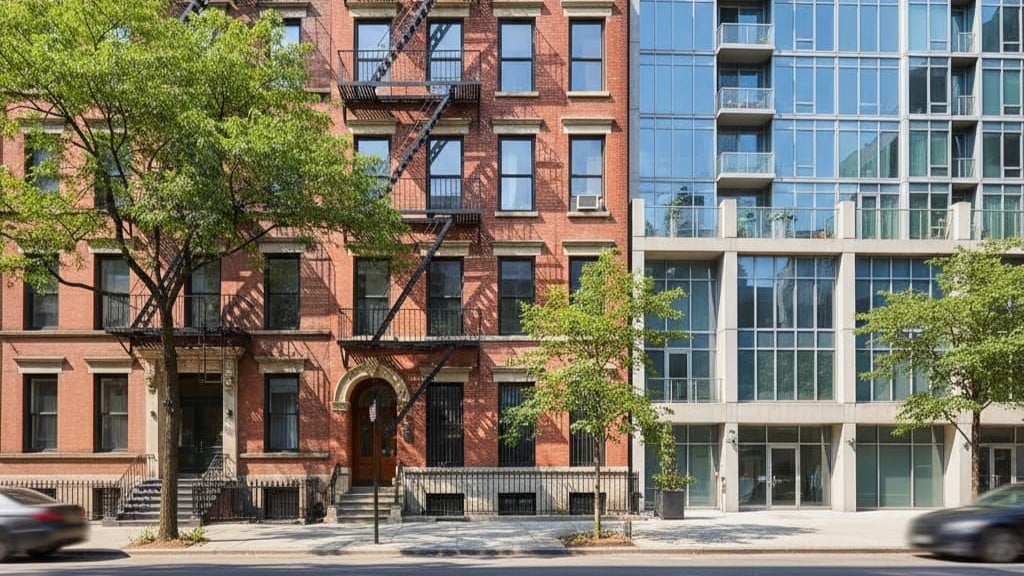
Few neighborhoods in Manhattan offer such a sharp contrast between old and new. On one block, you’ll find 1920s brownstones with ornate facades and exposed brick interiors. On the next, a modern glass tower rises with private terraces and doorman service.
This blend creates a fascinating market. Pre-war apartments continue to attract long-time residents and creative professionals who value character and affordability. Meanwhile, luxury new developments cater to buyers who want a full-service lifestyle near downtown’s energy.
The pre-war buildings of the East Village are part of what makes it iconic. Many date back to the early 1900s, featuring high ceilings, hardwood floors, decorative moldings, and large windows that fill interiors with soft natural light.
Residents love these homes for their authenticity. There’s a tangible sense of history in every detail. Many of these buildings are walk-ups or small co-ops without elevators, but their charm makes up for the lack of modern conveniences.
Timeless character: Original woodwork, exposed brick, and unique layouts create homes that feel personal and warm.
Community connection: Smaller buildings foster close-knit neighbor relationships, something that newer towers can’t always replicate.
Lower monthly costs: Maintenance fees tend to be more manageable, especially in co-ops or non-doorman buildings.
Prime location access: Many pre-war units sit on quieter side streets near Tompkins Square Park or Avenue B, offering a mix of calm and convenience.
However, pre-war living isn’t for everyone. Lack of elevators, central air, or in-unit laundry can be dealbreakers for buyers seeking convenience. Renovations can also be challenging due to older infrastructure or stricter co-op boards.
In recent years, the East Village has seen a wave of modern residential projects that redefine what downtown living can look like. Developments like No45E7, EVE NYC, and 65 E 2nd Street bring a new level of comfort with open layouts, floor-to-ceiling windows, and curated amenity packages.
New construction offers what many younger buyers and investors crave: modern design, energy efficiency, and easy living. These properties attract professionals, couples, and international buyers who value luxury amenities as much as location.
Luxury amenities: Doorman service, fitness centers, rooftop decks, and shared lounges are now standard.
Effortless living: Central air, dishwashers, washers and dryers, and smart-home systems make life more comfortable.
Design flexibility: Open floor plans and contemporary finishes appeal to minimalists and design-conscious residents.
Strong resale and rental appeal: Investors often choose new construction for predictable maintenance costs and high tenant demand.
The trade-off is price. New construction in the East Village often starts above $1,500 per square foot, while renovated pre-war units can be significantly less. Maintenance and common charges in luxury buildings are also higher, reflecting the cost of amenities and staff.
The choice between old and new often comes down to lifestyle priorities.
If you value personality and community, pre-war buildings are unmatched. They offer individuality, story-filled architecture, and a neighborhood feel that connects residents to the East Village’s creative roots.
If you value convenience and design, new construction delivers. You’ll find bright spaces, reliable systems, and the ease of modern amenities just steps from restaurants, cafes, and nightlife.
For many buyers, the answer lies somewhere in between — a renovated pre-war with updated interiors or a boutique condo that blends classic brickwork with modern touches. The East Village excels at that balance, which is why the market remains so competitive.
While prices fluctuate, general trends remain clear:
Pre-war co-ops and walk-ups: Typically range between $900–$1,300 per square foot, depending on condition and proximity to the park or subways.
Boutique condos: Hover around $1,400–$1,800 per square foot.
New developments and penthouses: Often exceed $2,000 per square foot, especially for units with outdoor space or city views.
Buyers are willing to pay a premium for low maintenance, new finishes, and elevator access. But pre-war homes still lead in emotional appeal and long-term neighborhood loyalty.
Deciding between a new construction condo and a pre-war apartment is not just about comparing features. It’s about identifying what kind of lifestyle you want to live in one of Manhattan’s most eclectic neighborhoods.
At Archpoint Advisory, we help buyers explore both sides of the East Village real estate market — from historic brownstones near Tompkins Square Park to high-end developments along East Houston and Avenue A. Whether your dream home is filled with character or sleek modern design, the key is finding a space that fits your rhythm and reflects your vision.
Ready to explore East Village properties that match your style? Reach out to Archpoint Advisory for personalized guidance and access to the latest listings across this vibrant downtown market.
Stay up to date on the latest real estate trends.

Neighborhood
Why Green Space and Academic Influence Continue to Drive Demand in One of Manhattan's Most Desirable Neighborhoods
Neighborhood
Why Retail Convenience Continues to Drive Housing Demand in One of Brooklyn's Most Desirable Neighborhoods

Neighborhood
How New Construction Is Reshaping One of Manhattan’s Most Competitive Residential Markets

Neighborhood
Why Landmark Protections Help Preserve Tribeca’s Unique Real Estate Identity

s
Why Manhattan’s Dining Culture Continues to Shape Luxury Living and Real Estate Demand

Neighborhood
Why Investors Continue Watching Manhattan’s Most Evolving Neighborhood
Neighborhood
Why Investors Continue Targeting Brooklyn’s Most Competitive Neighborhood
Neighborhood
Why Hotels, Nightlife, and Cultural Energy Continue to Drive Housing Demand in Gramercy
Neighborhood
Understanding the Buying Process Behind One of Brooklyn’s Most Competitive Housing Markets
We love nothing more than helping buyers and sellers achieve their home-buying and selling goals. If you’ve got questions, we can’t wait to answer them.