Flatiron vs. Union Square: Comparing Two Dynamic Manhattan Neighborhoods
Flatiron
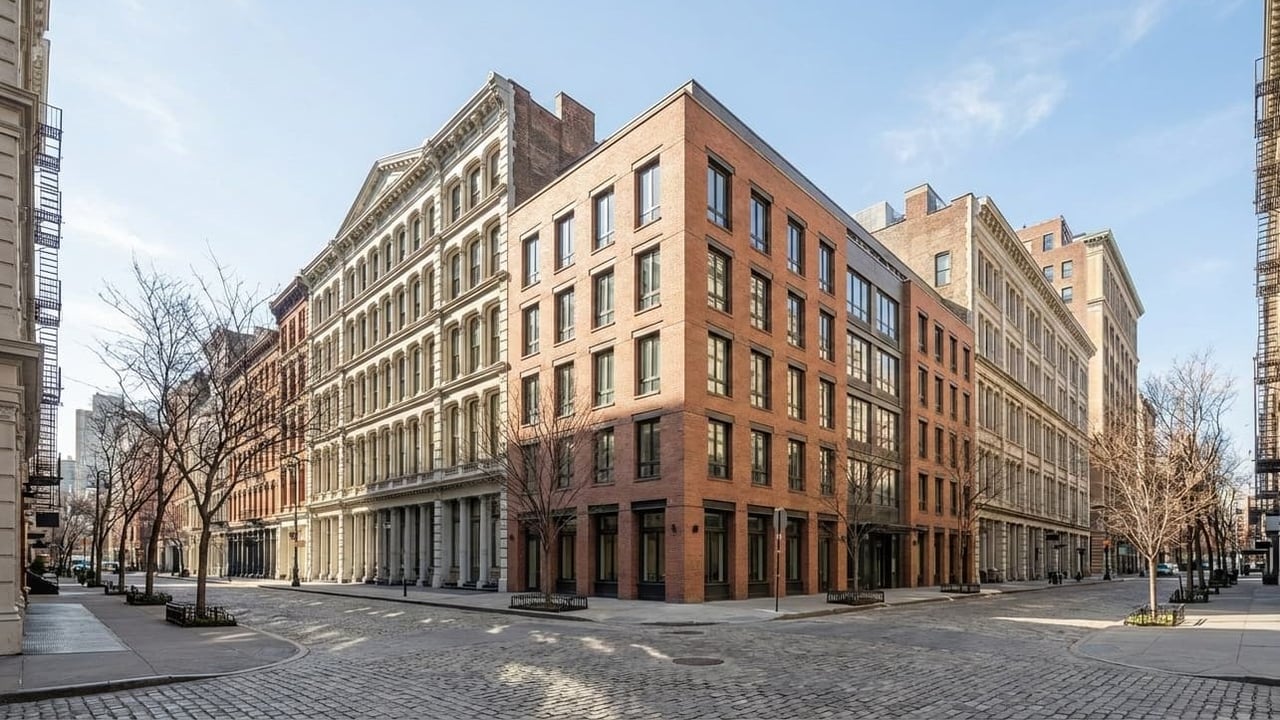
Flatiron
Flatiron and Union Square sit just minutes apart, yet they offer noticeably different living experiences. Both neighborhoods attract buyers who want central Manhattan access, strong transit connectivity, and vibrant street life. Still, when it comes to real estate value, daily lifestyle, and long-term investment appeal, each area speaks to a different type of buyer.
If you are deciding between Flatiron and Union Square, understanding what truly sets them apart can help you choose not just a home, but a neighborhood that fits how you live and invest.
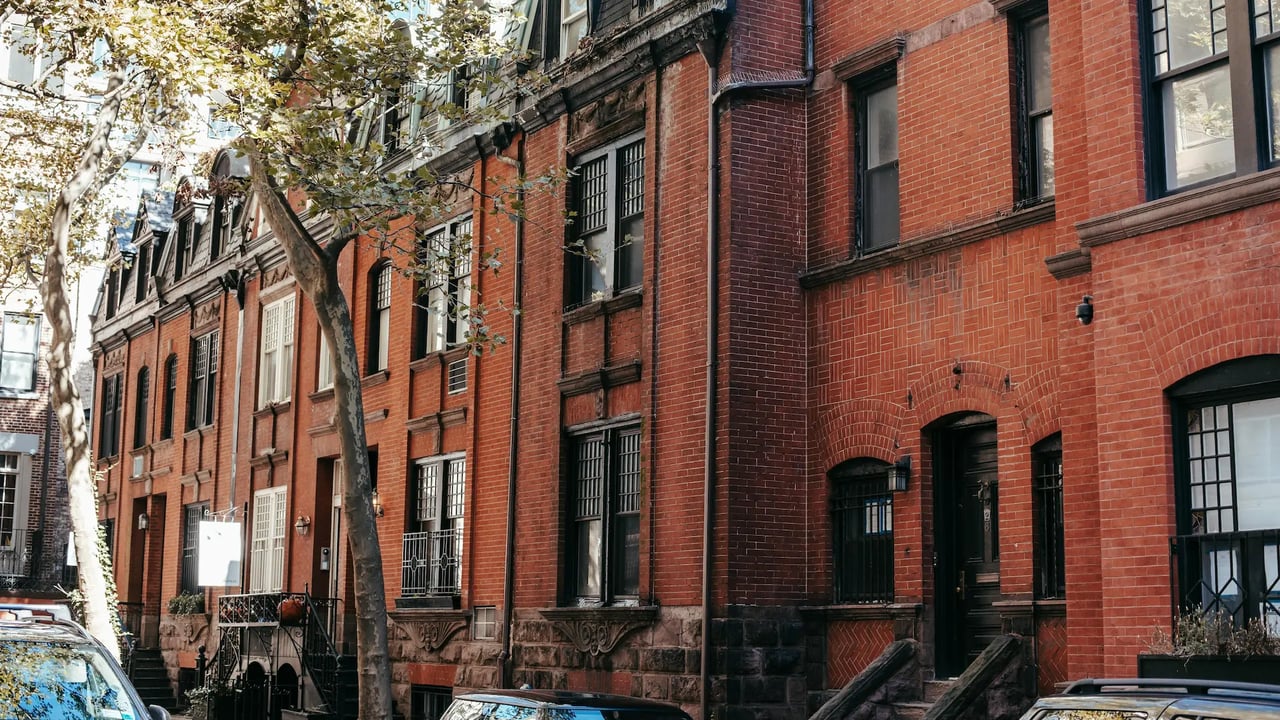
Flatiron is often described as refined, measured, and quietly energetic. The neighborhood blends historic architecture with modern residential towers, creating an environment that feels residential even during the workweek. Madison Square Park anchors the area, giving residents a natural escape that softens the surrounding commercial presence.
Union Square, on the other hand, is faster paced and more public-facing. The area buzzes with activity from morning to night, fueled by its role as a transportation hub, retail destination, and cultural meeting point. The famous Greenmarket, large plazas, and constant pedestrian traffic make Union Square feel more dynamic and more exposed.
In simple terms:
Flatiron feels curated and residential.
Union Square feels open, energetic, and urban.
Flatiron real estate is defined by a mix of prewar loft buildings, boutique condo conversions, and newer luxury developments. Many apartments feature high ceilings, oversized windows, and flexible layouts that appeal to professionals, creatives, and long-term residents. Inventory tends to be limited, which helps support pricing stability.
Union Square offers a wider range of housing stock. Buyers will find prewar co-ops, rental-heavy buildings, and mixed-use developments with residential units above retail or office space. While there are excellent apartments available, fewer buildings are purely residential, and turnover is more frequent.
Typical buyer preferences tend to look like this:
Flatiron attracts buyers seeking long-term ownership, park access, and quieter surroundings.
Union Square appeals to buyers who value transit access, convenience, and vibrant street life.
Flatiron property values generally trend higher on a per-square-foot basis, especially for homes near Madison Square Park or on tree-lined side streets. Limited supply and strong owner-occupant demand contribute to steady appreciation.
Union Square pricing can vary more widely. Properties close to major avenues or transit hubs may trade at lower prices per square foot compared to Flatiron, but can offer strong rental performance due to high tenant demand.
From an investment perspective:
Flatiron favors appreciation and long-term value retention.
Union Square offers flexibility and consistent rental demand.
Flatiron residents enjoy a lifestyle that balances convenience with calm. The neighborhood is known for chef-driven restaurants, intimate cafés, boutique fitness studios, and proximity to Madison Square Park. Many daily errands can be handled on foot without navigating heavy crowds.
Union Square is more outward-facing. It is a destination for shopping, dining, and entertainment. The neighborhood offers immediate access to major retailers, movie theaters, and one of the best farmers markets in the city. For residents who enjoy being in the center of activity, Union Square delivers constant energy.
Key lifestyle differences include:
Flatiron emphasizes walkable calm and green space.
Union Square emphasizes access, movement, and variety.
Union Square is one of Manhattan’s most connected transit hubs, with multiple subway lines intersecting beneath the square. For commuters who prioritize fast access to all boroughs, this is a major advantage.
Flatiron is also well-connected, though slightly less intense. Most residents are within a short walk of several subway lines, making commuting easy without the congestion of a major hub. For many buyers, this balance is ideal.
Flatiron is best suited for buyers who:
Want proximity to Midtown and Downtown without constant foot traffic
Value green space and residential character
Plan to hold property long term
Prefer boutique buildings or architecturally distinctive homes
It is especially appealing to professionals, couples, and downsizers looking for a calm but central Manhattan lifestyle.
Union Square works well for buyers who:
Rely heavily on public transportation
Enjoy a lively, urban environment
Are open to mixed-use buildings
Prioritize rental income flexibility
It also appeals to investors and buyers who value liquidity and high tenant demand.
Flatiron and Union Square are both excellent neighborhoods, but they serve different goals. Flatiron offers stability, refinement, and lifestyle-driven value. Union Square offers access, energy, and flexibility.
The right choice depends on how you plan to live, how long you plan to own, and what you value most in a Manhattan home.
At Archpoint Advisory, we help buyers navigate these nuanced decisions with local insight and data-driven guidance. Whether you are exploring Flatiron lofts or Union Square investments, our team can help you identify the best opportunities, including off-market options.
Reach out today to discuss which neighborhood aligns best with your real estate goals.
Stay up to date on the latest real estate trends.
Neighborhood
Why Green Space and Academic Influence Continue to Drive Demand in One of Manhattan's Most Desirable Neighborhoods
Neighborhood
Why Retail Convenience Continues to Drive Housing Demand in One of Brooklyn's Most Desirable Neighborhoods

Neighborhood
How New Construction Is Reshaping One of Manhattan’s Most Competitive Residential Markets

Neighborhood
Why Landmark Protections Help Preserve Tribeca’s Unique Real Estate Identity

s
Why Manhattan’s Dining Culture Continues to Shape Luxury Living and Real Estate Demand

Neighborhood
Why Investors Continue Watching Manhattan’s Most Evolving Neighborhood
Neighborhood
Why Investors Continue Targeting Brooklyn’s Most Competitive Neighborhood
Neighborhood
Why Hotels, Nightlife, and Cultural Energy Continue to Drive Housing Demand in Gramercy
Neighborhood
Understanding the Buying Process Behind One of Brooklyn’s Most Competitive Housing Markets
We love nothing more than helping buyers and sellers achieve their home-buying and selling goals. If you’ve got questions, we can’t wait to answer them.