Historic Gramercy Architecture: Victorian Mansions and Pre-War Co-ops
Neighborhood
Neighborhood
Gramercy is one of the few Manhattan neighborhoods where history is not hidden behind plaques. It is lived in every day. Walking through the streets surrounding Gramercy Park feels like stepping into a quieter chapter of New York City, where architectural detail, proportion, and craftsmanship take precedence over height and glass.
Long before high-rise towers reshaped Manhattan’s skyline, Gramercy was designed as a refined residential enclave. Its Victorian mansions, historic clubs, and pre-war cooperative buildings continue to shape both the neighborhood’s character and its real estate value today. For buyers who appreciate architectural integrity and long-term prestige, Gramercy remains one of the city’s most compelling places to own.
Gramercy Park was established in the 1830s as a private, landscaped square intended to attract New York’s upper class. Unlike other areas that later evolved into commercial hubs, Gramercy retained its residential focus. That decision influenced the architectural styles that followed.
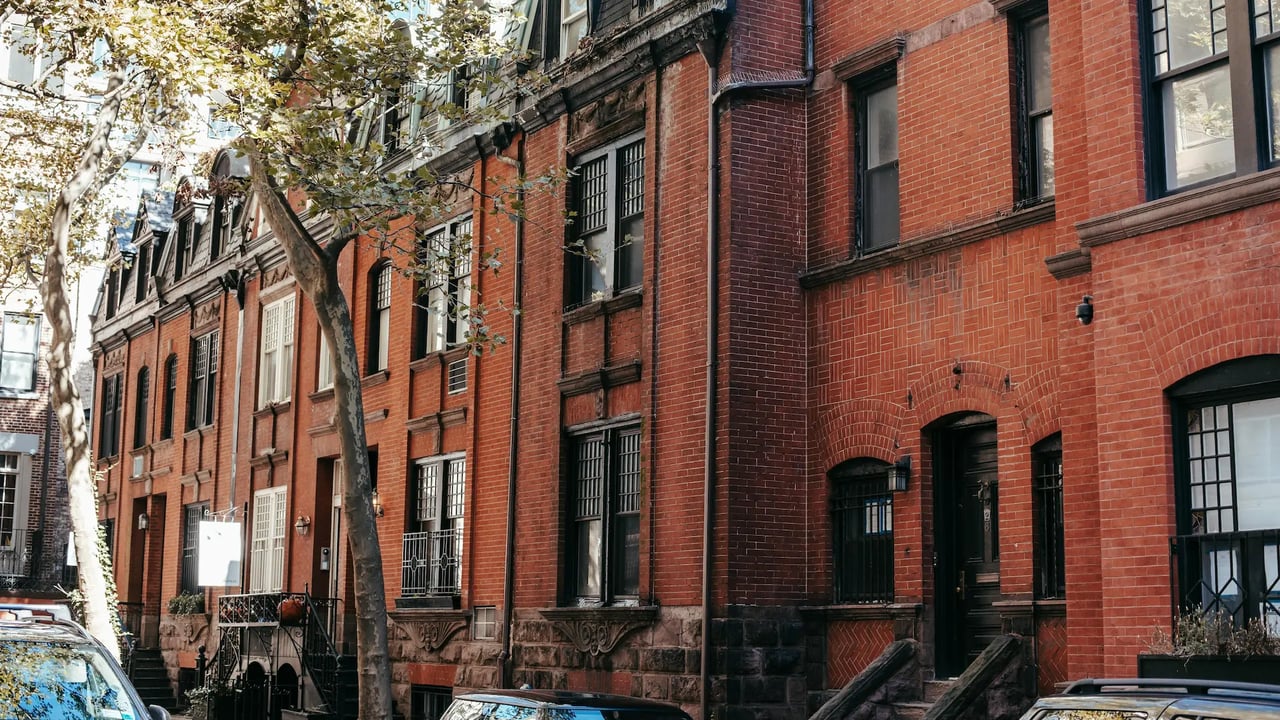
Throughout the mid-to-late 19th century, developers constructed elegant townhouses and mansions in Victorian and Greek Revival styles. These homes emphasized symmetry, ornate facades, and carefully scaled proportions. Many of these structures still stand today, protected by landmark designations that prevent overdevelopment.
The result is a neighborhood that feels cohesive, intentional, and remarkably preserved.
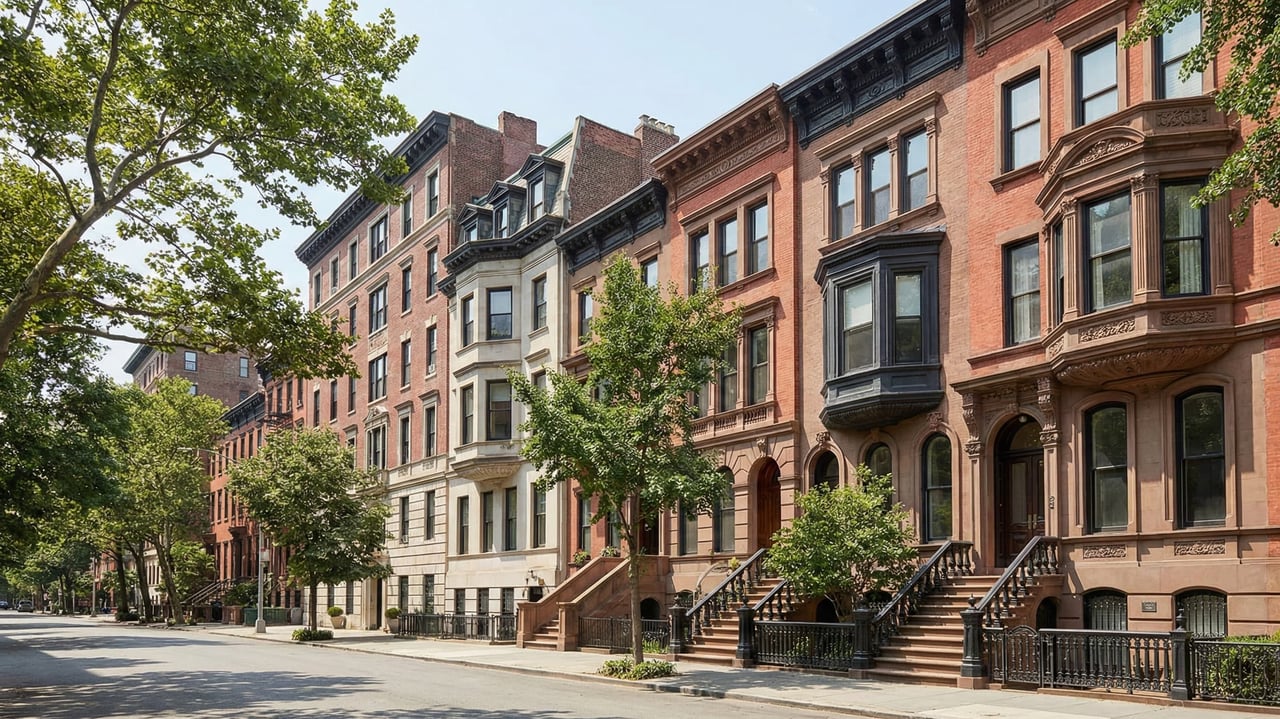
Victorian-era mansions remain some of Gramercy’s most visually striking properties. Built for industrialists, financiers, and cultural leaders, these homes were designed to signal status without excess.
Common features include:
Ornate brownstone or limestone facades
Tall parlor-level windows and decorative cornices
Hand-carved woodwork and original fireplaces
Generous ceiling heights and formal room layouts
Many of these mansions have been carefully restored or converted into boutique residences, private clubs, or institutional buildings. Their continued presence reinforces Gramercy’s reputation as one of Manhattan’s most architecturally refined neighborhoods.
Two of Gramercy’s most iconic buildings are not private residences, yet they play a major role in preserving the area’s historic identity.
Located at 16 Gramercy Park South, The Players Club is housed in a grand 1847 mansion once owned by Edwin Booth, one of America’s most famous 19th-century actors. The building is a National Historic Landmark and remains dedicated to the performing arts. Its preserved interiors and park-facing presence add cultural depth to the neighborhood.
Occupying a former Samuel Tilden mansion on Gramercy Park South, the National Arts Club has been a center for artists, writers, and musicians for over a century. Its Renaissance Revival architecture and formal gardens contribute to the park’s stately atmosphere and reinforce Gramercy’s longstanding connection to the arts.
These institutions are more than landmarks. They help maintain the architectural standards that protect surrounding residential properties.
As New York entered the early 20th century, Gramercy evolved while remaining true to its residential roots. Pre-war cooperative buildings emerged, offering modern conveniences while respecting the scale and design language of the neighborhood.
Pre-war co-ops in Gramercy typically feature:
Elegant lobbies with original detailing
Solid construction with thick walls and quiet interiors
Formal dining rooms and generous layouts
Limited inventory and high owner occupancy
Many of these buildings were constructed between 1900 and 1940 and remain among the most desirable cooperative residences in Manhattan. Their architectural consistency and proximity to Gramercy Park continue to attract buyers seeking stability and long-term value.
Historic architecture is not just about aesthetics. In Gramercy, it directly influences pricing, demand, and market resilience.
Properties in architecturally significant buildings tend to:
Hold value more consistently during market shifts
Attract buyers with longer ownership horizons
Face fewer zoning or development uncertainties
Offer a sense of permanence that new construction cannot replicate
Because landmark protections limit drastic alterations, buyers know that the surrounding streetscape will remain intact. That predictability is increasingly rare in Manhattan and highly valued.
Buyers drawn to Gramercy’s historic homes often share similar priorities. They value craftsmanship over trends, privacy over spectacle, and neighborhood character over convenience-driven development.
Typical buyers include:
Long-term primary residents seeking architectural authenticity
Professionals downsizing from townhouses but unwilling to compromise on quality
International buyers looking for classic New York residences
Collectors of historic properties with cultural significance
For many, owning in Gramercy is not about square footage. It is about stewardship.
Gramercy remains one of Manhattan’s most tightly held neighborhoods. Inventory is limited, turnover is low, and demand is steady. Historic buildings near Gramercy Park rarely come to market, and when they do, they often trade quietly.
At Archpoint Advisory, we specialize in navigating these legacy properties. From pre-war co-ops to landmark-adjacent residences, we help clients understand not only what they are buying, but why it matters long term.
If you are considering a purchase in Gramercy or would like insight into off-market historic opportunities, our team is ready to guide you.
Contact Archpoint Advisory to explore Gramercy’s most enduring homes and architectural treasures.
Stay up to date on the latest real estate trends.
Neighborhood
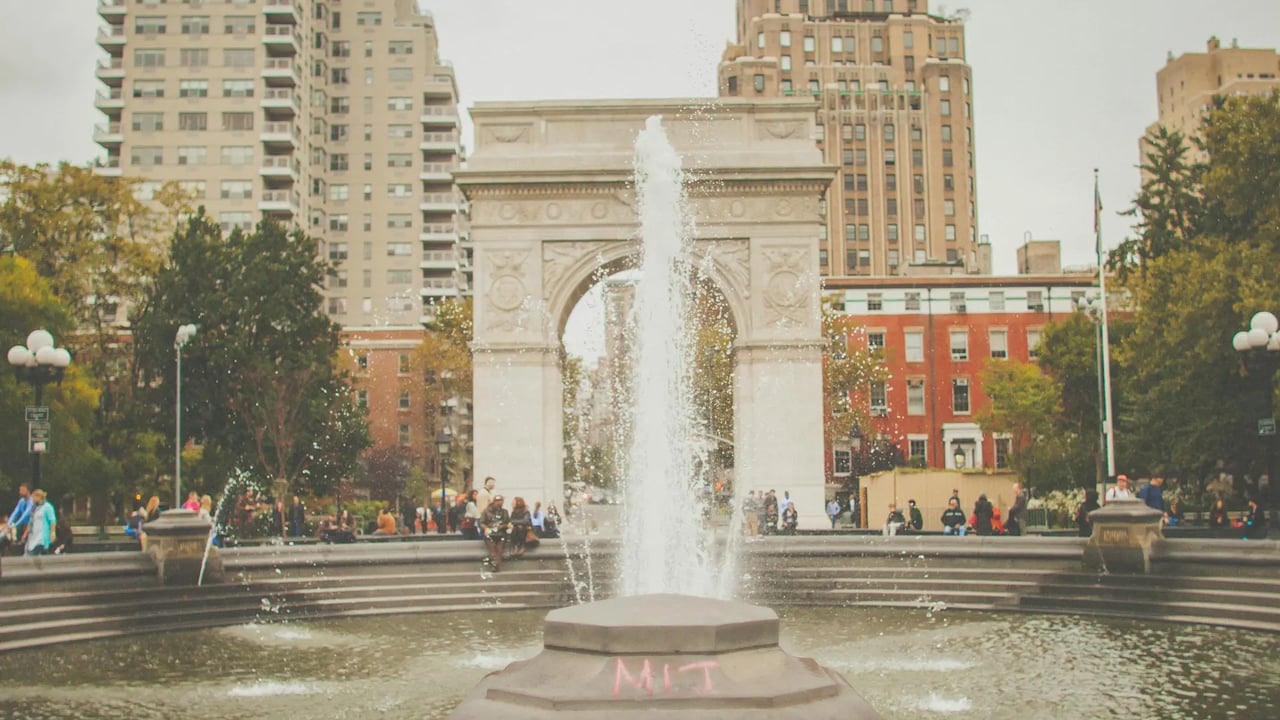
Why Green Space and Academic Influence Continue to Drive Demand in One of Manhattan's Most Desirable Neighborhoods
Neighborhood
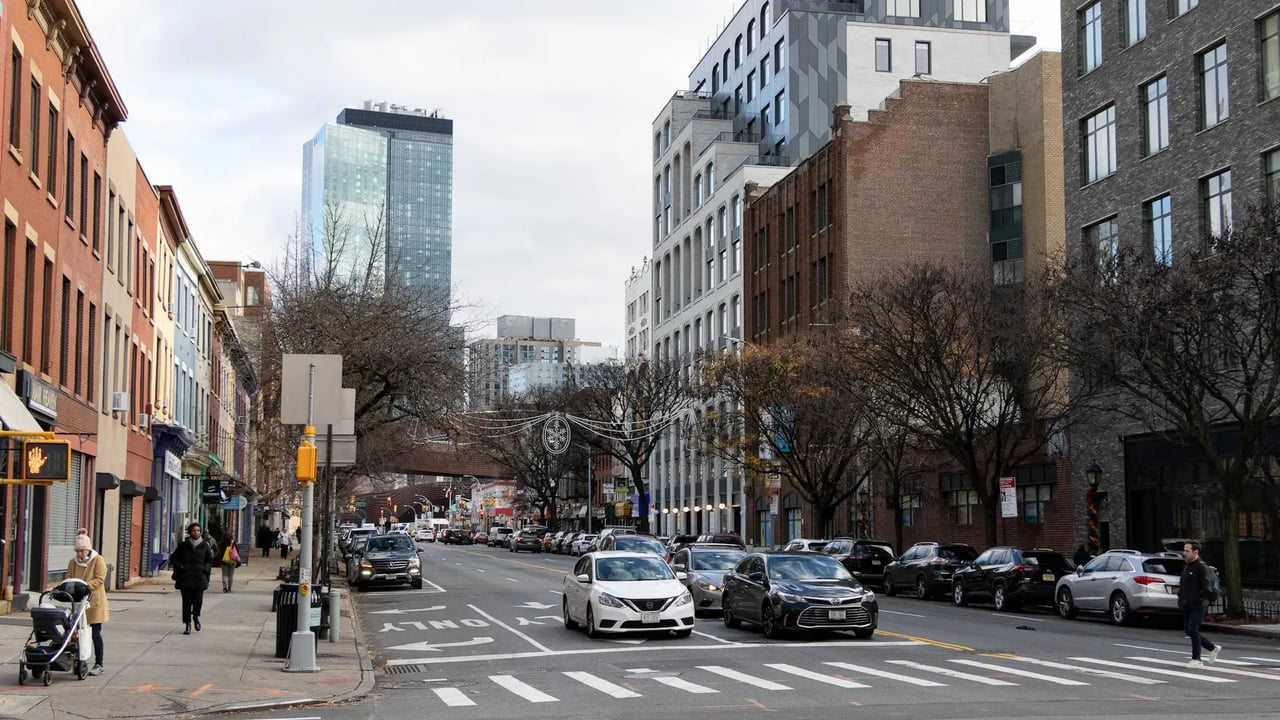
Why Retail Convenience Continues to Drive Housing Demand in One of Brooklyn's Most Desirable Neighborhoods
Neighborhood
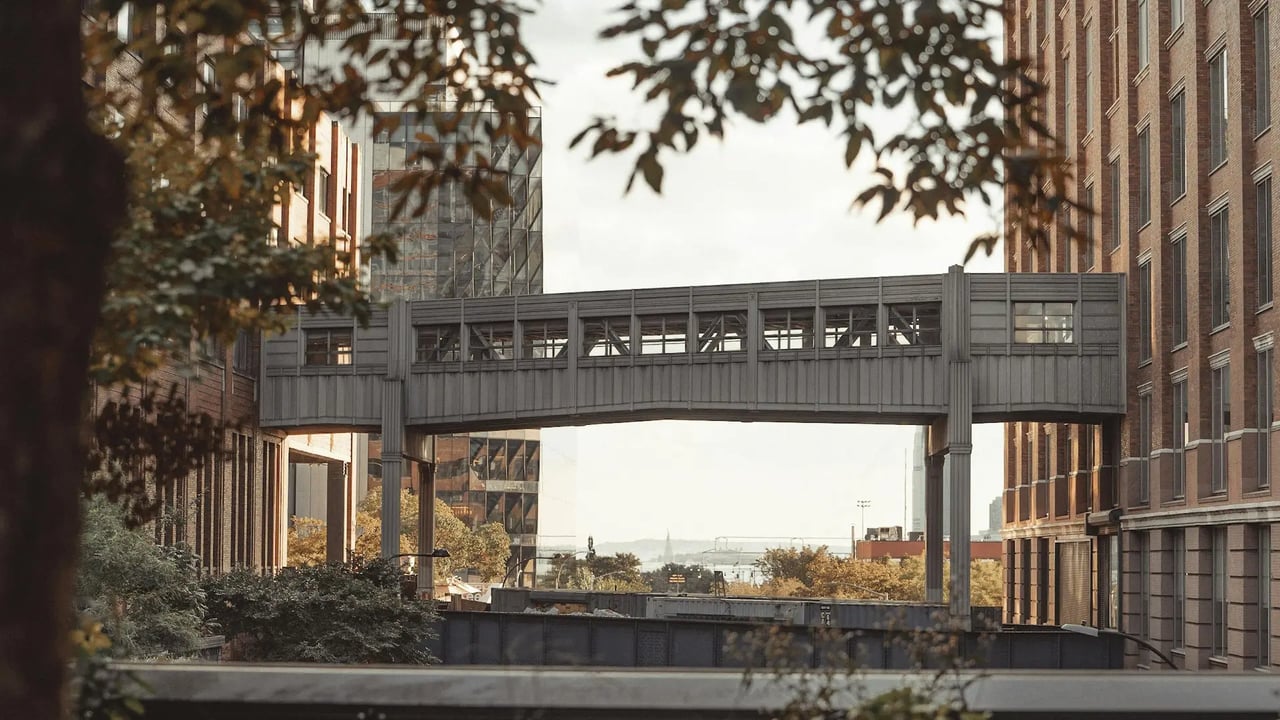
How New Construction Is Reshaping One of Manhattan’s Most Competitive Residential Markets
Neighborhood
Why Landmark Protections Help Preserve Tribeca’s Unique Real Estate Identity
s
Why Manhattan’s Dining Culture Continues to Shape Luxury Living and Real Estate Demand
Neighborhood
Why Investors Continue Watching Manhattan’s Most Evolving Neighborhood
Neighborhood
Why Investors Continue Targeting Brooklyn’s Most Competitive Neighborhood
Neighborhood
Why Hotels, Nightlife, and Cultural Energy Continue to Drive Housing Demand in Gramercy
Neighborhood
Understanding the Buying Process Behind One of Brooklyn’s Most Competitive Housing Markets
We love nothing more than helping buyers and sellers achieve their home-buying and selling goals. If you’ve got questions, we can’t wait to answer them.