North Williamsburg vs. South Williamsburg: Understanding Two Distinct Communities
Neighborhood
Neighborhood
Williamsburg is often described as one neighborhood, but locals know that it functions more like two. North Williamsburg and South Williamsburg may share a name and a subway stop or two, yet they feel dramatically different in culture, housing stock, and pricing. For buyers, renters, and investors, understanding these distinctions is essential when deciding where to plant roots.
Both sides have strong appeal. Both continue to attract demand. But they serve very different lifestyles and budgets. Here is how North Williamsburg and South Williamsburg truly compare.
North Williamsburg is what many people picture when they hear the name. This area sits closest to Greenpoint and hugs the East River, offering skyline views, waterfront parks, and some of Brooklyn’s most recognizable luxury developments.
The streets are lined with high-end boutiques, destination restaurants, and modern condo towers. It is fast-paced, design-forward, and constantly evolving.
North Williamsburg real estate typically commands the highest prices in the neighborhood. Buyers here are paying for proximity to Manhattan, newer construction, and lifestyle amenities.
Common property types include:
New-development condominiums with doormen, gyms, and roof decks
Converted warehouse lofts with open layouts and high ceilings
Waterfront residences with direct skyline views
Pricing trends tend to reflect strong demand from professionals working in Manhattan, international buyers, and investors seeking long-term appreciation. Condos in North Williamsburg often rival Downtown Brooklyn and even some Manhattan neighborhoods on a price-per-square-foot basis.
Culturally, North Williamsburg feels curated. It attracts residents who value convenience, nightlife, and design. Cafés double as coworking spaces. Retail is brand-driven. Social life spills out onto the streets, especially along Bedford Avenue and the waterfront.
For many buyers, this side of Williamsburg offers a seamless transition from Manhattan living, just with more space and better views.
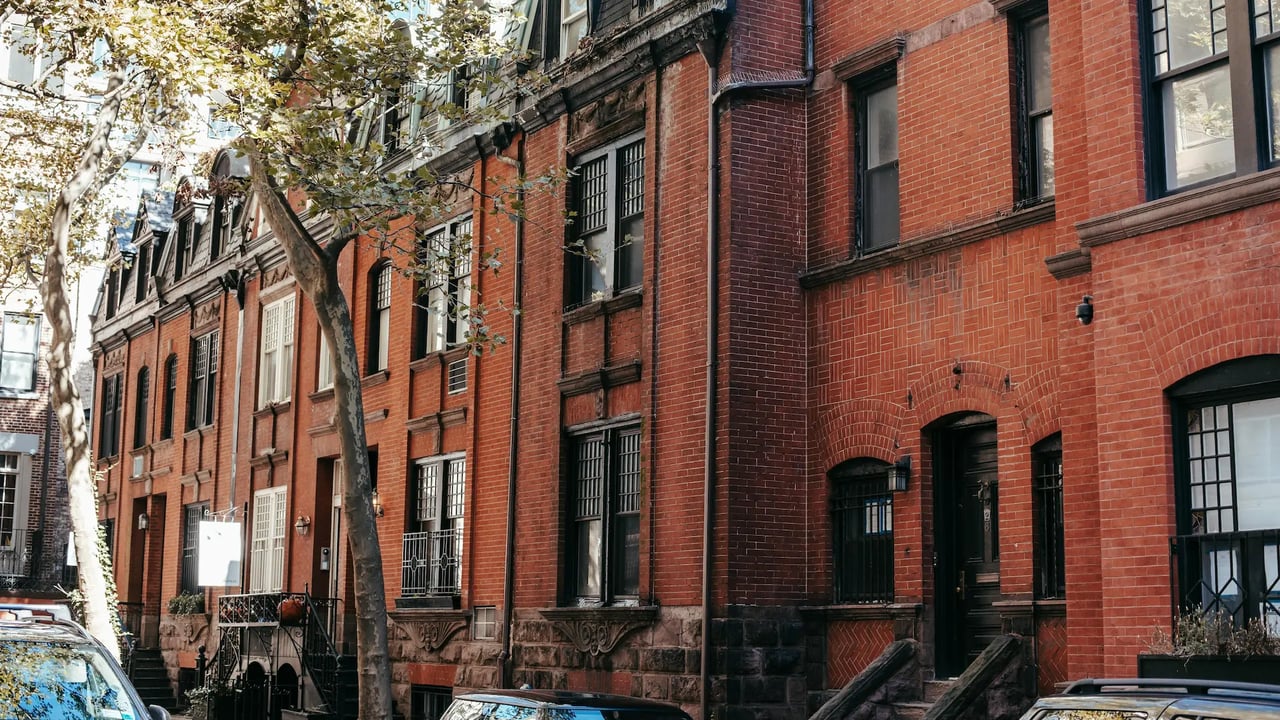
South Williamsburg presents a very different atmosphere. This area has deep cultural roots, shaped largely by long-standing Hasidic Jewish communities and generations of local residents. The pace is quieter, the streets are more residential, and the neighborhood feels grounded in tradition.
While development has increased in recent years, South Williamsburg remains more understated and community-oriented.
Compared to the north, South Williamsburg offers relatively more accessible pricing, though values have risen steadily over time. The housing stock leans toward:
Low-rise buildings and walk-ups
Prewar apartments and modest condo conversions
Townhouses and smaller multi-family properties
This part of Williamsburg attracts first-time buyers, families, and long-term investors who are more focused on stability than trend-driven appreciation. Rental demand remains strong due to lower entry points and proximity to transit.
Life in South Williamsburg revolves around community. Local businesses cater to daily needs rather than nightlife. Streets are quieter, especially on weekends. Public spaces feel more residential than social.
For buyers seeking a neighborhood with clear identity and long-term continuity, South Williamsburg offers something increasingly rare in New York: predictability and cohesion.
The difference in pricing between North Williamsburg and South Williamsburg reflects more than just location. It reflects lifestyle priorities.
North Williamsburg buyers tend to value:
Proximity to Manhattan
Modern amenities
Waterfront access
Strong resale visibility
South Williamsburg buyers often prioritize:
Lower price per square foot
Community stability
Family-friendly streets
Long-term rental consistency
While North Williamsburg properties often experience faster appreciation during strong markets, South Williamsburg has shown resilience during slower cycles, supported by consistent local demand.
Choosing between North and South Williamsburg depends less on budget and more on lifestyle expectations.
North Williamsburg may be the better fit if you want:
Luxury buildings and newer construction
Active nightlife and dining scenes
Quick commutes and skyline views
South Williamsburg may be ideal if you value:
A quieter residential environment
Cultural continuity
More space for the price
Long-term ownership potential
Both sides continue to evolve, but they do so in very different ways.
Williamsburg as a whole remains one of Brooklyn’s most desirable neighborhoods. Infrastructure improvements, waterfront access, and continued interest from buyers priced out of Manhattan all support long-term demand.
That said, the north and south sections will likely maintain their distinct identities. Buyers who understand these nuances tend to make smarter decisions and experience fewer surprises after closing.
At Archpoint Advisory, we help clients navigate neighborhood-level differences that online listings often overlook. Whether you are drawn to North Williamsburg’s energy or South Williamsburg’s stability, local insight makes all the difference.
If you are considering a purchase or investment in Williamsburg, reach out to our team. We can help you identify the right side of the neighborhood based on your goals, not just the listing photos.
Stay up to date on the latest real estate trends.
Neighborhood
Why Green Space and Academic Influence Continue to Drive Demand in One of Manhattan's Most Desirable Neighborhoods
Neighborhood
Why Retail Convenience Continues to Drive Housing Demand in One of Brooklyn's Most Desirable Neighborhoods
Neighborhood
How New Construction Is Reshaping One of Manhattan’s Most Competitive Residential Markets
Neighborhood
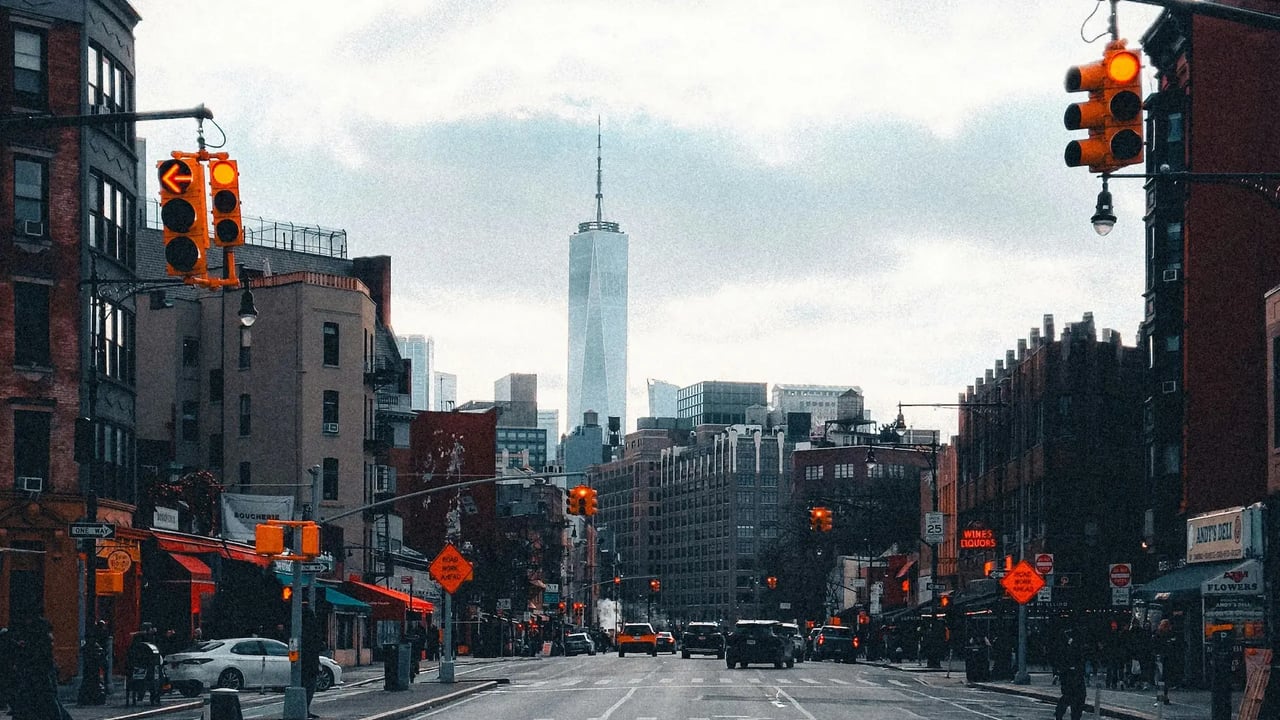
Why Landmark Protections Help Preserve Tribeca’s Unique Real Estate Identity
s
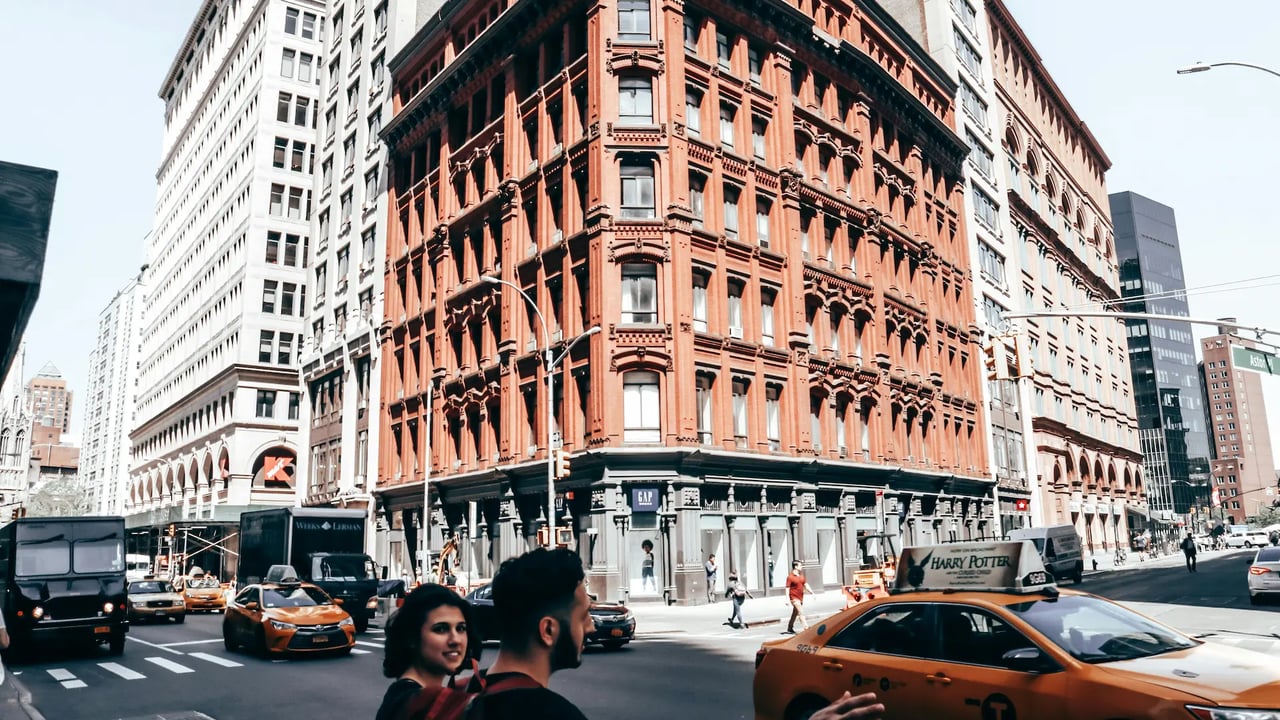
Why Manhattan’s Dining Culture Continues to Shape Luxury Living and Real Estate Demand
Neighborhood
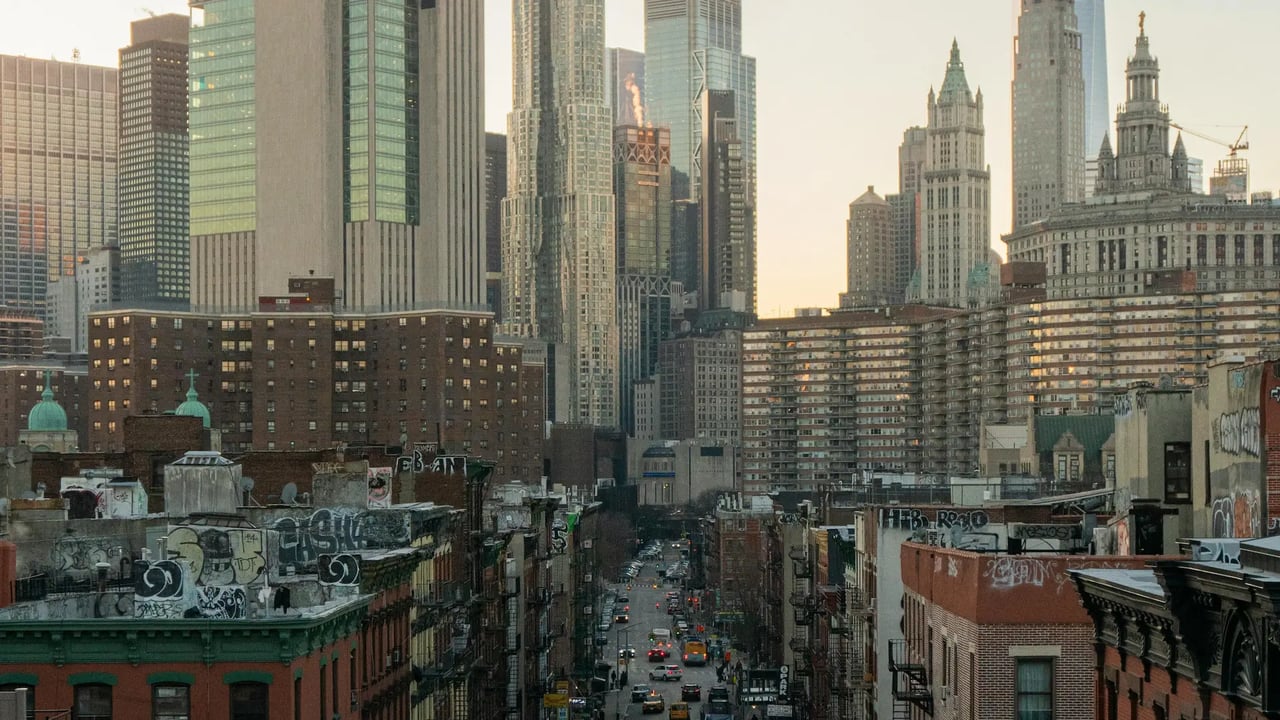
Why Investors Continue Watching Manhattan’s Most Evolving Neighborhood
Neighborhood
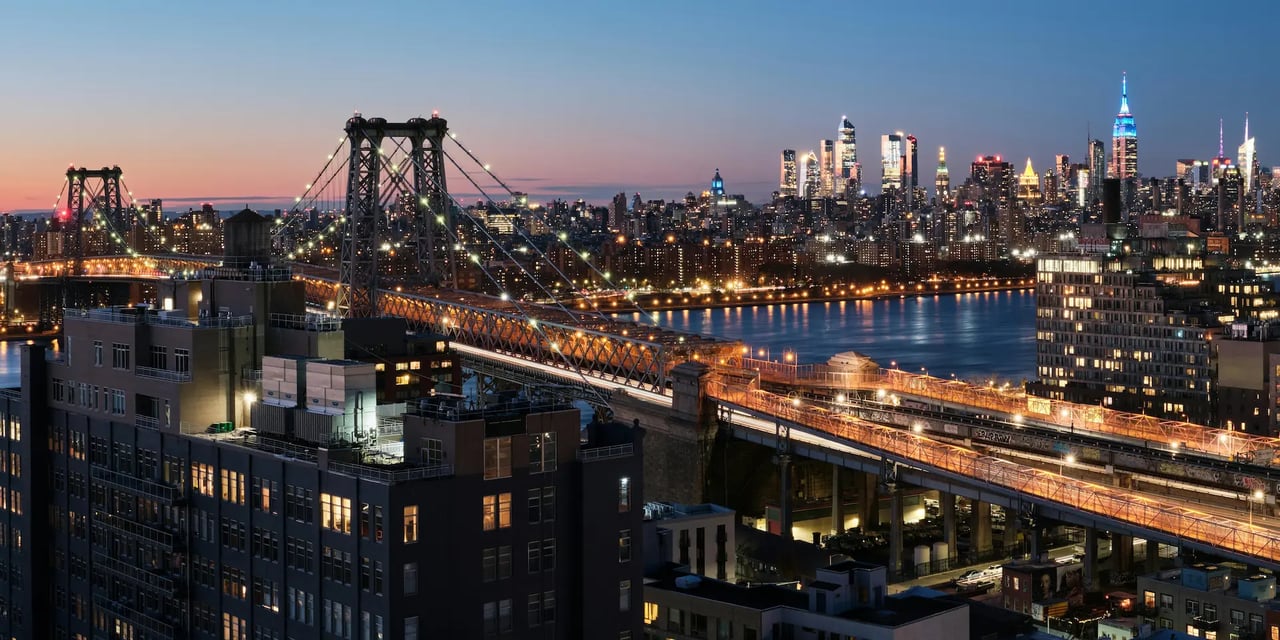
Why Investors Continue Targeting Brooklyn’s Most Competitive Neighborhood
Neighborhood
Why Hotels, Nightlife, and Cultural Energy Continue to Drive Housing Demand in Gramercy
Neighborhood
Understanding the Buying Process Behind One of Brooklyn’s Most Competitive Housing Markets
We love nothing more than helping buyers and sellers achieve their home-buying and selling goals. If you’ve got questions, we can’t wait to answer them.