SoHo Gallery District Living: Art Scene Proximity and Cultural Property Premium
Neighborhood
Neighborhood
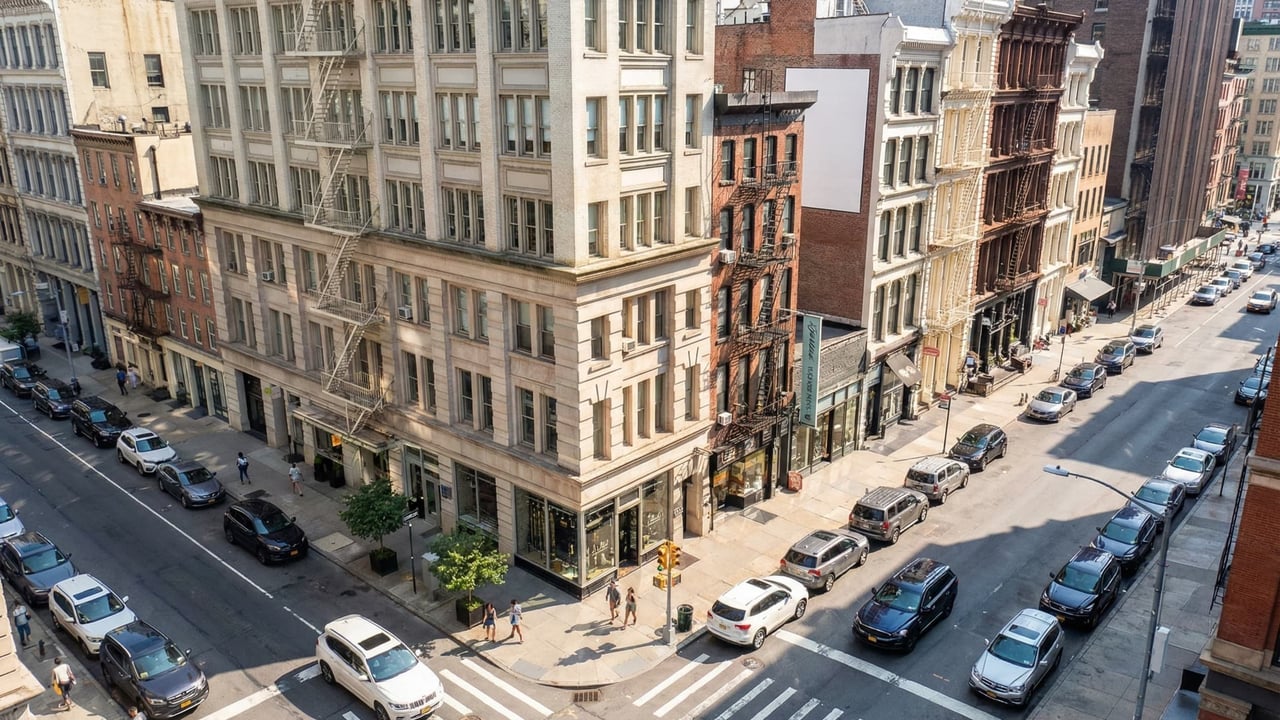
SoHo has always existed at the intersection of creativity and real estate. What began as an industrial warehouse district evolved into the heart of New York City’s contemporary art scene, and later became one of Manhattan’s most sought-after residential neighborhoods. Today, living in SoHo means more than owning a beautiful loft. It means being immersed in culture, history, and daily inspiration.
For buyers and investors alike, proximity to SoHo’s gallery district carries a measurable premium. Art institutions do not just shape the character of a neighborhood. They influence how people live, spend time, and assign long-term value to property. In SoHo, culture is not a bonus feature. It is a core driver of demand.
Neighborhoods anchored by cultural institutions consistently outperform comparable areas without them. In SoHo, the density of galleries, museums, and creative spaces creates an ecosystem that attracts a specific type of buyer. These residents value originality, walkability, and access to ideas as much as they value square footage.
Living near galleries offers daily exposure to exhibitions, openings, and cultural programming. Residents can step out for a coffee and end up discovering new artists or installations without planning ahead. That spontaneity is part of SoHo’s appeal and one of the reasons buyers are willing to pay more to live nearby.
From a real estate perspective, cultural proximity adds stability. Art districts tend to retain relevance across market cycles, protecting property values even during broader downturns.
SoHo’s residential appeal is deeply tied to how the neighborhood functions day to day. Gallery proximity enhances lifestyle in ways that go beyond aesthetics.
Residents benefit from:
A walkable cultural routine, with galleries, bookstores, and design studios integrated into daily life
A strong sense of identity, where architecture, art, and history feel cohesive
An engaged community, driven by artists, collectors, designers, and long-term residents
Curated retail and dining, shaped by creative influence rather than mass-market trends
Unlike neighborhoods built primarily around nightlife or office density, SoHo maintains an all-day rhythm. Mornings feel calm, afternoons feel vibrant, and evenings feel intentional rather than chaotic. This balance is especially appealing to buyers seeking a refined urban lifestyle.
Properties located within walking distance of SoHo’s gallery core often command higher prices than similar lofts outside the district. This premium is driven by both tangible and emotional factors.
Key value drivers include:
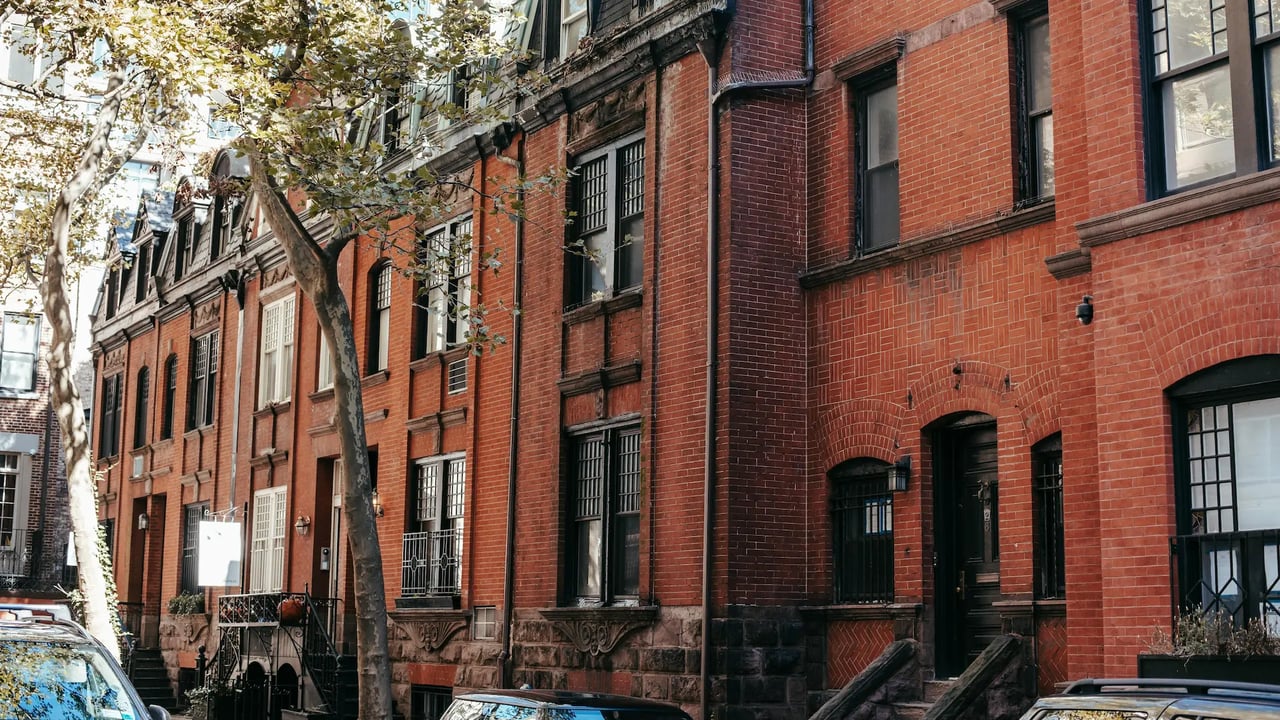
Architectural integrity, as many buildings retain original cast-iron facades and expansive loft layouts
Limited inventory, since zoning restrictions and landmark status reduce new supply
Global recognition, which attracts international buyers and long-term investors
Cultural branding, where a SoHo address signals creativity and status
Over time, these factors translate into stronger resale performance and higher buyer competition. Even during slower markets, well-located SoHo properties tend to maintain liquidity.
From an investment standpoint, SoHo’s gallery district offers a rare combination of lifestyle appeal and long-term value protection. Investors are drawn to neighborhoods that remain relevant regardless of trends, and SoHo has proven its staying power for decades.
Advantages for investors include:
Consistent rental demand from creatives, executives, and international tenants
Lower volatility compared to purely commercial or nightlife-driven areas
Strong branding, which supports premium pricing and faster leasing
Appeal to end users, ensuring a deep resale buyer pool
Because SoHo is both a cultural destination and a residential enclave, properties benefit from dual demand. This balance helps insulate values over time.
SoHo’s housing stock reflects its industrial past and creative present. Buyers will typically encounter several distinct property types:
Classic loft co-ops with high ceilings, exposed columns, and flexible layouts
Luxury condominiums offering modern finishes while preserving historic character
Boutique walk-up buildings favored by buyers seeking privacy and authenticity
Full-floor residences appealing to collectors and long-term residents
Each property type attracts a slightly different buyer, but all benefit from the same cultural proximity that defines the neighborhood.
For many buyers, the answer is yes. Living near SoHo’s galleries offers daily enrichment that cannot be replicated elsewhere. The neighborhood encourages curiosity, creativity, and connection, which translates into a deeply personal sense of home.
From a financial standpoint, cultural districts tend to age well. Art institutions do not relocate easily, and their presence anchors long-term demand. In SoHo, this stability has supported property values through multiple market cycles.
When culture and real estate align, buyers gain more than an apartment. They gain a lifestyle that continues to appreciate over time.
Whether you are searching for a classic loft near West Broadway or a modern residence tucked between galleries, navigating SoHo requires local expertise. Inventory is limited, and many of the best opportunities never reach public listing platforms.
At Archpoint Advisory, we specialize in identifying culturally significant properties that offer both lifestyle satisfaction and long-term value. Our knowledge of SoHo’s buildings, zoning nuances, and off-market opportunities allows our clients to move with confidence.
If you are considering buying or investing in the SoHo gallery district, we are here to guide you every step of the way.
Reach out today to explore living at the intersection of art, architecture, and enduring real estate value.
Stay up to date on the latest real estate trends.
Neighborhood
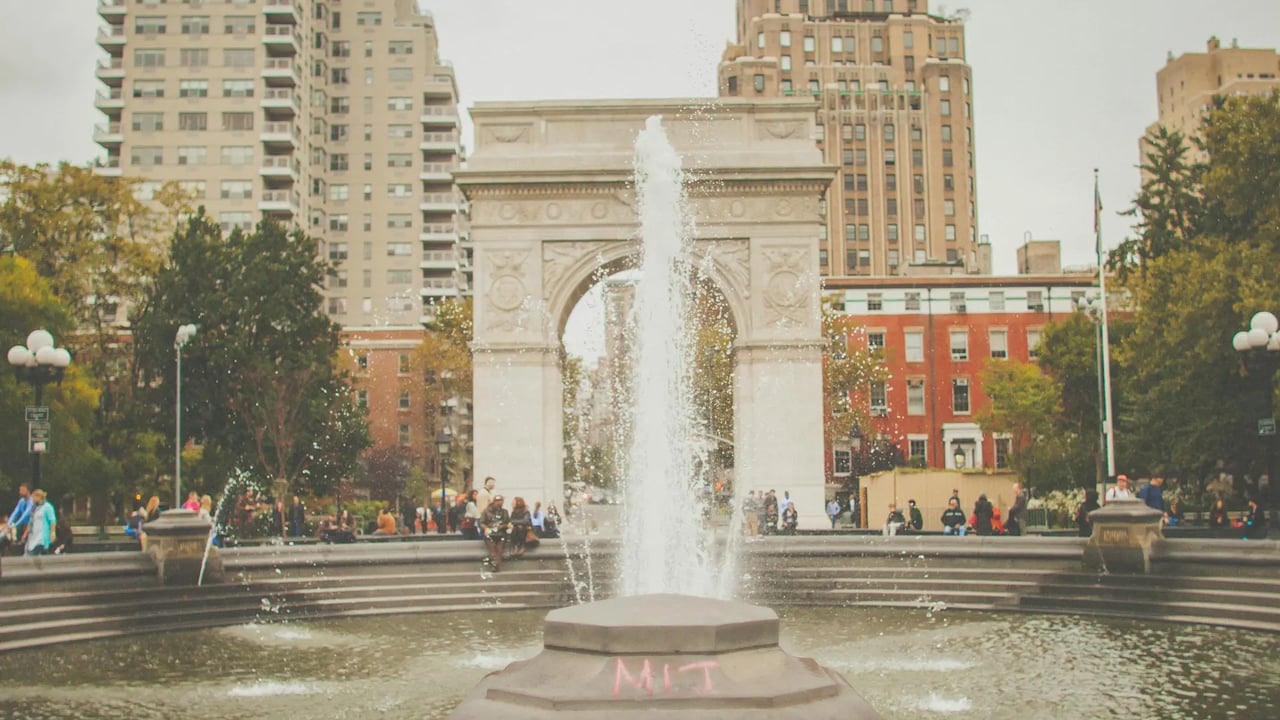
Why Green Space and Academic Influence Continue to Drive Demand in One of Manhattan's Most Desirable Neighborhoods
Neighborhood
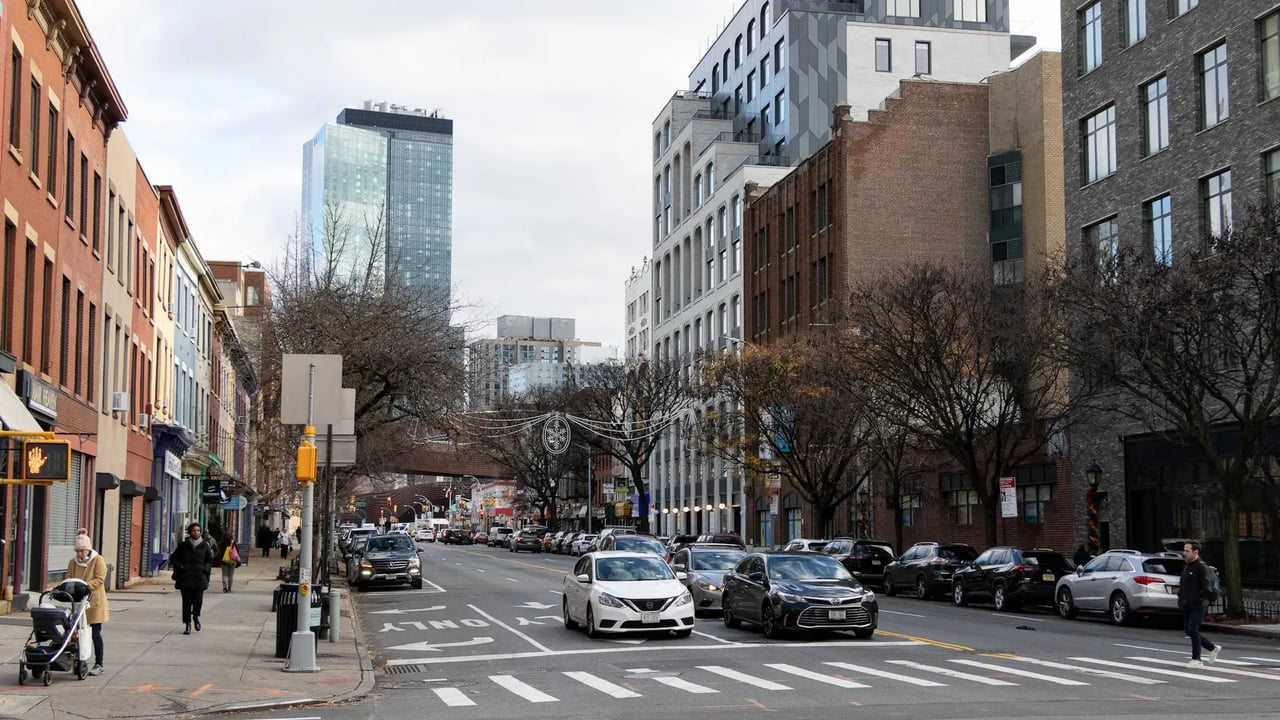
Why Retail Convenience Continues to Drive Housing Demand in One of Brooklyn's Most Desirable Neighborhoods
Neighborhood
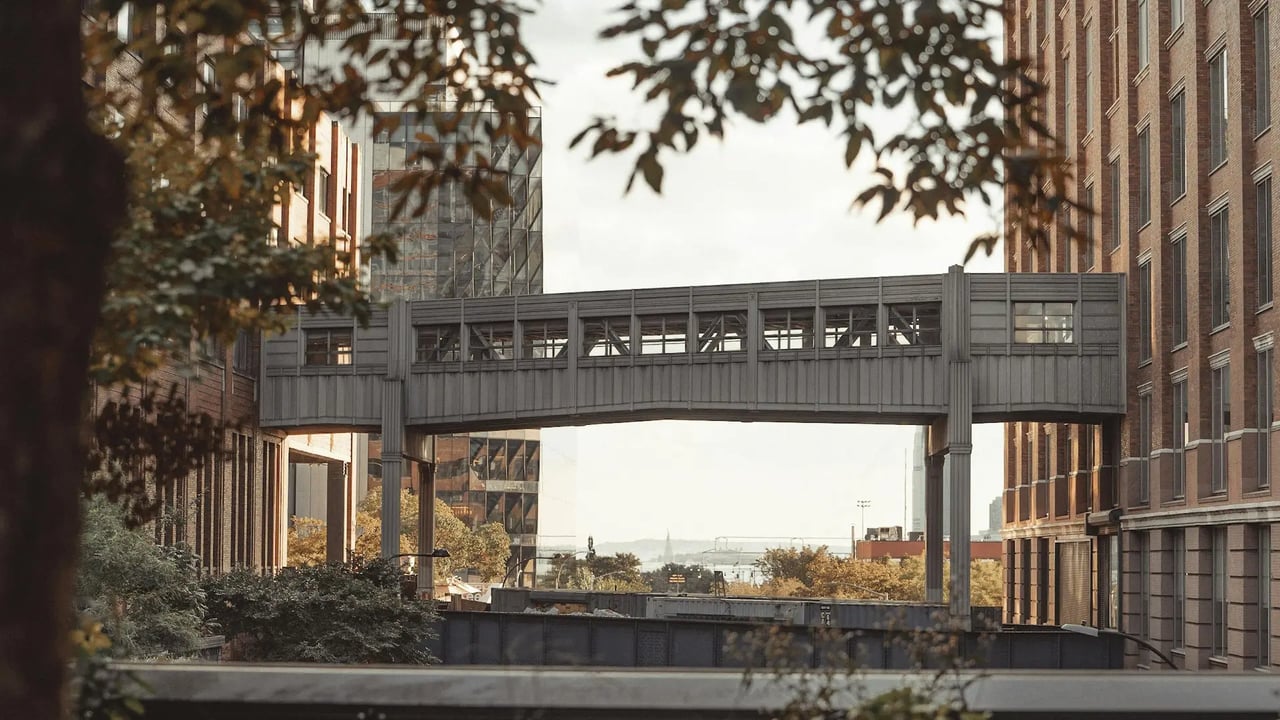
How New Construction Is Reshaping One of Manhattan’s Most Competitive Residential Markets
Neighborhood
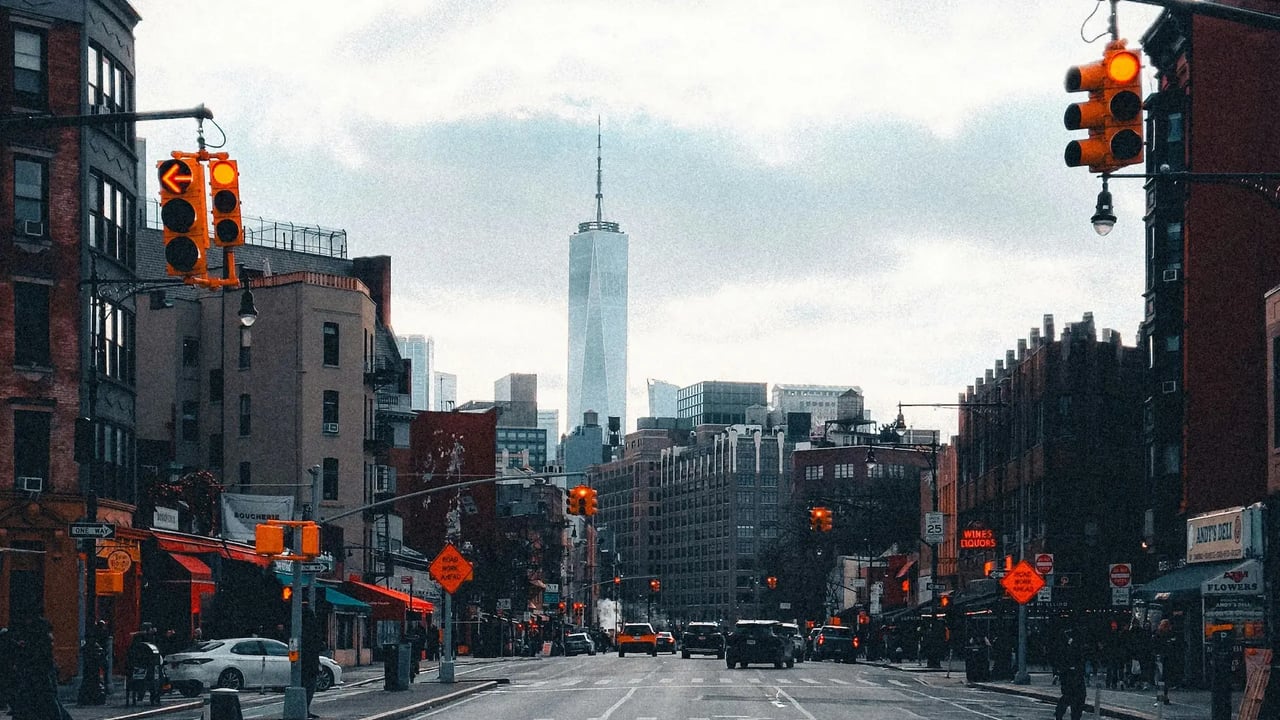
Why Landmark Protections Help Preserve Tribeca’s Unique Real Estate Identity
s
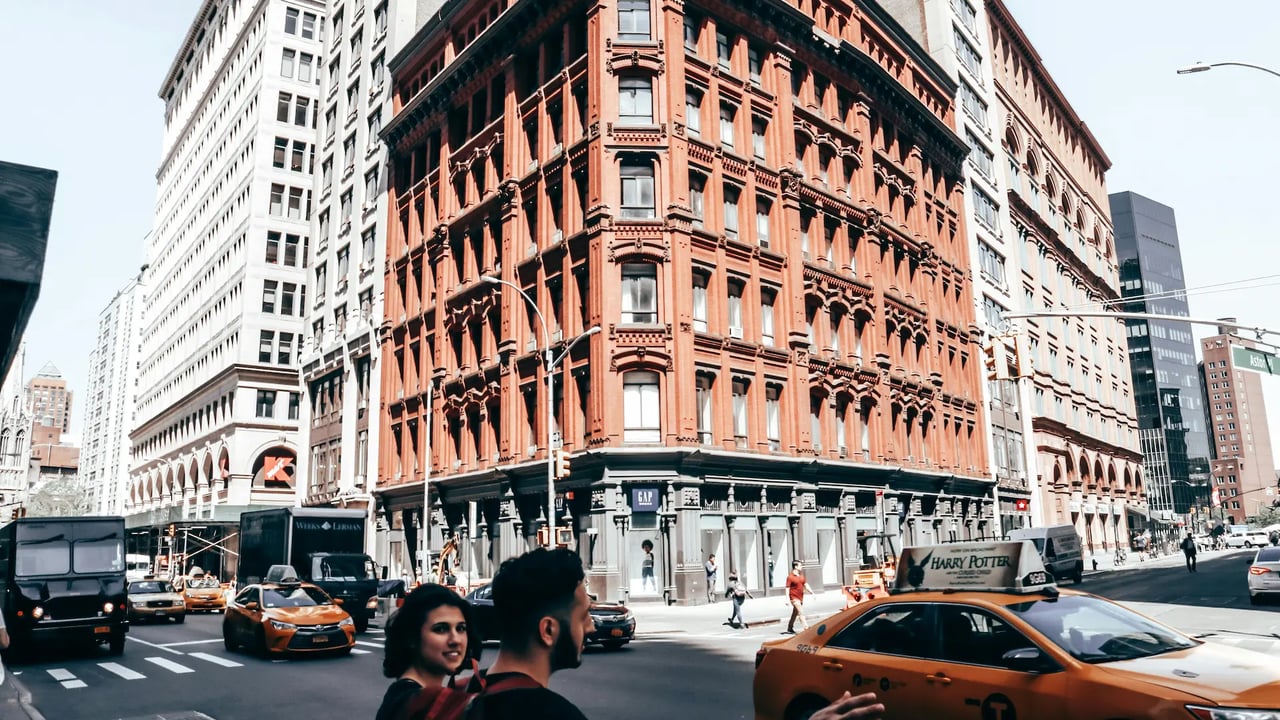
Why Manhattan’s Dining Culture Continues to Shape Luxury Living and Real Estate Demand
Neighborhood
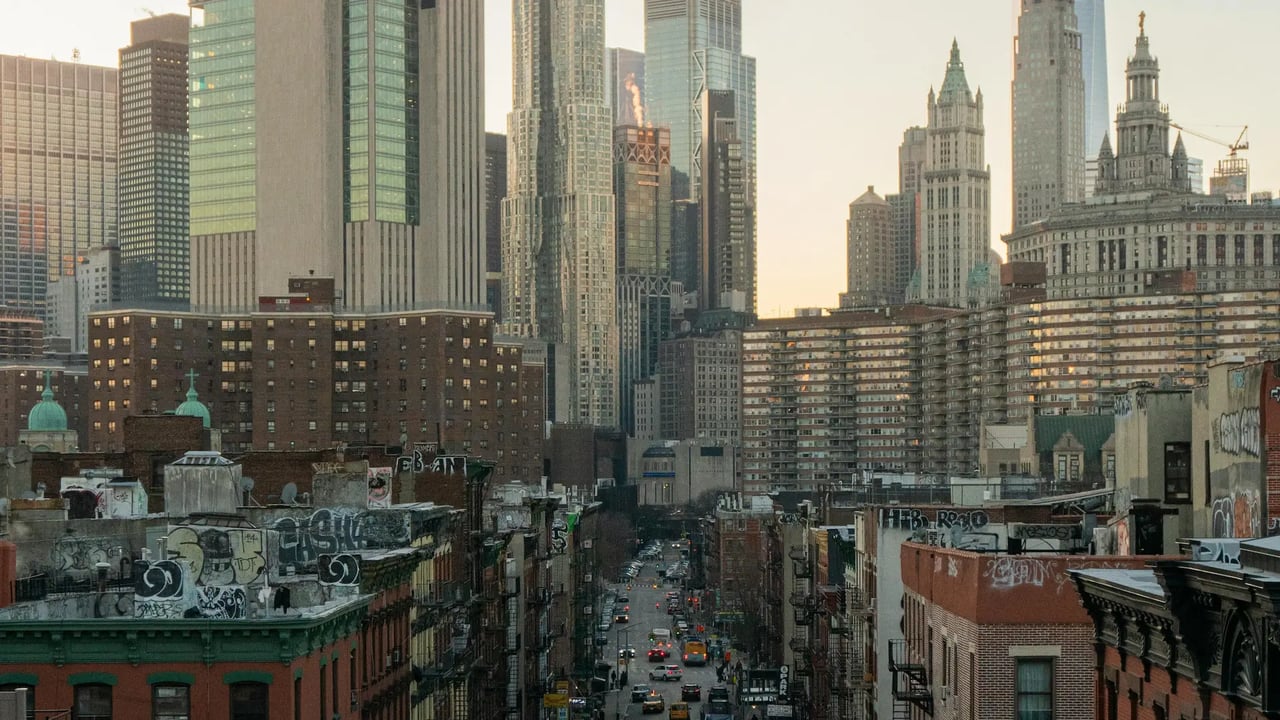
Why Investors Continue Watching Manhattan’s Most Evolving Neighborhood
Neighborhood
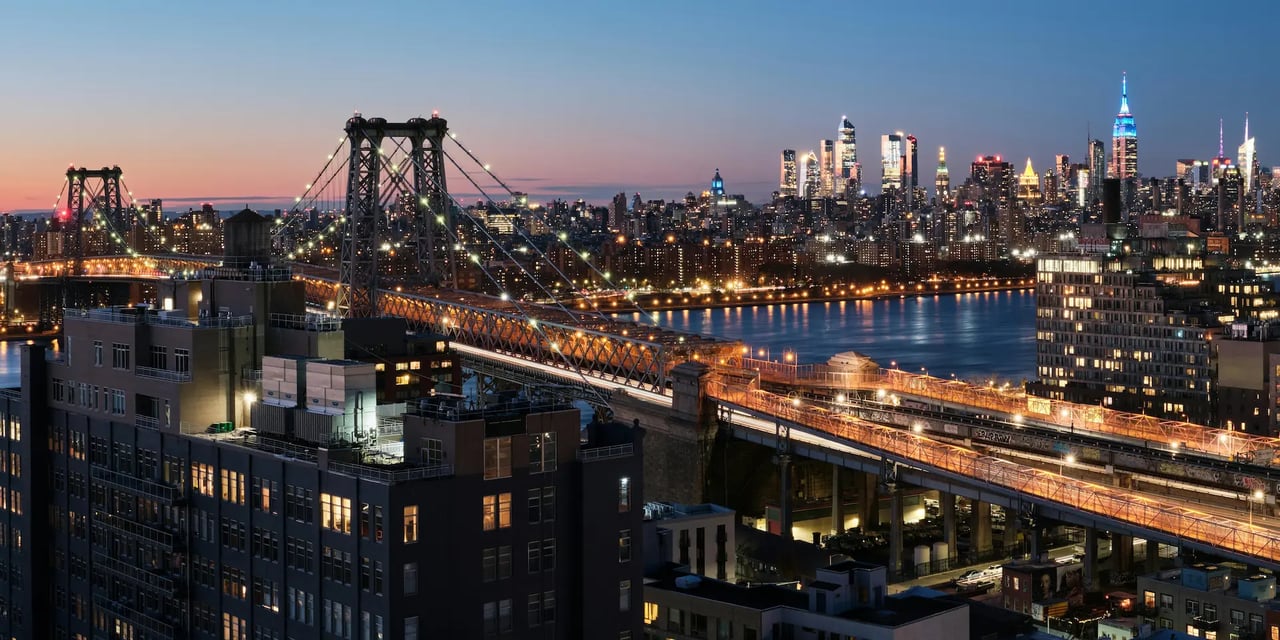
Why Investors Continue Targeting Brooklyn’s Most Competitive Neighborhood
Neighborhood
Why Hotels, Nightlife, and Cultural Energy Continue to Drive Housing Demand in Gramercy
Neighborhood
Understanding the Buying Process Behind One of Brooklyn’s Most Competitive Housing Markets
We love nothing more than helping buyers and sellers achieve their home-buying and selling goals. If you’ve got questions, we can’t wait to answer them.