Tribeca vs. SoHo Real Estate: Comparing Manhattan's Two Premium Neighborhoods
Neighborhood
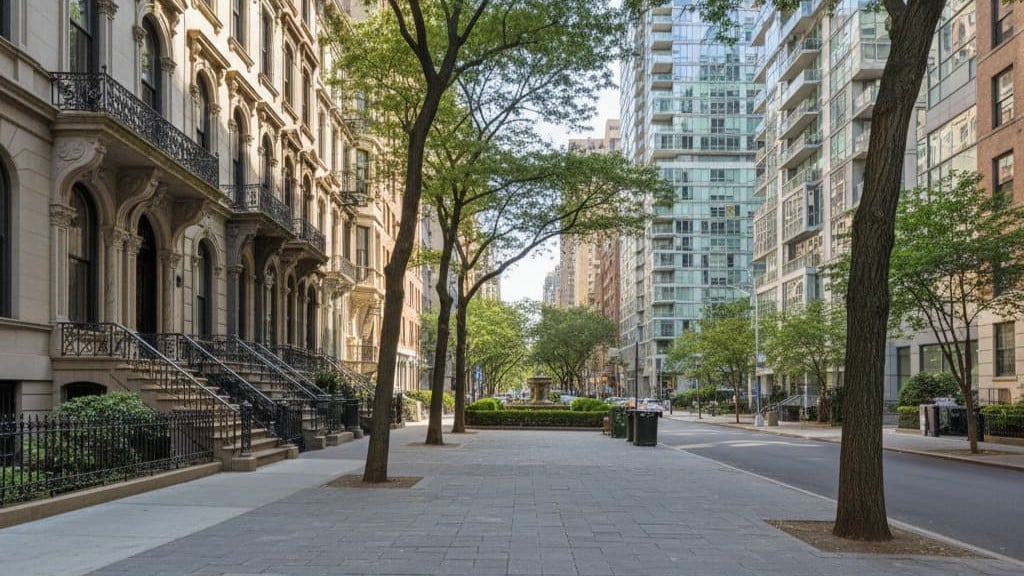
Neighborhood
Few Manhattan neighborhoods capture downtown luxury better than Tribeca and SoHo. Both are known for their historic lofts, cobblestone streets, and creative energy, yet each has its own rhythm, architecture, and price point. For buyers deciding between the two, understanding the lifestyle and real estate distinctions can make all the difference.
Whether you are drawn to Tribeca’s quiet sophistication or SoHo’s fashion-forward pulse, both neighborhoods deliver an unmatched urban experience. Let’s explore what truly sets them apart.
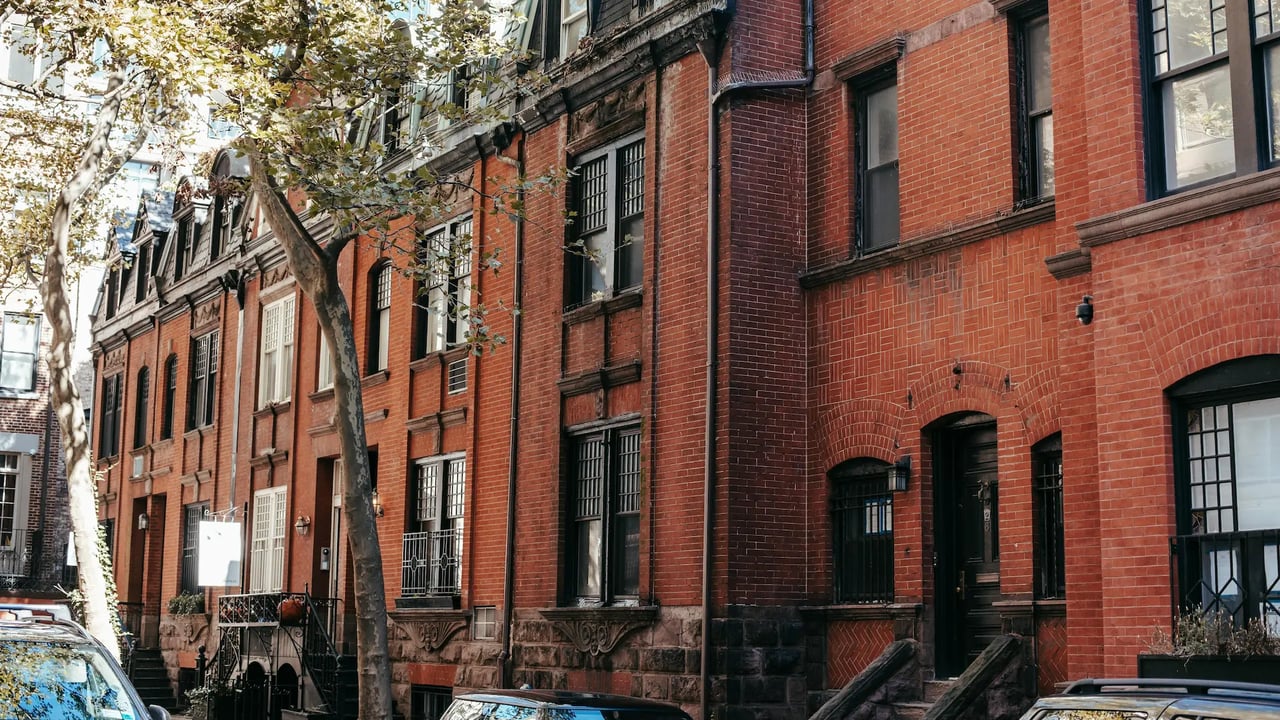
Tribeca’s name comes from “Triangle Below Canal Street,” but its reputation extends far beyond its borders. Once a warehouse district, it is now home to some of the most expensive real estate in New York City, often surpassing $2,500 per square foot for luxury condos. Many of its residential conversions retain original brick walls, timber beams, and oversized industrial windows — a nod to the area’s 19th-century mercantile history.
SoHo, short for “South of Houston,” shares a similar architectural DNA but feels more compact and energetic. Its cast-iron buildings and artist lofts are icons of New York design, while new condo developments mix industrial charm with sleek modernity. Prices typically range from $1,800 to $2,400 per square foot, depending on the building’s amenities and exact location.
Tribeca offers larger, more private layouts, often in newer luxury developments.
SoHo provides character-rich lofts with artistic details and closer access to retail and nightlife.
Both neighborhoods hold their value well, but Tribeca’s limited inventory drives stronger appreciation in tight markets.
Choosing between these two neighborhoods often comes down to lifestyle.
Tribeca exudes calm sophistication. Its wide streets, spacious sidewalks, and low-rise skyline give it an almost residential village feel. The pace is slower, and the community tends to attract families, professionals, and long-term residents seeking privacy and peace. Top-tier schools, parks like Hudson River Park and Washington Market Park, and Michelin-starred restaurants make it ideal for those who value balance.
SoHo, by contrast, is bold and energetic. The neighborhood hums with creativity, fashion, and constant movement. Designer boutiques, art galleries, and high-end cafes line every block. Living in SoHo means being part of New York’s most photographed streetscape — a magnet for artists, entrepreneurs, and anyone inspired by culture and design.
Tribeca residents enjoy an abundance of conveniences that feel quietly exclusive. Grocery stores like Whole Foods and upscale local markets are within walking distance, and public transit options like the 1, 2, 3, and A, C, E lines provide quick access to Midtown or Brooklyn. The area’s waterfront bike paths and promenades make outdoor recreation a daily reality.
SoHo’s appeal lies in its immediacy. Everything feels at your doorstep: from boutiques and galleries to world-class dining. You can walk to Nolita, Greenwich Village, or Little Italy within minutes. While it’s more crowded and tourist-driven, locals know how to find their rhythm amid the buzz. Many residents appreciate the convenience of living in the center of it all, surrounded by some of the city’s most iconic architecture.
From an investment standpoint, both Tribeca and SoHo remain blue-chip neighborhoods within Manhattan’s real estate market. Their limited development capacity ensures long-term stability and continued buyer demand.
Tribeca typically leads in resale performance, particularly for large, family-friendly apartments and penthouses. The scarcity of new supply keeps prices resilient even in market slowdowns.
SoHo, while slightly more volatile due to its mixed-use zoning and retail traffic, benefits from global name recognition and enduring appeal to international buyers.
For investors, the choice often comes down to target demographics. Tribeca appeals to stable, long-term tenants and owner-occupiers, while SoHo draws a younger, design-conscious audience seeking short to mid-term flexibility.
Architecture is where both neighborhoods truly shine, but in distinct ways.
Tribeca’s landscape blends classic warehouse conversions with modern glass towers that respect the industrial past while embracing luxury finishes. High ceilings, open floor plans, and discreet facades define its understated style.
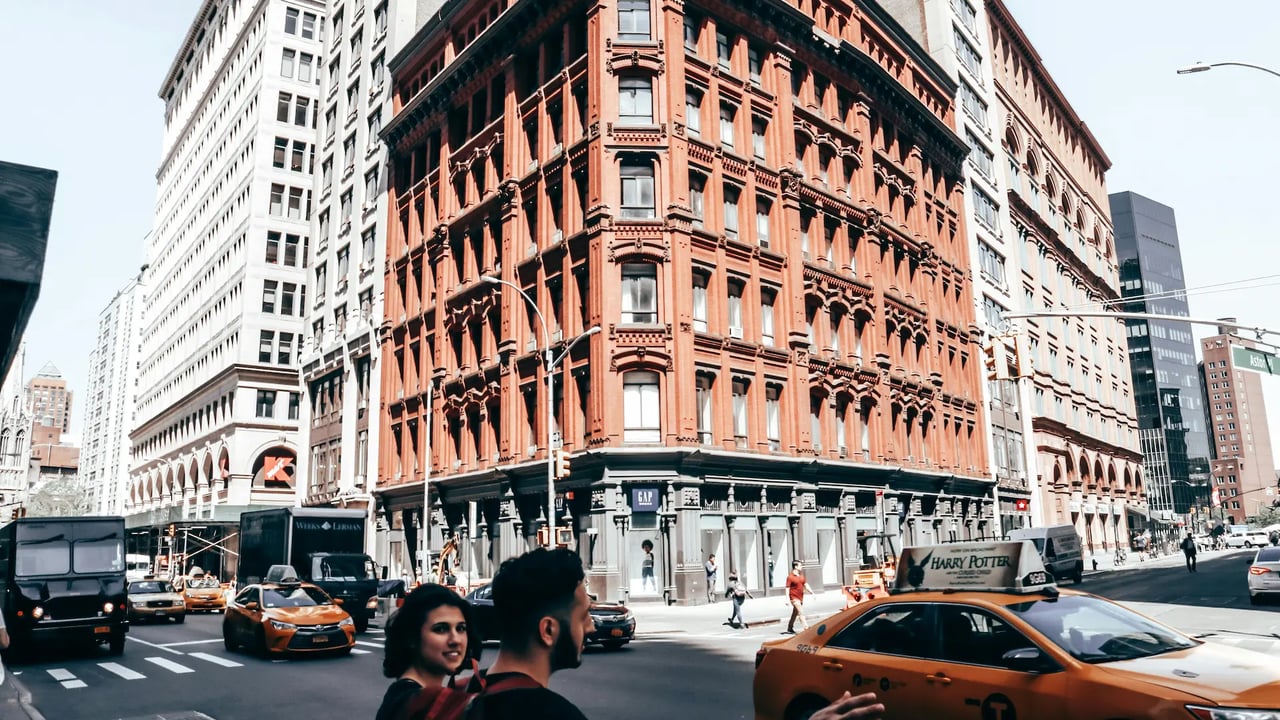
SoHo, on the other hand, is the birthplace of cast-iron architecture. Many buildings still feature intricate facades and arched windows that date back to the late 1800s. These lofts are artistic and visually dramatic, offering open living spaces that showcase exposed beams and original columns. Even with contemporary renovations, SoHo’s architecture maintains a creative, authentic edge.
There is no clear winner between Tribeca and SoHo — only what best fits your lifestyle and goals.
Choose Tribeca if you value space, privacy, and a more tranquil downtown lifestyle.
Choose SoHo if you thrive on culture, energy, and design-forward living.
Both neighborhoods represent the pinnacle of Manhattan luxury and continue to attract buyers from around the world. The real difference lies in atmosphere: Tribeca whispers, while SoHo sings.
Buying in either neighborhood requires more than just browsing listings. Many of the best homes are discreetly marketed or sold through off-market channels. That is where local expertise becomes invaluable.
At Archpoint Advisory, we specialize in helping clients navigate Manhattan’s most competitive neighborhoods with clarity and strategy. Whether you are seeking a modern condo in Tribeca or a classic loft in SoHo, we can help you find a property that matches your lifestyle and long-term vision.
Reach out today to explore available listings and discover what makes these two downtown icons timeless choices for New York City living.
Stay up to date on the latest real estate trends.
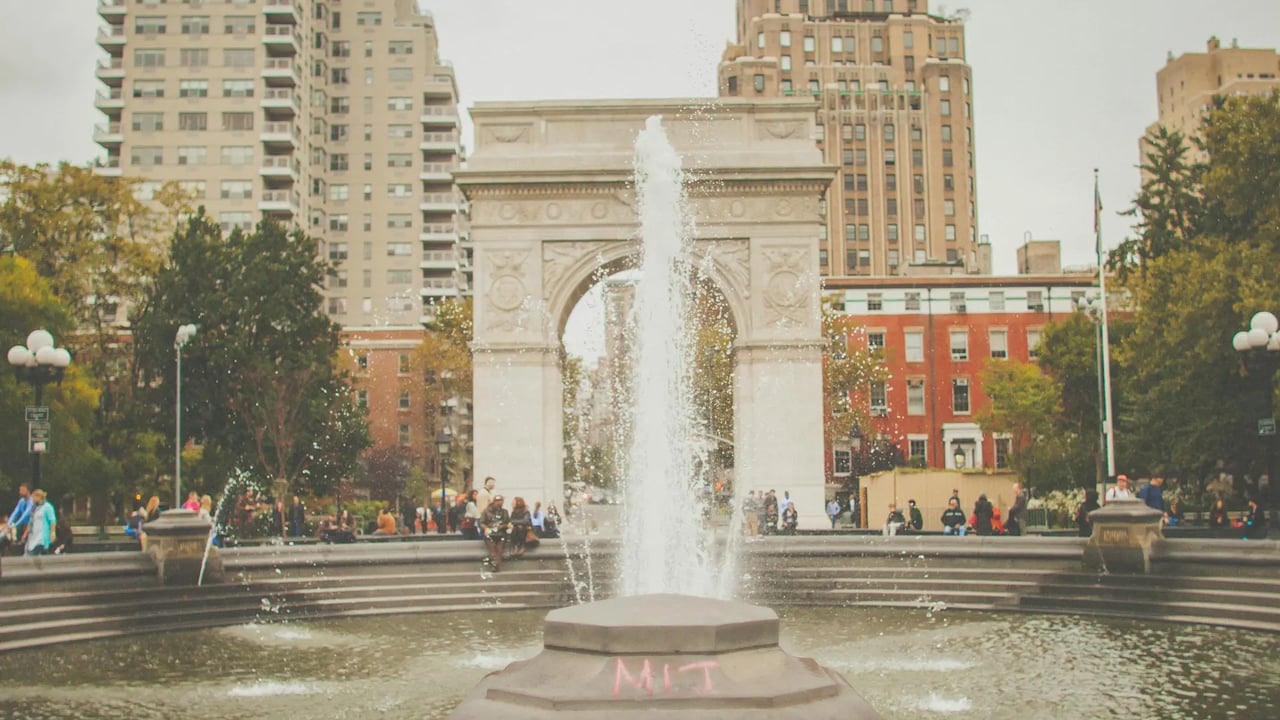
Neighborhood
Why Green Space and Academic Influence Continue to Drive Demand in One of Manhattan's Most Desirable Neighborhoods
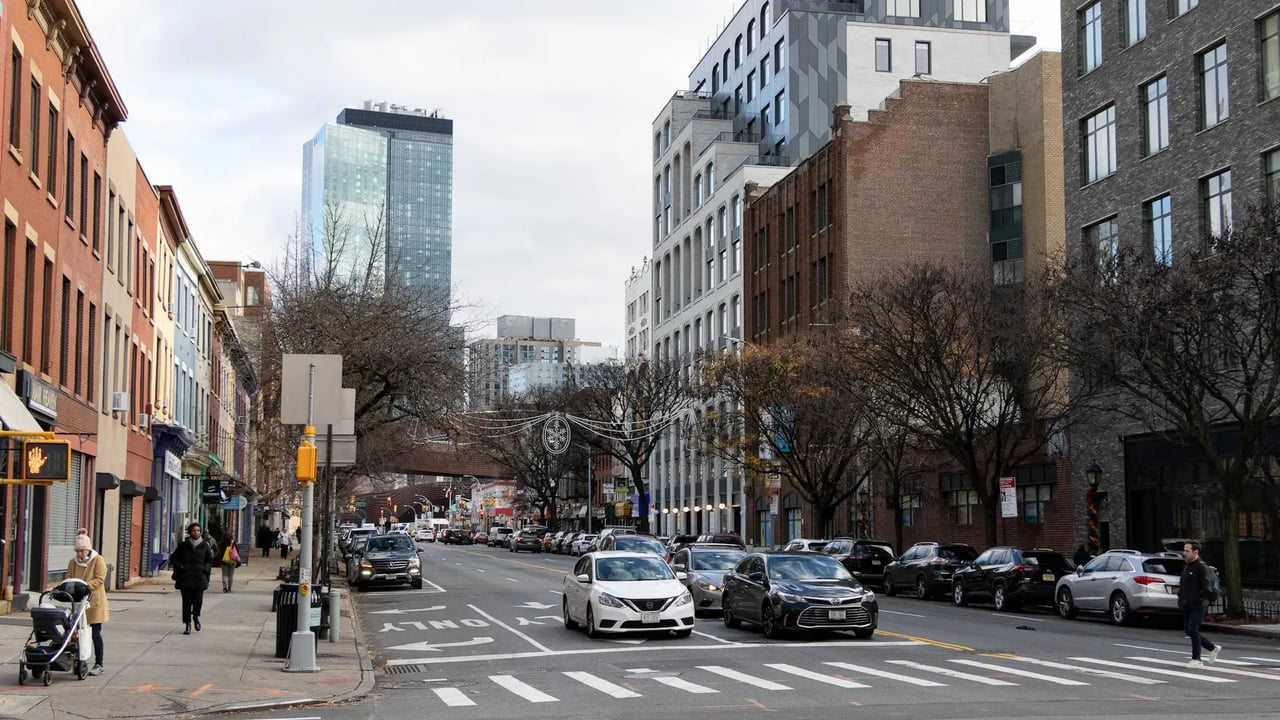
Neighborhood
Why Retail Convenience Continues to Drive Housing Demand in One of Brooklyn's Most Desirable Neighborhoods
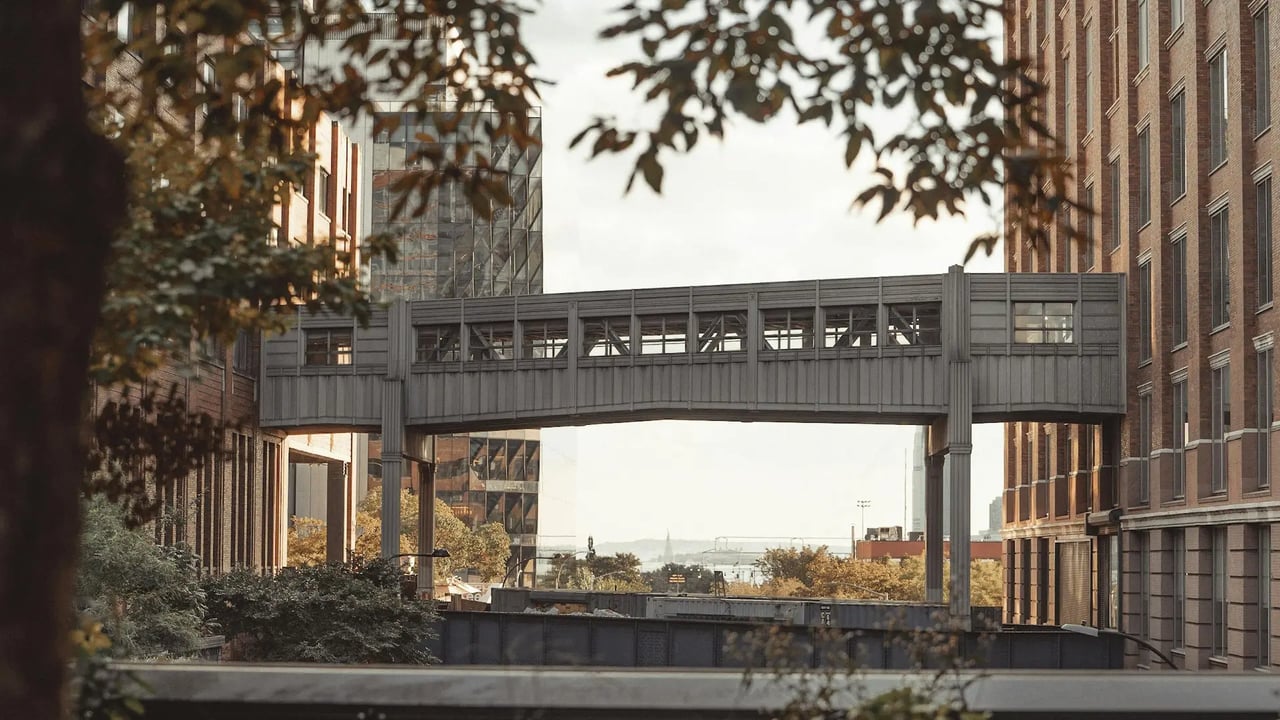
Neighborhood
How New Construction Is Reshaping One of Manhattan’s Most Competitive Residential Markets
Neighborhood
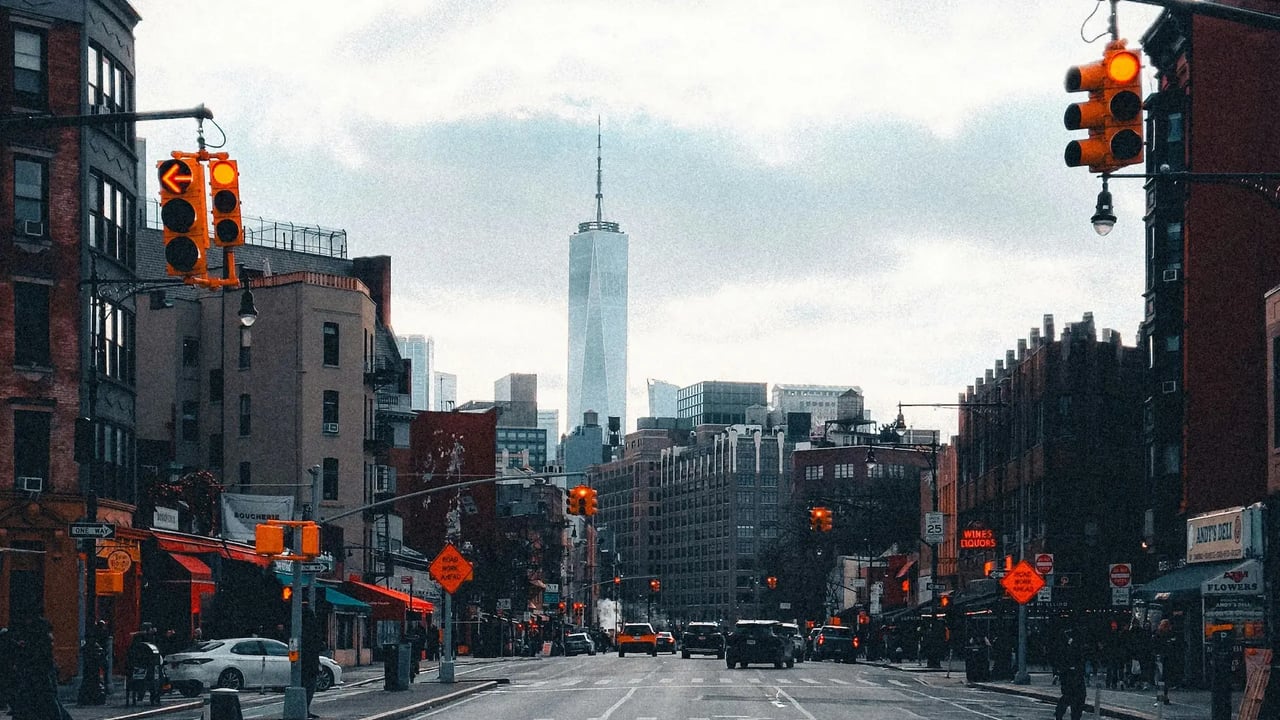
Why Landmark Protections Help Preserve Tribeca’s Unique Real Estate Identity
s
Why Manhattan’s Dining Culture Continues to Shape Luxury Living and Real Estate Demand
Neighborhood
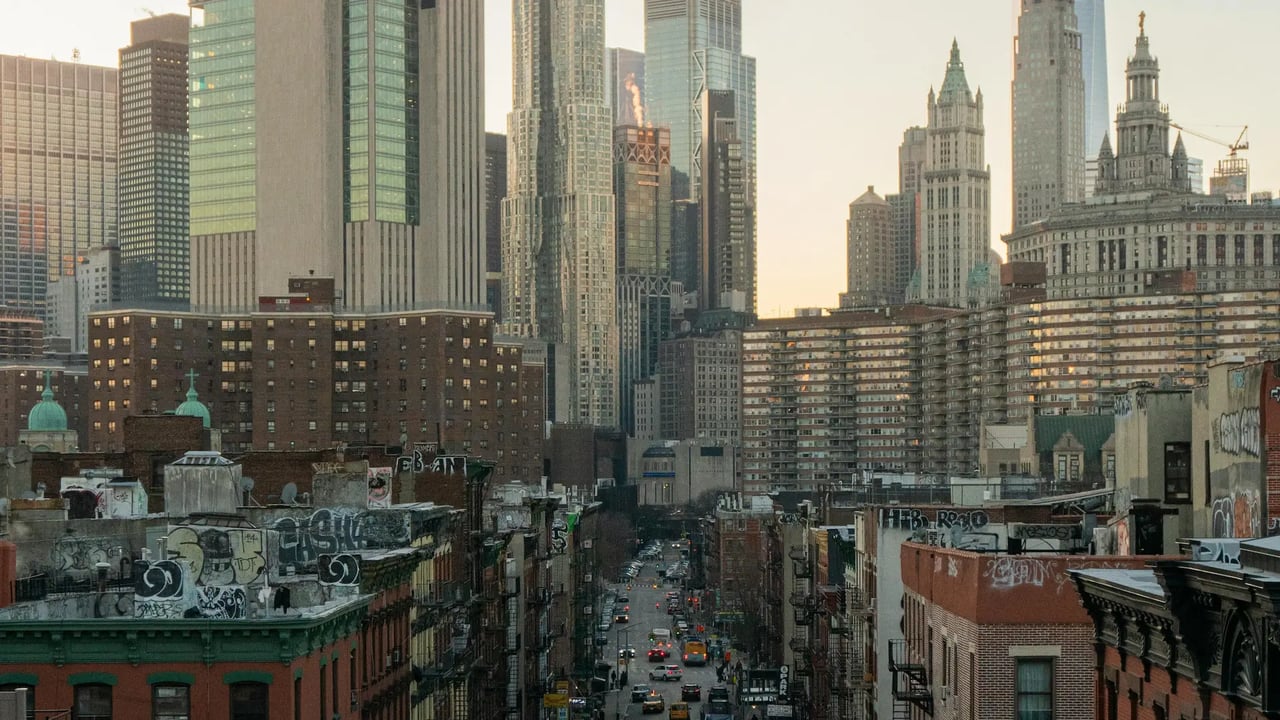
Why Investors Continue Watching Manhattan’s Most Evolving Neighborhood
Neighborhood
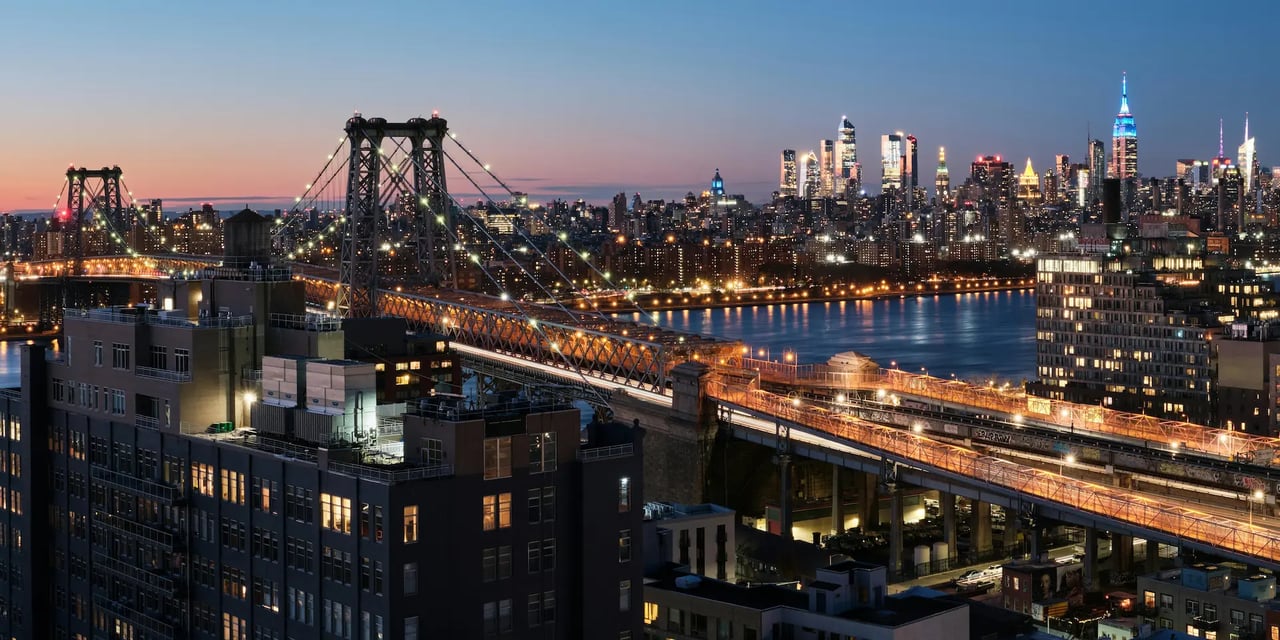
Why Investors Continue Targeting Brooklyn’s Most Competitive Neighborhood
Neighborhood
Why Hotels, Nightlife, and Cultural Energy Continue to Drive Housing Demand in Gramercy
Neighborhood
Understanding the Buying Process Behind One of Brooklyn’s Most Competitive Housing Markets
We love nothing more than helping buyers and sellers achieve their home-buying and selling goals. If you’ve got questions, we can’t wait to answer them.