West Village Restaurant Scene: How Culinary Culture Drives Property Desirability
Neighborhood
Neighborhood
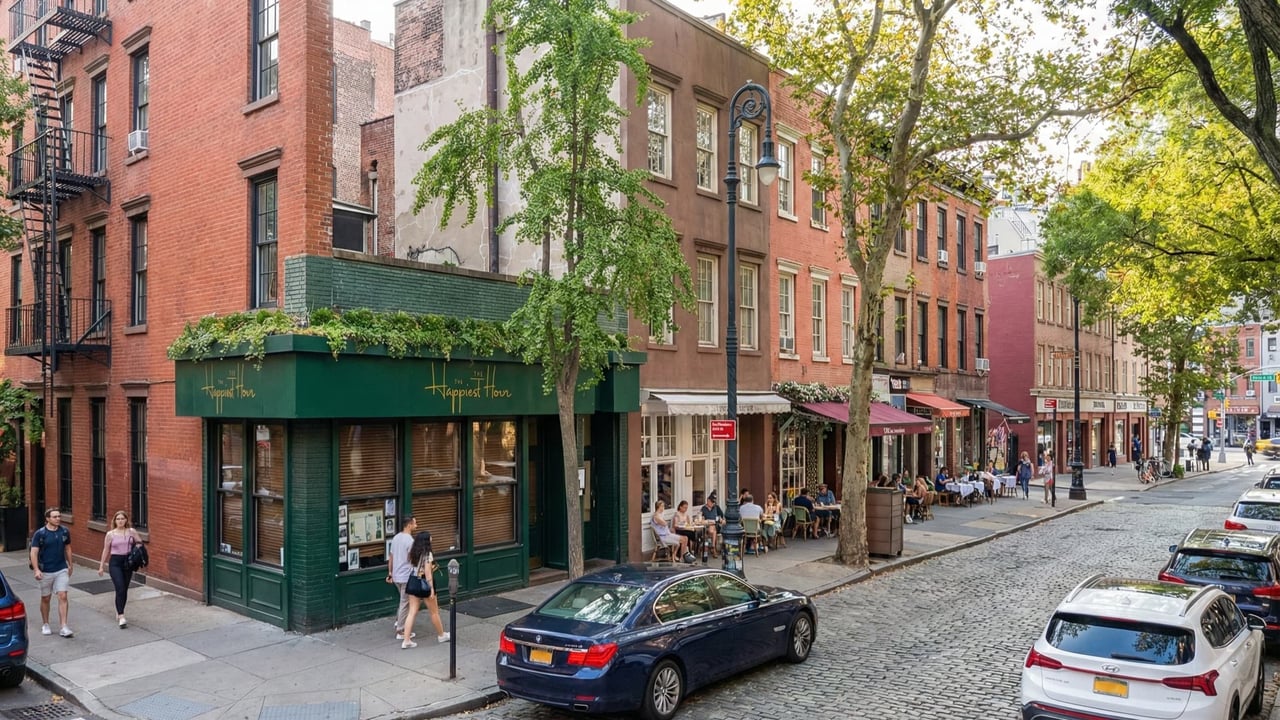
The West Village has always stood apart from the rest of Manhattan. Tree-lined streets, low-rise townhouses, and a neighborhood rhythm that feels more European than New York. But one of the most powerful forces behind its enduring appeal is not architectural or historical. It is culinary.
From white-tablecloth institutions to corner cafés packed at all hours, the West Village restaurant scene has become a defining driver of real estate desirability. Buyers are not just purchasing an apartment. They are buying into a daily lifestyle shaped by dining, social connection, and neighborhood identity.
In many Manhattan neighborhoods, restaurants feel transactional. In the West Village, they feel personal. Longstanding establishments sit next to new culinary stars, creating a food culture that is both rooted and constantly evolving.
Residents do not need reservations weeks in advance to enjoy quality dining. They walk downstairs. That level of access changes how people live.
Daily routines often revolve around the neighborhood food scene:
Morning coffee from a local café where staff know your name
Lunch meetings at casual bistros instead of office buildings
Weeknight dinners steps from home rather than across town
Weekend brunch lines that double as social gatherings
This kind of embedded lifestyle is hard to replicate, and buyers are willing to pay for it.
The West Village is home to some of New York City’s most recognizable dining institutions. These restaurants do more than attract tourists. They reinforce the area’s cultural status and long-term relevance.
Iconic establishments like Carbone, Minetta Tavern, Via Carota, and The Spotted Pig have helped define the neighborhood for decades. At the same time, newer openings continue to attract press, culinary awards, and international attention.
This combination of legacy and innovation creates confidence among buyers. When a neighborhood consistently draws top chefs and restaurateurs, it signals stability, taste, and enduring demand.
Culinary culture affects real estate in several measurable ways.
First, it drives foot traffic and vibrancy without sacrificing residential calm. Unlike nightlife-heavy neighborhoods, the West Village restaurant scene peaks early evening and transitions smoothly into quiet streets by night.
Second, it increases walkability value. Buyers consistently rank proximity to dining as one of their top lifestyle priorities. Apartments near strong restaurant corridors often sell faster, even when priced at a premium.
Third, it supports resale confidence. Food culture is not a trend here. It is part of the neighborhood’s DNA. That longevity reduces risk for long-term owners.
The West Village attracts a specific type of buyer, many of whom cite dining culture as a deciding factor.
Common profiles include:
Professionals seeking a neighborhood that blends social life with residential calm
Downsizers from larger homes who prioritize daily enjoyment over square footage
International buyers familiar with food-centric European cities
Long-term investors focused on stable, lifestyle-driven appreciation
For these buyers, restaurant access is not a bonus. It is a requirement.
Not all properties benefit equally from the restaurant-driven appeal of the West Village. The most desirable inventory tends to include:
Townhouses and brownstones near established dining corridors
Low-rise condo buildings with limited units and strong privacy
Prewar co-ops close to Bleecker, Hudson, and Perry Streets
Pied-à-terres that prioritize location over size
Homes located within a short walk of dining hubs consistently outperform comparable units deeper into less active residential pockets.
One overlooked benefit of the West Village restaurant scene is its role in community building. Regulars develop relationships with staff and neighbors. Restaurants become informal meeting points rather than destination venues.
This sense of belonging matters to buyers. In a city where anonymity is common, the West Village offers familiarity. That emotional connection directly influences buyer loyalty and long-term ownership.
From an investment standpoint, neighborhoods with strong dining cultures tend to perform well across market cycles.
They attract renters even during slower periods. They retain buyer interest during market corrections. They rarely fall out of favor.
The West Village is a prime example. Its restaurant scene has remained relevant through economic shifts, changing dining trends, and generational turnover. That consistency provides a layer of protection for property values.
The West Village is not the newest neighborhood. It is not the tallest. It does not rely on flashy development.
Its strength lies in daily quality of life. Dining culture plays a central role in that experience. It shapes how residents spend their time, connect with neighbors, and experience the city.
For buyers evaluating where to invest emotionally and financially, that matters.
Whether you are looking for a charming one-bedroom near a favorite bistro or a townhouse surrounded by iconic dining institutions, understanding the relationship between food culture and real estate is essential.
At Archpoint Advisory, we help clients navigate lifestyle-driven markets like the West Village with clarity and confidence. We focus on long-term value, not just current listings.
If you are considering buying, selling, or investing in the West Village, now is the time to explore how culinary culture continues to shape one of Manhattan’s most desirable neighborhoods.
Contact Archpoint Advisory to begin your search with expert local insight.
Stay up to date on the latest real estate trends.
Neighborhood
Why Green Space and Academic Influence Continue to Drive Demand in One of Manhattan's Most Desirable Neighborhoods
Neighborhood
Why Retail Convenience Continues to Drive Housing Demand in One of Brooklyn's Most Desirable Neighborhoods

Neighborhood
How New Construction Is Reshaping One of Manhattan’s Most Competitive Residential Markets
Neighborhood
Why Landmark Protections Help Preserve Tribeca’s Unique Real Estate Identity
s
Why Manhattan’s Dining Culture Continues to Shape Luxury Living and Real Estate Demand
Neighborhood
Why Investors Continue Watching Manhattan’s Most Evolving Neighborhood
Neighborhood
Why Investors Continue Targeting Brooklyn’s Most Competitive Neighborhood
Neighborhood
Why Hotels, Nightlife, and Cultural Energy Continue to Drive Housing Demand in Gramercy
Neighborhood
Understanding the Buying Process Behind One of Brooklyn’s Most Competitive Housing Markets
We love nothing more than helping buyers and sellers achieve their home-buying and selling goals. If you’ve got questions, we can’t wait to answer them.