Boerum Hill Transportation Guide: Multiple Subway Lines and Manhattan Access
Neighborhood
Neighborhood
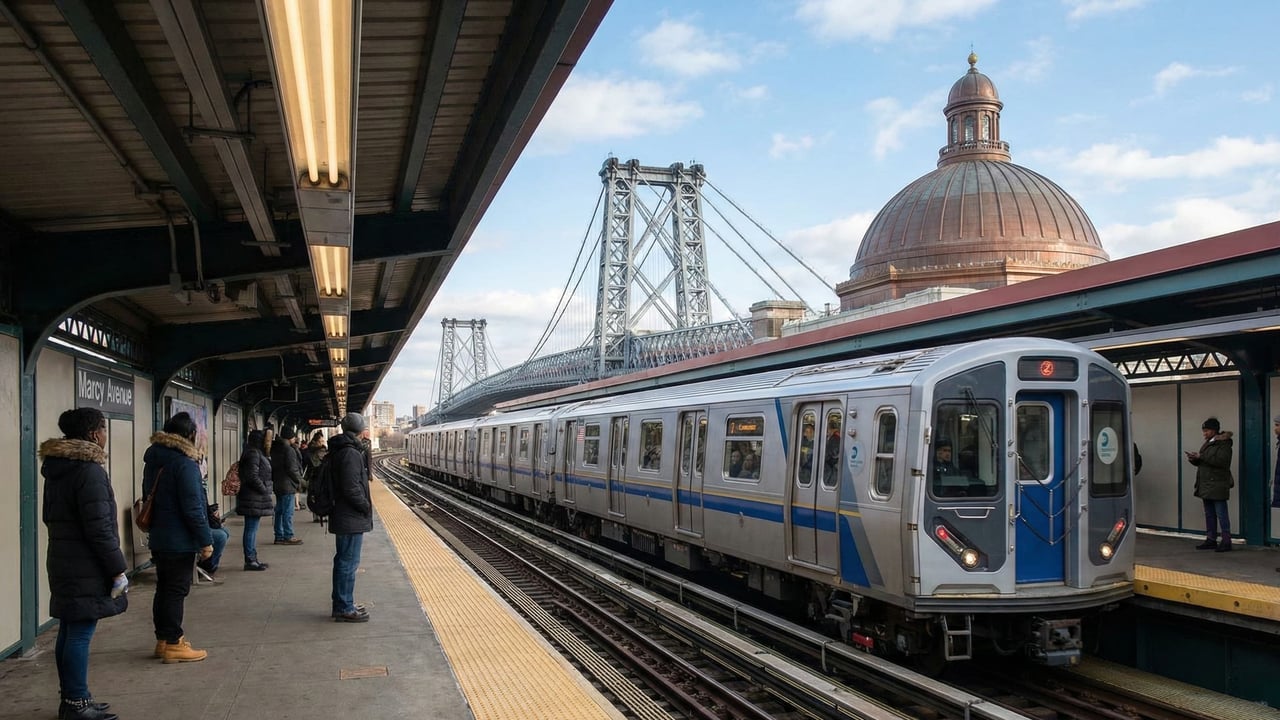
One of the first questions buyers ask when considering a Brooklyn neighborhood is simple: How easy is the commute? In Boerum Hill, the answer is refreshingly straightforward. The neighborhood offers some of the best transportation access in Brooklyn, combining multiple subway lines, proximity to Atlantic Terminal, and direct routes into Manhattan.
For professionals, families, and investors alike, Boerum Hill transportation is not just convenient. It is a key reason property demand remains strong year after year.
In New York City, commute time directly affects quality of life. Buyers today are less willing to compromise on accessibility, especially with hybrid work schedules that still require reliable office access. Boerum Hill consistently ranks high because residents can reach Downtown Manhattan, Midtown, and major Brooklyn hubs without complicated transfers.
Easy transportation access also protects property value. Homes near multiple transit options tend to sell faster and retain demand even during slower market cycles.
Boerum Hill residents rely heavily on the F and G subway lines, which run along Smith Street and surrounding corridors.
The F train provides direct service through Downtown Brooklyn, Lower Manhattan, Midtown Manhattan, and into Queens. Key stops for Boerum Hill residents include Bergen Street and Carroll Street, both within walking distance of most homes.
Benefits of the F train include:
Direct access to Lower Manhattan in under 15 minutes
One-seat rides to Midtown destinations like Herald Square
Strong weekend service compared to many other lines
While the G train does not enter Manhattan, it plays a critical role in connecting Boerum Hill to other Brooklyn neighborhoods such as Williamsburg, Greenpoint, and Long Island City.
For residents who work in tech, creative fields, or healthcare facilities across Brooklyn, the G train offers a convenient alternative to Manhattan-focused routes.
One of Boerum Hill’s biggest transportation assets is its proximity to Atlantic Terminal, located just north of the neighborhood. This transit hub significantly expands commuting options beyond standard subway service.
Atlantic Terminal offers access to:
Multiple subway lines including the 2, 3, 4, 5, B, Q, and N trains
Long Island Rail Road service for commuters traveling to Queens or Long Island
Barclays Center, retail, dining, and essential services
For Boerum Hill residents, this means flexibility. Whether commuting to Wall Street, Midtown East, or suburban offices, Atlantic Terminal provides multiple routes without long walks or transfers.
One reason Boerum Hill attracts buyers relocating from Manhattan is simple math. Commute times often match or beat those from Upper Manhattan or outer Midtown neighborhoods.
Typical commute estimates include:
Lower Manhattan: 10 to 15 minutes
Midtown Manhattan: 25 to 35 minutes
Downtown Brooklyn: Under 10 minutes
This efficiency allows residents to enjoy a quieter, residential environment without sacrificing professional accessibility.
While subway access dominates daily commuting, Boerum Hill also benefits from a strong secondary transportation network.
Several bus routes run along Atlantic Avenue and Smith Street
Citi Bike stations are widely available throughout the neighborhood
Flat streets and short block lengths make walking practical for errands and school drop-offs
Many residents rely on a mix of subway, biking, and walking, reducing dependence on cars entirely.
From a real estate perspective, transportation access is one of Boerum Hill’s strongest selling points. Buyers consistently prioritize homes within walking distance of multiple subway options.
Transportation benefits translate directly into:
Strong resale demand across all property types
Higher rental interest from professionals and families
Reduced vacancy risk for investors
Long-term value stability during market shifts
Even buyers who work remotely value transit access as a lifestyle convenience, not just a commuting necessity.
Boerum Hill’s transportation appeal reaches a wide range of buyers:
Manhattan professionals seeking shorter commutes without Manhattan pricing
Brooklyn-based workers commuting to Williamsburg, Downtown Brooklyn, or Queens
Families prioritizing school access and walkable streets
Investors focused on liquidity and tenant demand
This broad appeal keeps competition strong and inventory limited.
Boerum Hill succeeds because it delivers balance. Residents get tree-lined streets, historic townhouses, and a tight-knit community, paired with subway access that rivals more commercial neighborhoods.
The combination of F and G trains, Atlantic Terminal proximity, and short Manhattan commute times makes Boerum Hill one of Brooklyn’s most transportation-efficient neighborhoods. That efficiency continues to support home values, rental demand, and long-term market confidence.
Understanding transportation is only part of the equation. Knowing which blocks offer the best access, the quietest streets, and the strongest long-term value requires local expertise.
At Archpoint Advisory, we help buyers identify properties that align with their commute needs and lifestyle goals. Whether you are moving from Manhattan or investing in Brooklyn, we guide you toward opportunities that make sense now and years from now.
Reach out today to explore Boerum Hill homes with unbeatable transit access.
Stay up to date on the latest real estate trends.

Neighborhood
Why Green Space and Academic Influence Continue to Drive Demand in One of Manhattan's Most Desirable Neighborhoods
Neighborhood
Why Retail Convenience Continues to Drive Housing Demand in One of Brooklyn's Most Desirable Neighborhoods

Neighborhood
How New Construction Is Reshaping One of Manhattan’s Most Competitive Residential Markets

Neighborhood
Why Landmark Protections Help Preserve Tribeca’s Unique Real Estate Identity

s
Why Manhattan’s Dining Culture Continues to Shape Luxury Living and Real Estate Demand

Neighborhood
Why Investors Continue Watching Manhattan’s Most Evolving Neighborhood
Neighborhood
Why Investors Continue Targeting Brooklyn’s Most Competitive Neighborhood
Neighborhood
Why Hotels, Nightlife, and Cultural Energy Continue to Drive Housing Demand in Gramercy
Neighborhood
Understanding the Buying Process Behind One of Brooklyn’s Most Competitive Housing Markets
We love nothing more than helping buyers and sellers achieve their home-buying and selling goals. If you’ve got questions, we can’t wait to answer them.