Brooklyn Heights Transportation: Subway Access and Manhattan Commute Times
Neighborhood
Neighborhood
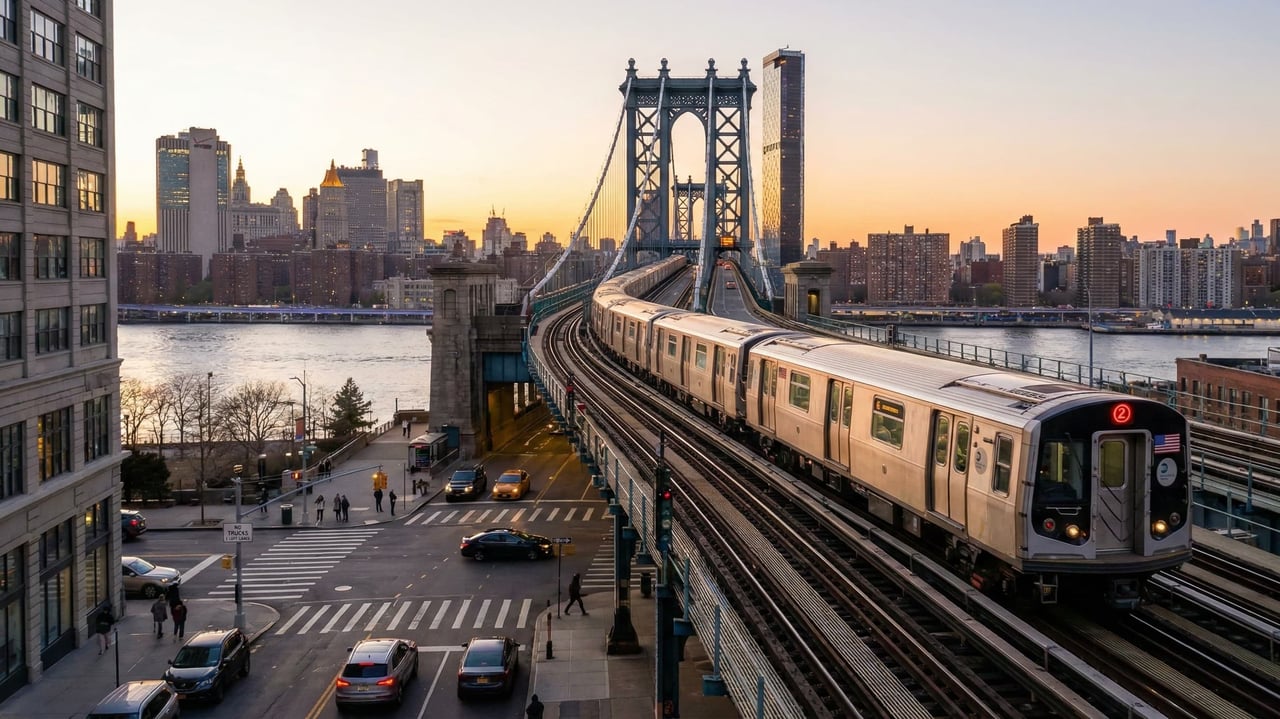
Brooklyn Heights has long been known for its tree-lined streets, classic brownstones, and postcard views of the Manhattan skyline. But beyond its charm and history, one factor continues to drive buyer demand and long-term property value: exceptional transportation access.
For many New Yorkers, a neighborhood’s appeal begins and ends with the commute. Brooklyn Heights consistently ranks among the best-connected residential areas in Brooklyn, offering fast and flexible subway access to both Downtown Manhattan and Midtown. Whether you work in the Financial District, Midtown offices, or split time between boroughs, the neighborhood’s transit options make daily travel efficient and predictable.
In New York City, transportation is directly tied to property value. Buyers are willing to pay a premium for homes that reduce commute time, eliminate transfers, and provide multiple route options. Brooklyn Heights checks all of those boxes.
The neighborhood sits at the crossroads of several major subway lines, allowing residents to reach Manhattan in minutes rather than planning around long or complicated commutes. This reliability has helped Brooklyn Heights maintain strong resale value through multiple market cycles.
Brooklyn Heights benefits from access to some of the most important subway lines in the city. Residents are typically within walking distance of several stations, creating redundancy that commuters value.
The 2 and 3 lines run along Clark Street and Borough Hall, offering direct service to Lower Manhattan and Midtown.
Key commute times include:
Wall Street in approximately 10 minutes
Fulton Street in about 8 minutes
Times Square in roughly 25 minutes
These lines are especially popular with professionals working in the Financial District or near major Midtown hubs.
The 4 and 5 lines provide express service through Borough Hall, making them ideal for faster travel north.
Typical commute times:
Wall Street in 7 minutes
Union Square in about 15 minutes
Grand Central in roughly 20 minutes
For residents working near Grand Central or along the Lexington Avenue corridor, these lines offer a seamless commute.
The R train, and W during weekday service, connect Brooklyn Heights to Lower Manhattan and Midtown via the Broadway line.
These trains are frequently used for:
Access to SoHo and Canal Street
Direct routes to Union Square
Easy transfers to major Midtown lines
While slightly slower than express options, they provide additional flexibility, especially during service changes.
One of Brooklyn Heights’ biggest advantages is its proximity to the Financial District. Many residents can commute door to door in under 20 minutes, which is rare for a residential neighborhood with such a distinct character.
This ease of access has made Brooklyn Heights especially attractive to:
Finance professionals
Legal and consulting firms
Tech employees with offices in Lower Manhattan
The short commute allows residents to enjoy a quieter home environment without sacrificing professional convenience.
Brooklyn Heights also performs exceptionally well for Midtown commuters. Depending on the subway line, travel times to Midtown range from 20 to 30 minutes, often with no transfers required.
This direct access appeals to buyers who:
Work in Midtown East or Midtown West
Travel frequently via Penn Station or Grand Central
Want predictable commute times during peak hours
Compared to many Brooklyn neighborhoods that require multiple transfers, Brooklyn Heights offers a level of simplicity that stands out.
Another key benefit is choice. Residents are not dependent on a single subway line. If one route experiences delays, alternatives are usually within walking distance.
In addition to subways, Brooklyn Heights also offers:
Easy access to ferry services at nearby piers
Quick connections to major bus routes
Walkability to Downtown Brooklyn offices and courts
This flexibility reduces commute anxiety and adds long-term value for homeowners.
Strong transportation infrastructure directly influences pricing and demand in Brooklyn Heights. Homes near major subway entrances often command higher prices and sell faster than comparable properties farther from transit access.
Buyers consistently prioritize:
Short walking distance to multiple lines
Direct Manhattan routes without transfers
Reliable service during peak commuting hours
These features contribute to higher liquidity, which is especially important in changing market conditions.
Brooklyn Heights offers a rare combination of residential calm and urban connectivity. While other neighborhoods may offer faster access to one specific area, few provide such balanced reach across Manhattan.
For buyers, this means:
Less time commuting
Greater flexibility in career opportunities
Long-term confidence in property value
For investors, it means steady demand from renters and owner-occupiers alike.
If transportation is a priority, Brooklyn Heights remains one of the smartest choices in Brooklyn. Its subway access continues to outperform many neighborhoods with newer development but weaker connectivity.
At Archpoint Advisory, we help buyers identify properties that maximize commute efficiency while aligning with lifestyle and investment goals. From brownstones near Clark Street to condos close to Borough Hall, we understand how transportation access shapes value on a building-by-building level.
If you are exploring Brooklyn Heights or comparing neighborhoods based on commute times, we are happy to guide you through the options.
Reach out to Archpoint Advisory to learn which Brooklyn Heights properties offer the best transportation advantages for your daily routine and long-term plans.
Stay up to date on the latest real estate trends.
Neighborhood
Why Green Space and Academic Influence Continue to Drive Demand in One of Manhattan's Most Desirable Neighborhoods
Neighborhood
Why Retail Convenience Continues to Drive Housing Demand in One of Brooklyn's Most Desirable Neighborhoods

Neighborhood
How New Construction Is Reshaping One of Manhattan’s Most Competitive Residential Markets

Neighborhood
Why Landmark Protections Help Preserve Tribeca’s Unique Real Estate Identity
s
Why Manhattan’s Dining Culture Continues to Shape Luxury Living and Real Estate Demand

Neighborhood
Why Investors Continue Watching Manhattan’s Most Evolving Neighborhood
Neighborhood
Why Investors Continue Targeting Brooklyn’s Most Competitive Neighborhood
Neighborhood
Why Hotels, Nightlife, and Cultural Energy Continue to Drive Housing Demand in Gramercy
Neighborhood
Understanding the Buying Process Behind One of Brooklyn’s Most Competitive Housing Markets
We love nothing more than helping buyers and sellers achieve their home-buying and selling goals. If you’ve got questions, we can’t wait to answer them.