Chelsea Art Gallery District: How Creative Culture Drives Real Estate Demand
DUMBO
DUMBO
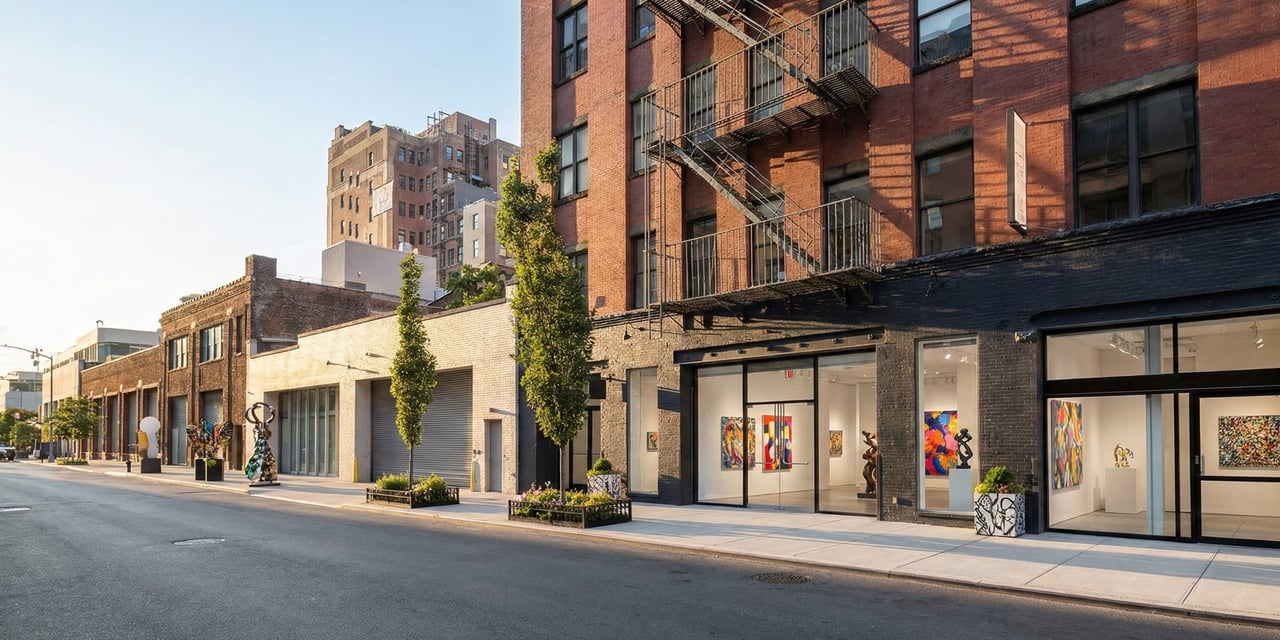
Chelsea has long been one of Manhattan’s cultural anchors. With more than two hundred galleries, landmark warehouses converted into exhibition spaces, and some of the most influential curators and artists working in the city, the neighborhood has built a global reputation as an arts capital. That creative energy does more than attract visitors. It plays a major role in shaping the local real estate market and driving steady housing demand year after year.
Chelsea’s art district stretches primarily along West 19th to West 29th Streets, especially concentrated between Tenth and Eleventh Avenues. Many of these buildings were once industrial spaces. Today they house world-renowned galleries such as David Zwirner, Gagosian, Hauser & Wirth, and dozens of emerging spaces that give the neighborhood its lively, constantly evolving character.
The result is a housing market influenced directly by the people who work in and support this ecosystem. The neighborhood does not just appeal to art buyers or collectors. It attracts curators, designers, creatives, tech workers, and cultural professionals who want to live close to their community and near Manhattan’s most vibrant creative scene.
Residents who choose Chelsea often want to be in the center of creative life. Gallery Row provides that advantage without sacrificing residential comfort. Living near the galleries means:
Constant exposure to cultural activity such as openings, seasonal exhibitions, and art fairs
A walkable neighborhood environment with tree-lined blocks, cafés, specialty shops, and the High Line
Access to iconic institutions including the Whitney Museum, the Rubin Museum, and artist-run project spaces
A social network centered around arts and design which draws both full-time creatives and professionals in related fields
The result is a residential pocket where culture blends naturally with daily life. For many Chelsea residents, an ordinary day might include grabbing coffee on Ninth Avenue, walking the High Line, viewing a new installation, and heading home without leaving the neighborhood.
Chelsea’s creative identity has helped shape consistent real estate demand for more than twenty years. Several key factors explain why the market remains strong.
Galleries are businesses that attract artists, curators, art handlers, archivists, designers, and administrative staff. Many choose to live close to where they work because their schedules can extend into evenings for openings or events. This creates a reliable base of renters and buyers.
Buyers traveling from Europe, Asia, and the West Coast often know Chelsea as an arts destination before they know it as a residential neighborhood. High-income buyers who collect art frequently want to live near the cultural institutions they already support.
Chelsea offers a mix of converted warehouses, boutique loft buildings, luxury condos, and townhouses. Many units feature wide layouts, high ceilings, and open walls suited for art displays. This appeals to buyers who want homes that can accommodate personal collections or studio setups.
The combination of the High Line, Hudson River Park, and proximity to multiple subway lines (A, C, E, 1, and the 14th Street connection) makes the neighborhood extremely convenient. Buyers gain both cultural proximity and urban accessibility.
Although the art community plays a major role in the market, the neighborhood attracts a broad range of residents. Common buyer types include:
Art collectors seeking large-wall homes or gallery-like spaces
Designers, architects, and tech professionals who want to live near creative centers
International buyers drawn by the prestige of the gallery district
Professionals working in Hudson Yards looking for a more character-rich residential feel
Long-term residents and downsizers who appreciate the neighborhood’s walkable amenities
Chelsea’s buyers tend to value lifestyle first. The convenience of having galleries, boutiques, restaurants, parks, and waterfront access within minutes of home is something many are willing to pay a premium for.
The housing selection varies widely and supports different price points and aesthetic preferences. Common options include:
Loft-style co-ops with original industrial details
Boutique condo buildings with fewer units and private layouts
Contemporary high-rises offering amenities and protected views
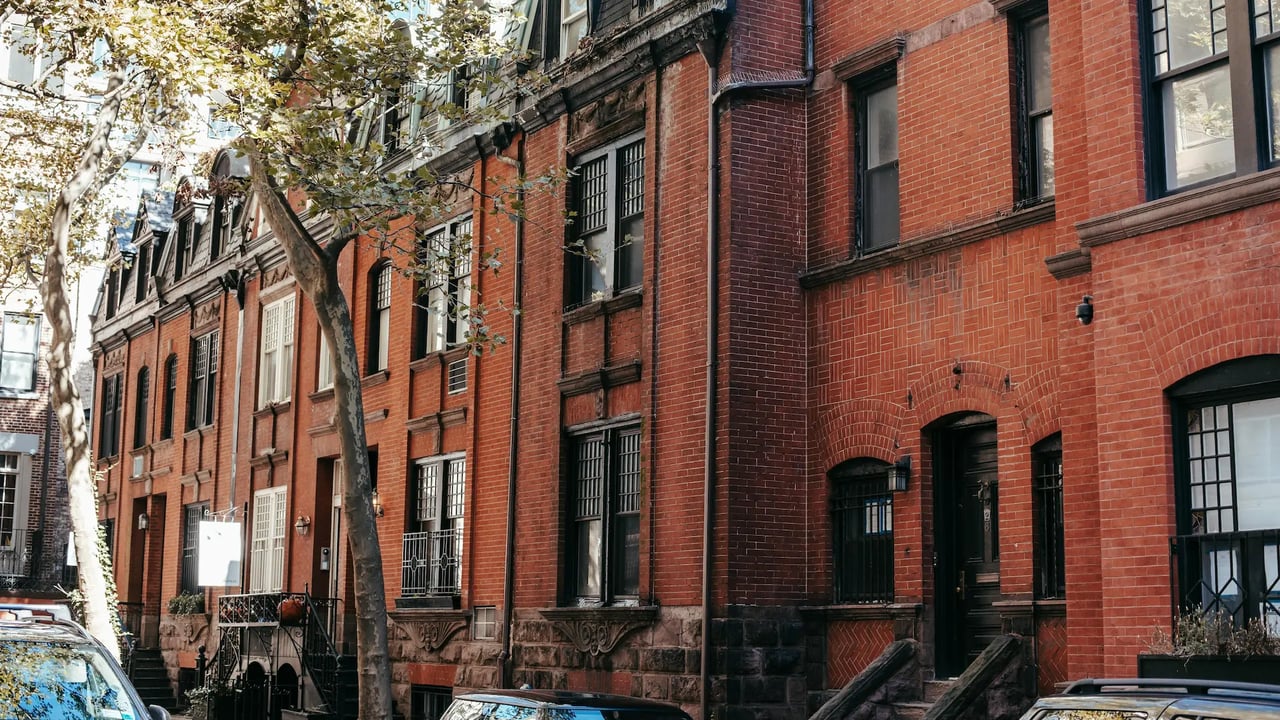
Townhouses east of Ninth Avenue for buyers seeking privacy and historic architecture
Luxury developments near the High Line with modern finishes and full-service living
These options create a balanced market that appeals equally to investors and end-users.
Chelsea’s cultural scene has remained resilient. Even during economic slowdowns, galleries continue to anchor the neighborhood. This stability, combined with a strong rental market fed by creative professionals, offers long-term advantages for owners.
Homes near Gallery Row often experience:
Strong resale interest
Lower vacancy rates for rentals
Consistent demand from a specialized buyer pool
Strong appreciation tied to cultural relevance
Neighborhoods built around culture tend to hold value well because they feel authentic and lively. Buyers know they are paying for more than a location. They are investing in a community with identity.
If you are exploring homes in Chelsea, understanding the subtle differences between each block is important. Some areas are more residential, while others are closely tied to the gallery corridors or near newer developments by the High Line.
Archpoint Advisory can help you navigate inventory across the entire district, from boutique lofts to modern condo towers. Whether you are a creative professional, an investor, or a buyer drawn to the arts, we can guide you toward the right property that fits both lifestyle and long-term value.
Reach out today to explore Chelsea listings and learn more about what makes this neighborhood one of Manhattan’s most inspiring places to live.
Stay up to date on the latest real estate trends.
Neighborhood
Why Green Space and Academic Influence Continue to Drive Demand in One of Manhattan's Most Desirable Neighborhoods
Neighborhood
Why Retail Convenience Continues to Drive Housing Demand in One of Brooklyn's Most Desirable Neighborhoods
Neighborhood
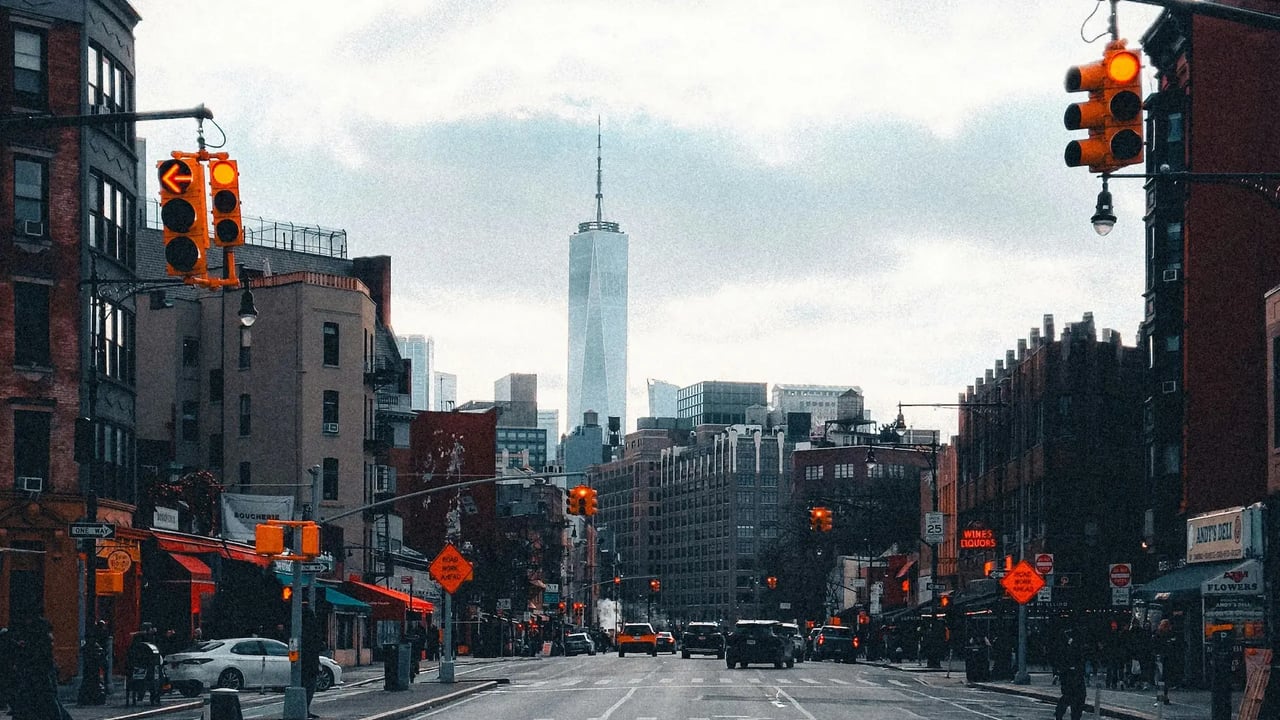
How New Construction Is Reshaping One of Manhattan’s Most Competitive Residential Markets
Neighborhood
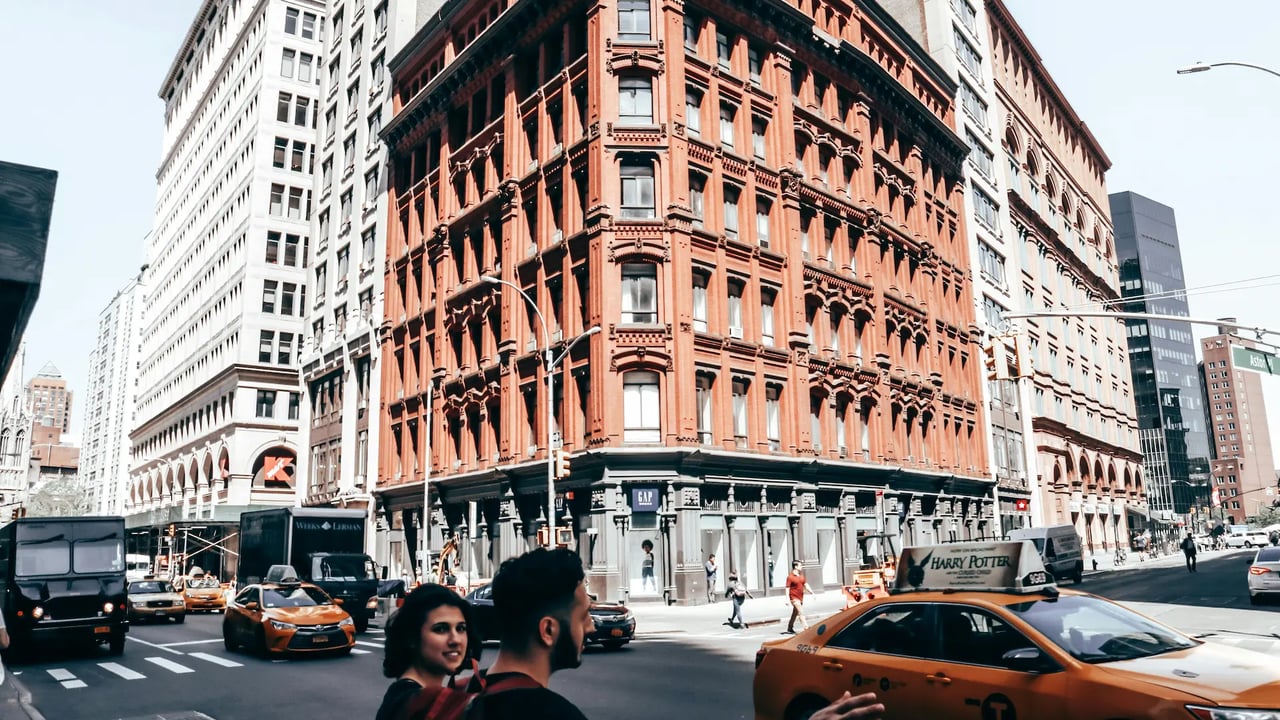
Why Landmark Protections Help Preserve Tribeca’s Unique Real Estate Identity
s
Why Manhattan’s Dining Culture Continues to Shape Luxury Living and Real Estate Demand
Neighborhood
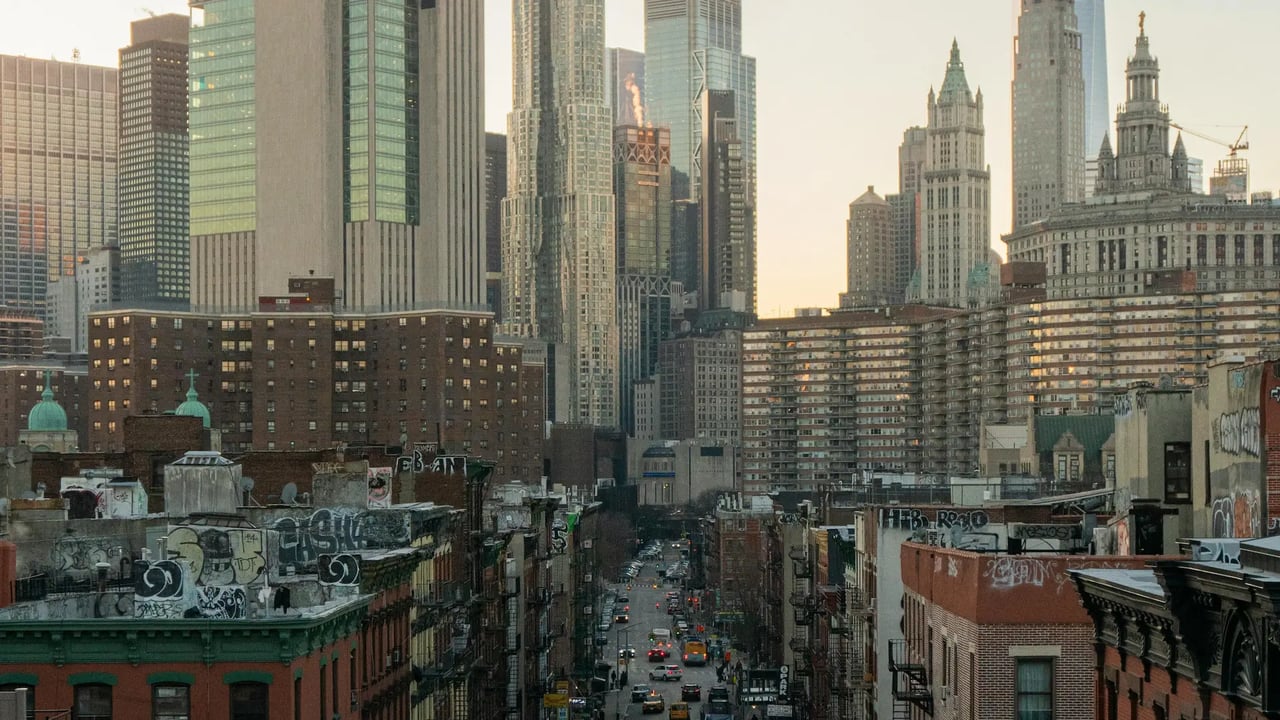
Why Investors Continue Watching Manhattan’s Most Evolving Neighborhood
Neighborhood
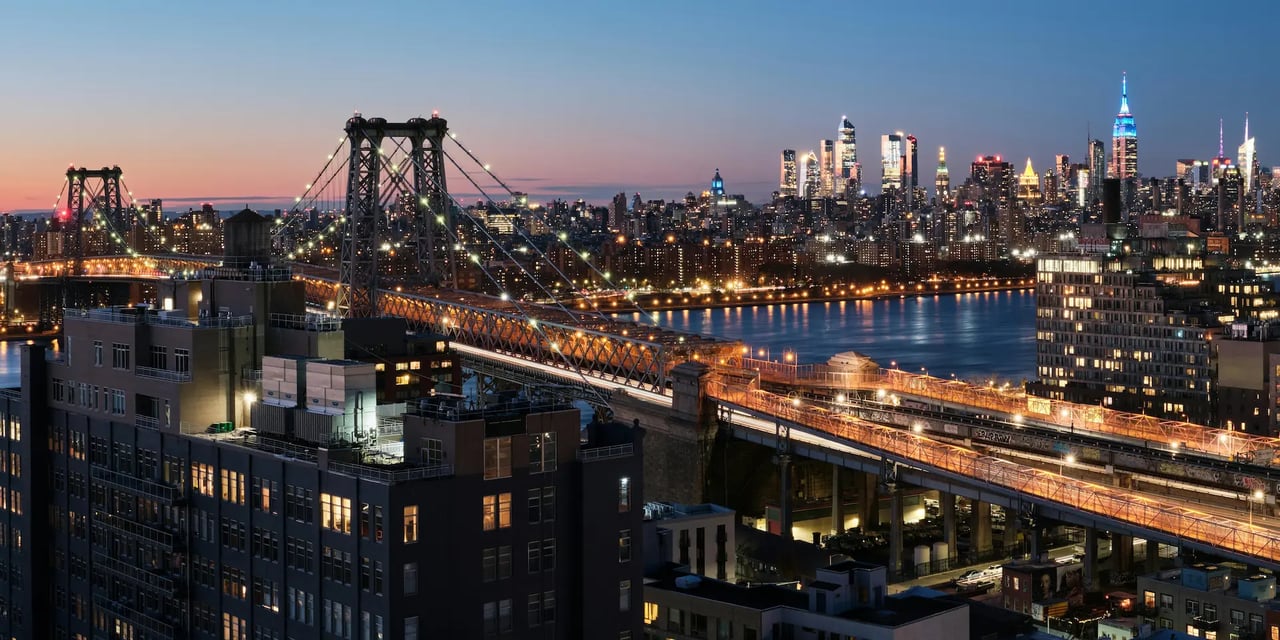
Why Investors Continue Targeting Brooklyn’s Most Competitive Neighborhood
Neighborhood
Why Hotels, Nightlife, and Cultural Energy Continue to Drive Housing Demand in Gramercy
Neighborhood
Understanding the Buying Process Behind One of Brooklyn’s Most Competitive Housing Markets
We love nothing more than helping buyers and sellers achieve their home-buying and selling goals. If you’ve got questions, we can’t wait to answer them.