Family-Friendly Chelsea: Schools, Parks, and Residential Community Growth
Neighborhood
Neighborhood
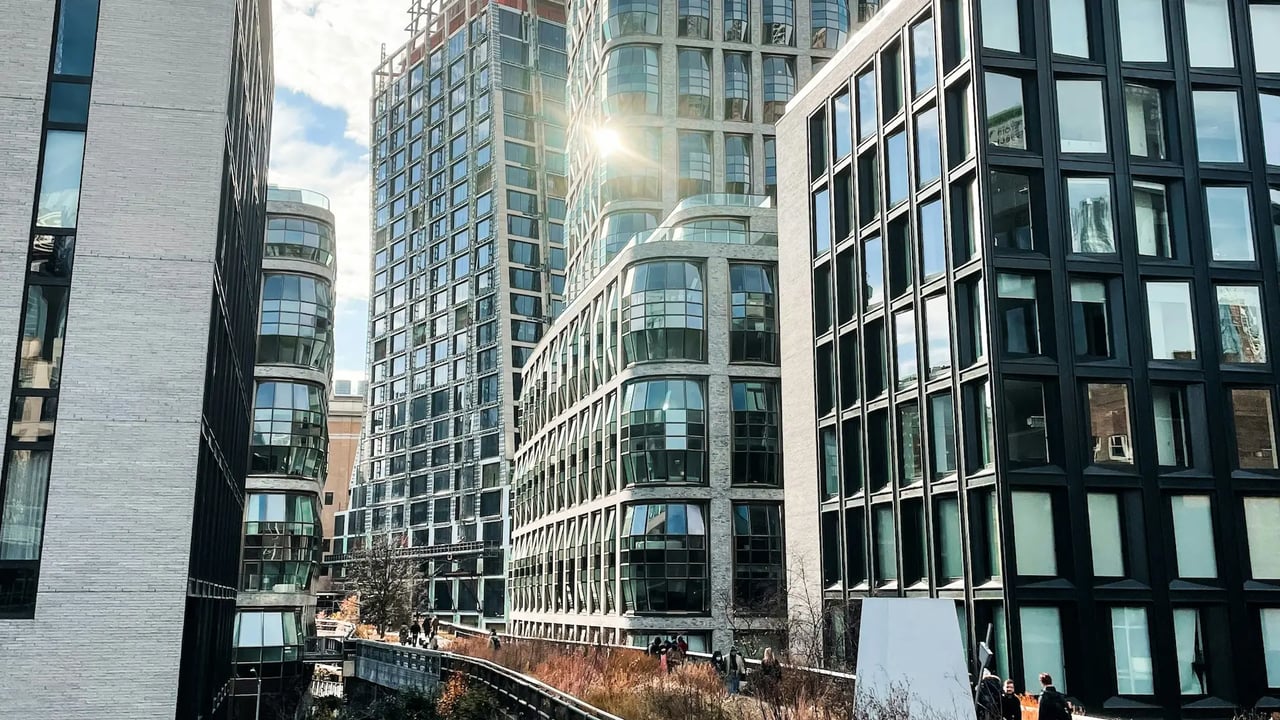
Chelsea has long been known for its art galleries, nightlife, and downtown energy. Today, the neighborhood is quietly transforming into something more balanced. Families are moving in, developers are adapting, and the area is becoming one of Manhattan’s most appealing options for long-term living.
This shift is not accidental. It is driven by a combination of strong schools, accessible green spaces, and a growing inventory of residential buildings designed with families in mind. For buyers who want to stay in Manhattan without compromising on space or quality of life, Chelsea is increasingly part of the conversation.
For years, many families looked to the Upper West Side or Brooklyn for more space and a quieter environment. Chelsea is now offering a compelling alternative. It delivers the convenience of downtown living while gradually building the infrastructure families need.
One of the biggest draws is location. Chelsea sits between Midtown and Lower Manhattan, making commutes manageable for working parents. The neighborhood also offers easy access to multiple subway lines, grocery stores, and healthcare facilities. That level of convenience becomes especially valuable for households balancing work, school, and daily routines.
At the same time, Chelsea has maintained a sense of neighborhood identity. Tree-lined streets, local cafés, and community-focused spaces give it a more residential feel than many nearby downtown areas.
A key factor in Chelsea’s evolution is the steady improvement and recognition of its schools. Families are paying close attention to both public and private options in the area.
Chelsea is home to several well-regarded public schools that continue to attract local residents. These include elementary and middle schools that emphasize small class sizes and community involvement. Over time, increased demand from families has contributed to stronger funding and enhanced programs.
Private and charter schools also play an important role. Many families choose Chelsea because they can access high-quality education within a short distance from home. This reduces commute times for children and adds to the neighborhood’s overall appeal.
What stands out is the growing confidence among buyers that Chelsea is no longer just a temporary stop before relocating for schools. More families are choosing to stay long term, which strengthens the local community and supports property values.
Green space has become one of the most important factors for families choosing where to live in New York City. Chelsea benefits from a strong mix of traditional parks and modern public spaces that cater to all age groups.
The neighborhood offers several options for outdoor recreation:
Hudson River Park, which provides waterfront paths, playgrounds, and sports facilities
The High Line, a unique elevated park that offers open space, art installations, and a safe place to walk with children
Smaller neighborhood playgrounds and dog-friendly areas that are integrated into residential blocks
These spaces allow families to enjoy outdoor activities without leaving the neighborhood. Parents can take children to playgrounds after school, go for weekend bike rides, or simply spend time outside without planning a full-day outing.
In a city where private outdoor space is limited, access to well-maintained parks effectively expands a family’s living area.
Chelsea’s housing market has evolved significantly over the past decade. While the neighborhood still offers loft-style apartments and luxury condos, developers are increasingly designing buildings with families in mind.
Today’s residential offerings often include:
Larger floor plans with multiple bedrooms
Open living spaces that accommodate family routines
In-unit laundry and storage solutions
Full-service buildings with amenities such as playrooms, fitness centers, and rooftop spaces
Many newer developments are also incorporating wellness-focused features, including natural light optimization and shared outdoor areas. These elements are especially appealing to buyers who plan to stay for several years rather than treat the property as a short-term investment.
Prewar buildings remain part of Chelsea’s charm, offering character and unique layouts. However, newer developments are helping reshape the neighborhood’s identity by attracting a broader range of residents, including growing families.
As more families move into Chelsea, the overall community dynamic is changing. Local businesses are adapting to meet new demand, with an increase in family-friendly restaurants, childcare services, and neighborhood programming.
This type of organic growth contributes to long-term stability. When residents stay longer, they invest more in the community. Schools improve, local services expand, and the neighborhood becomes more predictable from a real estate perspective.
From an investment standpoint, this shift is significant. Areas that transition from transient to community-focused tend to see more consistent appreciation over time. Chelsea is following that path, supported by both lifestyle demand and thoughtful development.
For buyers, Chelsea offers a rare opportunity to secure property in a neighborhood that is still evolving. While prices have already increased, there is still room for growth as the area continues to attract families.
For investors, the neighborhood presents strong fundamentals:
A growing tenant base of long-term renters
Consistent demand for larger, family-friendly units
Stable resale activity supported by diverse buyer profiles
Chelsea’s transformation also reduces risk. Neighborhoods with strong schools and community infrastructure tend to perform better during market fluctuations, as demand remains steady even in uncertain conditions.
Chelsea is no longer just a destination for nightlife or short-term city living. It is becoming a neighborhood where families can settle, grow, and build long-term value.
If you are exploring options in Manhattan and want a balance between energy and livability, Chelsea deserves serious consideration. The combination of schools, parks, and evolving residential spaces makes it one of the most dynamic areas in today’s market.
At Archpoint Advisory, we help clients identify opportunities that align with both lifestyle goals and investment strategy. From family-sized condos to quieter residential blocks, we can guide you through Chelsea’s changing landscape.
Reach out today to explore available listings and discover how Chelsea can fit into your long-term plans.
Stay up to date on the latest real estate trends.

Neighborhood
Why Green Space and Academic Influence Continue to Drive Demand in One of Manhattan's Most Desirable Neighborhoods
Neighborhood
Why Retail Convenience Continues to Drive Housing Demand in One of Brooklyn's Most Desirable Neighborhoods

Neighborhood
How New Construction Is Reshaping One of Manhattan’s Most Competitive Residential Markets

Neighborhood
Why Landmark Protections Help Preserve Tribeca’s Unique Real Estate Identity

s
Why Manhattan’s Dining Culture Continues to Shape Luxury Living and Real Estate Demand

Neighborhood
Why Investors Continue Watching Manhattan’s Most Evolving Neighborhood

Neighborhood
Why Investors Continue Targeting Brooklyn’s Most Competitive Neighborhood
Neighborhood
Why Hotels, Nightlife, and Cultural Energy Continue to Drive Housing Demand in Gramercy
Neighborhood
Understanding the Buying Process Behind One of Brooklyn’s Most Competitive Housing Markets
We love nothing more than helping buyers and sellers achieve their home-buying and selling goals. If you’ve got questions, we can’t wait to answer them.