East Village Restaurant Scene: From Dive Bars to Michelin Stars Real Estate Impact
Neighborhood
Neighborhood
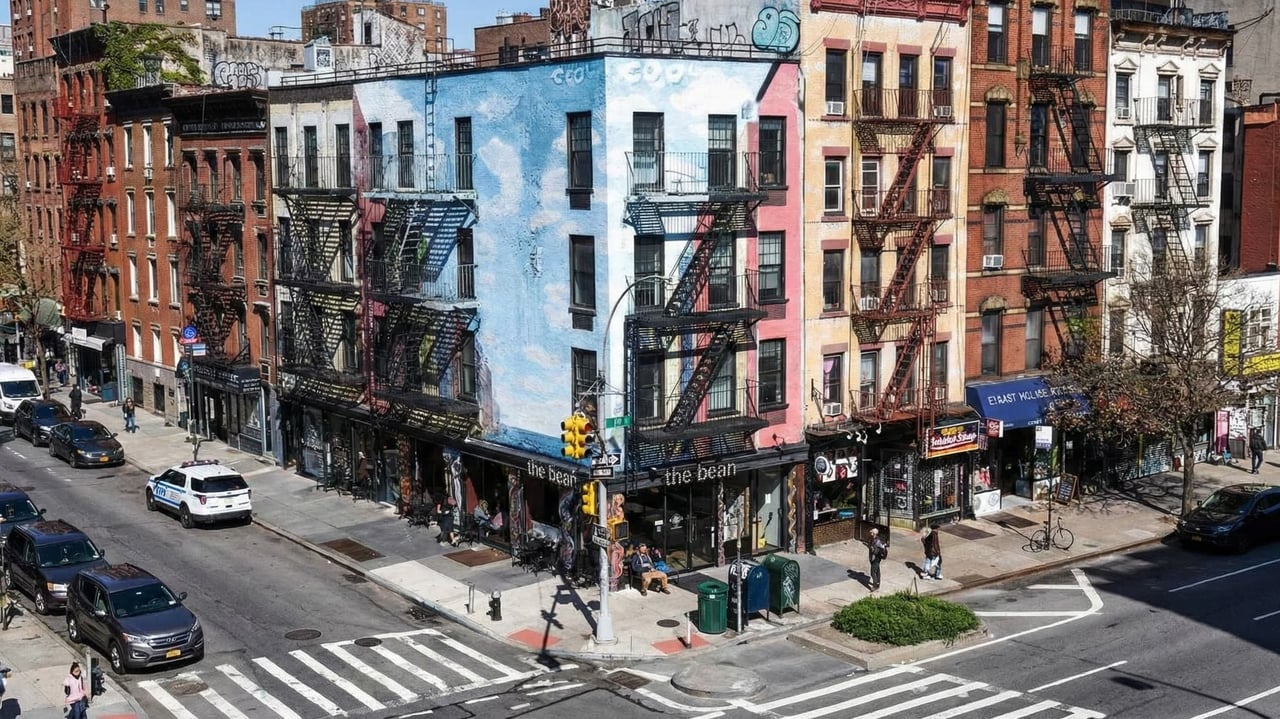
The East Village has always played by its own rules. Known for its creative spirit, late-night energy, and ever-evolving dining scene, this downtown neighborhood continues to attract buyers who value culture as much as square footage. From legendary dive bars to Michelin-recognized restaurants, the East Village restaurant scene has become a major force behind its real estate appeal.
For many New Yorkers, where you eat, drink, and socialize is just as important as where you sleep. In the East Village, those experiences are woven directly into daily life. The result is a neighborhood where lifestyle drives demand and demand supports long-term property value.
Few areas in Manhattan offer the range of dining options found in the East Village. On a single block, you might find a decades-old Ukrainian diner, a Japanese omakase counter, and a buzzy cocktail bar with a line out the door. This diversity is not accidental. It reflects the neighborhood’s history as a landing place for artists, immigrants, and independent operators willing to take creative risks.
The restaurant mix typically includes:
Long-standing dive bars with loyal local followings
Casual eateries known citywide for signature dishes
International restaurants representing nearly every cuisine
Chef-driven concepts earning Michelin stars and Bib Gourmand recognition
This blend creates constant foot traffic and keeps the neighborhood active well beyond traditional business hours. For residents, it means entertainment and dining are always within walking distance.
In neighborhoods like the East Village, lifestyle amenities are not a bonus. They are central to the buying decision. Many purchasers are not looking for suburban quiet or full-service luxury towers. They want authenticity, energy, and convenience.
Dining and nightlife influence buyer behavior in several ways:
Walkable entertainment reduces reliance on taxis or subways late at night
Vibrant street life adds a sense of safety and activity
Cultural relevance keeps the neighborhood desirable across generations
Rental appeal increases for tenants seeking social, active lifestyles
Buyers often accept smaller apartments in exchange for a neighborhood that feels alive. This tradeoff supports strong price per square foot metrics throughout the East Village.
The East Village real estate market benefits from consistent demand driven by lifestyle-oriented buyers. While prices may fluctuate with broader market cycles, the neighborhood’s cultural foundation helps protect value over time.
Key market patterns include:
Apartments near popular restaurant corridors often sell faster than similar units on quieter blocks
Buildings located near nightlife hubs attract younger buyers and renters with higher turnover but steady demand
Renovated units with soundproofing and modern finishes perform particularly well
Investors also recognize the value of the neighborhood’s dining ecosystem. Restaurants and bars act as anchors, drawing new residents and keeping vacancy rates low.
One of the most common questions buyers ask about the East Village is how nightlife affects day-to-day living. The answer depends heavily on block selection and building quality.
Savvy buyers focus on:
Side streets just off major avenues
Buildings with solid construction and upgraded windows
Upper-floor units that reduce street noise
When chosen carefully, East Village properties can offer both energy and comfort. Many longtime residents enjoy the neighborhood’s vibrancy while maintaining quiet interiors.
The East Village continues to perform well in the rental market, particularly among professionals, creatives, and international tenants. Dining and nightlife play a major role in this appeal.
Renters are drawn to:
Proximity to restaurants and bars without needing a car
A social atmosphere that encourages community interaction
Easy access to downtown employment hubs
This demand supports competitive rents and consistent leasing activity, making the area attractive to long-term investors.
Neighborhoods built around lifestyle tend to evolve rather than fade. The East Village has reinvented itself many times while maintaining its core identity. New restaurants open, old favorites adapt, and the dining scene remains relevant.
This adaptability is one reason the East Village continues to rank among Manhattan’s most desirable downtown neighborhoods. Buyers are not just purchasing a home. They are buying into a living, breathing cultural ecosystem.
Understanding the relationship between dining culture and real estate value is key when evaluating East Village properties. Block-by-block knowledge matters, and not all locations perform the same.
At Archpoint Advisory, we help clients navigate the East Village market with a lifestyle-first approach. From quiet residential pockets to vibrant nightlife corridors, we guide buyers and investors toward properties that align with both their goals and their daily lives.
If you are exploring opportunities in the East Village, now is the time to understand how food, culture, and real estate intersect in one of Manhattan’s most dynamic neighborhoods.
Connect with Archpoint Advisory to explore East Village properties shaped by culture, community, and long-term value.
Stay up to date on the latest real estate trends.
Neighborhood
Why Green Space and Academic Influence Continue to Drive Demand in One of Manhattan's Most Desirable Neighborhoods
Neighborhood
Why Retail Convenience Continues to Drive Housing Demand in One of Brooklyn's Most Desirable Neighborhoods

Neighborhood
How New Construction Is Reshaping One of Manhattan’s Most Competitive Residential Markets

Neighborhood
Why Landmark Protections Help Preserve Tribeca’s Unique Real Estate Identity
s
Why Manhattan’s Dining Culture Continues to Shape Luxury Living and Real Estate Demand

Neighborhood
Why Investors Continue Watching Manhattan’s Most Evolving Neighborhood
Neighborhood
Why Investors Continue Targeting Brooklyn’s Most Competitive Neighborhood
Neighborhood
Why Hotels, Nightlife, and Cultural Energy Continue to Drive Housing Demand in Gramercy
Neighborhood
Understanding the Buying Process Behind One of Brooklyn’s Most Competitive Housing Markets
We love nothing more than helping buyers and sellers achieve their home-buying and selling goals. If you’ve got questions, we can’t wait to answer them.