Gramercy Park Adjacent: Flatiron's Access to Manhattan's Most Exclusive Park
Gramercy
Gramercy
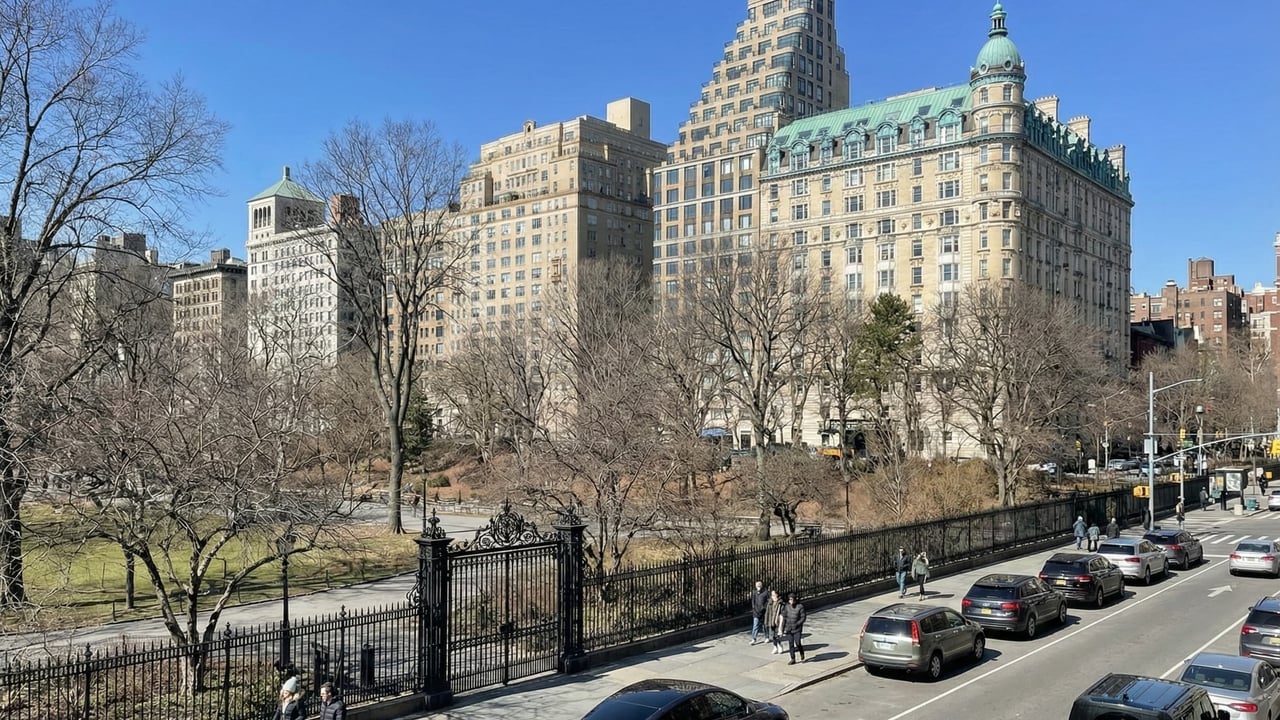
In Manhattan real estate, exclusivity is rarely accidental. It is created through scarcity, history, and access that cannot be replicated. Gramercy Park embodies all three. As the city’s only private park, it has long defined one of the most prestigious residential pockets in New York. What is often overlooked, however, is how nearby neighborhoods like Flatiron benefit from this exclusivity without being limited to a single zip code.
For buyers and investors, living adjacent to Gramercy Park offers a unique balance. Residents gain proximity to one of Manhattan’s most coveted green spaces while remaining connected to Flatiron’s dynamic dining, office, and transit core. This combination has quietly elevated property appeal and pricing across nearby blocks.
Unlike Central Park or Madison Square Park, Gramercy Park is not open to the public. Access is restricted to residents of select surrounding buildings, each holding coveted park keys. This controlled access preserves the park’s quiet character and creates a sense of privacy that feels almost unheard of in Manhattan.
The exclusivity matters because it changes how buyers perceive value. Gramercy Park is not just greenery. It represents privacy, tradition, and a slower residential pace in a city known for constant movement. Even for those without direct key access, being nearby carries a powerful psychological and market advantage.
Flatiron sits just northwest of Gramercy Park, placing it within comfortable walking distance while maintaining its own identity. This proximity has become increasingly attractive to buyers who want the prestige of the Gramercy area without sacrificing Flatiron’s energy.
Living near Gramercy Park from Flatiron offers:
Easy access to quiet residential streets without feeling isolated
Short walks to Union Square, Madison Square Park, and Fifth Avenue
Faster commutes to Midtown South offices and tech hubs
A blend of historic charm and modern luxury inventory
For many buyers, this balance is ideal. They can enjoy the refined calm associated with Gramercy while benefiting from Flatiron’s centrality and convenience.
Private park access introduces a level of perceived luxury that goes beyond finishes or amenities. Buyers often associate Gramercy Park with legacy ownership and long-term value. Even when access is indirect, proximity alone influences emotional decision-making.
Key psychological drivers include:
Prestige by association — Being near a private park elevates a property’s status
Quiet reassurance — Buyers value neighborhoods where change happens slowly
Controlled environment — Private green space signals order and stability
Lifestyle distinction — It offers something most Manhattan residents cannot have
These factors often result in faster decision-making and reduced price sensitivity among qualified buyers.
The Flatiron and Gramercy-adjacent zones feature a range of housing styles, each appealing to different buyer profiles.
Prewar co-ops and townhouses attract buyers seeking architectural detail and neighborhood permanence.
Boutique condominium buildings appeal to professionals looking for privacy with modern layouts.
Luxury full-service condos draw international buyers and executives prioritizing location and security.
High-floor residences gain indirect value from quieter surroundings and protected sightlines.
Even without direct park views, these properties benefit from lower turnover and strong resale consistency due to their location.
From an investment standpoint, Gramercy Park adjacency offers something increasingly rare in Manhattan real estate: predictability. Areas surrounding private or protected green spaces historically outperform during market corrections.
Investors favor these properties because:
Demand remains steady across economic cycles
Inventory is naturally limited by zoning and historic preservation
Tenant profiles skew toward long-term occupancy
Pricing volatility is lower than trend-driven neighborhoods
For buyers seeking a mix of capital preservation and appreciation, proximity to Gramercy Park remains a strong strategic advantage.
While not every resident holds a key, living near Gramercy Park still enhances daily life. The surrounding streets are quieter, traffic is lighter, and commercial density is carefully balanced. Residents often describe the area as feeling more residential than surrounding Midtown zones, even while remaining centrally located.
Nearby cafés, schools, and cultural institutions cater to a local population rather than transient crowds. This creates a sense of continuity that many buyers prioritize once they have lived in Manhattan for several years.
For many buyers, the answer is yes. Whether the goal is a primary residence, a long-term investment, or a pied-à-terre, properties near Gramercy Park benefit from layered value drivers. These include exclusivity, stability, and a lifestyle that feels intentionally preserved.
While direct park access commands the highest premiums, adjacent neighborhoods like Flatiron allow buyers to tap into this appeal with greater flexibility and broader inventory options.
Finding the right property near Gramercy Park often requires more than browsing public listings. Many of the most desirable homes trade quietly, guided by local expertise and timing.
At Archpoint Advisory, we specialize in identifying properties that align with both lifestyle goals and long-term value. From Flatiron condos to Gramercy-adjacent residences with rare access advantages, we help clients navigate one of Manhattan’s most nuanced markets.
If you are considering buying or investing near Gramercy Park, we invite you to explore your options with a team that understands the subtle factors driving value in this unique area.
Reach out today to learn which opportunities are currently available, including off-market listings.
Stay up to date on the latest real estate trends.
Neighborhood
Why Green Space and Academic Influence Continue to Drive Demand in One of Manhattan's Most Desirable Neighborhoods
Neighborhood
Why Retail Convenience Continues to Drive Housing Demand in One of Brooklyn's Most Desirable Neighborhoods

Neighborhood
How New Construction Is Reshaping One of Manhattan’s Most Competitive Residential Markets
Neighborhood
Why Landmark Protections Help Preserve Tribeca’s Unique Real Estate Identity
s
Why Manhattan’s Dining Culture Continues to Shape Luxury Living and Real Estate Demand
Neighborhood
Why Investors Continue Watching Manhattan’s Most Evolving Neighborhood
Neighborhood
Why Investors Continue Targeting Brooklyn’s Most Competitive Neighborhood
Neighborhood
Why Hotels, Nightlife, and Cultural Energy Continue to Drive Housing Demand in Gramercy
Neighborhood
Understanding the Buying Process Behind One of Brooklyn’s Most Competitive Housing Markets
We love nothing more than helping buyers and sellers achieve their home-buying and selling goals. If you’ve got questions, we can’t wait to answer them.