Gramercy Transportation Hub: Multiple Subway Lines and Midtown Accessibility
Neighborhood
Neighborhood
In New York City, convenience is currency. Where you live is often defined by how easily you can get where you need to go. In that respect, Gramercy stands out as one of Manhattan’s most strategically located neighborhoods. While it maintains a quiet, residential feel, it sits just steps from one of the most powerful transit hubs in the city: Union Square.
For buyers and renters alike, Gramercy’s proximity to multiple subway lines creates a rare balance. Residents enjoy calm, tree-lined blocks at home and unmatched mobility once they step outside. That combination continues to drive strong demand and long-term value in Gramercy real estate.
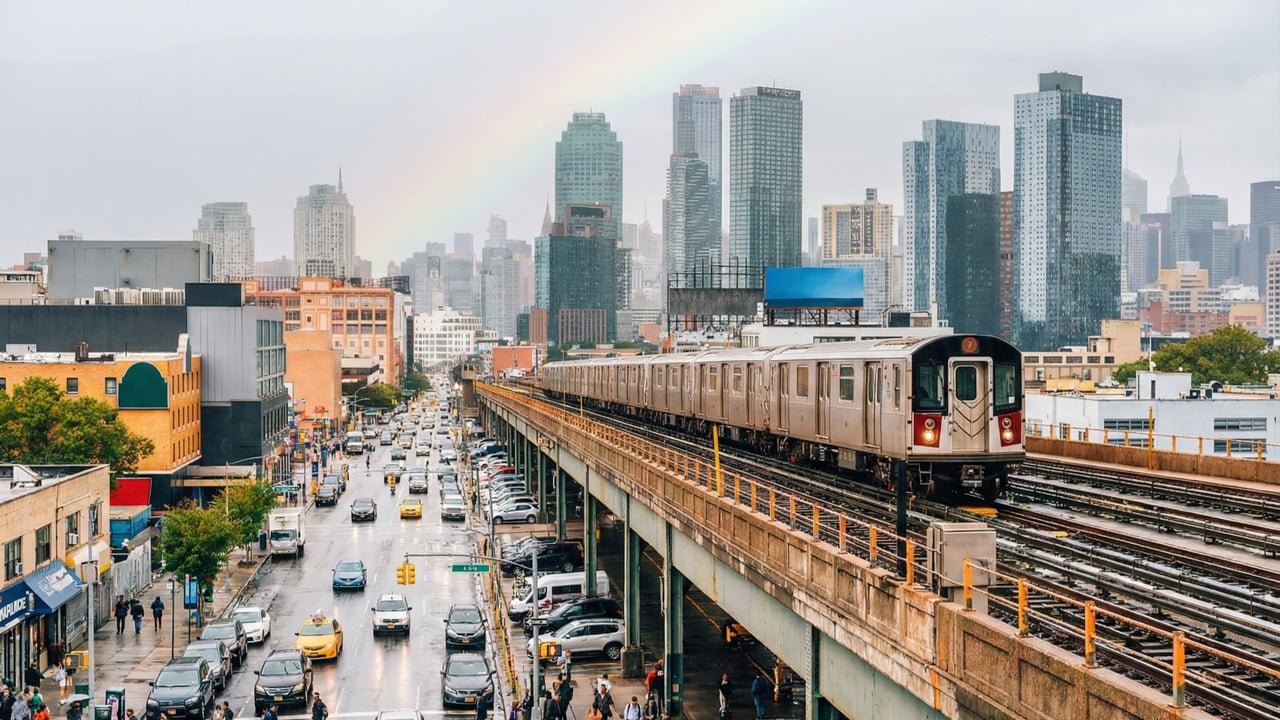
Union Square is more than a public plaza. It is one of the most connected subway hubs in New York City. From a single station complex, residents can access the 4, 5, 6, N, Q, R, W, and L lines, making travel across Manhattan and into Brooklyn fast and predictable.
For Gramercy residents, this means:
Direct access to Midtown East, Midtown West, and Downtown Manhattan
One-stop or express service to major employment centers
Easy cross-borough travel without multiple transfers
Many homes in Gramercy sit within a five to eight minute walk of Union Square, which is close enough for daily convenience but far enough to avoid station noise and foot traffic. That separation is part of what makes the neighborhood so desirable.
Unlike areas directly on top of transit centers, Gramercy offers what many professionals want most: efficiency without chaos. Residents can walk to Union Square, hop on a train, and still return home to quieter streets.
This appeals especially to:
Finance and legal professionals commuting to Midtown East
Tech and media employees traveling to Flatiron, Chelsea, or SoHo
Healthcare workers accessing hospitals throughout Manhattan
Remote professionals who value flexibility and fast connections
With express trains like the 4, 5, and Q, commute times are often shorter than those from neighborhoods that appear closer on a map.
One of Gramercy’s biggest advantages is how quickly residents can reach Midtown while avoiding its density. From Union Square:
Midtown East is often reachable in under ten minutes
Times Square and Herald Square are direct rides via the N, Q, R, or W
Grand Central connections are seamless through the 4, 5, or 6
This makes Gramercy especially attractive to buyers who work in Midtown but prefer a residential environment after hours. Instead of crowds and commercial blocks, they come home to brownstones, classic co-ops, and low-rise condos.
Access to multiple subway lines has a measurable effect on real estate performance. Properties located near major transit hubs tend to show:
Stronger resale demand
Shorter days on market
Higher rental absorption rates
Greater long-term price stability
In Gramercy, this effect is amplified by limited inventory. Zoning restrictions and historic buildings keep supply tight, while demand continues to grow from professionals prioritizing commute efficiency.
Apartments within walking distance of Union Square consistently outperform similar homes farther east, especially in rental markets. For investors, this translates into lower vacancy risk and more predictable returns.
Transportation access shapes more than commutes. It influences daily routines. Gramercy residents benefit from being close to Union Square’s infrastructure without relying on it exclusively.
Within walking distance, residents enjoy:
Whole Foods, Trader Joe’s, and the Union Square Greenmarket
Fitness studios, yoga centers, and boutique gyms
Restaurants ranging from casual cafes to Michelin-star dining
Quick connections to Flatiron, NoMad, and the East Village
This layered accessibility reduces the need for long trips while keeping the entire city within reach.
Gramercy’s transportation network appeals to a wide range of buyers and renters, including:
First-time buyers seeking a long-term, livable neighborhood
Investors focused on rental demand and tenant retention
Families who value safety, walkability, and school access
International buyers who prioritize simple navigation across the city
Unlike trend-driven neighborhoods, Gramercy’s value proposition is built on fundamentals. Location, access, and livability never go out of style.
As New York City continues to prioritize transit-oriented living, neighborhoods with strong subway access will remain in demand. Gramercy’s location near Union Square positions it well for future growth, even as market conditions shift.
Remote and hybrid work have changed commuting patterns, but they have not reduced the value of flexibility. Buyers still want options. Gramercy delivers them better than most neighborhoods.
Whether you are looking for a classic prewar co-op, a modern condo, or an income-producing property, understanding transportation dynamics is key to making the right decision.
At Archpoint Advisory, we help clients identify homes that combine lifestyle comfort with long-term value. Our local expertise ensures you understand not just where a property is located, but how it connects you to the rest of the city.
If commuter convenience and Midtown accessibility matter to you, Gramercy deserves a closer look.
Reach out today to explore available listings and off-market opportunities in one of Manhattan’s most connected neighborhoods.
Stay up to date on the latest real estate trends.
Neighborhood
Why Green Space and Academic Influence Continue to Drive Demand in One of Manhattan's Most Desirable Neighborhoods
Neighborhood
Why Retail Convenience Continues to Drive Housing Demand in One of Brooklyn's Most Desirable Neighborhoods

Neighborhood
How New Construction Is Reshaping One of Manhattan’s Most Competitive Residential Markets

Neighborhood
Why Landmark Protections Help Preserve Tribeca’s Unique Real Estate Identity
s
Why Manhattan’s Dining Culture Continues to Shape Luxury Living and Real Estate Demand
Neighborhood
Why Investors Continue Watching Manhattan’s Most Evolving Neighborhood
Neighborhood
Why Investors Continue Targeting Brooklyn’s Most Competitive Neighborhood
Neighborhood
Why Hotels, Nightlife, and Cultural Energy Continue to Drive Housing Demand in Gramercy
Neighborhood
Understanding the Buying Process Behind One of Brooklyn’s Most Competitive Housing Markets
We love nothing more than helping buyers and sellers achieve their home-buying and selling goals. If you’ve got questions, we can’t wait to answer them.