Artist's Haven to Luxury Market: SoHo's Real Estate Evolution and Investment Potential
Neighborhood
Neighborhood
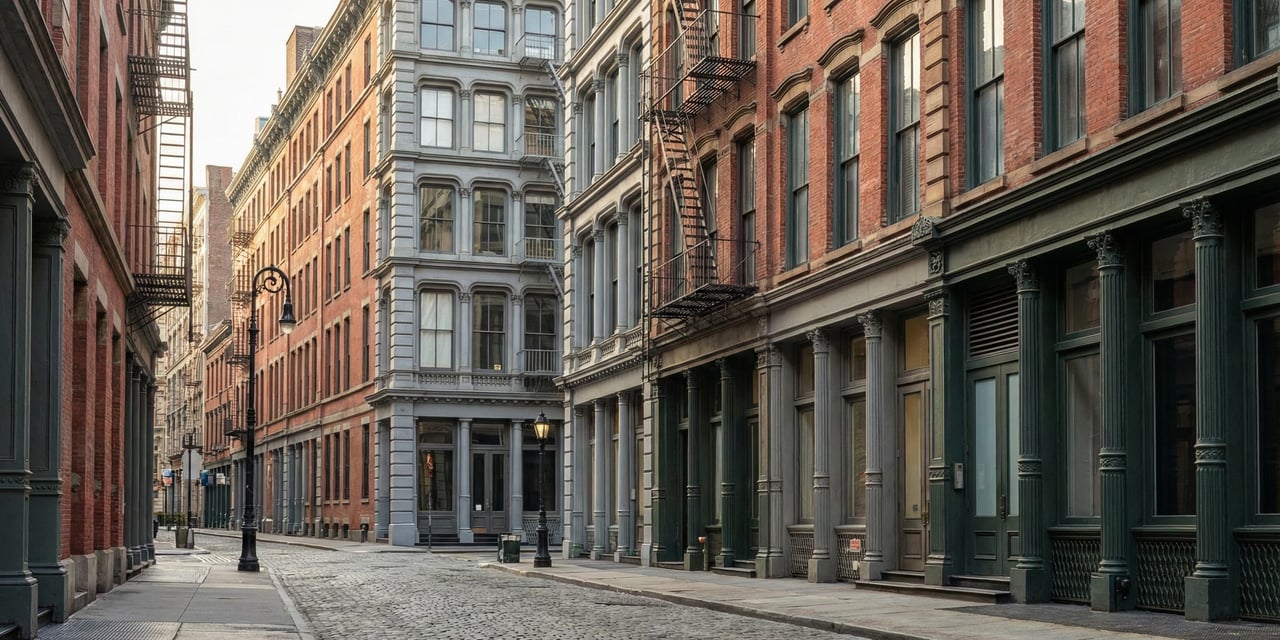
SoHo has always stood apart from other Manhattan neighborhoods. Its cobblestone streets, cast iron buildings, oversized lofts, and creative energy made it a magnet for artists long before it became the luxury district we know today. What started as an experimental neighborhood filled with painters, sculptors, photographers, and musicians slowly evolved into one of the most valuable real estate markets in the city.
The neighborhood’s transformation is a story of culture, preservation, and demand. Buyers are drawn to SoHo not just for its architecture, but for the lifestyle it offers. Investors appreciate its proven ability to hold value through market cycles. And residents enjoy the unique balance of downtown energy and historic charm that is difficult to find anywhere else in Manhattan.
Before SoHo became a global fashion and residential destination, it was a quiet manufacturing district. Factories filled the cast iron buildings that still define the neighborhood today. When manufacturing moved out, buildings sat vacant. The empty floors, high ceilings, and wide-open layouts caught the attention of New York’s art community.
During the 1960s and 1970s, SoHo became an affordable creative playground. Artists converted entire floors into informal loft spaces. Studios doubled as homes. The neighborhood developed a reputation for experimentation and community. Well-known names in contemporary art got their start here, and the creative wave eventually drew small galleries and design shops into the area.
Many of the stores and brands that helped shape modern SoHo began as small creative spaces and independent boutiques. This period built the foundation for the neighborhood’s identity and set the tone for its long-term desirability.
As the art scene grew, so did demand. Buyers began recognizing the value of SoHo’s historic buildings and oversized interiors. Many artists owned their lofts, which created a rare supply of legally converted live-work spaces. Residential zoning changes followed, allowing many buildings to be formally converted into co-ops and condos.
By the early 2000s, SoHo had fully transitioned from an arts district into a luxury residential market. Former industrial spaces were reimagined into high-end homes. Loft units that once sold for modest prices became some of the most sought-after listings in Manhattan. The neighborhood’s retail evolution followed the same path. Small galleries were replaced by global brands, luxury boutiques, and flagship stores.
Today, SoHo is considered one of the most prestigious addresses downtown. Buyers appreciate its combination of old-world architecture and modern luxury living. Investors appreciate its stability and strong rental demand. Even as new neighborhoods rise, SoHo remains consistently relevant.
Several features continue to drive premium pricing in SoHo:
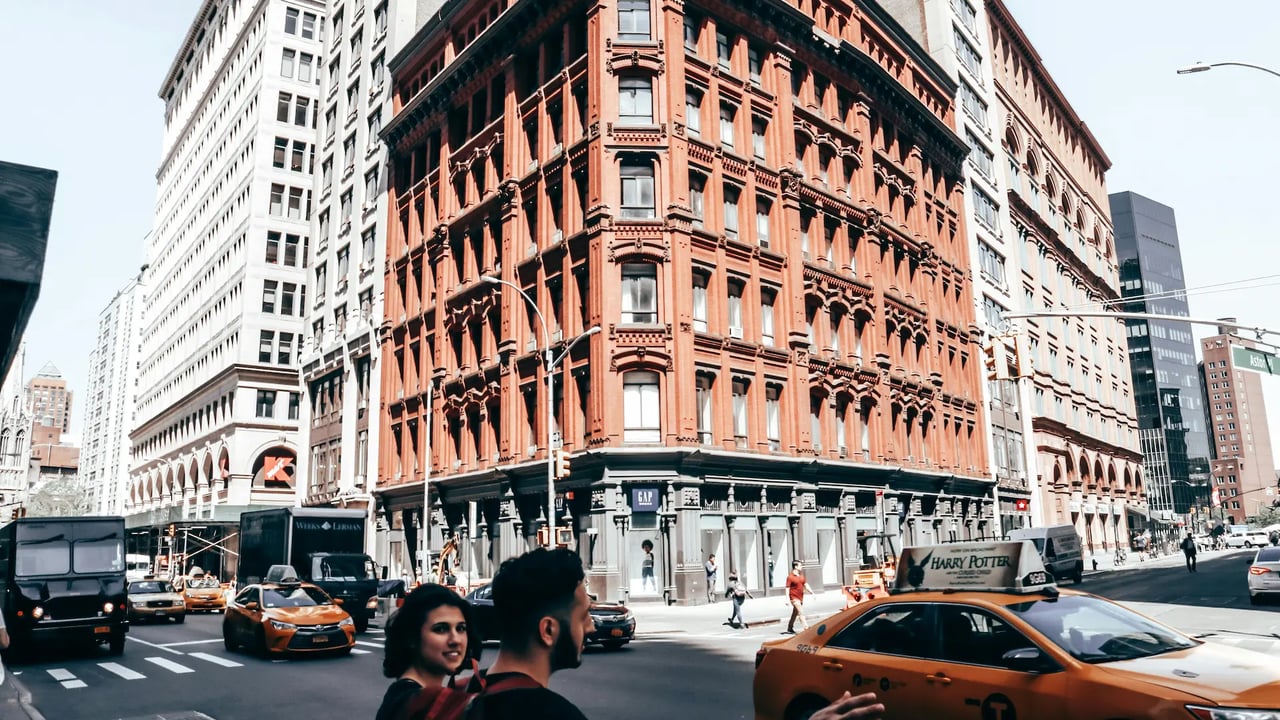
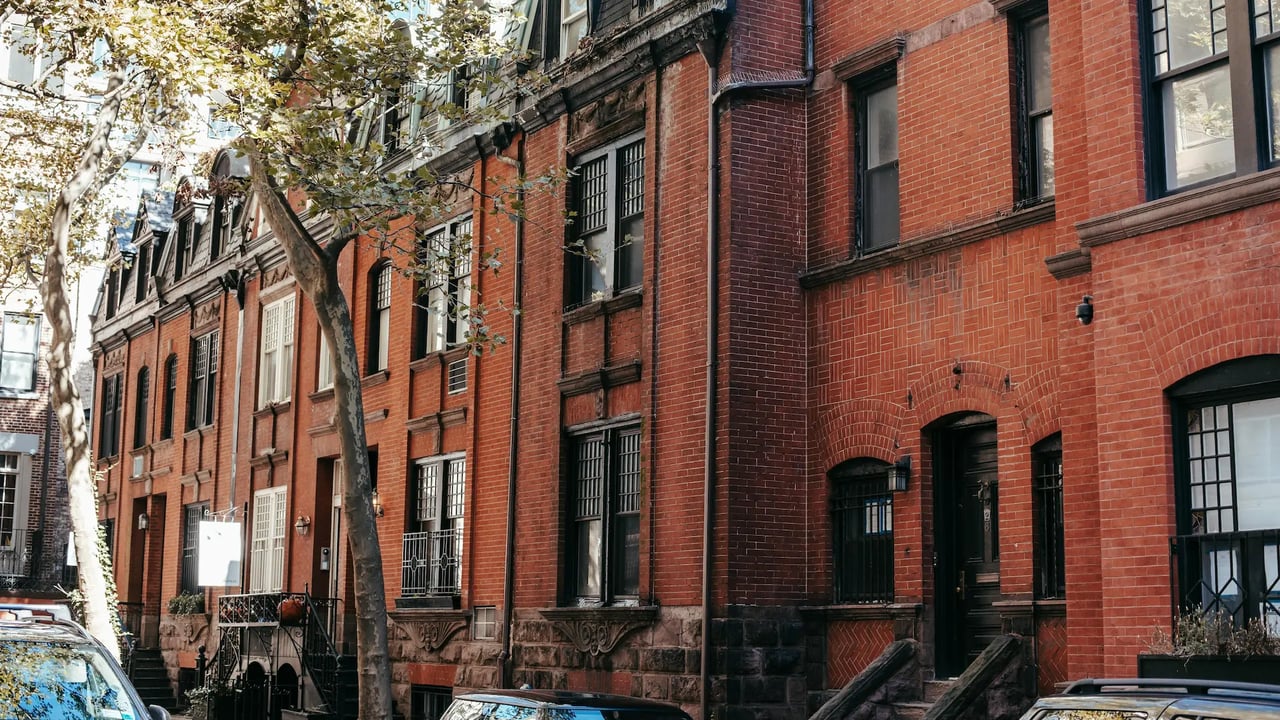
The neighborhood’s cast iron buildings are a defining element of New York City’s architectural history. Many units feature:
Tall ceilings
Large open layouts
Exposed brick
Oversized windows
Unique floor plans rarely replicated in new developments
These homes offer character and scale that modern construction cannot easily match.
SoHo sits at the center of Lower Manhattan with easy access to Tribeca, Greenwich Village, Nolita, Hudson Square, and Chinatown. Residents have a wide selection of restaurants, boutiques, art galleries, and nightlife within walking distance.
International buyers consistently choose SoHo for pied-à-terre purchases. The neighborhood’s style, shopping, and cultural identity have worldwide recognition, which helps keep demand resilient.
Because most buildings are landmarked or historic, new development is rare. The limited supply of true loft homes keeps pricing competitive even during softer market periods.
SoHo remains one of the strongest long-term investments in Manhattan residential real estate. Several factors contribute to its steady performance:
Loft-style homes often receive faster offers compared to standard apartments because the buyer pool values the uniqueness of each space.
Corporate tenants, international residents, and creative professionals frequently target SoHo rentals. Units with exposed brick, high ceilings, and modern finishes rent quickly.
Historic properties tend to hold value during market corrections because they are difficult to replace. Landmark protections also ensure that the neighborhood’s character remains intact.
The combination of residential, retail, and commercial activity keeps the neighborhood active throughout the day and evening, which helps support long-term desirability.
The neighborhood offers a mix of property types, each appealing to different buyers:
Spacious loft co-ops with flexible layouts
Boutique condo buildings with privacy and character
High-floor penthouses with private terraces
Modern luxury developments with upscale amenities
Unique artist-in-residence style units with authentic details
Many of the most desirable homes still preserve the raw character of early SoHo, paired with the comforts expected in today’s luxury market.
For buyers seeking long-term value, SoHo continues to outperform many other Manhattan neighborhoods. Its history, architecture, and global reputation create a level of demand that rarely fades. For investors, the rental market remains strong and reliable. For residents, the lifestyle is one of the most dynamic in New York, blending creative culture with luxury living.
SoHo’s evolution from artist haven to high-end destination is a defining example of how New York neighborhoods reinvent themselves without losing their identity. The features that once attracted artists are the same features that attract luxury buyers today.
If you are considering buying in SoHo or exploring its investment opportunities, local guidance is essential. Many of the best lofts and boutique buildings never hit mainstream platforms.
Reach out to Archpoint Advisory. We can help you navigate the neighborhood’s unique housing stock and uncover the strongest opportunities in one of Manhattan’s most iconic markets.
Stay up to date on the latest real estate trends.
Neighborhood
Why Green Space and Academic Influence Continue to Drive Demand in One of Manhattan's Most Desirable Neighborhoods
Neighborhood
Why Retail Convenience Continues to Drive Housing Demand in One of Brooklyn's Most Desirable Neighborhoods
Neighborhood
How New Construction Is Reshaping One of Manhattan’s Most Competitive Residential Markets
Neighborhood
Why Landmark Protections Help Preserve Tribeca’s Unique Real Estate Identity
s
Why Manhattan’s Dining Culture Continues to Shape Luxury Living and Real Estate Demand
Neighborhood
Why Investors Continue Watching Manhattan’s Most Evolving Neighborhood
Neighborhood
Why Investors Continue Targeting Brooklyn’s Most Competitive Neighborhood
Neighborhood
Why Hotels, Nightlife, and Cultural Energy Continue to Drive Housing Demand in Gramercy
Neighborhood
Understanding the Buying Process Behind One of Brooklyn’s Most Competitive Housing Markets
We love nothing more than helping buyers and sellers achieve their home-buying and selling goals. If you’ve got questions, we can’t wait to answer them.